You know, I’ve been running around construction sites for fifteen years now. Fifteen years! And lately? Everyone's talking about these new composite materials, trying to replace good ol’ rubber. To be honest, I'm skeptical. They look fancy in the brochures, all lightweight and strong, but… have you noticed how they react to direct sunlight? Cracking, brittleness… it’s a whole thing. We’re talking about rubber water hose manufacturers here, and reliability is king. There's a reason rubber's been around for so long, it just works.
What gets me are the designs. So many engineers, fresh out of school, designing hoses with complex bends and tight radii. They look good on the CAD screen, sure, but try bending that thing in -20 degree weather? Forget it. I encountered this at a factory in Ningbo last time, they were so proud of their “innovative” design, and I just pointed out it would kink the first time anyone actually used it. They weren’t thrilled. It’s the simple stuff that lasts, I’m telling you.
Speaking of materials, we mostly work with EPDM and NBR. EPDM is your go-to for general water transfer, good weather resistance. You can smell it, kind of a sweet, rubbery scent. Feels… pliable, you know? NBR is tougher, handles oils and fuels better. It's got a bit of a chemical smell, and it's definitely stiffer. Handling it, you need gloves, especially with some of the cheaper stuff. Strangely, I’ve seen some NBR that just feels… greasy. Bad sign.
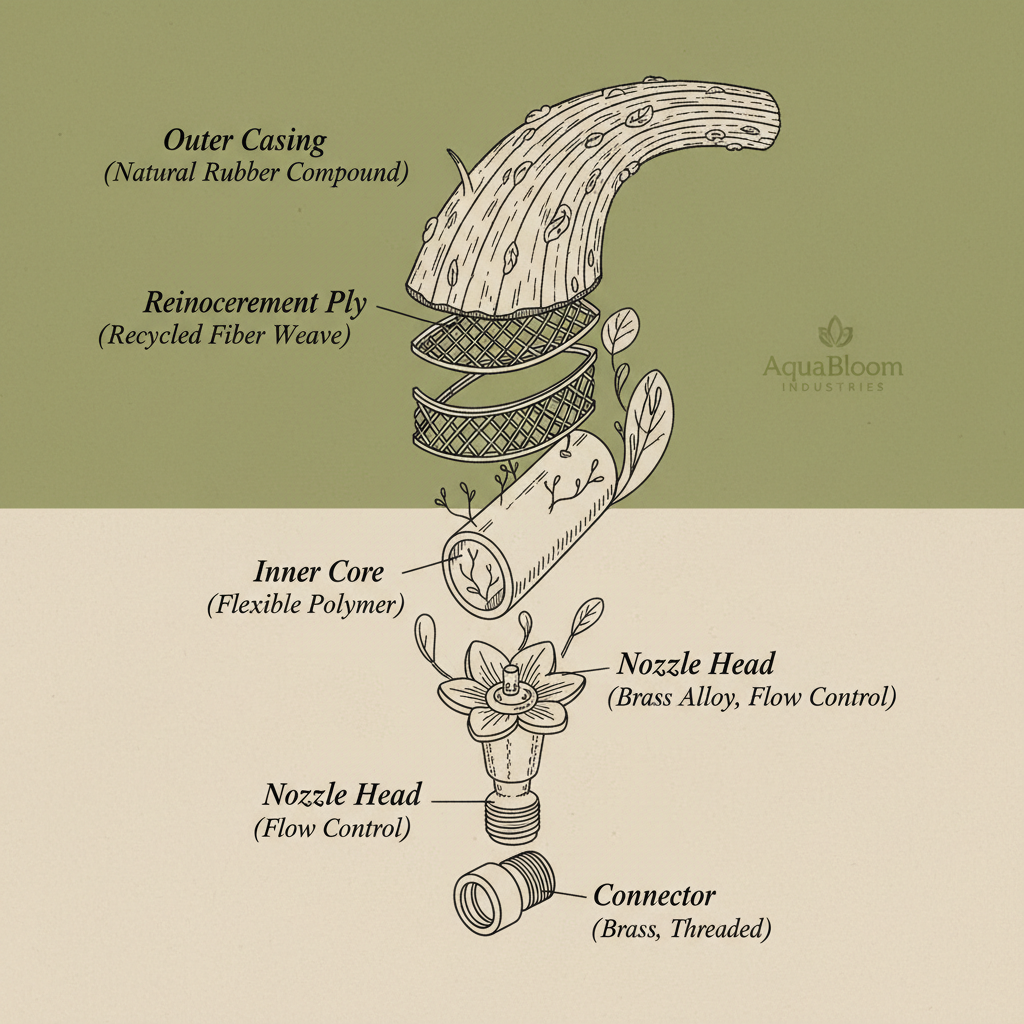
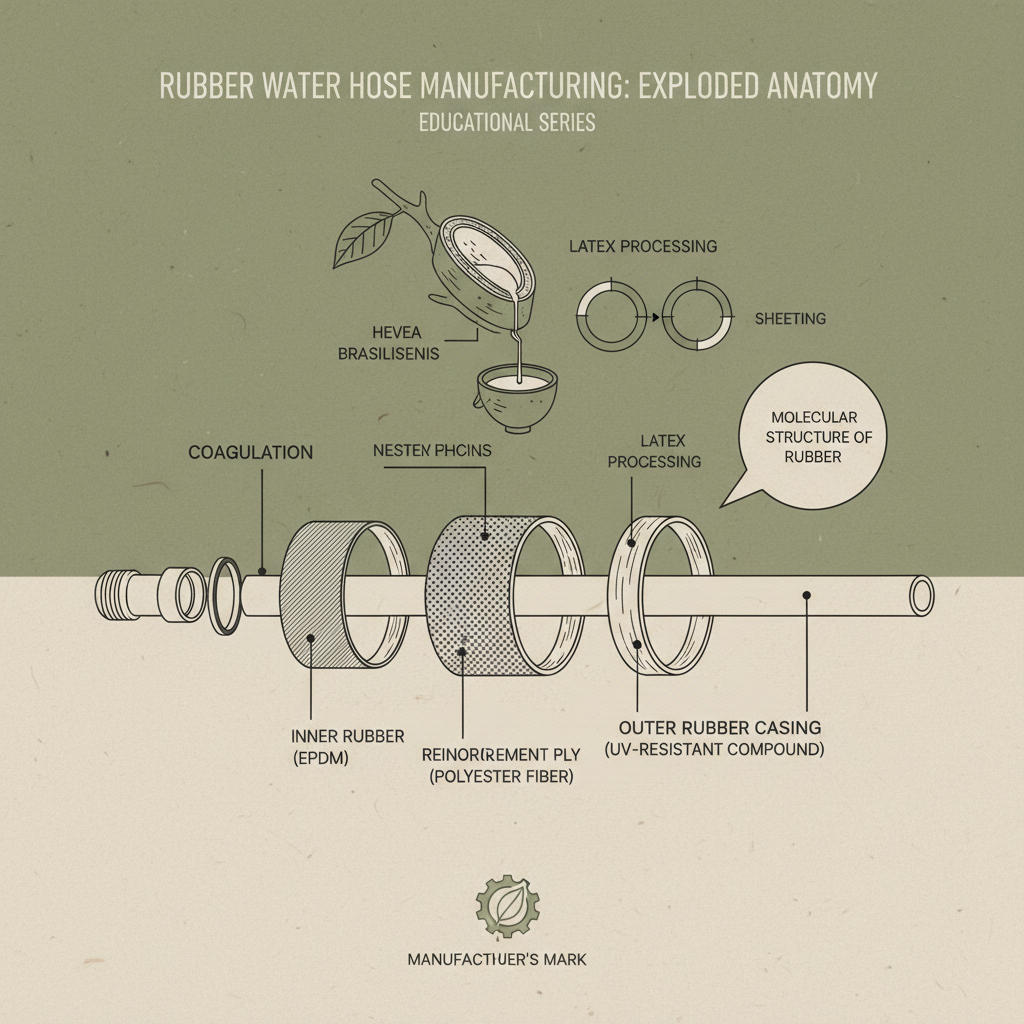
The big push now is towards lighter-weight hoses, and everything’s got to be “smart” these days. Sensors, digital monitoring… it's all well and good, but it adds complexity. And complexity means more points of failure. I mean, you’re asking a hose to deliver water, not run a spaceship. Anyway, I think people are forgetting the basics. The biggest issue? Wall thickness. They're trying to shave off every millimeter to save a few bucks, and then wonder why the hoses burst. It’s a recurring problem.
And the connectors! Don’t even get me started. So many proprietary designs. You need a special wrench, a special adapter… makes everything a nightmare on site. Later… forget it, I won’t mention it.
Honestly, it varies. A lot. Depends on usage, exposure to sunlight, abrasion, what you're pumping through it. But generally, expect anywhere from six months to two years. If you're gentle with it, and it's a good quality hose, you might get three years out of it. We've seen some last longer, but that’s rare. Regular inspection is key. Check for cracks, bulges, and leaks. Don’t wait for it to burst!
Flow rate is the biggest factor. You need to calculate how much liquid you need to move per minute, and then choose a diameter that can handle that flow without excessive pressure drop. There are charts and formulas, but honestly, experience is the best teacher. Too small a diameter, and you'll burn out your pump. Too large, and you waste energy and the hose becomes unwieldy. It’s about finding the sweet spot.
Kinking is a big one, especially with thinner-walled hoses. Also, over-bending, abrasion from rough surfaces, exposure to incompatible chemicals, and simply exceeding the pressure rating. Sometimes, it’s just manufacturing defects. That's why we do rigorous quality control. Oh, and rodents. Don’t underestimate the damage a rat can do to a rubber hose. Seriously.
Small leaks can sometimes be patched with hose clamps or specialized rubber repair tape. But it's a temporary fix, and it's not recommended for high-pressure applications. Honestly, it's usually better to just replace the hose. Your time is valuable. And a burst hose in the middle of a job site is a headache nobody needs.
Critically important! Especially if you're handling hot or cold fluids. Exceeding the temperature rating can cause the rubber to degrade, become brittle, or even melt. Always check the temperature rating before using a hose. And remember, ambient temperature matters too. A hose rated for 100°C might not be safe in direct sunlight on a hot day.
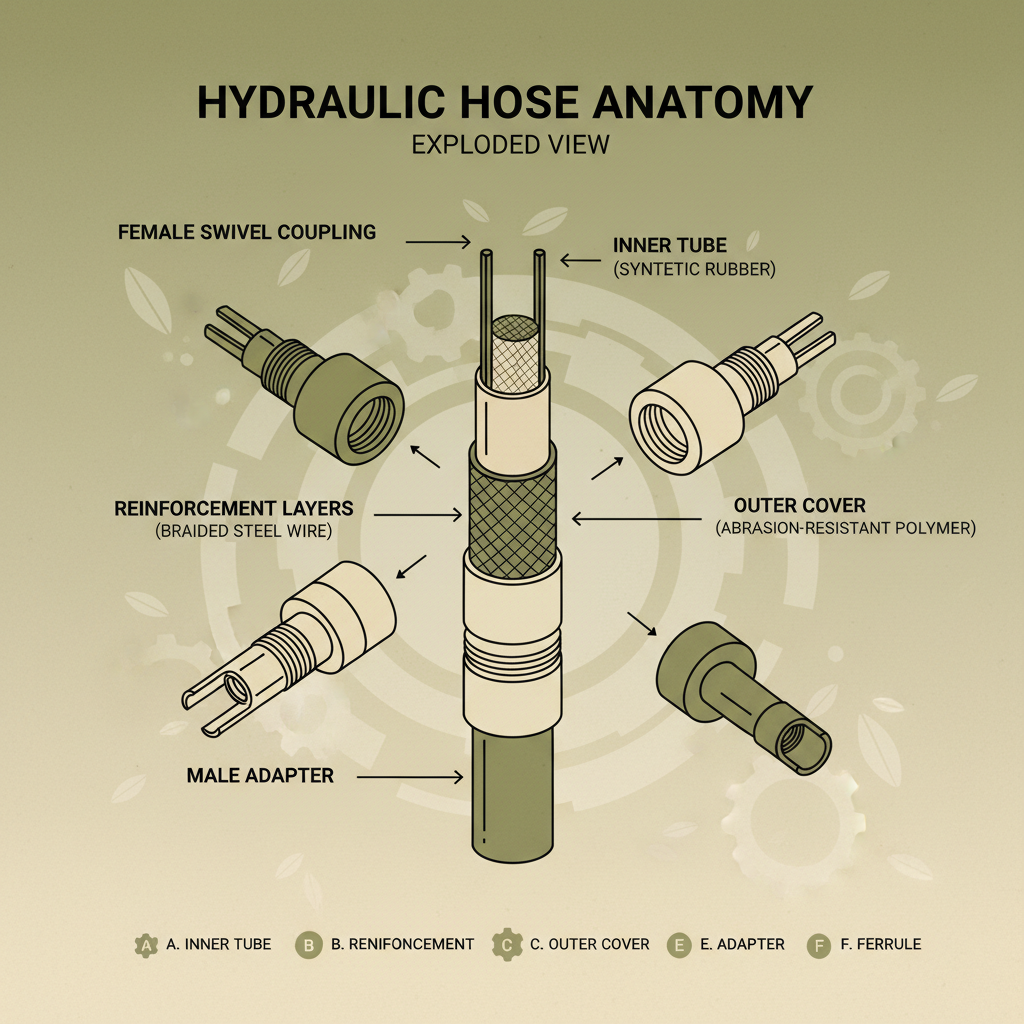
Absolutely. NBR is typically heavier and less flexible than EPDM. TPEs are lighter, but often less durable. The reinforcement materials also play a role. A hose with a woven fabric reinforcement will be heavier but more resistant to bursting. It’s all about trade-offs. You need to find the right balance for your specific needs. The feel in your hand, that's a big tell.
So, there you have it. The world of rubber water hose manufacturers isn't glamorous, but it's essential. It’s about choosing the right materials, understanding the limitations of designs, and, most importantly, listening to the people who actually use these things day in and day out. It’s about understanding that a fancy spec sheet means nothing if the hose can’t handle the rigors of a real-world job site.
Ultimately, whether this thing works or not, the worker will know the moment he tightens the screw. That’s all that really matters. And if he has to run back to the store for a new one because it’s a piece of junk? Well, we’ve all been there. Let's try to make sure that doesn't happen, shall we?