Look, rubber air hose manufacturers... honestly, it’s a world most folks don't think twice about. They see the hose, they connect it, air flows. Job done. But spending all year on sites, crawling around factories… you start to notice things. The biggest trend right now is just durability, plain and simple. Everyone’s chasing longer life, higher pressure ratings. Seems obvious, right? But it’s tricky.
You’d think making a hose is straightforward. It’s not. It’s a deceptively complex beast. I’ve seen too many designs that look great on paper, all fancy layers and reinforced this and that, but fall apart the first time someone drags it across some gravel. It’s the little things, see? The way the reinforcement braid is embedded, the compound of the outer cover… those details matter.
And don’t even get me started on the smell. Seriously. You can tell a good hose by the smell. A strong, slightly chemical, but clean smell. A cheap hose smells… plastic-y. Like burning tires. The rubber itself, typically a blend of SBR, NBR, maybe even some EPDM for weather resistance. Feels good in your hands when it’s quality stuff. A little tacky, grippy. Cheap stuff… slick. You want a hose you can actually hold when your hands are covered in grease.
The State of the Rubber Air Hose Industry
Honestly, it's booming. Construction's up, manufacturing's humming along. Everyone needs compressed air. The demand for high-performance rubber air hose manufacturers is constant. It's not glamorous, but it's essential. We're seeing a lot of movement towards more specialized hoses too – for specific industries, specific applications. Like, hoses designed specifically for abrasive materials, or extreme temperatures. I saw a statistic the other day… the global rubber hose market is projected to hit something like $8 billion by 2028. Big numbers.
But it’s also becoming more competitive. You’ve got manufacturers in China flooding the market with cheaper options. They look okay at first glance, but the quality… let's just say they don’t last. And that ends up costing folks more in the long run.
Design Pitfalls and Common Mistakes
Have you noticed how many hoses burst right at the fittings? That's usually a design flaw. Too much stress concentrated in one spot. Reinforcement needs to be gradual, tapered. I encountered this at a factory in Ningbo last time, and they were baffled. They were using a sharp bend in the fitting design. Just… a rookie mistake. Another thing: internal diameter. People often skimp on that to save a few pennies. But restricting airflow reduces efficiency and puts extra strain on the compressor. It's a false economy.
And strangely, a lot of manufacturers forget about the user experience. A hose that’s too stiff is a pain to work with. One that kinks easily is even worse. It needs to be flexible, but not floppy. Finding that balance is harder than you think.
Then there's abrasion resistance. Construction sites are brutal environments. Concrete, steel, gravel... hoses get dragged across everything. If the outer cover isn’t tough enough, it’ll wear through in days.
Materials: What’s Inside Matters
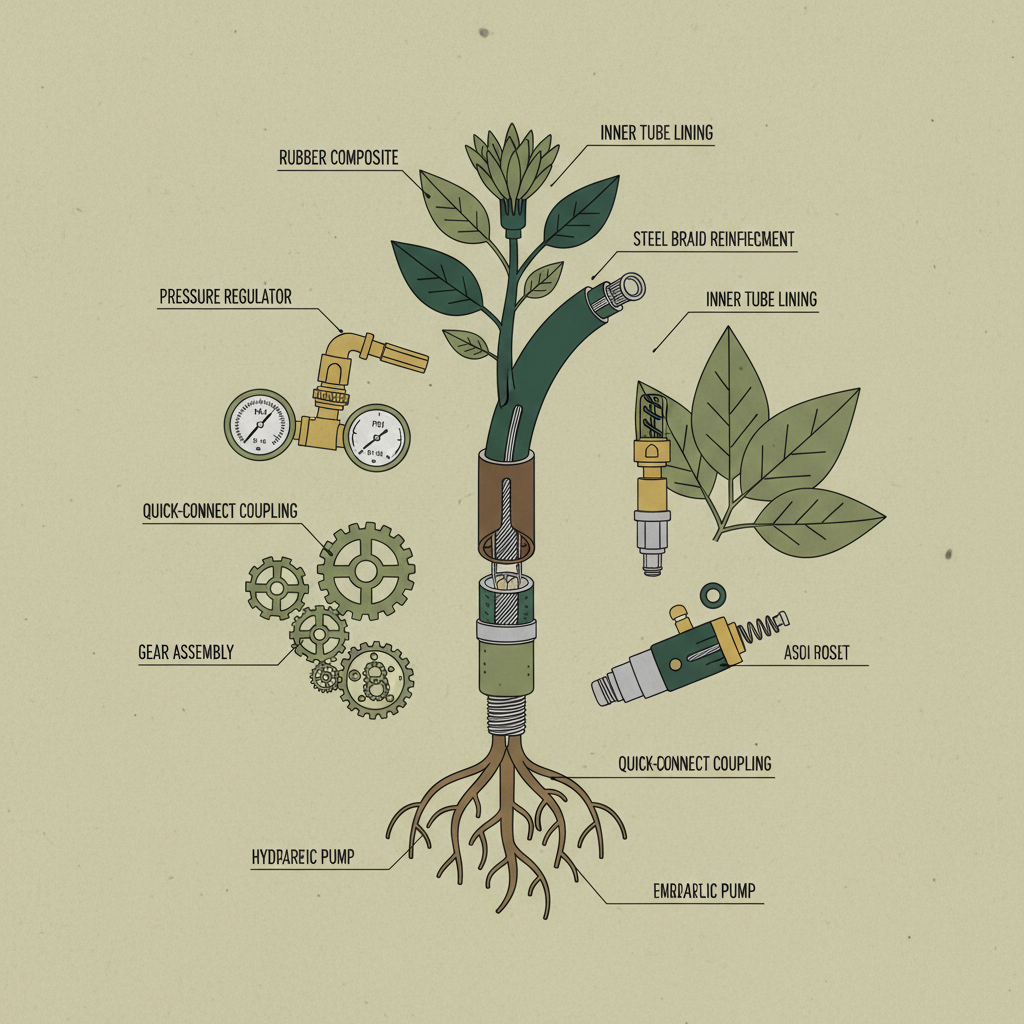
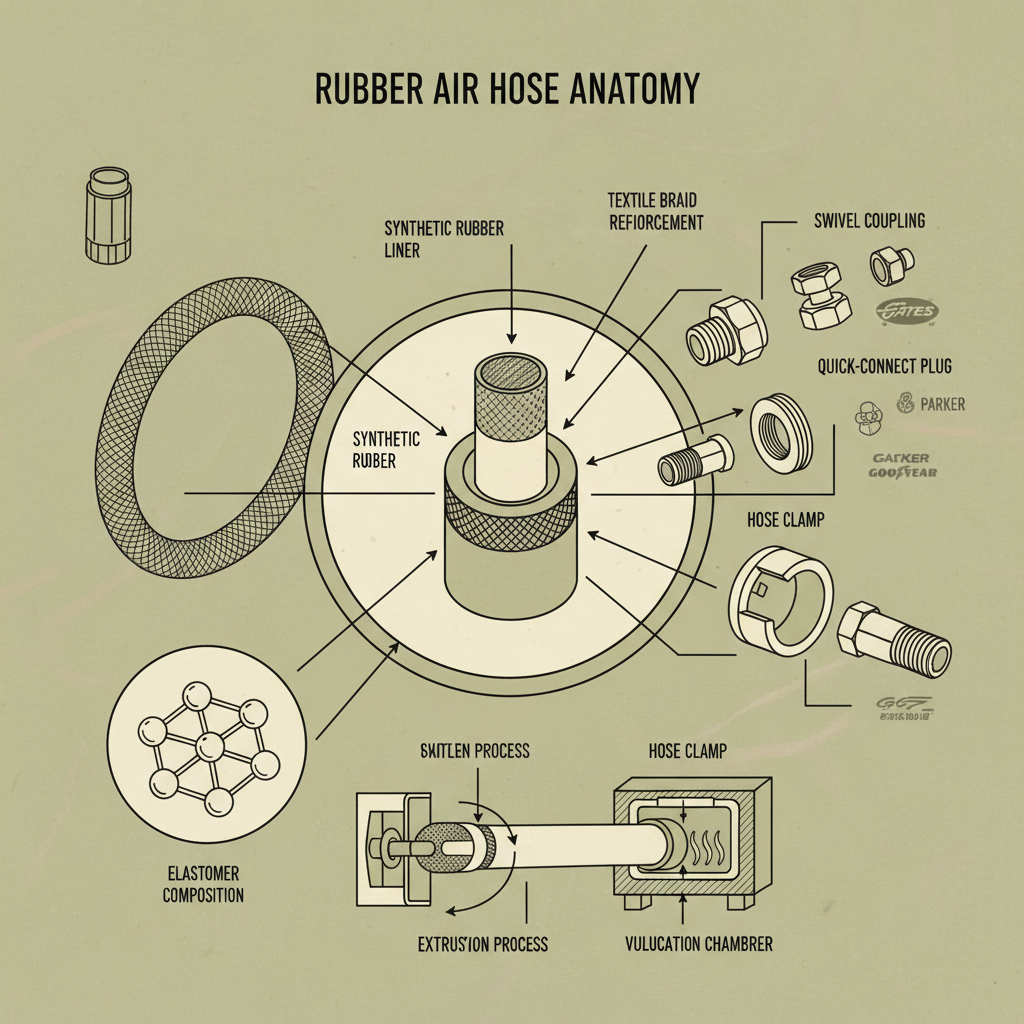
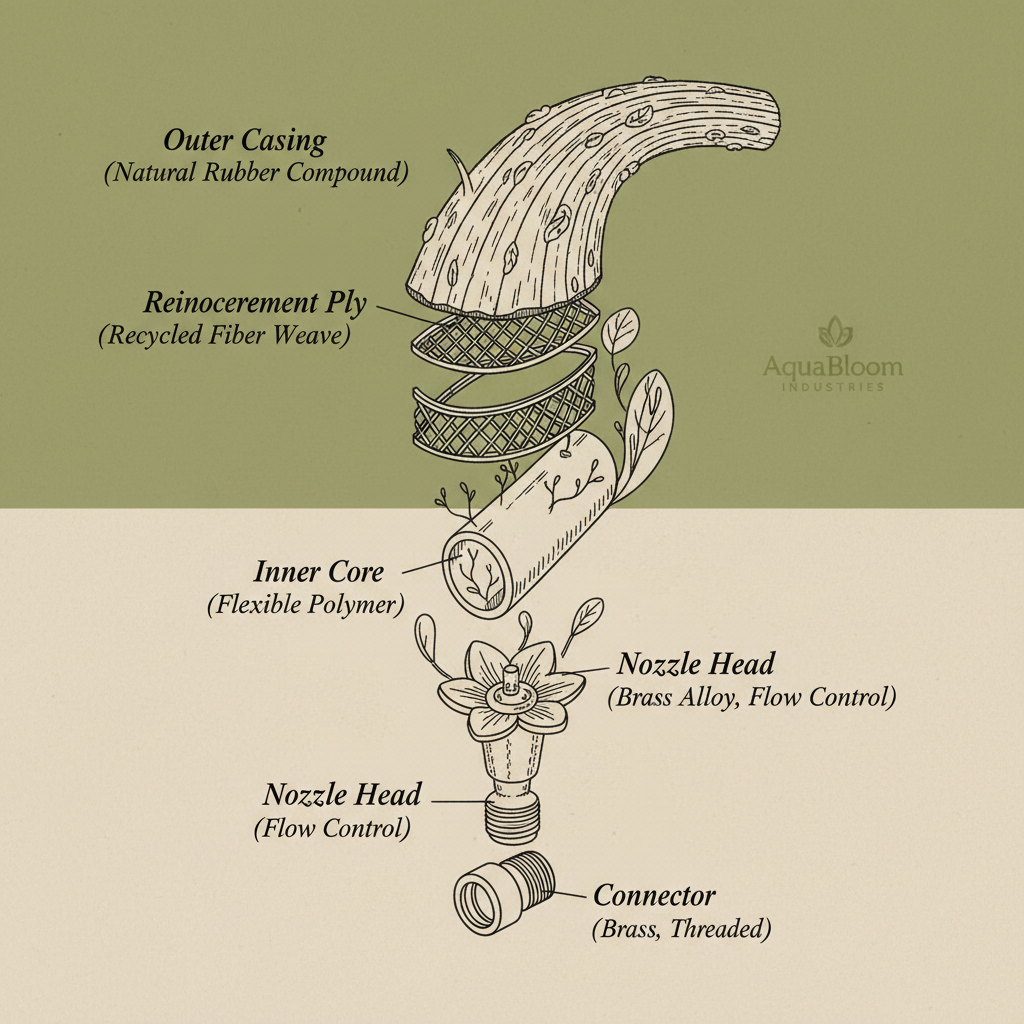
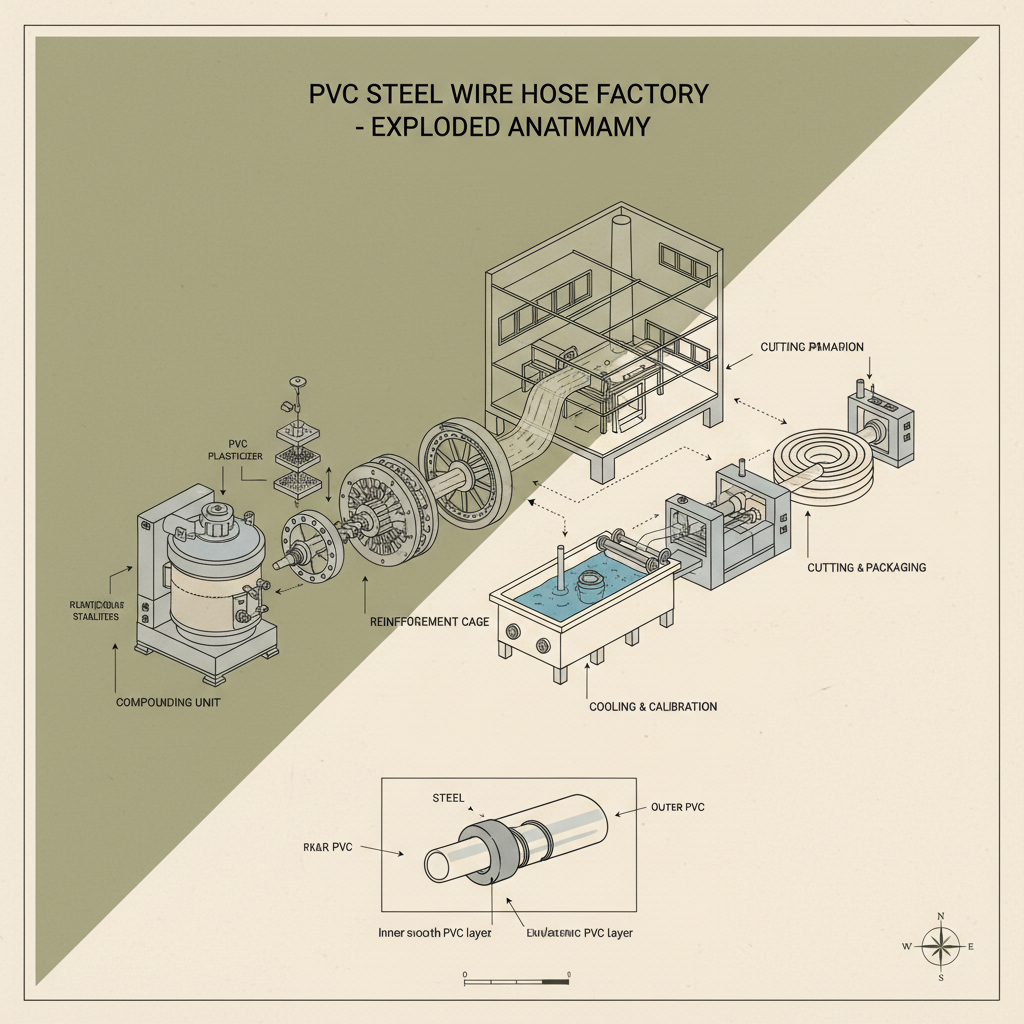
Like I said before, it’s not just rubber. The type of rubber makes a huge difference. SBR is good for general purpose, affordable. NBR is better for oil resistance. EPDM is your go-to for weather protection, UV resistance. But the reinforcement is key. High-tensile textile braid – polyester, nylon – that’s what gives the hose its strength. Wire helix reinforcement is used for higher pressure applications. It’s… satisfying to cut one open and see how it’s all layered together, actually.
There’s a new trend of using thermoplastic polyurethane (TPU) in the outer cover. It’s lighter, more abrasion resistant, and doesn’t get as hot in the sun. But it's more expensive. And it doesn’t always play nice with certain chemicals. It's a trade-off. The smell is different too, almost like… candy? Don't ask me why.
And the fittings! Don't forget the fittings. Brass is good, but can corrode. Stainless steel is better, but pricey. Aluminum is lightweight, but not as strong. It’s a balancing act, always.
Real-World Testing and Performance
Lab tests are fine, but they don’t tell the whole story. You need to see how these hoses perform in the real world. I’ve set up tests on sites where we literally run over them with forklifts. Okay, maybe not intentionally run over them… but they get driven over. We drag them through mud, expose them to extreme temperatures, and pressure test them until they burst.
The biggest killer is abrasion. We use a special machine that simulates dragging the hose across concrete. It’s brutal. We also do burst pressure tests, of course. But more important than the peak pressure is how long it can hold a consistent pressure under load. That tells you a lot more about its reliability.
Rubber Air Hose Manufacturers Performance Metrics
How Users Actually Use Them (It’s Not Always What You Think)
You design a hose for a specific application, but then you go on site and see people using it for things you never imagined. I’ve seen folks using air hoses to drain swimming pools. To wash cars. To inflate inflatable castles for kids' parties. It's… creative. And sometimes dangerous.
One thing I've noticed is people are terrible at coiling hoses properly. They just wad them up and throw them in the back of the truck. That creates kinks and weakens the hose over time. I try to tell them, "Take care of your tools, and they'll take care of you!" but they usually just roll their eyes.
Advantages, Disadvantages, and Customization
Advantages? Durability, flexibility, and the ability to handle high pressures. A good rubber air hose manufacturers can last for years with proper care. Disadvantages? Weight. They can be heavy, especially the longer ones. And they can get hot, which is a safety concern. Plus, they're not always the most aesthetically pleasing things in the world.
Customization is where it gets interesting. Last month, that small boss in Shenzhen who makes smart home devices insisted on changing the interface to , on a hose. Said he wanted a “premium look”. It was… a disaster. The fitting kept leaking. Anyway, I think it’s better to stick with what works. But we do offer custom lengths, different fitting types, and even specialized coatings for certain applications.
A Look at Performance Metrics
You need to look at burst pressure, working pressure, tensile strength, elongation at break, and abrasion resistance. Those are the key metrics. And don't forget temperature range. A hose that works great in the summer might crack and fail in the winter.
We also look at ozone resistance, chemical resistance, and UV resistance. It’s a lot to keep track of, but it’s essential for ensuring the hose performs reliably in the field.
Core Performance Characteristics of Rubber Air Hose Manufacturers
| Hose Type |
Burst Pressure (PSI) |
Abrasion Resistance (Rating 1-10) |
Temperature Range (°F) |
| SBR Rubber |
400 |
6 |
-40 to 176 |
| NBR Rubber |
500 |
7 |
-40 to 212 |
| EPDM Rubber |
450 |
8 |
-76 to 257 |
| TPU Coated |
650 |
9 |
-40 to 194 |
| Reinforced PVC |
300 |
5 |
-20 to 158 |
| Hybrid Rubber Blend |
700 |
8.5 |
-58 to 248 |
FAQS
Honestly? Longevity. A cheap hose might get you through a few jobs, but it'll start to crack, kink, and leak. A good hose, made with quality materials and construction, will last for years, saving you money and headaches in the long run. It’s about the reinforcement, the rubber compound, and the overall build quality. You can feel it when you pick it up.
That's a common problem. Avoid sharp bends. Coil the hose loosely when not in use, don't just wad it up. And if you're using a retractable reel, make sure it's not pulling the hose too tight. A good quality hose with a flexible outer cover will also help. I’ve seen guys use spring protectors, too, but those can be a pain.
Stainless steel, hands down. Brass will corrode over time, especially if exposed to harsh chemicals. Aluminum is lightweight, but it's not as resistant to corrosion. Stainless steel is more expensive, but it's worth the investment if you're working in a corrosive environment. Trust me, replacing fittings is a bigger pain than paying a little extra upfront.
Burst pressure is the maximum pressure the hose can withstand before it fails – it’s the point where it explodes. Working pressure is much lower; it's the maximum pressure you should continuously operate the hose at. Always, always stay well below the burst pressure. A good rule of thumb is to use a hose with a working pressure at least twice as high as your compressor’s maximum output.
Short answer: sometimes. Small punctures can be patched with a specialized air hose repair kit. But if the hose is severely damaged – cracked, kinked, or has a large tear – it’s best to replace it. Don’t risk a catastrophic failure. Your safety is more important than saving a few bucks. Remember, a burst hose can be dangerous.
TPU is the big one right now. It's lighter, more abrasion resistant, and more flexible than traditional rubber. It's also more expensive, but the price is coming down. We’re also seeing some interesting developments with bio-based rubber, but it's still early days. It's not quite as durable as traditional rubber yet.
Conclusion
Ultimately, choosing the right rubber air hose manufacturers isn’t about finding the cheapest option. It’s about finding a hose that’s durable, reliable, and safe. It's about considering the specific application, the environment, and the user. It's about understanding the materials, the construction, and the performance metrics.
And let's be real: a fancy spec sheet doesn't mean a thing if the hose doesn't perform on the job site. It's a simple tool, but a critical one. Ultimately, whether this thing works or not, the worker will know the moment he tightens the screw. Visit our website for more information: rubber air hose manufacturers