You know, I’ve been running around construction sites all year, getting my hands dirty. These days, everyone’s talking about “smart” hydraulic hoses – sensors built in, data logging, predictive maintenance. Sounds fancy, right? But to be honest, 90% of the time, guys just want a hose that won’t blow up on them when they’re 30 feet in the air.
It's funny, you spend months tweaking a design in the office, and then you get on site and see a guy using it as a makeshift hammer. Have you noticed that? Happens all the time. Anyway, I think a lot of folks overlook the basics, chasing the latest tech without focusing on durability.
The Current Landscape of hydraulic hose manufacturers
Look, the hydraulic hose manufacturers scene is… busy. Lots of competition, everyone claiming to have the ‘best’ hose. But what’s “best” really mean? It's not just about specs. It's about who’s actually listening to the guys on the ground. Strangely, a lot of these companies are run by engineers who haven't spent a day on a construction site. They don't understand the abuse these things take.
We’re seeing a big push for eco-friendly materials now, which is good, but they gotta perform. I was at a factory in Italy last time, they were showing off a new bio-degradable hose… felt like rubber bands, honestly. Just wasn't going to cut it.
Design Pitfalls in hydraulic hose manufacturers
One thing I’ve encountered repeatedly is over-engineering the fittings. Guys want these fancy, quick-connect fittings, but they add a point of failure. Simple, robust, threaded connections are still king in a lot of applications. Too many bells and whistles just create more problems.
Another trap is neglecting the bending radius. You design a hose with a tight bend, and then the operator tries to force it into a space it wasn't meant for. Boom, kinking and premature failure. Simple geometry, but you’d be surprised how often it’s overlooked.
And, honestly, the amount of times I've seen a hose rated for 5000 PSI used on a 2000 PSI system… it's like using a sledgehammer to crack a walnut. Waste of money, and doesn’t make it any safer.
Materials and On-Site Handling of hydraulic hose manufacturers
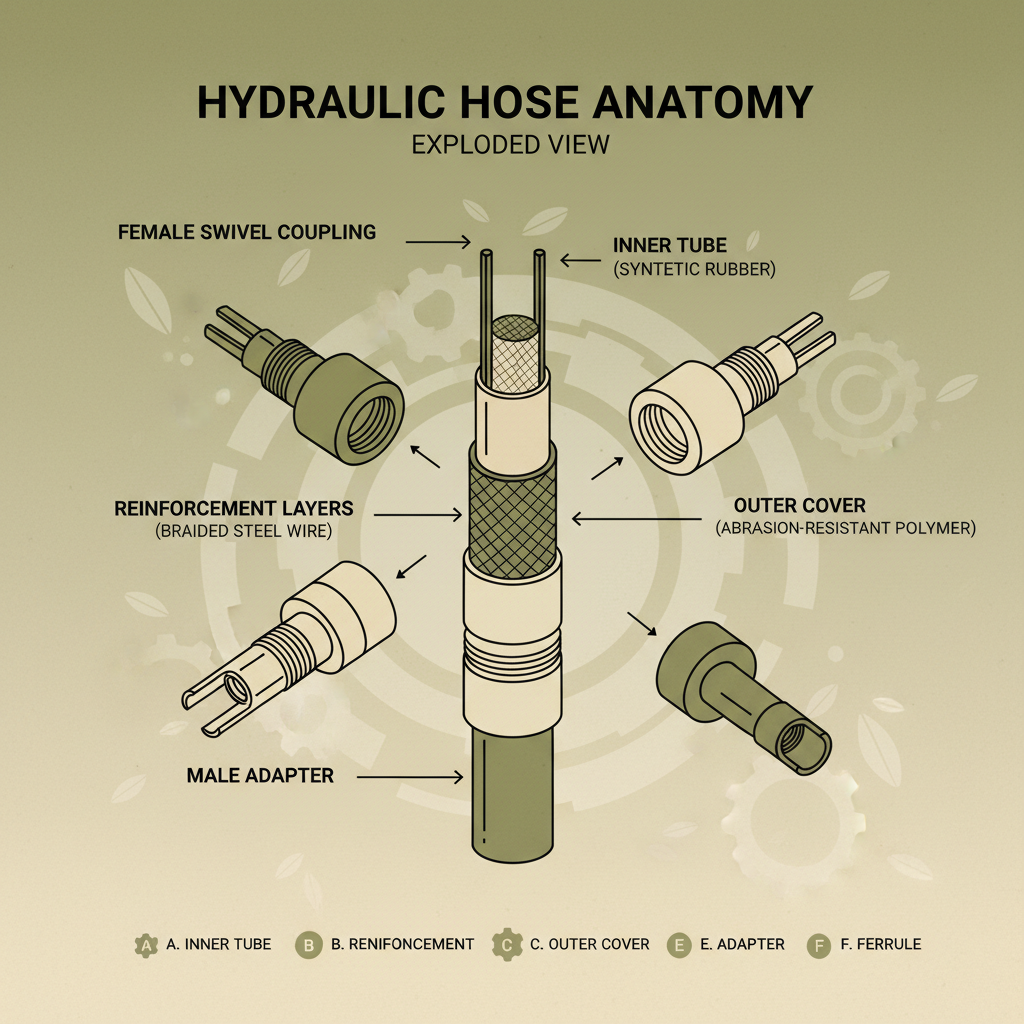
Now, materials. Synthetics are everywhere, naturally. But the quality varies wildly. You get the cheap stuff that feels…plasticky, smells kinda weird. It just doesn’t inspire confidence. The good stuff, like high-grade polyurethane, feels substantial, a little sticky to the touch. You can tell it’s got some backbone.
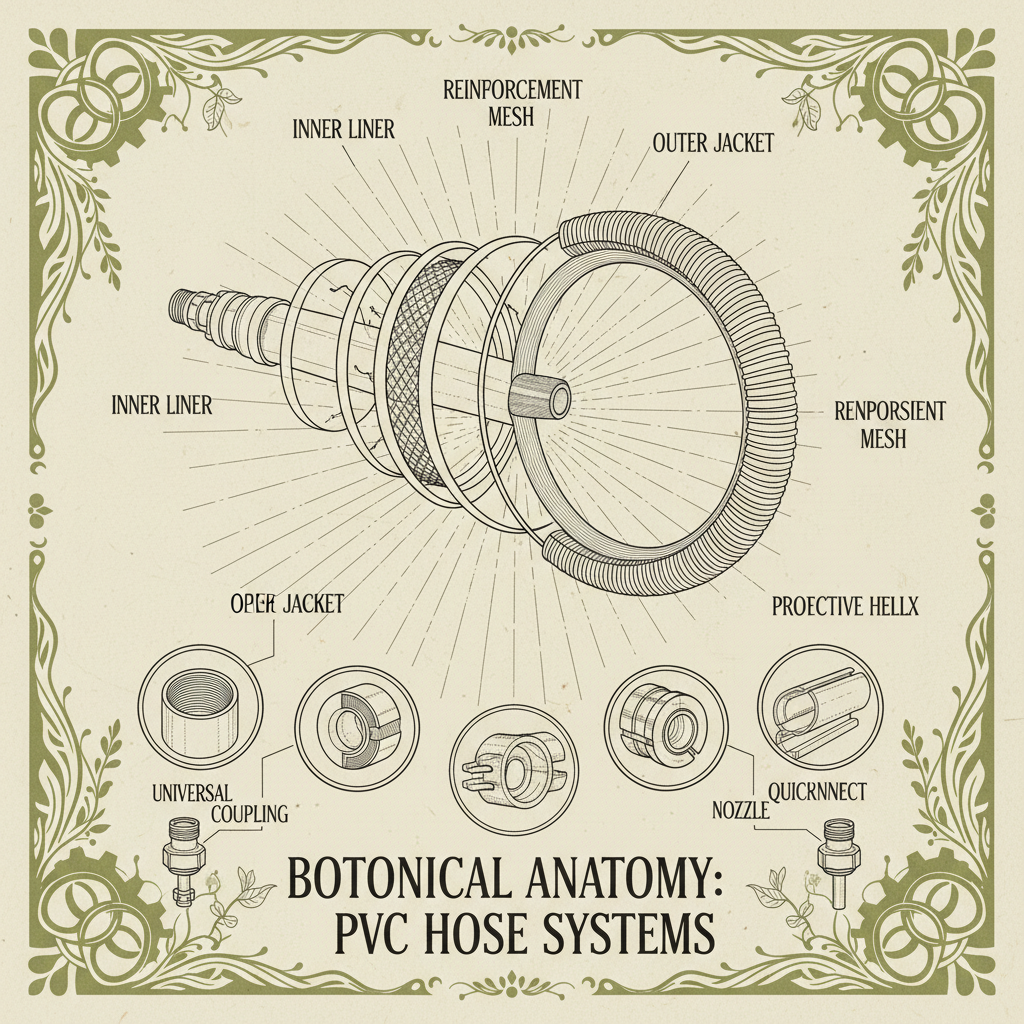
Reinforcement is key. Steel wire braid is the standard for high pressure, but the number of layers matters. Too few, and it’ll bulge under pressure. Too many, and it becomes stiff and hard to maneuver. It's a balancing act.
On-site handling… that’s where things get messy. Guys drag hoses over sharp edges, leave them exposed to the sun, spill oil all over them. You can design the most perfect hose in the world, but if it’s abused, it’s going to fail.
Testing hydraulic hose manufacturers: Beyond the Lab
Lab tests are fine, but they don't tell the whole story. Burst pressure, fatigue testing... all important, sure. But what about abrasion resistance? What about resistance to chemicals? That’s where real-world testing comes in.
We send hoses to demolition sites, mining operations, places where they'll get absolutely hammered. Then we inspect them, look for wear and tear, and get feedback from the operators. That's the stuff that really matters. We also do what we call “mud tests” – bury a hose in mud for a week and see how it holds up. Sounds silly, but it reveals a lot about the material’s resistance to corrosion.
hydraulic hose manufacturers Failure Rate by Environment
Real-World Usage of hydraulic hose manufacturers
It’s always interesting to see how people actually use these things. We designed a hose for a specific application, thinking it would be used in a clean, controlled environment. Turns out, it ended up being used to pump sewage in a remote village.
Another example, we had a customer who was using our hoses to lift logs in a forest. They were constantly getting cut and scraped by branches. We ended up adding a protective sleeve to the hose, which solved the problem. You learn a lot from these unexpected applications.
Advantages and Disadvantages of hydraulic hose manufacturers
The advantage of a good hydraulic hose? It just works. Reliable, predictable, doesn’t leak. Simple as that. They’re essential for everything from construction equipment to agricultural machinery. They make things move.
The disadvantage? Well, they're not cheap. And a failure can be catastrophic. Plus, they're surprisingly sensitive to improper installation. A slightly loose fitting, a kink in the hose, and suddenly you've got a major problem. And let’s be honest, finding a qualified technician to install and maintain these things is getting harder and harder.
Customization Options for hydraulic hose manufacturers
Customization is big. A lot of customers need hoses with specific lengths, fittings, or pressure ratings. We had a customer last month, a small boss in Shenzhen who makes smart home devices. He insisted on changing the interface to – on a hydraulic hose! Said it was for “branding purposes.” The result was a nightmare. It weakened the connection and caused leaks. But generally, customization is about getting the right hose for the job.
We can offer different types of reinforcement, different hose materials, and different fitting options. We also do custom labeling and color coding. It’s all about providing a solution that meets the customer’s specific needs.
One of the trickiest customizations is adding spiral guards. They protect the hose from abrasion, but they can also trap dirt and moisture. It’s a trade-off.
Summary of Common Customization Requests for hydraulic hose manufacturers
| Request Type |
Complexity |
Lead Time (Days) |
Typical Cost Increase (%) |
| Length Adjustment |
Low |
1-2 |
5-10 |
| Fitting Change |
Medium |
3-5 |
15-25 |
| Reinforcement Layer Increase |
High |
7-10 |
30-50 |
| Custom Color Coding |
Low |
2-3 |
10-15 |
| Spiral Guard Addition |
Medium |
5-7 |
20-35 |
| Special Material Request |
Very High |
10+ |
50+ |
FAQS
Honestly, underestimating the application. They pick a hose based on pressure rating alone, without considering the environment, the fluid being pumped, or the potential for abrasion. You need to think about the whole system, not just the hose itself. It's not just about "will it hold the pressure?" it’s about “will it survive the conditions?”. We see a lot of premature failures because of this.
Critically important. If you force a hose to bend too tightly, you’ll damage the reinforcement layers, leading to weakening and eventual failure. It’s simple physics. Always check the manufacturer’s specifications for the minimum bend radius. I’ve seen guys trying to jam hoses into tight spaces, and it’s just asking for trouble. It's a quick fix that leads to a big headache down the line.
Not necessarily. A higher price tag doesn’t automatically mean a better hose. It often means more features you don't need. The key is to find a hose that’s appropriate for the application. Sometimes a simple, well-made hose is all you need. Don't get caught up in the hype. Do your research.
It depends on the application, but a good rule of thumb is to inspect them before each use. Look for cracks, abrasions, leaks, or any other signs of damage. Also, check the fittings to make sure they're tight. Regular inspection can prevent catastrophic failures and save you a lot of money in the long run.
They're promising, but still early days. The data they provide can be valuable for predictive maintenance, but the sensors add complexity and another potential point of failure. And the cost is significantly higher. I think they’ll become more mainstream as the technology matures and the price comes down. For now, they're best suited for critical applications where downtime is extremely costly.
Generally, it’s best to replace them. Repairing a hose is often a temporary fix and can compromise its integrity. However, in some cases, a minor leak can be repaired by a qualified technician. But I would err on the side of caution. When it comes to hydraulic hoses, safety is paramount. Don't take risks.
Conclusion
So, what have we learned? hydraulic hose manufacturers aren’t glamorous, but they’re essential. It's a world of seemingly small details – fitting types, reinforcement layers, bending radii – that all add up to reliability and safety. There’s a lot of hype and marketing out there, but at the end of the day, a good hose is one that does its job, day in and day out.
Ultimately, whether this thing works or not, the worker will know the moment he tightens the screw. And that's the only validation we really need. Don't overthink it. Focus on the fundamentals, listen to the guys on the ground, and build a hose that can withstand the real world.