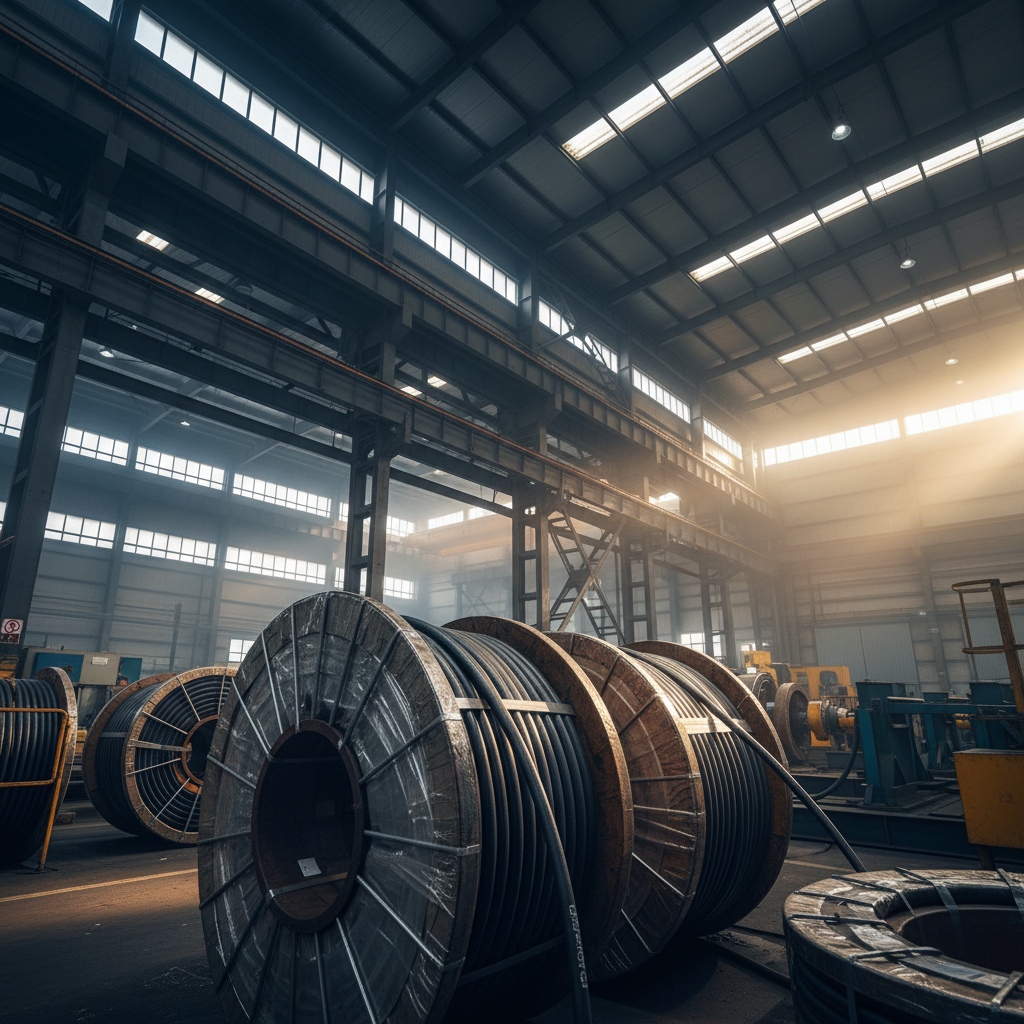
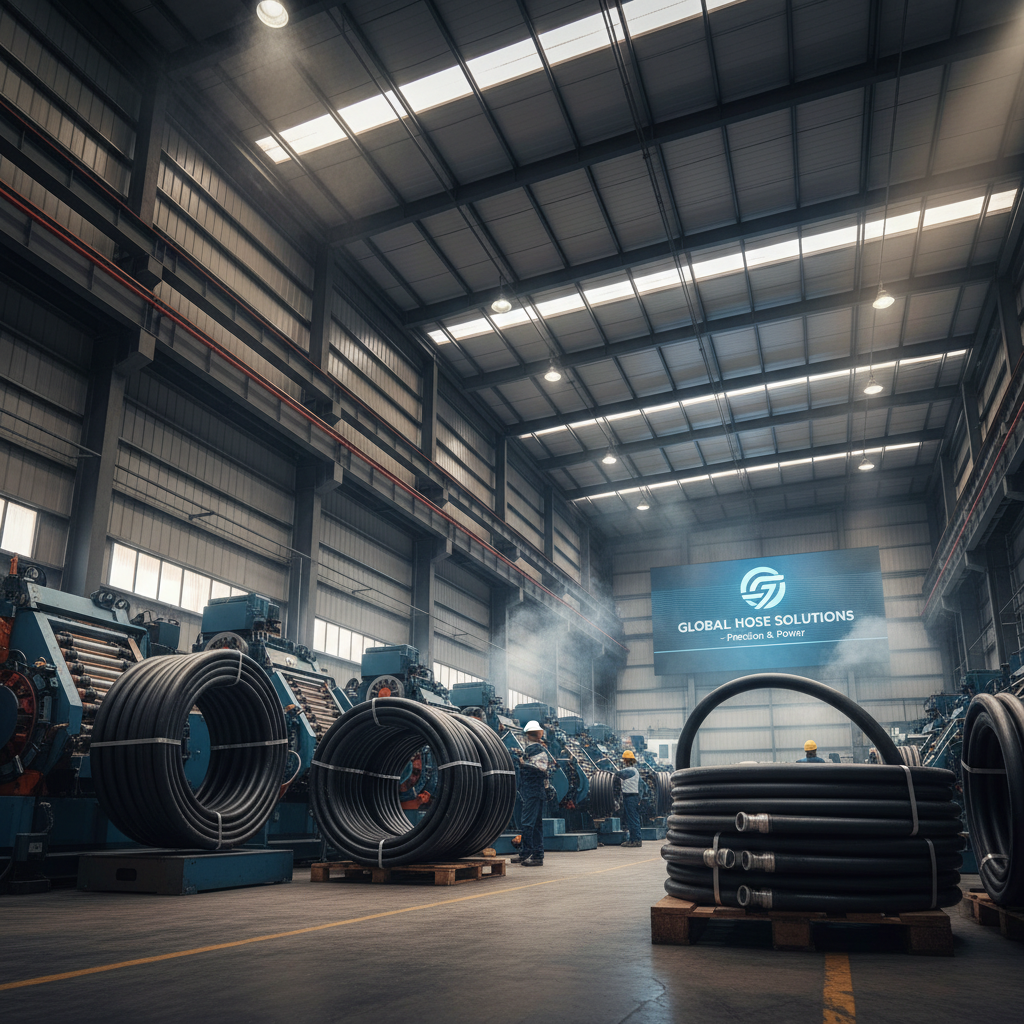
Hydraulic hose supplies are critical components in a vast array of industries, underpinning everything from heavy construction and agriculture to manufacturing and even aerospace. These aren’t simply rubber tubes; they’re engineered systems designed to safely and efficiently transmit fluid power. Understanding their specifications, applications, and maintenance is crucial for operational efficiency, worker safety, and minimizing costly downtime. The global demand for reliable hydraulic hose supplies continues to grow alongside industrial expansion and infrastructure development.
The importance of hydraulic hose supplies stems from their fundamental role in power transmission. They enable the operation of complex machinery, providing the force necessary for lifting, digging, pressing, and countless other applications. A failure in a hydraulic hose can halt production, create hazardous conditions, and result in significant financial losses. Therefore, choosing the right hose for the job and implementing preventative maintenance programs are paramount. hydraulic hose supplies are a necessary part of any robust and efficient hydraulic system.
The global market for hydraulic hoses is substantial and constantly evolving. Reports indicate a multi-billion dollar industry, with significant growth projected in emerging economies. Factors driving this growth include increased investment in infrastructure projects, rising demand for heavy machinery, and a growing awareness of the importance of safety and reliability. The availability of high-quality hydraulic hose supplies is therefore a key element in supporting economic development worldwide.
Introduction to Hydraulic Hose Supplies
Hydraulic hose supplies are more than just flexible conduits; they represent a critical link in the transmission of power and control within various systems. They are designed to withstand extreme pressures, temperatures, and abrasive conditions, all while maintaining the integrity of the fluid being transferred. Proper selection and installation are essential to ensure safe and reliable operation.
The quality of hydraulic hose supplies directly impacts the efficiency and longevity of the equipment they serve. Investing in high-grade hoses and fittings, coupled with regular inspection and maintenance, can significantly reduce the risk of failure and minimize costly downtime. hydraulic hose supplies are a vital investment for any operation relying on hydraulic power.
Defining Hydraulic Hose Supplies
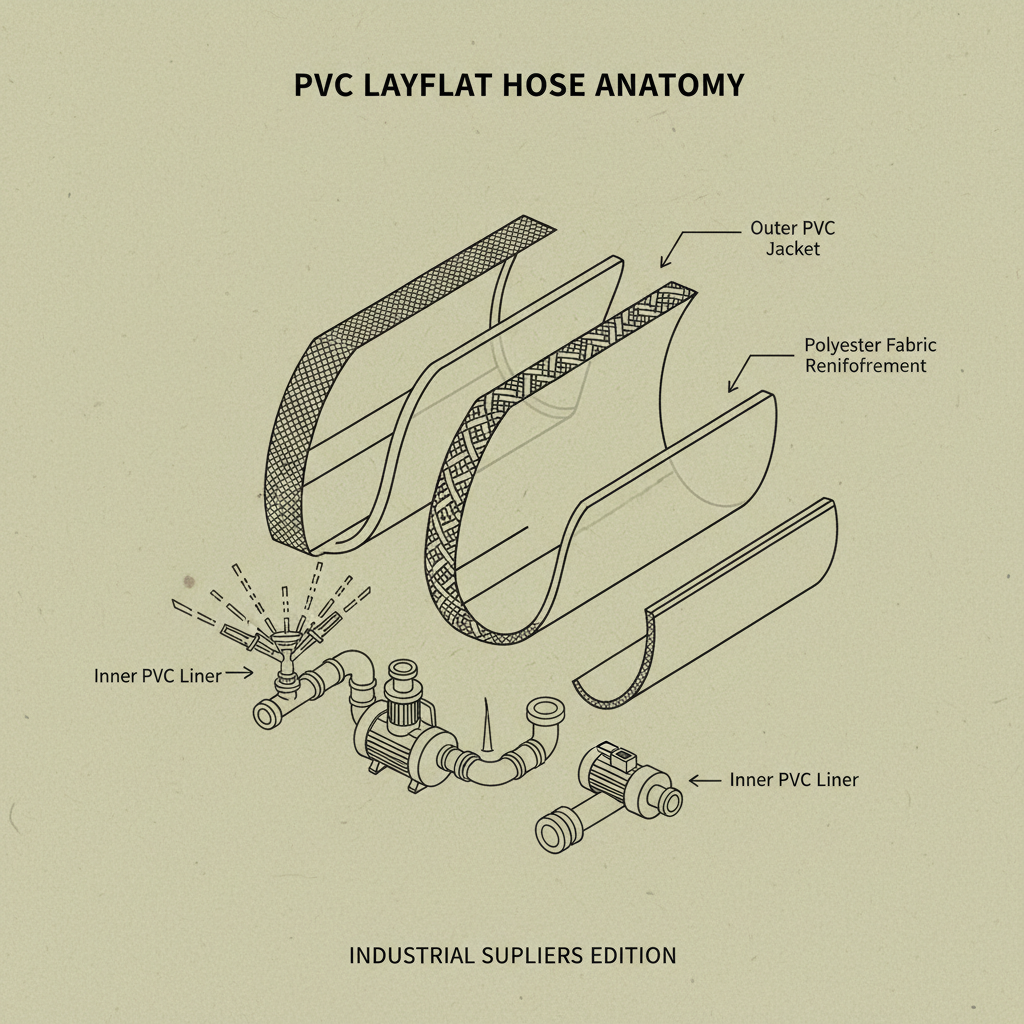
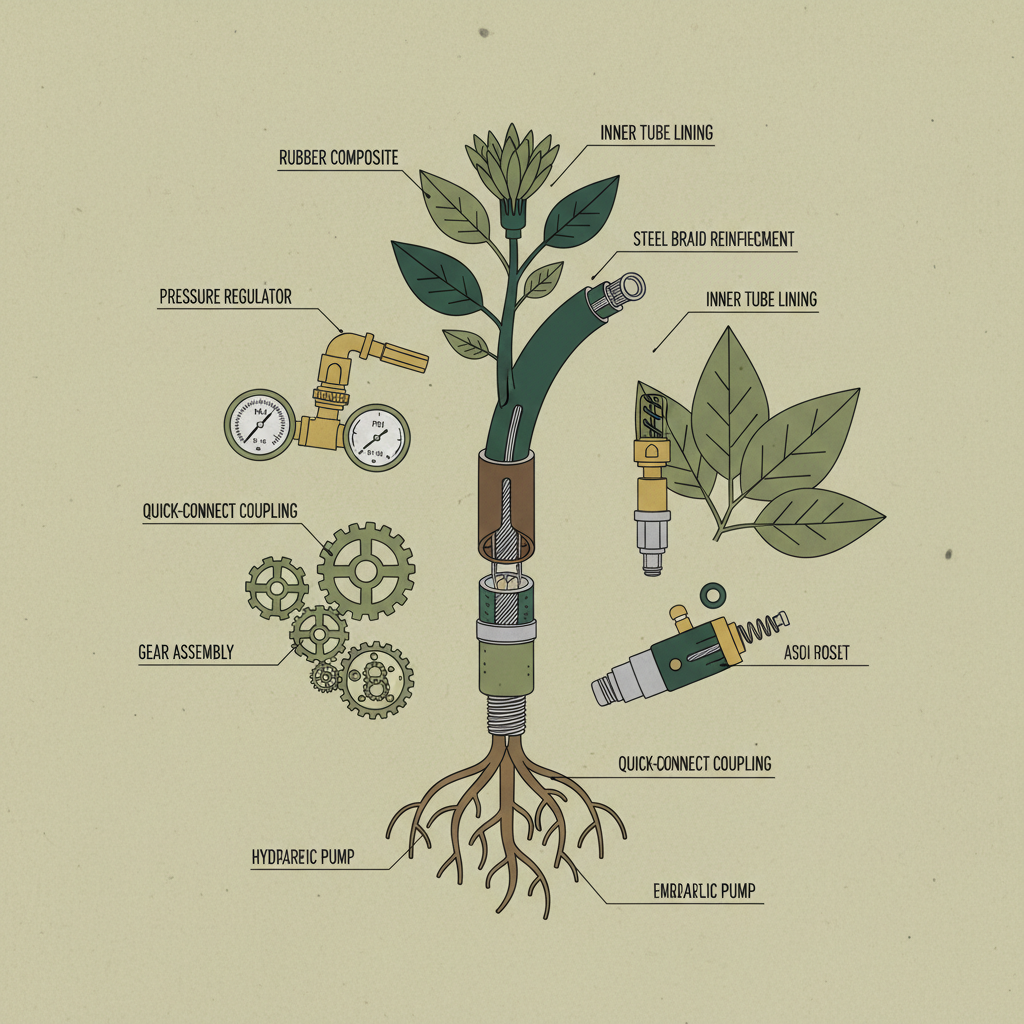
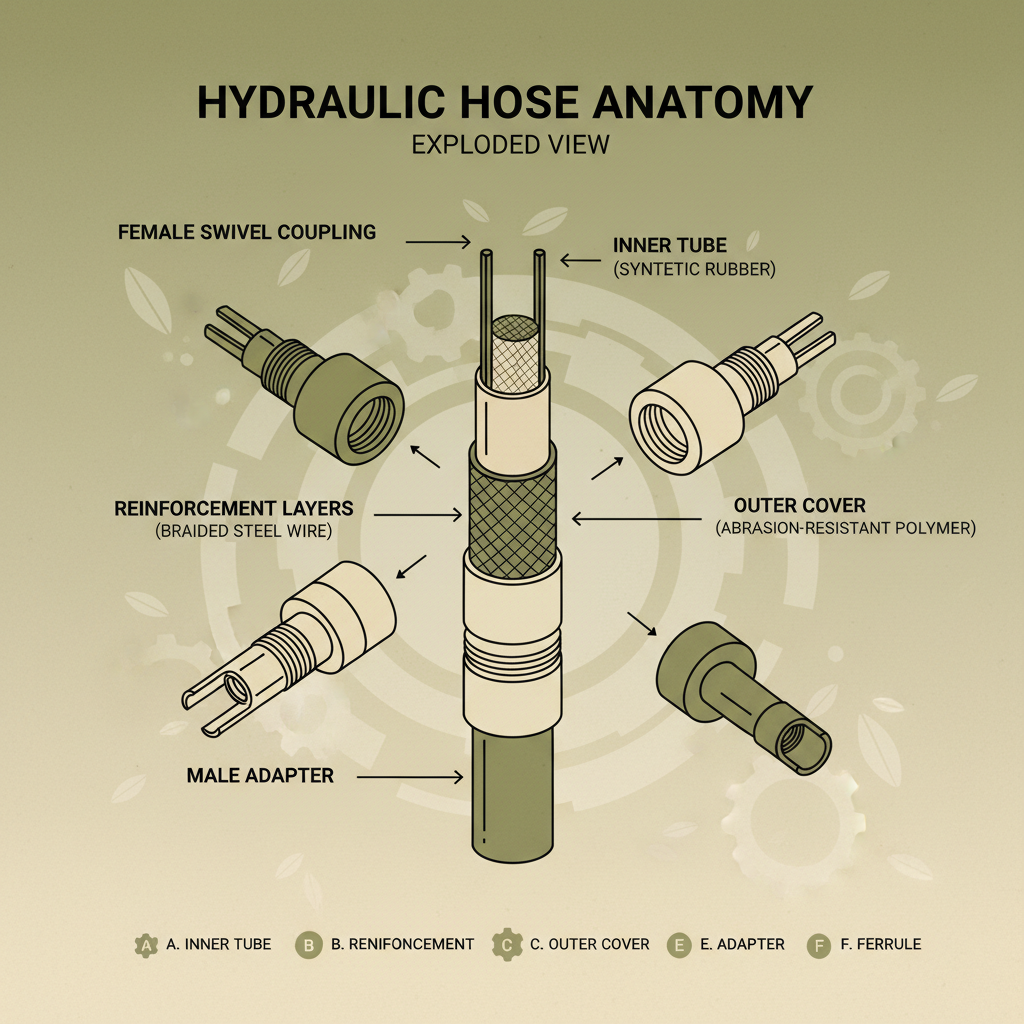
Hydraulic hose supplies encompass a wide range of components designed to transfer pressurized fluids to operate hydraulic machinery. This includes not just the hose itself – typically constructed from layers of rubber, reinforcement materials (like steel wire or textile braids), and an outer protective cover – but also the fittings, adapters, and clamps necessary for secure connections. These supplies are engineered to withstand significant pressure and operate safely within specific temperature ranges.
The connection to modern industry is undeniable. Hydraulic systems, reliant on these supplies, power everything from construction equipment and agricultural machinery to manufacturing processes and aerospace technologies. Even humanitarian efforts benefit, as hydraulic systems are essential in disaster relief operations, powering pumps, lifts, and other critical equipment.
Essentially, hydraulic hose supplies are the arteries of hydraulic systems, delivering the lifeblood – the pressurized fluid – that enables work to be done. Without them, many of the technologies we rely on daily would simply not function.
Core Components & Factors
Several key factors define the performance and suitability of hydraulic hose supplies. Durability is paramount, as hoses must resist abrasion, corrosion, and extreme temperatures. This is achieved through carefully selected materials and robust construction. Pressure Rating dictates the maximum pressure a hose can safely withstand, and choosing a hose with an adequate rating is crucial for safe operation.
Flexibility is another critical attribute, impacting ease of installation and routing, particularly in confined spaces. A hose that’s too stiff can be difficult to install and prone to kinking. Compatibility with the hydraulic fluid is also essential; incompatible materials can lead to hose degradation and system failure. Furthermore, Size and Length are determined by the specific application requirements, and proper sizing ensures optimal performance. Reinforcement type like spiral or braided further impacts performance characteristics.
Finally, Fitting Quality significantly impacts the overall reliability of the system. Poorly manufactured or incorrectly installed fittings are a common source of leaks and failures. Using high-quality fittings and ensuring proper installation techniques are vital for long-term performance. These elements, when considered holistically, define a reliable and effective hydraulic hose supply system.
Global Applications of Hydraulic Hoses
The applications of hydraulic hose supplies are incredibly diverse. In construction, they power excavators, bulldozers, cranes, and other heavy machinery. Agriculture relies heavily on hydraulic hoses for tractors, harvesters, and irrigation systems. Manufacturing utilizes them in injection molding machines, presses, and robotic arms.
In mining, hydraulic hoses are essential for powering drilling equipment and material handling systems. Aerospace employs them in flight control systems and landing gear. Even in more specialized fields like marine engineering and oil & gas, hydraulic hoses play a vital role in operating critical equipment.
Hydraulic Hose Performance by Method
Advantages and Long-Term Value
The advantages of utilizing high-quality hydraulic hose supplies extend far beyond simply keeping machinery running. From a cost perspective, investing in durable hoses reduces the frequency of replacements, minimizing downtime and associated repair costs. Sustainability is also a factor, as longer-lasting hoses contribute to less waste and a smaller environmental footprint.
The reliability of hydraulic systems directly impacts productivity and profitability. A robust hose supply minimizes the risk of unexpected failures, ensuring consistent operation and preventing costly delays. Safety is paramount; properly designed and maintained hoses prevent leaks and bursts, protecting workers and the environment. Finally, using trusted suppliers builds trust and provides peace of mind, knowing you’re receiving quality products and expert support.
Future Trends in Hydraulic Hose Technology
The future of hydraulic hose supplies is focused on innovation and sustainability. Smart hoses with integrated sensors are emerging, providing real-time data on pressure, temperature, and potential wear. This allows for predictive maintenance and minimizes the risk of catastrophic failures. Developments in material science are leading to lighter, stronger, and more durable hoses.
Furthermore, the industry is increasingly adopting eco-friendly materials and manufacturing processes to reduce its environmental impact. Integration with digital transformation initiatives, such as remote monitoring and data analytics, is also gaining traction, optimizing hose performance and extending service life. The adoption of these technologies will ensure hydraulic hose supplies are ready for the demands of modern industry.
Challenges & Innovative Solutions
Despite advancements, challenges remain. Hose degradation due to extreme conditions and fluid incompatibility is a persistent issue. Installation errors, often stemming from inadequate training, can lead to premature failure. Supply chain disruptions can impact availability and lead times.
Innovative solutions include the development of advanced hose coatings to enhance resistance to abrasion and corrosion. Improved training programs for technicians are crucial for ensuring proper installation and maintenance. Diversifying sourcing and implementing robust inventory management systems can mitigate supply chain risks. Finally, the adoption of 3D printing for custom hose fittings offers a flexible and cost-effective solution for specialized applications.
Addressing these challenges requires a collaborative effort between manufacturers, suppliers, and end-users, driven by a commitment to continuous improvement and innovation in hydraulic hose supplies technology.
Summary of Hydraulic Hose Supply Performance Metrics
| Hose Material |
Pressure Rating (PSI) |
Operating Temperature (°F) |
Expected Service Life (Years) |
| Rubber with Steel Wire Braid |
2000 |
-40 to 212 |
3-5 |
| Thermoplastic with Textile Braid |
1500 |
-65 to 250 |
4-6 |
| UHMWPE with Spiral Steel |
6000 |
-50 to 300 |
7-10 |
| Fluoropolymer with Stainless Steel |
5000 |
-70 to 450 |
8-12 |
| Synthetic Rubber with Aramid Fiber |
4000 |
-40 to 250 |
5-7 |
| Composite with Carbon Fiber |
8000 |
-60 to 350 |
10+ |
FAQS
Determining the correct pressure rating involves understanding the maximum pressure generated by the hydraulic system, adding a safety factor (typically 4:1), and selecting a hose with a working pressure exceeding that calculated value. It’s crucial to consider pressure spikes and surges that can occur during operation. Always consult the system's specifications and the hose manufacturer’s guidelines to ensure compatibility and safe operation. Proper hose selection is essential for preventing catastrophic failures and maintaining system integrity.
Regular inspection is vital for maintaining hydraulic system reliability. Hoses should be visually inspected before each use for signs of wear, such as cracks, abrasions, bulges, or leaks. A more thorough inspection, including checking fittings and connections, should be performed monthly, or more frequently in harsh operating environments. Keep a log of inspections to track hose condition and schedule replacements proactively. Don't forget to check the entire length of the hose, not just the visible sections.
Several factors can lead to hydraulic hose failure, including exceeding the pressure rating, improper installation, abrasion, exposure to extreme temperatures, fluid incompatibility, and age-related degradation. Kinking, twisting, and bending the hose beyond its recommended bend radius can also cause premature failure. Regular inspection and maintenance, along with proper hose selection and installation, can significantly reduce the risk of these failures.
Crimp fittings are generally considered the most reliable type of connection for hydraulic hoses. They provide a strong, permanent seal that minimizes the risk of leaks. However, proper crimping requires specialized equipment and trained personnel. Other fitting types, such as field-attachable fittings, offer convenience but may not provide the same level of reliability. Always ensure fittings are compatible with the hose and fluid being used.
Extreme temperatures – both high and low – can significantly reduce the lifespan of a hydraulic hose. High temperatures can cause the hose material to degrade and become brittle, while low temperatures can reduce flexibility and increase the risk of cracking. Choosing a hose specifically designed for the operating temperature range is crucial. Also, consider the effects of cyclic temperature changes, which can accelerate degradation.
Yes, there's increasing development in environmentally friendly hydraulic hose options. Biodegradable hydraulic fluids and hoses constructed from sustainable materials are emerging. While these alternatives may have limitations in certain applications, they offer a pathway towards reducing the environmental impact of hydraulic systems. Furthermore, extending hose lifespan through proper maintenance and choosing durable materials contributes to sustainability.
Conclusion
In conclusion, hydraulic hose supplies are integral components of countless industries, impacting efficiency, safety, and sustainability. Understanding their core characteristics, applications, and future trends is paramount for professionals relying on hydraulic power. Investing in high-quality hoses, implementing preventative maintenance programs, and staying abreast of technological advancements are key to maximizing performance and minimizing downtime.
Looking ahead, the industry will continue to evolve, driven by innovations in materials, sensor technology, and sustainable practices. By embracing these changes and prioritizing responsible hose management, we can ensure the continued reliability and longevity of hydraulic systems, contributing to a more efficient and sustainable future. For all your hydraulic hose supplies needs, visit our website today!