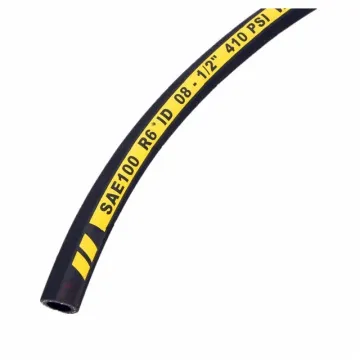
Rubber Pipe for Water Price: A Comprehensive Guide
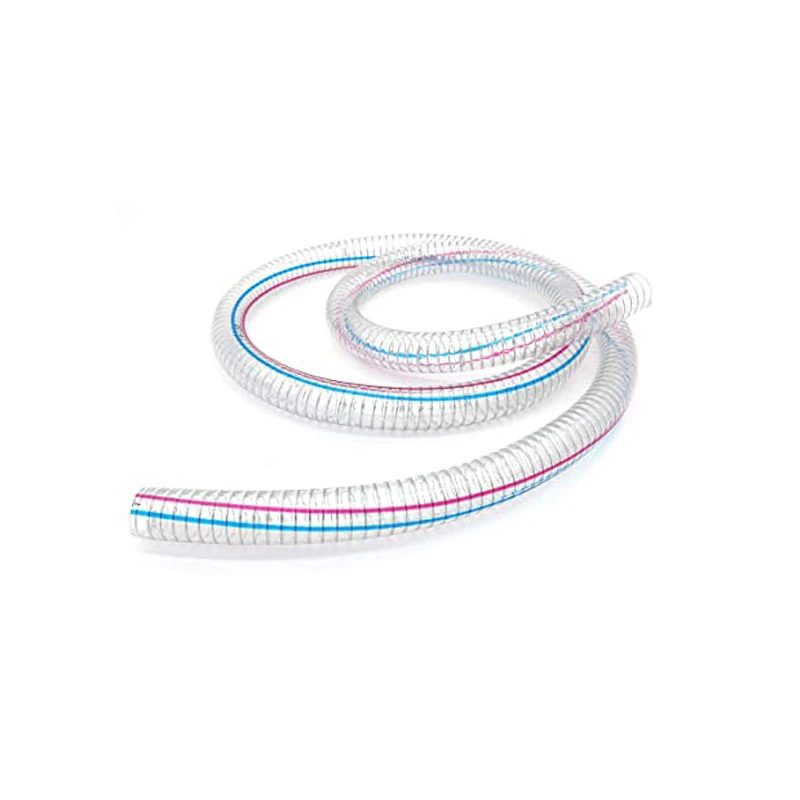
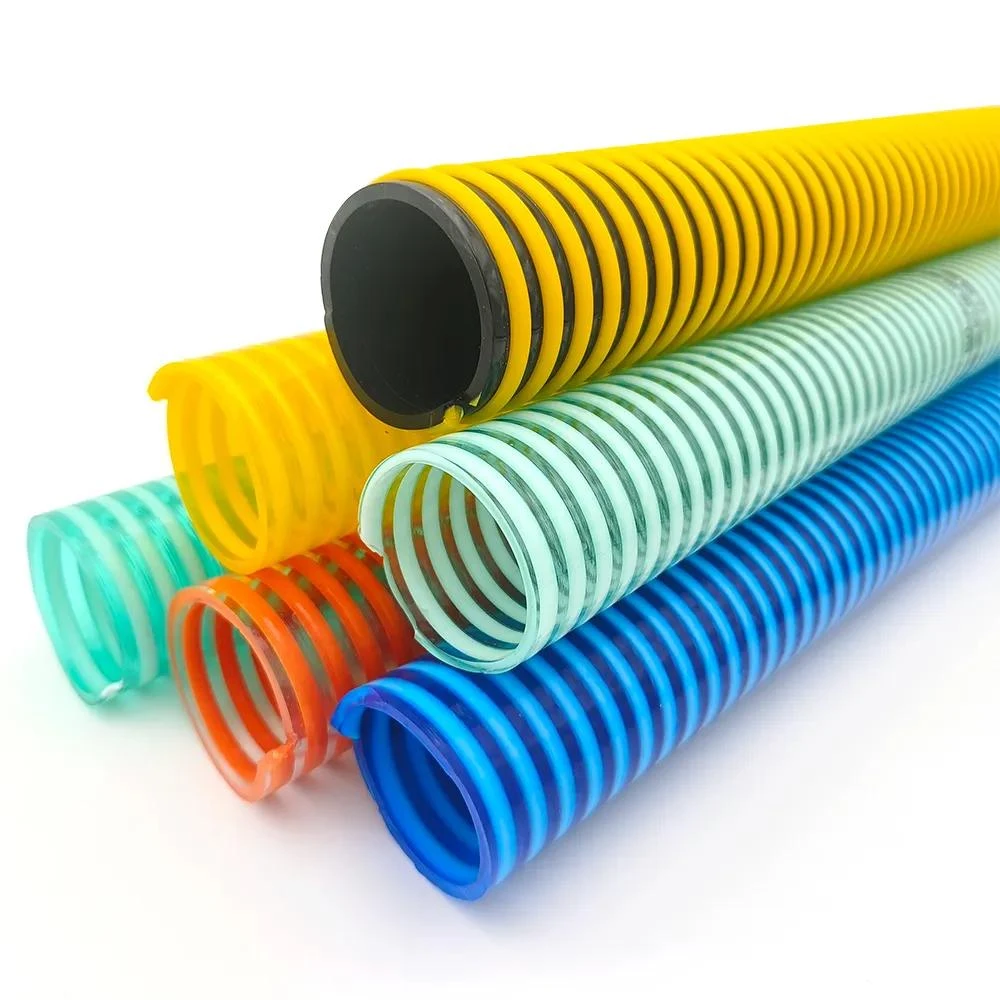
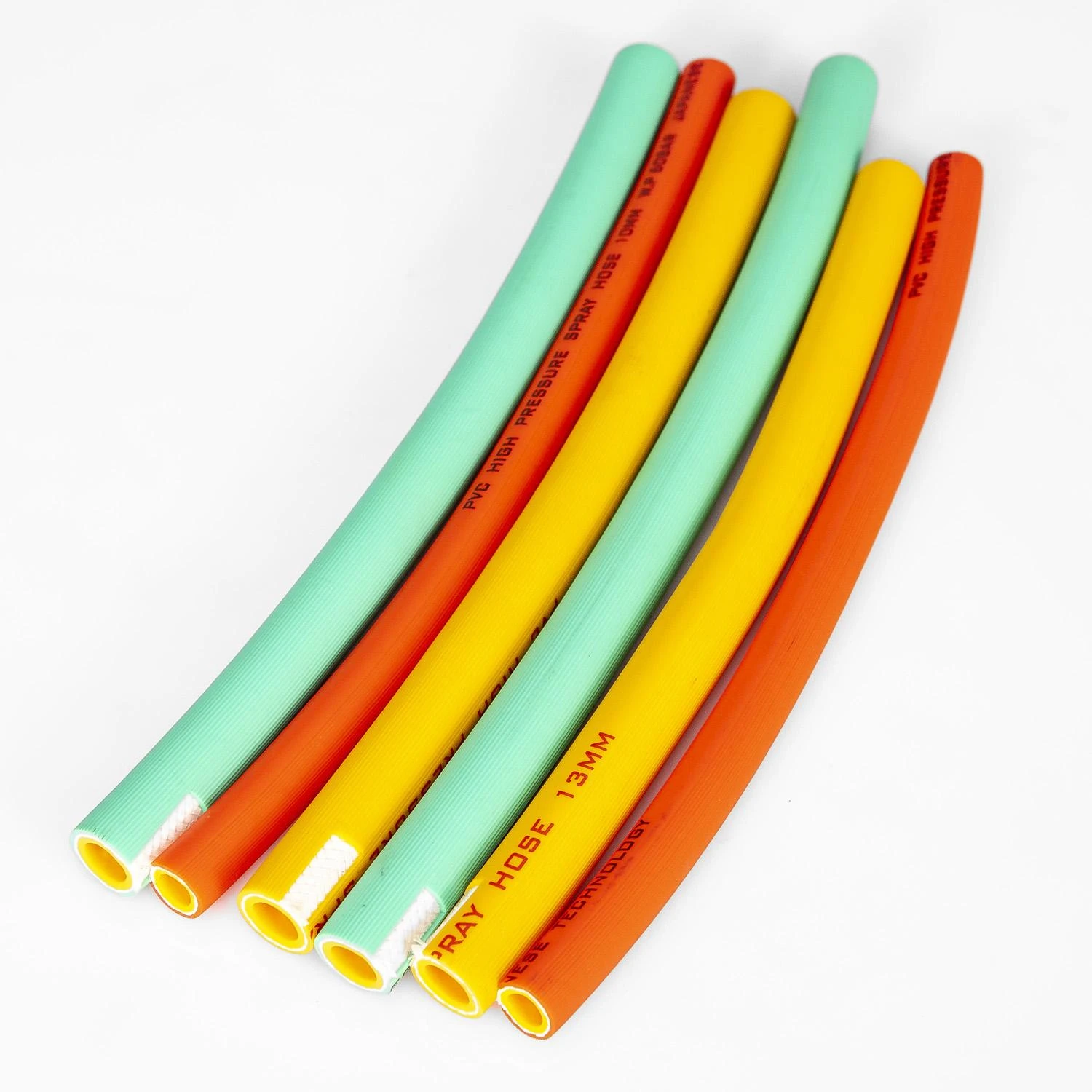
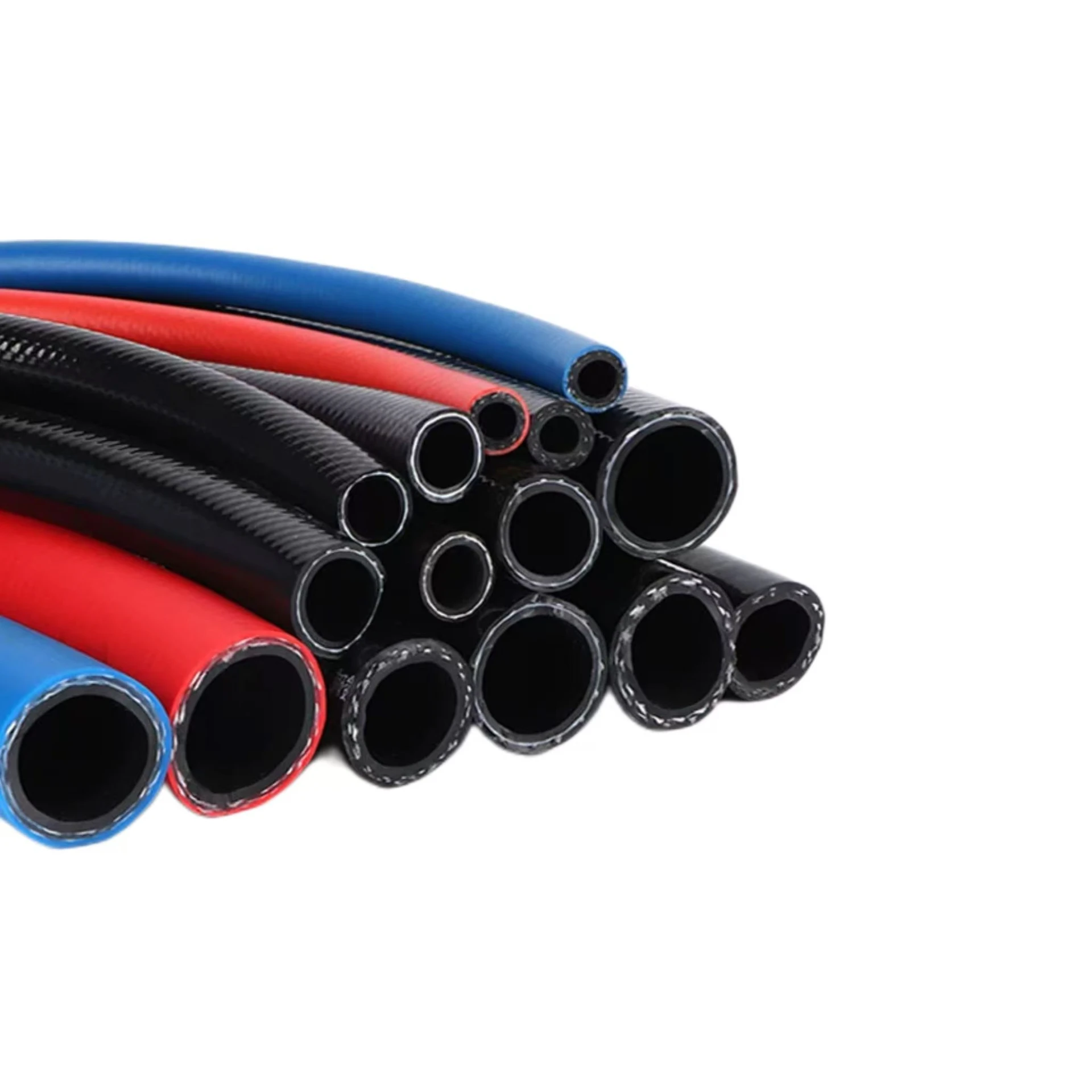
Finding the right rubber pipe for water involves understanding your specific needs and the market pricing. This guide provides a detailed overview of factors influencing price, different types of rubber pipes, and where to find the best deals. Whether you’re managing irrigation, construction, or industrial applications, choosing a quality pipe is crucial. We’ll explore options from ZSmartFlexHose and other leading suppliers to help you make an informed decision.
Factors Affecting Rubber Pipe for Water Price
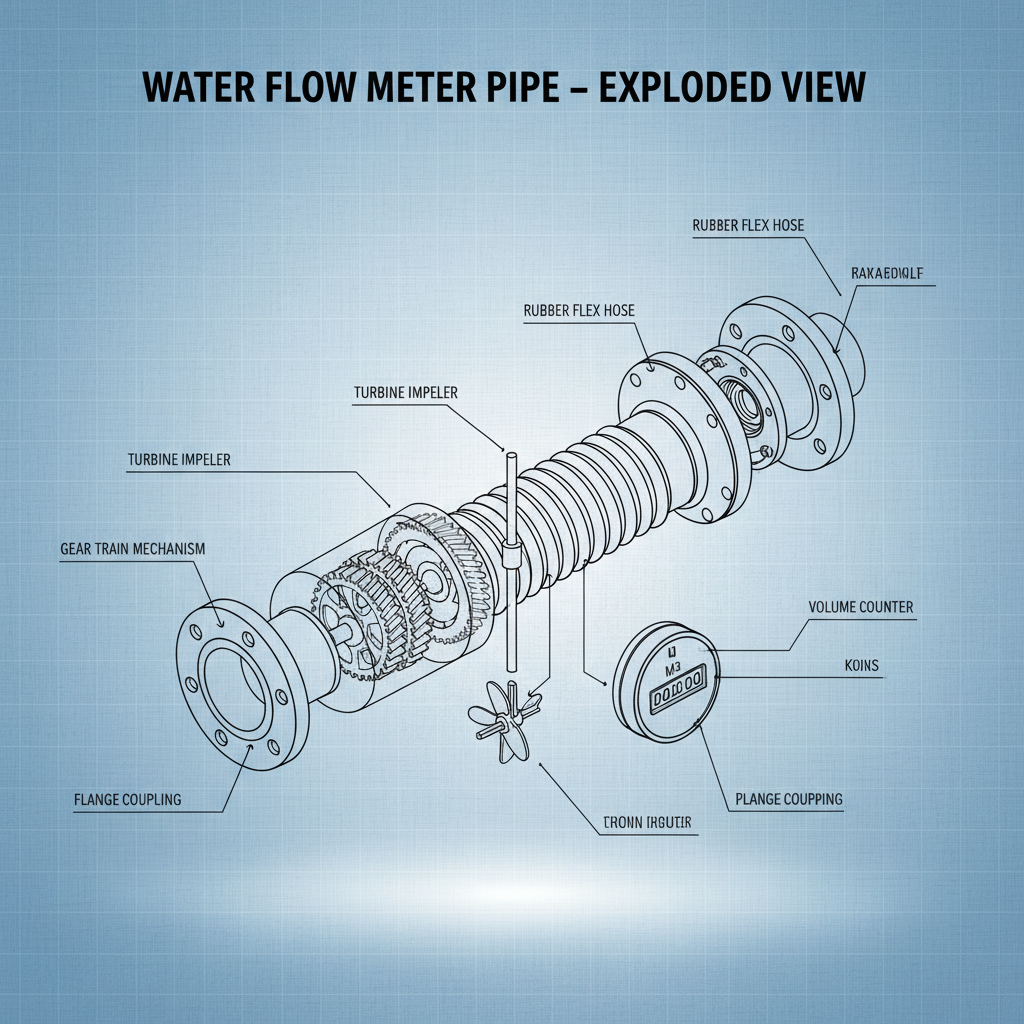
Several factors contribute to the price of rubber pipes designed for water applications. These include the material composition (natural rubber, synthetic rubber like EPDM, or a blend), the pipe’s diameter and wall thickness, its pressure rating, and the length required. Import duties and transportation costs also play a significant role, particularly for international buyers. Demand and supply dynamics influence pricing as well. Generally, specialized rubber formulations designed for harsh chemicals or high temperatures will command a higher price point. The manufacturing process and quality control measures undertaken by the supplier also impact the final cost.
Key Considerations: Material quality, pipe specifications, supplier reputation, and shipping costs all significantly affect the price. Thoroughly evaluate these factors to ensure you get the best value.
Types of Rubber Pipes for Water and Their Price Ranges
Different rubber compositions cater to varying water applications and come with diverse price tags. EPDM rubber pipes are popular for their excellent resistance to UV, ozone, and weathering, making them ideal for outdoor irrigation. Natural rubber pipes are generally less expensive but may not be suitable for all water types, especially those containing chlorine or oil-based contaminants. Nitrile rubber pipes offer good oil resistance, while silicone rubber pipes are best for high-temperature applications. The price per foot varies greatly depending on the type and specifications.
Rubber Pipe Type Comparison:
• EPDM: $0.50 - $2.00 per foot
• Natural Rubber: $0.30 - $1.50 per foot
• Nitrile Rubber: $0.75 - $2.50 per foot
• Silicone Rubber: $1.00 - $4.00 per foot
Rubber Pipe for Water Price: A Comparative Analysis
Understanding price variations between suppliers is critical. Direct manufacturers like ZSmartFlexHose often offer more competitive pricing than distributors due to reduced overhead. However, distributors may provide better customer support and faster delivery times. It's important to request quotes from multiple sources and compare not just the price per foot but also shipping costs, minimum order quantities, and warranty terms. Consider the long-term cost of ownership, factoring in pipe lifespan and maintenance requirements.
Selecting the Right Rubber Pipe: Considerations Beyond Price
While price is a significant factor, it shouldn’t be the sole determinant. Consider the water's pH level, temperature, and potential contaminants. EPDM is often preferred for potable water systems due to its non-toxic nature. The pipe’s pressure rating must match or exceed the system’s operating pressure to prevent leaks and failures. Also, examine the pipe's flexibility and ease of installation. ZSmartFlexHose offers various custom options to tailor the pipe to your specific needs.
Where to Find Competitive Rubber Pipe for Water Prices
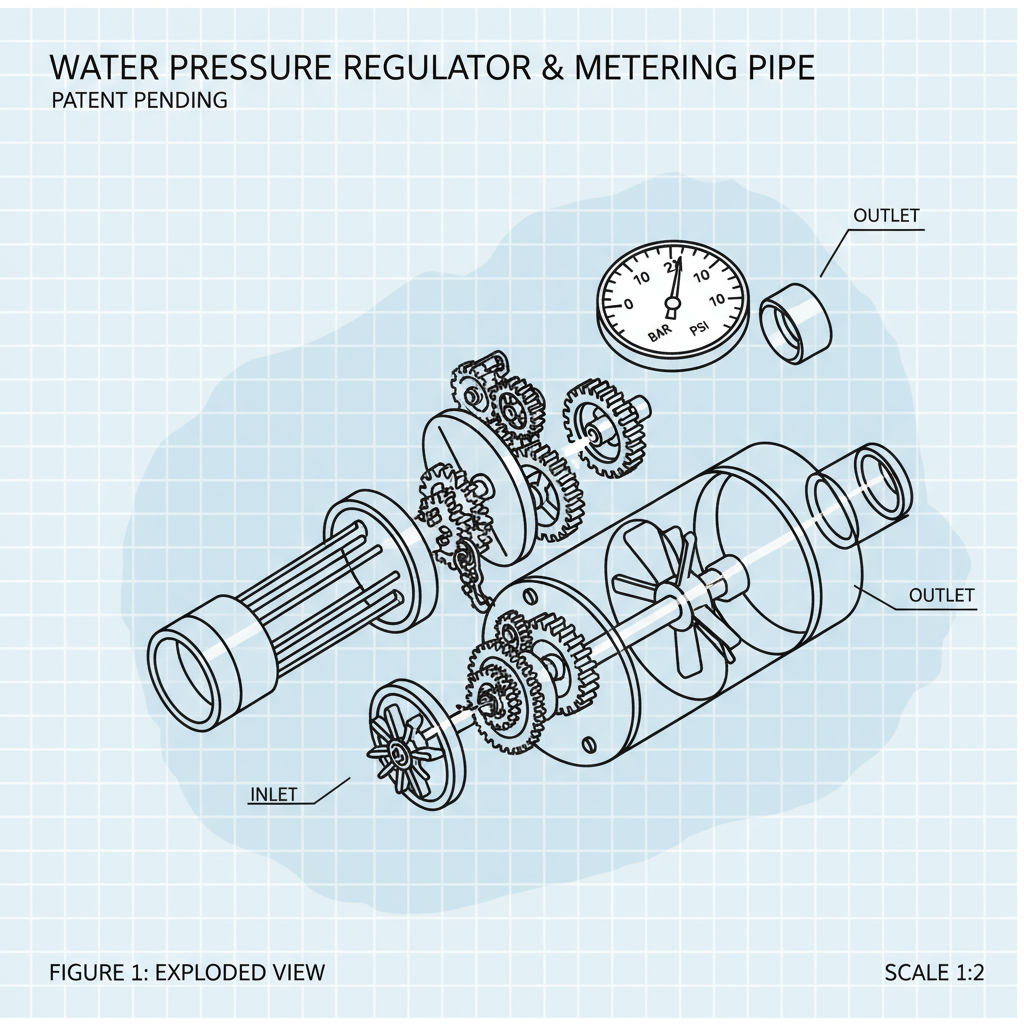
Online marketplaces like Alibaba and industry-specific platforms can offer a wide range of options, but verifying supplier credibility is vital. Direct contact with manufacturers like ZSmartFlexHose often yields the most competitive pricing and customization opportunities. Trade shows and industry events also provide valuable networking opportunities and potential discounts. Remember to compare quotes and negotiate prices to secure the best deal.
Conclusion: Finding Value in Rubber Pipe for Water
Ultimately, the best rubber pipe for water balances price, quality, and suitability for your specific application. By carefully considering your needs, comparing suppliers, and prioritizing long-term value, you can make an informed decision that ensures reliable and cost-effective performance. Don't hesitate to reach out to experts like those at ZSmartFlexHose for guidance and customized solutions.
Frequently Asked Questions (FAQs)
What is the typical lifespan of a rubber pipe used for water?
The lifespan of a rubber pipe for water varies depending on several factors, including the type of rubber, water quality, operating pressure, and exposure to sunlight and extreme temperatures. Generally, EPDM rubber pipes can last 10-20 years under optimal conditions. Natural rubber pipes typically have a shorter lifespan, around 5-10 years, unless specifically formulated for extended durability. Regularly inspecting the pipe for cracks, leaks, or signs of degradation is crucial for determining its remaining lifespan. Maintaining proper water treatment and avoiding excessive pressure can also significantly extend its service life.
How do I determine the correct diameter rubber pipe for my application?
Determining the correct diameter requires considering the flow rate, distance the water needs to travel, and pressure drop requirements. A smaller diameter pipe will result in higher friction loss and reduced flow, while a larger diameter may be unnecessarily expensive. Using hydraulic calculation tools or consulting with a plumbing professional can help you accurately size the pipe. Factors like the number of bends and fittings also affect flow rate and need to be accounted for. It’s best to err on the side of a slightly larger diameter to ensure adequate flow without sacrificing excessive pressure.
Are rubber pipes suitable for hot water applications?
The suitability of rubber pipes for hot water depends on the rubber composition. Natural rubber and EPDM can handle moderately warm water, but prolonged exposure to high temperatures can cause degradation and shorten the pipe’s lifespan. Silicone rubber pipes are specifically designed for high-temperature applications and are the preferred choice for hot water systems. Always check the manufacturer’s specifications to ensure the pipe is rated for the intended temperature range. Using the wrong type of rubber can lead to leaks, failures, and potential safety hazards.
Z-Smartflex delivers superior-quality industrial hoses and fittings with global reliability, offering you durable solutions and exceptional service for all your fluid transfer needs.