Understanding the 3 Inch ID Rubber Hose: Essential Insights & Global Relevance
When we talk about industrial equipment that quietly holds together entire operations across manufacturing sites, agriculture, and disaster relief zones, the 3 inch id rubber hose consistently pops up as a surprisingly humble but vital hero. If you’re wondering why it matters globally, here’s the scoop: these hoses are fundamental to fluid transportation — be it water, chemicals, or fuels — across countless industries worldwide. Understanding their specs, use cases, and future prospects is key to ensuring reliability and sustainability in critical systems everywhere.
Introduction: The Global Importance of a 3 Inch ID Rubber Hose
Oddly enough, such a simple component holds a big place in industry and humanitarian efforts geographically spanning from remote industrial zones in Africa to bustling petrochemical complexes in Southeast Asia. According to ISO standards on flexible hoses (ISO 1307), ensuring standardisation in hose manufacturing isn’t just bureaucracy—it’s about safety and efficiency in handling fluids globally. As industries shift toward automation and environmental consciousness, the demand for robust yet adaptable hose solutions like the 3 inch ID rubber hose has surged, especially in emerging markets that are ramping up infrastructure.
The challenge these hoses solve is pretty straightforward but critical — how to get a dependable connection for liquids through pipes in volatile environments without leaks or rapid wear. That might sound mundane, but the ripple effects of failure can be catastrophic: production halts, environmental hazards, and safety risks. For these reasons, firms that understand the nuances of 3 inch ID rubber hoses are better equipped to mitigate these risks.
What Exactly Is a 3 Inch ID Rubber Hose?
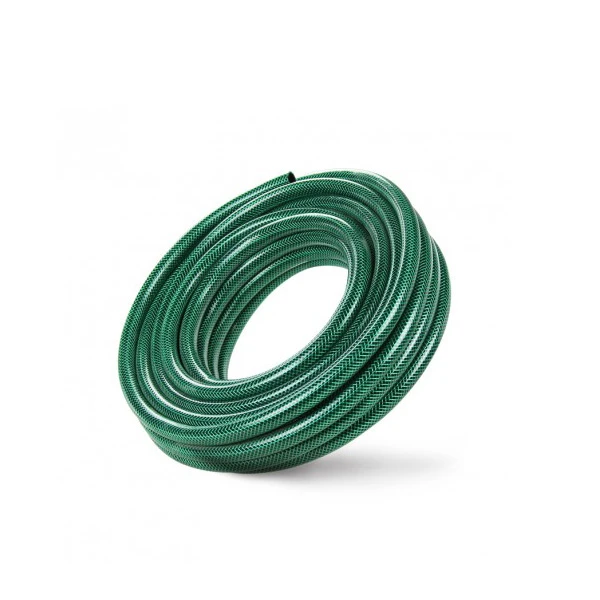
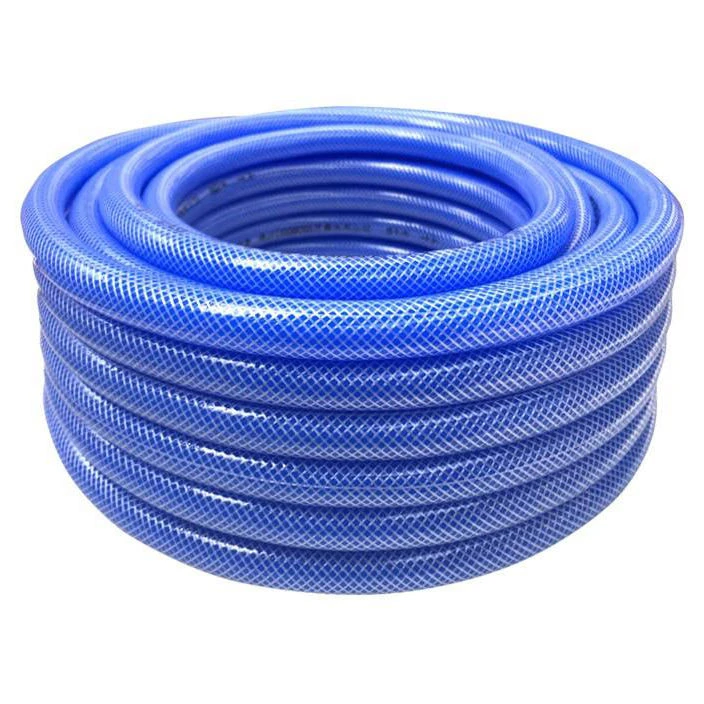
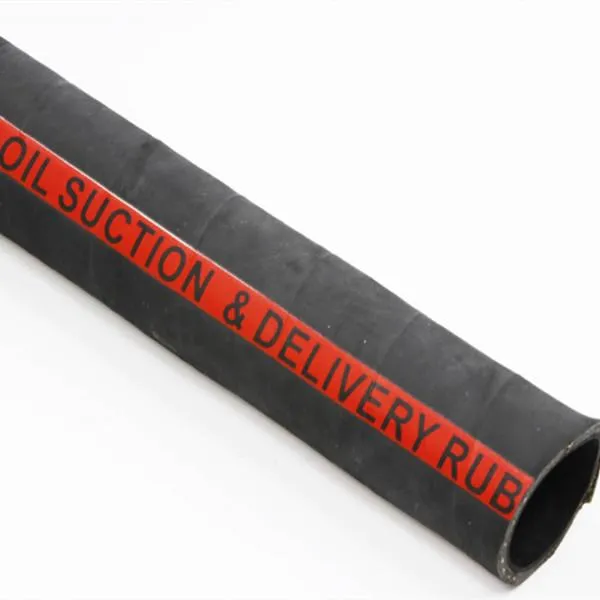
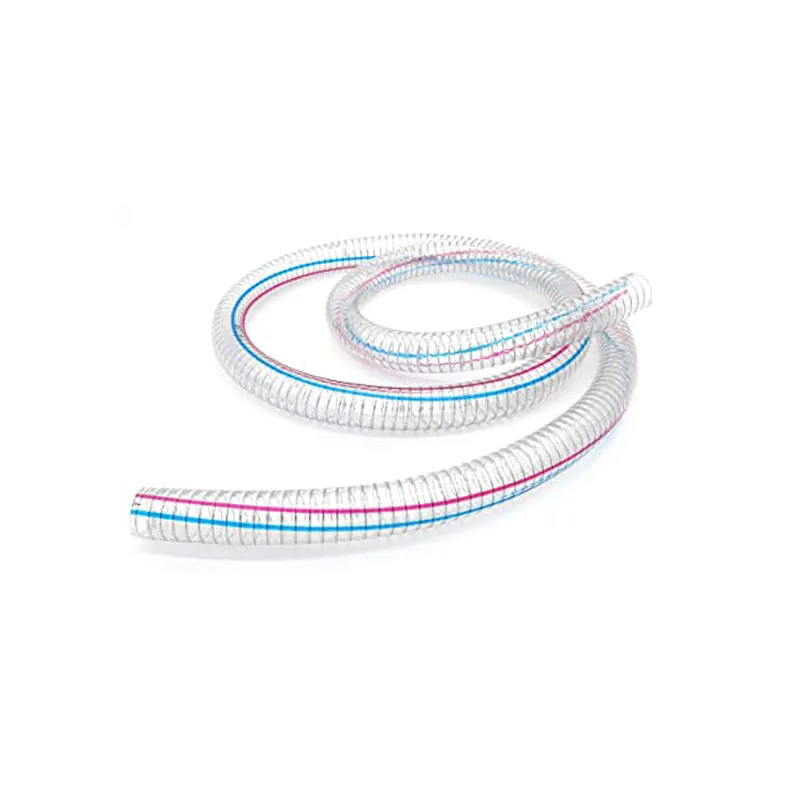
In the simplest terms, a 3 inch ID (inside diameter) rubber hose is a flexible conduit designed to transport fluids or gases with a nominal internal diameter of approximately 3 inches (about 76 mm). The “rubber” here often points to synthetic elastomers like EPDM or nitrile rubber, prized for their elasticity, chemical resistance, and durability.
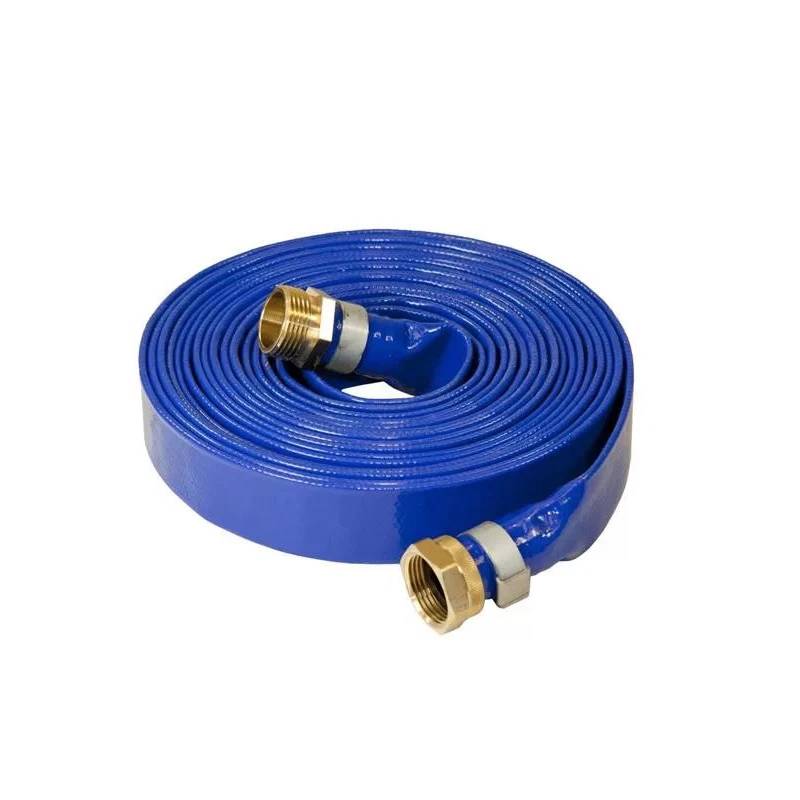
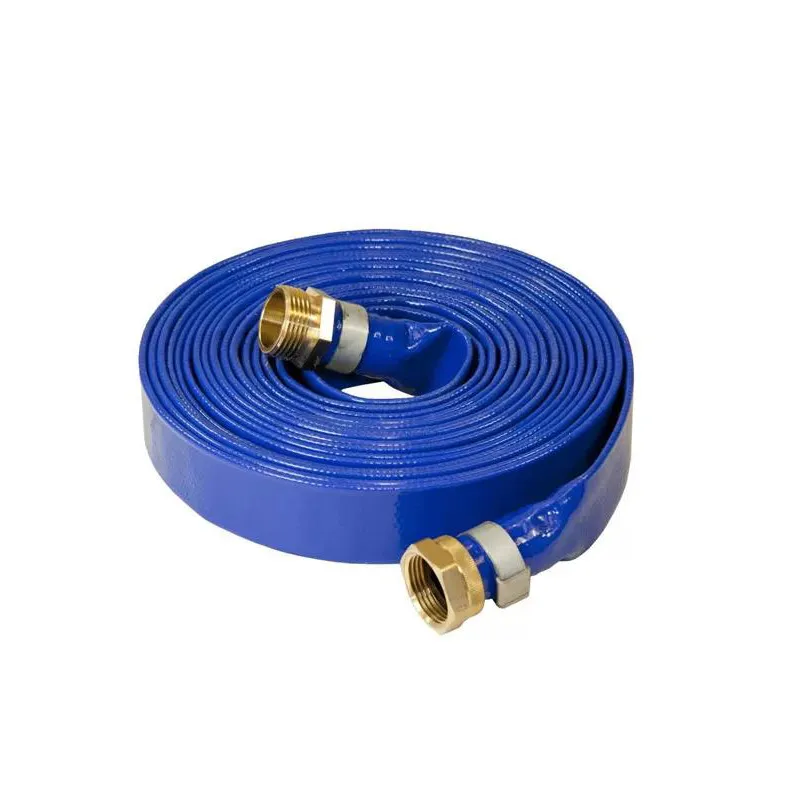
These hoses connect pumping systems to pipelines, machinery, or storage tanks and serve in both industrial and humanitarian contexts — think firefighting, irrigation, or emergency water supply in disaster relief operations. They’re like the arteries of fluid transfer, where the right size and material choice can literally keep processes alive and kicking.
Key Factors or Core Components of 3 Inch ID Rubber Hoses
1. Durability & Material Composition
High-quality rubber compounds resist abrasion, ozone, UV rays, and a wide range of chemicals, extending hose lifespan under harsh conditions. The internal tube material must chemically suit the fluid type to avoid degradation.
2. Pressure and Temperature Ratings
Different applications demand hoses to operate reliably from low vacuum pressures up to several bar of positive pressure — for example, petrochemical transfer hoses might tolerate 10 bar, while irrigation hoses often deal with less. Temperature varies too, roughly from -40°C to +120°C depending on materials.
3. Flexibility & Bend Radius
Practical deployment often requires serpentine routing. A hose that’s tough but too stiff limits usability. The 3 inch ID rubber hose strikes a balance, generally enabling manageable bending without kinking or bursting, which is crucial on cramped industrial sites.
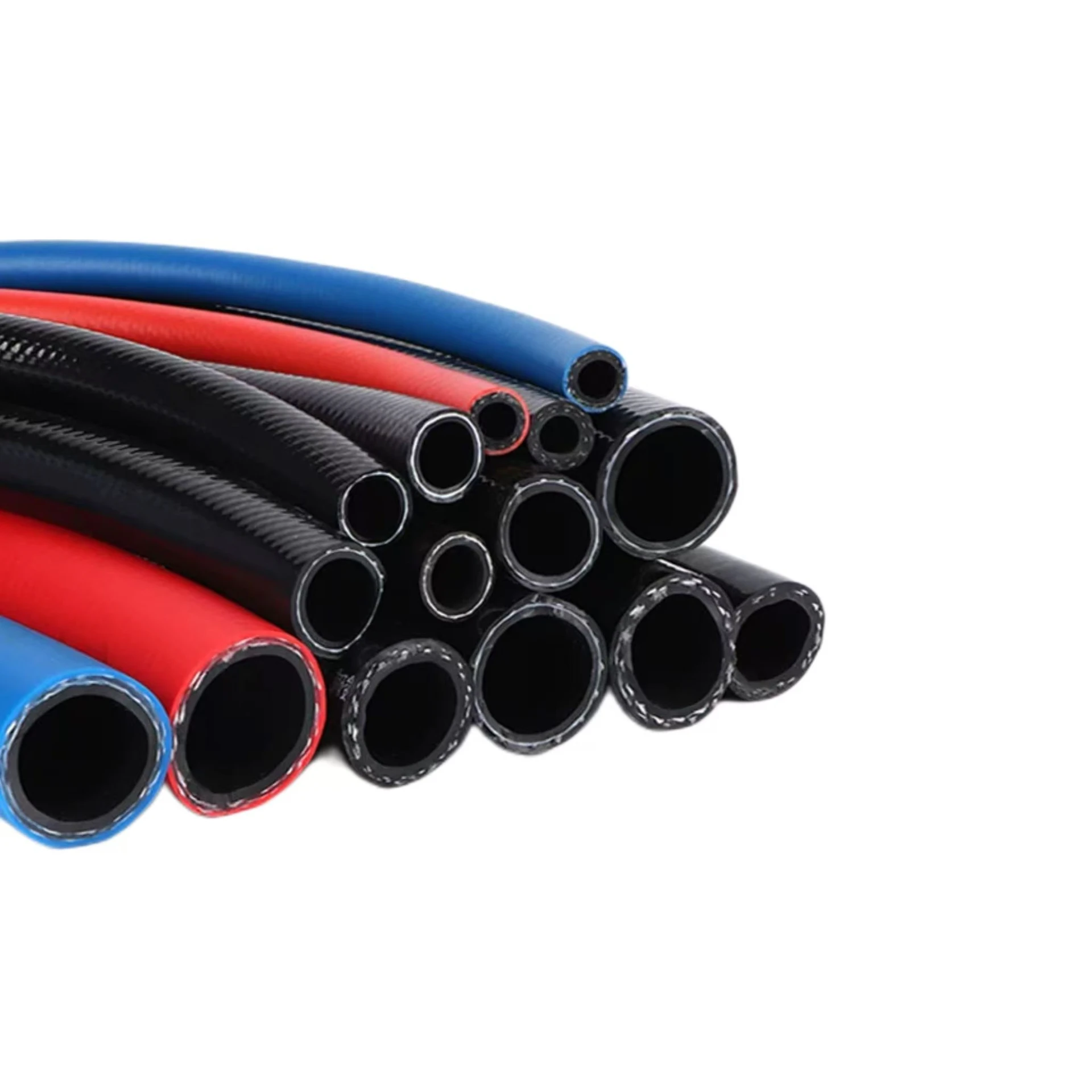
4. Reinforcement Layers
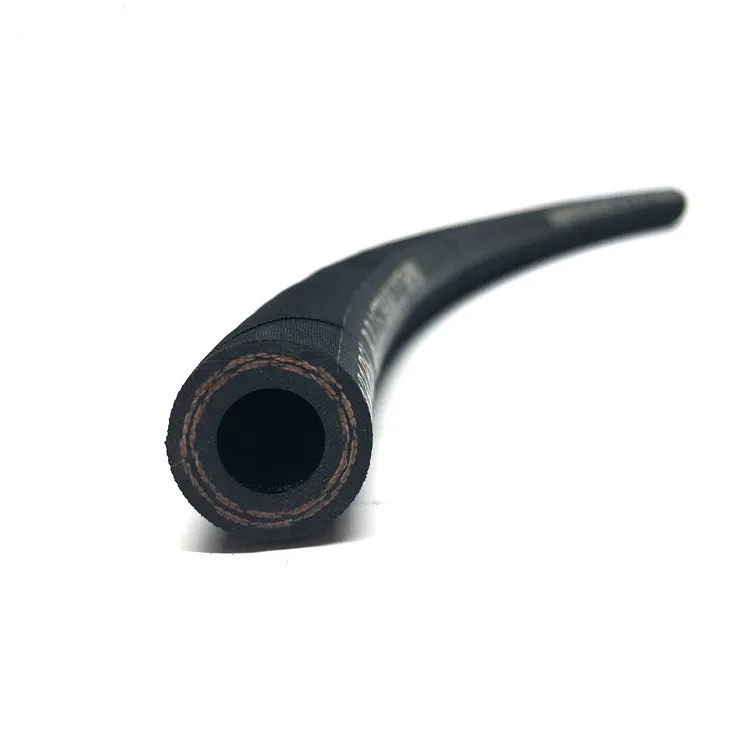
Many hoses include textile or steel cord reinforcements to boost strength, allowing higher operational pressures and improved longevity while handling dynamic movement.
5. Cost Efficiency
This is the balancing act: you want something durable and reliable but also don’t want to overspend on over-engineered specs — which is a real risk when buying in bulk for large projects.
Product Specifications Snapshot
| Specification | Typical Values |
|---|---|
| Inside Diameter | 3 inches (76 mm) |
| Material | EPDM/Nitrile Rubber |
| Temperature Range | -40°C to +120°C |
| Max Pressure | Up to 15 bar |
| Reinforcement | Synthetic textile/steel cords |
| Common Applications | Water supply, fuel transfer, chemical handling |
Mini takeaway: The 3 inch ID rubber hose is a versatile, tested solution ably balancing pressure tolerance, durability, and flexibility for multiple industrial demands.
Global Applications & Use Cases
The use of 3 inch ID rubber hoses transcends industries and geographies. In Southeast Asia’s booming agriculture sector, these hoses facilitate irrigation systems vital to food security. In emergency humanitarian logistics, agencies deploy them for rapid water delivery after natural disasters — floods or earthquakes — where infrastructure is compromised. Oddly enough, even in remote mining operations nestled in African savannahs, these hoses reliably transport slurry and other fluids where rigid piping is impractical.
Industrial applications include fuel transfer in oil refineries, chemical delivery in manufacturing, and wastewater management. Their flexibility means companies can easily adapt layouts as plants expand or processes shift.
Consider also their role in municipal waterworks and firefighting teams: when speed and dependability are critical, a 3 inch inside diameter hose just fits the bill perfectly.
Vendor Comparison: Leading Suppliers of 3 Inch ID Rubber Hoses
| Vendor | Material Options | Max Pressure | Typical Lead Time | Price Range (USD per meter) |
|---|---|---|---|---|
| ZSmart Flex Hose | EPDM, Nitrile, SBR | 15 bar | 1-2 weeks | $8 - $12 |
| Alpha Hose Inc. | Nitrile, Neoprene | 12 bar | 2-4 weeks | $9 - $14 |
| Global Rubber Hoses | EPDM, PVC blends | 10 bar | 3-5 weeks | $7 - $11 |
Advantages & Long-Term Value of the 3 Inch ID Rubber Hose
- Cost-effective longevity: Durable materials lower replacement rates, saving budgets over time.
- Environmental sustainability: Many hoses now use recyclable components or biodegradable covers.
- Reliability under stress: Resistance to chemicals and weathering ensures safer operations.
- Improved safety and trust: Reduced leaks and ruptures protect workers and ecosystems.
Frankly, beyond specs and prices, it’s about peace of mind — knowing your hose isn’t the weak link.
Future Trends & Innovations
The industry is leaning toward eco-friendly materials that don’t sacrifice durability, inspired partly by ISO’s environmental guidelines. Innovations include bio-based rubbers and smart hoses with embedded sensors to monitor pressure and wear in real-time, feeding data into automated maintenance systems. Oddly enough, this digital transformation in hose tech promises to reduce downtime dramatically.
Increased demand for renewable energy infrastructure is also shaping hose design, necessitating compatibility with more diverse fluids under varied temperatures.
Challenges & Solutions in Using 3 Inch ID Rubber Hoses
Common hurdles involve abrasion from external environments, chemical incompatibilities, and logistical delays in delivery. However, expert-tested coatings and customized reinforcements are bridging those gaps. Sourcing from reputable vendors like ZSmart Flex Hose with ISO-certified quality management also mitigates risks substantially.
FAQ: Frequently Asked Questions About 3 Inch ID Rubber Hose
- Q: What should I consider when choosing a 3 inch ID rubber hose for chemical transfer?
- A: Always verify the chemical compatibility of the hose’s internal tube with your specific fluid. Materials like nitrile are often preferred for oil-based liquids, while EPDM handles water and mild acids well. Pressure and temperature ratings should align with your system requirements.
- Q: How often should a 3 inch ID rubber hose be inspected for wear?
- A: Regular inspections every 6 to 12 months are advisable, especially in harsh environments to spot abrasion, cracks, or leaks early. Deployment frequency and operating conditions can require more frequent checks.
- Q: Can I use a 3 inch rubber hose outdoors year-round?
- A: Generally yes, if the hose uses UV-resistant materials like EPDM. However, extreme cold or heat can affect flexibility, so consult the hose's temperature rating and consider protective covers for extended exposure.
- Q: Is a 3 inch ID rubber hose suitable for high-pressure pumping?
- A: Many 3 inch hoses can handle pressures up to 15 bar, but confirm max pressure specs for your model. Reinforced hoses provide greater strength necessary for higher pressures.
Conclusion & Call to Action
To sum it up, the 3 inch ID rubber hose is more than just tubing; it’s a lynchpin of fluid transport reliability worldwide — delivering not only liquids but also innovation and safety. Its versatility and ever-advancing design make it indispensable in countless industries and humanitarian missions alike. If you’re poised to source these hoses — or just curious to learn more — I recommend visiting our website for detailed product info, expert advice, and tailored solutions to fit your needs.
Takeaway: Choosing the right 3 inch rubber hose might feel like a small step, but it’s a giant leap for operational safety and sustainability.
References:
1. ISO 1307 Flexible hoses - Standard specifications. ISO.org
2. UN Water reports on water infrastructure and disaster relief UNWater.org
3. World Bank Infrastructure data and global industrial trends WorldBank.org
Z-Smartflex delivers superior-quality industrial hoses and fittings with global reliability, offering you durable solutions and exceptional service for all your fluid transfer needs.