Choosing the Right Rubber Pipe for Water 1 Inch: A Comprehensive Guide
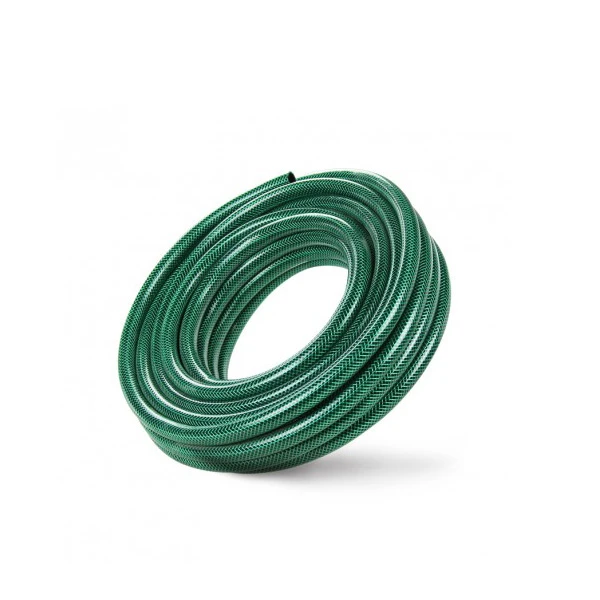
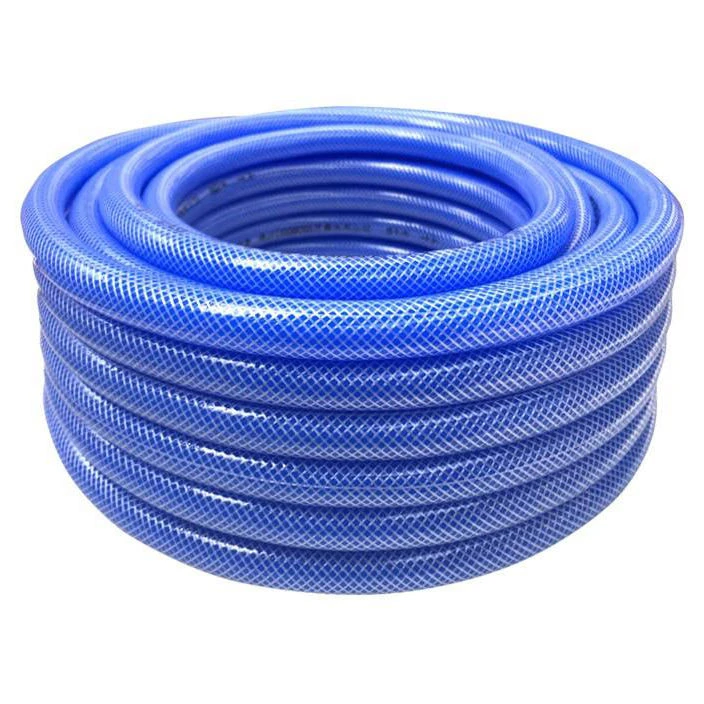
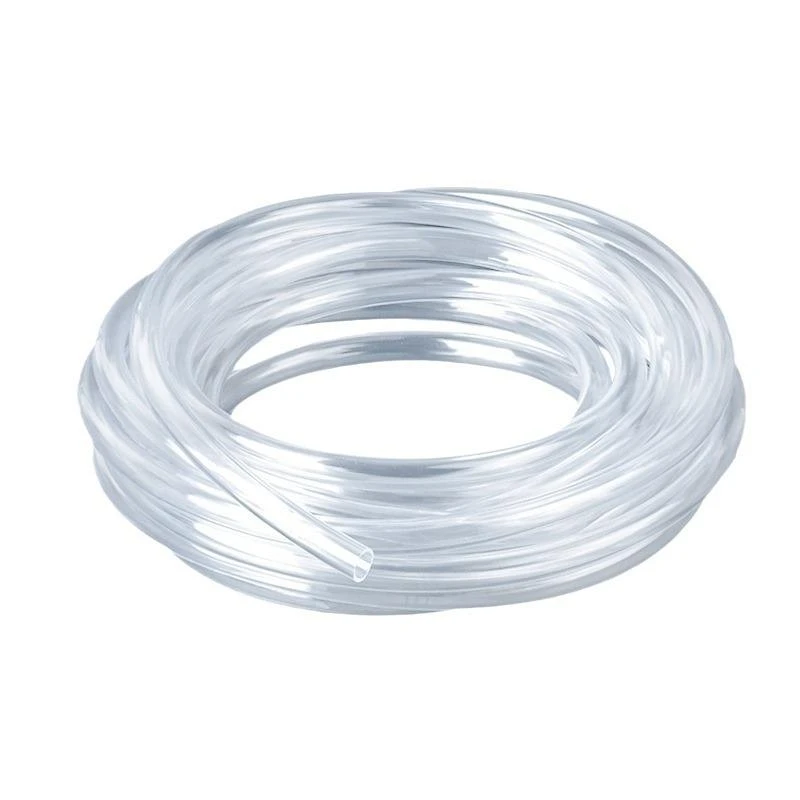
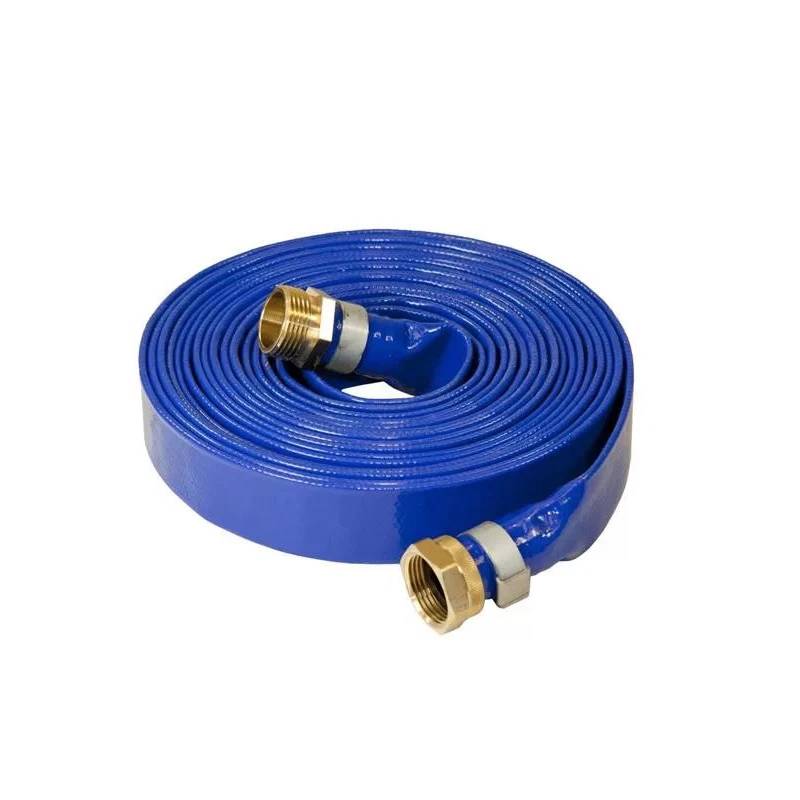
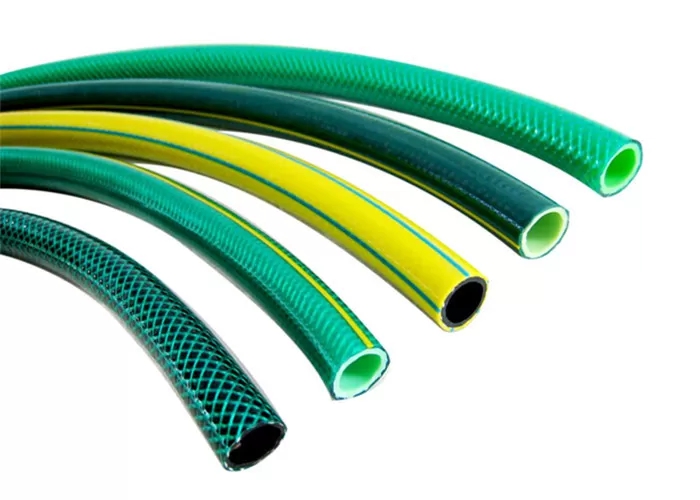
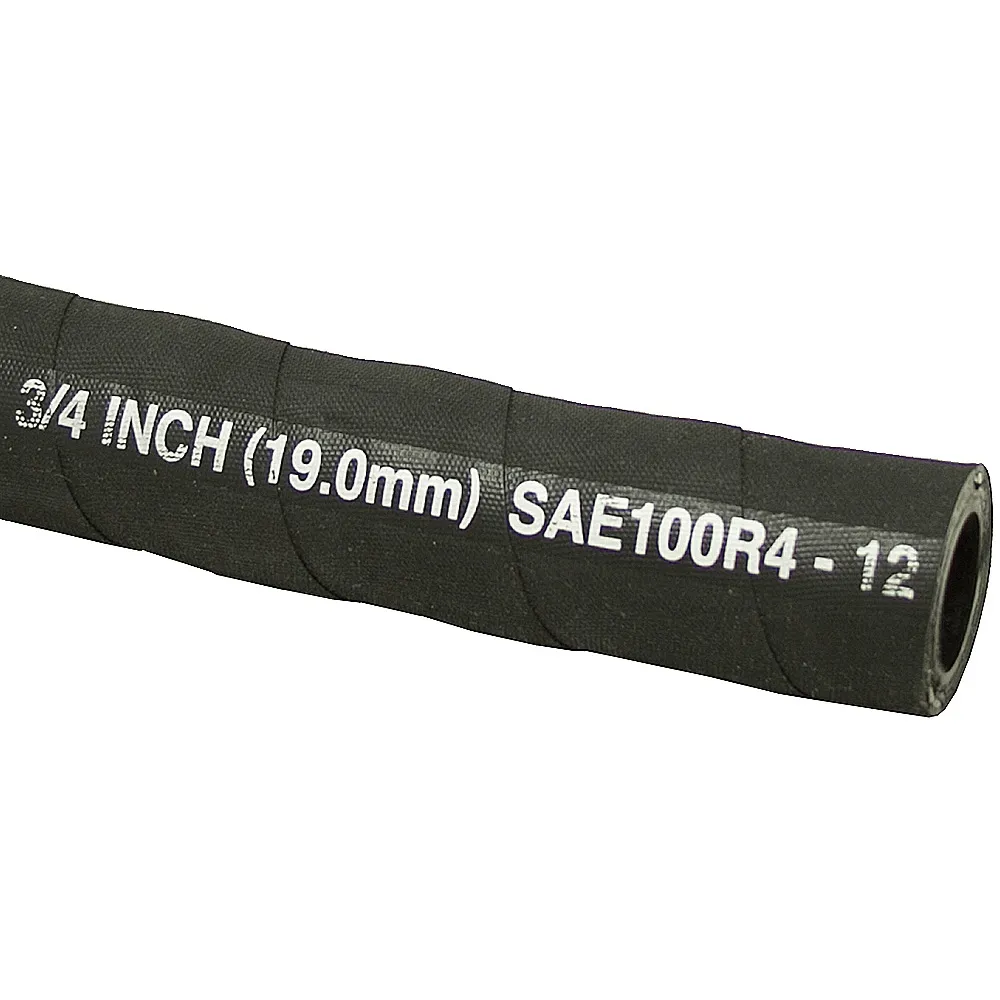
Selecting the appropriate rubber pipe for water 1 inch applications is critical for efficient and reliable fluid transfer. This article explores the various types, applications, and key considerations when choosing a rubber pipe, ensuring you make the best choice for your needs. We’ll cover materials, pressure ratings, and factors affecting longevity. Whether you're involved in agriculture, industrial processes, or domestic water systems, this guide will provide the information you need to select the right pipe.
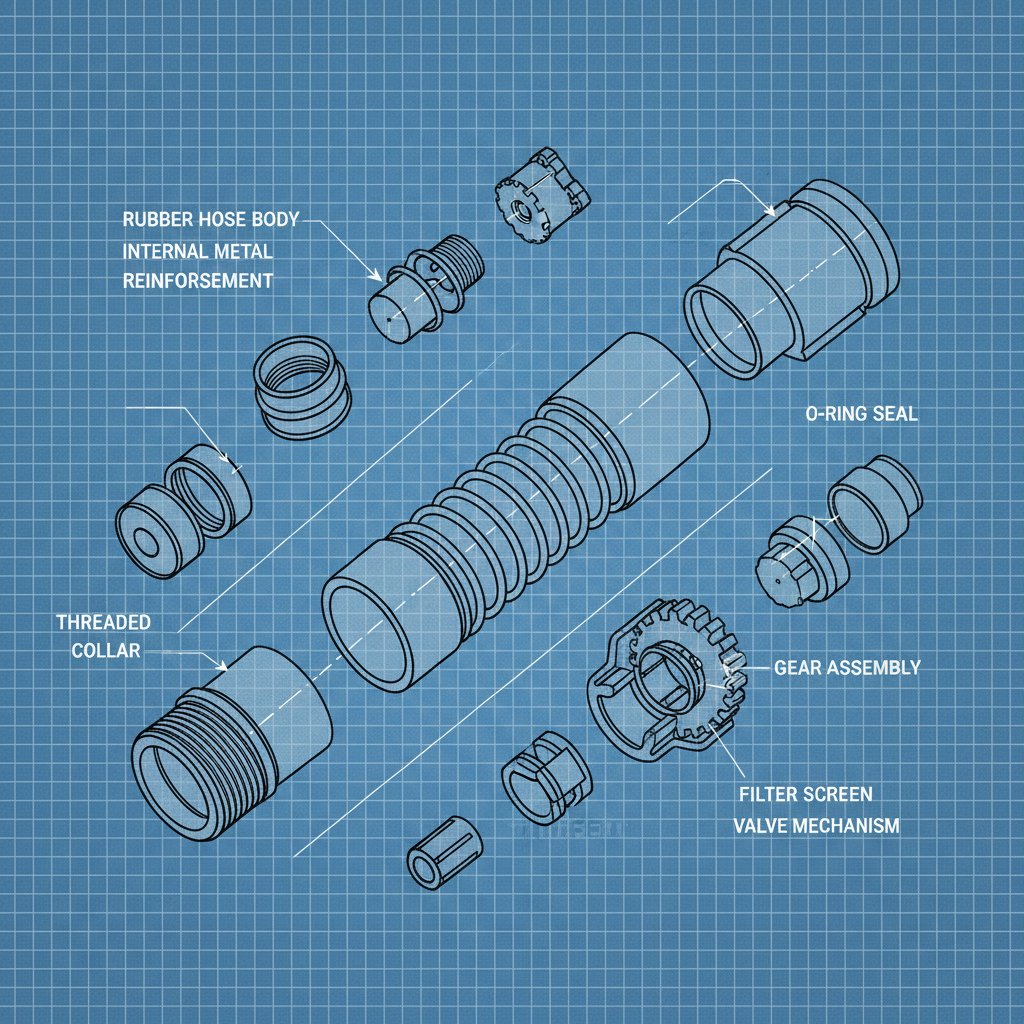
Understanding the Different Types of Rubber Pipes
Rubber pipes for water come in various materials, each offering unique benefits. Common options include Natural Rubber, EPDM (Ethylene Propylene Diene Monomer), and Nitrile Rubber. Natural Rubber provides excellent flexibility and resilience, making it suitable for general-purpose water transfer. EPDM is renowned for its outstanding resistance to weathering, ozone, and UV exposure, ideal for outdoor applications. Nitrile Rubber excels in handling oils and fuels, though it’s less frequently used for potable water. The choice depends on the specific fluid being transferred, the operating temperature, and the environmental conditions.
Key Highlights: Choosing the right material is essential for longevity and performance. Consider the fluid type, temperature, and environmental factors.
Key Considerations When Selecting a 1 Inch Rubber Pipe
Several factors influence the optimal selection of a 1 inch rubber pipe. Firstly, pressure rating is critical – the pipe must withstand the maximum operating pressure of the system. Secondly, temperature compatibility ensures the pipe doesn’t degrade or become brittle under extreme temperatures. Thirdly, the pipe’s flexibility determines its ease of installation and its ability to accommodate movement or vibration. Finally, consider whether the pipe needs to be food-grade or compliant with specific industry standards for potable water applications. Zsmartflexhose offers a variety of rubber pipes designed to meet diverse requirements.
Essential Selection Factors:
• Pressure Rating
• Temperature Compatibility
• Flexibility
• Industry Standards Compliance (e.g., Food Grade)
Rubber Pipe for Water 1 Inch: Material Comparison
Choosing the right material requires a clear understanding of their strengths and weaknesses. Here's a comparison of the most common rubber pipe materials:
Applications of 1 Inch Rubber Pipe
1-inch rubber pipes find diverse applications, including irrigation systems in agriculture, water transfer in construction sites, and plumbing for domestic water lines. They are also used in industrial processes involving cooling water, chemical solutions (with appropriate material selection), and compressed air systems. Zsmartflexhose provides solutions tailored for each application, ensuring optimal performance and reliability.
Ensuring Longevity: Proper Maintenance and Storage
To maximize the lifespan of your rubber pipe, proper maintenance is key. Regularly inspect for cracks, kinks, or signs of wear. Avoid exposing the pipe to extreme temperatures or harsh chemicals it’s not designed to withstand. When not in use, store the pipe in a cool, dry, and dark place, away from direct sunlight and ozone sources. Properly storing the rubber pipe ensures its flexibility and prevents degradation. Regular inspections can prevent unexpected failures and ensure a consistent flow rate.
Conclusion: Choosing the Right Rubber Pipe for Your Needs
Selecting the ideal rubber pipe for water 1 inch requires careful consideration of the application, material properties, and operating conditions. By understanding these factors and choosing a reputable supplier like Zsmartflexhose, you can ensure reliable and efficient fluid transfer for years to come. Don’t compromise on quality – invest in the right pipe for your specific needs.
Frequently Asked Questions (FAQs)
What pressure rating should I look for in a 1-inch rubber pipe?
The appropriate pressure rating depends entirely on your system's maximum operating pressure. It’s crucial to choose a pipe with a rating exceeding the highest expected pressure to ensure safety and prevent bursts. Consider a safety factor of at least 2:1. For example, if your system operates at 100 PSI, opt for a pipe rated for at least 200 PSI. Always consult with a qualified engineer or the pipe manufacturer to determine the correct pressure rating for your application. Failure to do so can result in catastrophic failure and potential injury.
Is EPDM rubber suitable for drinking water?
Yes, EPDM rubber is generally considered safe for drinking water applications, as it's non-toxic and doesn’t leach harmful chemicals. However, it’s essential to ensure the specific EPDM compound used meets relevant potable water standards, such as NSF/ANSI 61. Always verify that the pipe is certified for drinking water use before utilizing it in such applications. Zsmartflexhose offers EPDM pipes specifically certified for potable water.
How do I connect a 1-inch rubber pipe to fittings?
Connecting a rubber pipe to fittings usually involves using hose clamps or band clamps. Ensure the fitting is compatible with the pipe's inner diameter and material. Apply a lubricant to the pipe’s inner surface for easier insertion. Position the clamp securely before fully inserting the pipe onto the fitting. Tighten the clamp appropriately, avoiding over-tightening, which could damage the pipe. For a secure and leak-proof connection, consider using reinforced hose clamps.
Z-Smartflex delivers superior-quality industrial hoses and fittings with global reliability, offering you durable solutions and exceptional service for all your fluid transfer needs.