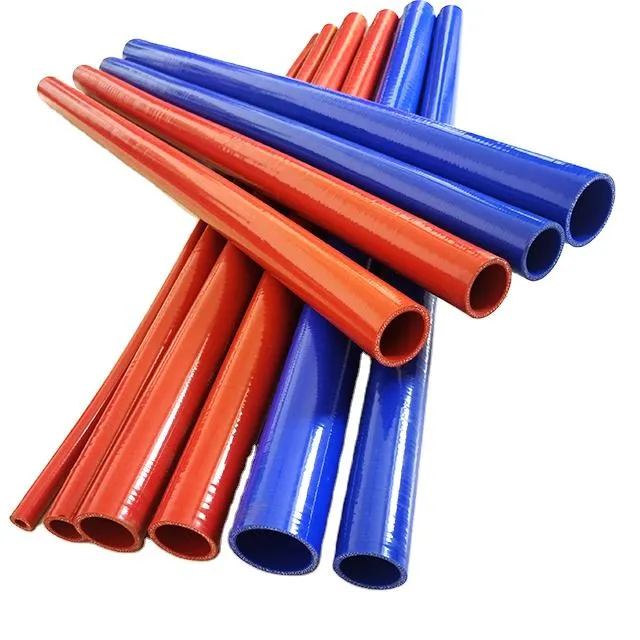

Rubber Hose Pipe for Hot Water: A Comprehensive Guide
When selecting a rubber hose pipe for hot water applications, durability, safety, and heat resistance are paramount. This guide explores the key considerations, materials, applications, and benefits of choosing the right hose for your needs. Understanding these factors will ensure efficient and safe operation in various industries and domestic settings. Choosing the correct hose helps prevent leaks, scalding hazards, and costly downtime.
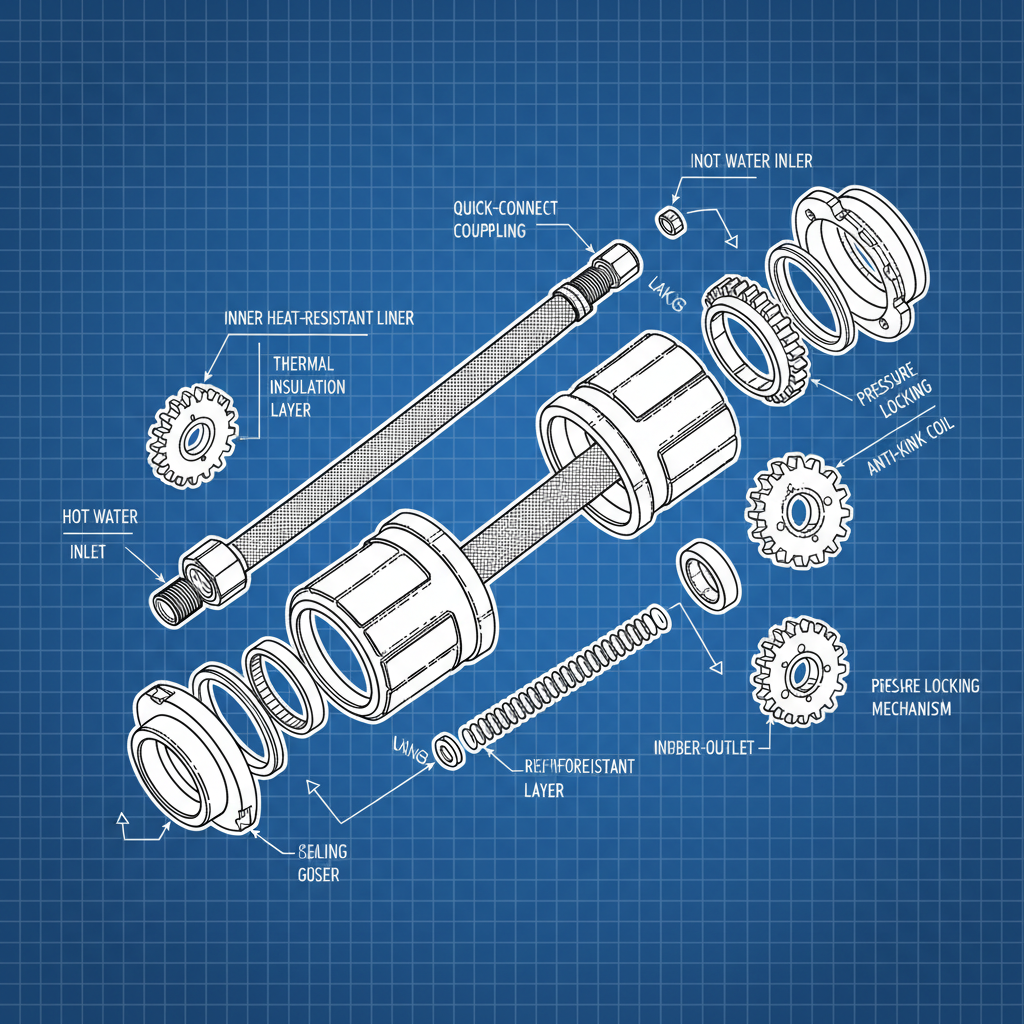
Understanding the Requirements for Hot Water Hose Pipes
Hot water hose pipes differ significantly from standard water hoses. They are specifically engineered to withstand elevated temperatures without compromising integrity or safety. The key requirement is the ability to resist heat deformation, maintain pressure resistance, and prevent the leaching of harmful chemicals into the water supply. Materials like EPDM rubber are commonly used due to their excellent heat resistance and non-toxic properties. Consider the maximum operating temperature and pressure of your system to select a hose rated appropriately. It’s also vital to ensure the hose is certified to relevant safety standards. You can find high-quality options at Zsmart Flex Hose.
Key Considerations: Prioritize heat resistance, pressure rating, material safety, and compliance with industry standards when selecting a hot water hose.
Material Comparison: EPDM vs. Other Rubber Compounds
Several rubber compounds are used in hose manufacturing, but EPDM (Ethylene Propylene Diene Monomer) stands out for hot water applications. Compared to natural rubber, SBR (Styrene-Butadiene Rubber), and even some types of NBR (Nitrile Butadiene Rubber), EPDM offers superior resistance to heat, ozone, weathering, and chemicals. NBR, while good for oil resistance, doesn't perform as well at high temperatures. Natural rubber is susceptible to degradation from heat and ozone. EPDM maintains its flexibility and integrity over a wider temperature range, making it the preferred choice for reliability and longevity.
Rubber Compound Comparison:
• EPDM: Excellent heat, ozone, and weathering resistance.
• NBR: Good oil resistance, limited heat resistance.
• SBR: Lower cost, poor heat and ozone resistance.
• Natural Rubber: Good elasticity, poor heat and ozone resistance.
Applications of Rubber Hose Pipe for Hot Water
The applications for hot water hose pipes are diverse. They are commonly used in central heating systems, hot water distribution in industrial settings, commercial kitchens, laundry facilities, and even in domestic hot water systems like shower connections or radiator installations. Specific applications may require reinforced hoses to handle higher pressures. For example, industrial cleaning equipment often utilizes high-pressure hot water hoses. The automotive industry also utilizes these hoses for engine cooling systems. Zsmart Flex Hose offers a wide range of options tailored to various application requirements.
Choosing the Right Hose: Factors to Consider
Beyond the material and application, several other factors should guide your hose selection. Consider the hose diameter to ensure adequate flow rate, the length needed for your setup, and the type of fittings required for compatibility with your existing system. Reinforcement options, such as braided steel or synthetic fibers, are crucial for high-pressure applications. Regular inspection for wear and tear is essential for maintaining safety and preventing leaks. Finally, prioritize hoses certified by recognized safety organizations, indicating adherence to quality and performance standards.
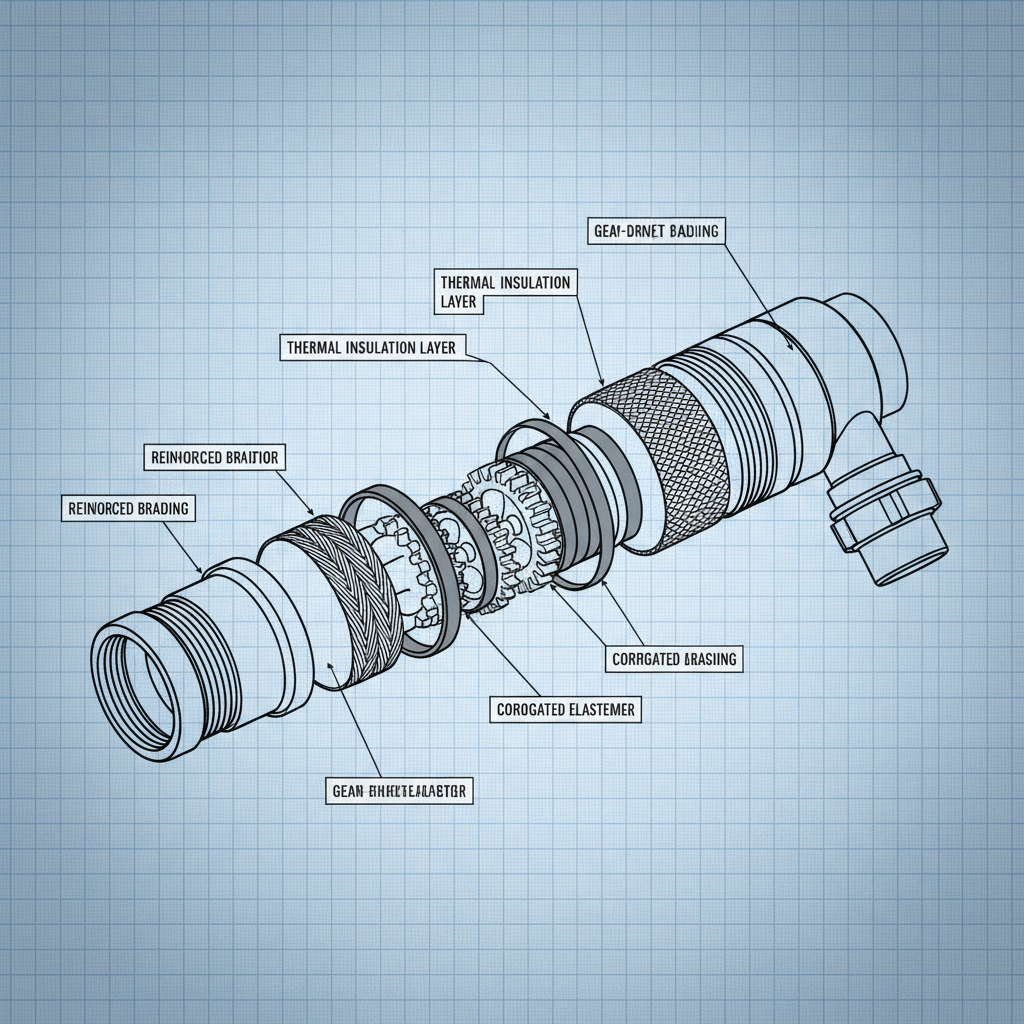
Product Specifications: Zsmart Flex Hot Water Hose
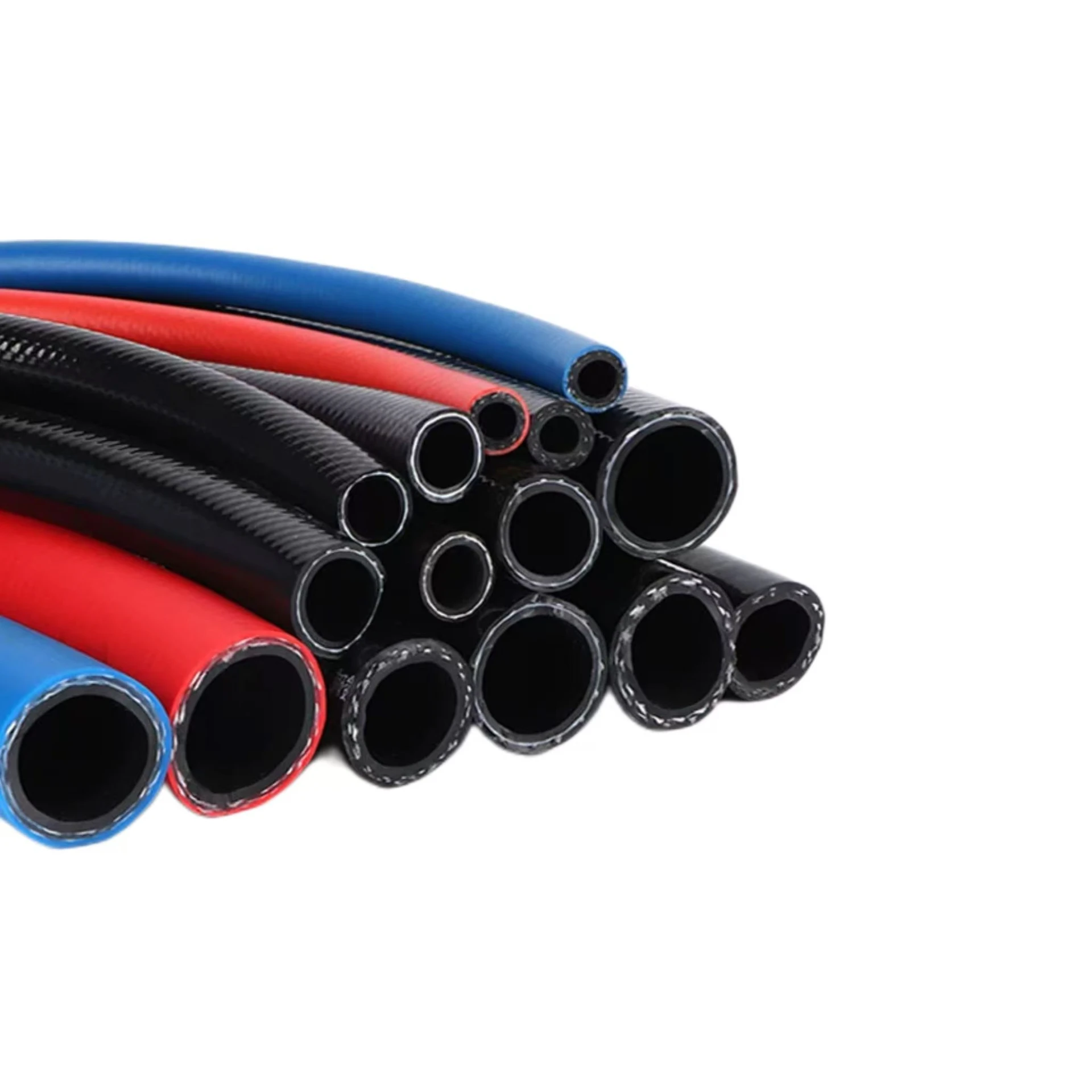
At Zsmart Flex Hose, we offer a range of rubber hose pipes specifically engineered for hot water applications. Our hoses are manufactured using high-quality EPDM rubber, reinforced with braided polyester for superior strength and durability.
Conclusion: Selecting the Right Hot Water Hose for Performance and Safety
Choosing the right rubber hose pipe for hot water is an investment in safety, efficiency, and longevity. By understanding the materials, applications, and key specifications, you can ensure optimal performance and prevent potential hazards. Zsmart Flex Hose provides high-quality, reliable solutions to meet your specific needs.
Frequently Asked Questions (FAQs)
What is the maximum temperature a Zsmart Flex hot water hose can withstand?
Our standard hot water hoses are rated for continuous use up to 150°C (302°F). However, it's crucial to check the specific product specifications for the exact temperature rating, as it can vary depending on the hose construction and reinforcement. Exceeding the maximum temperature can lead to hose failure and potential safety hazards. Always prioritize hoses rated for the temperature demands of your application.
How often should I replace a hot water hose?
The replacement frequency depends on usage and environmental conditions. As a general guideline, we recommend replacing hot water hoses every 3-5 years, even if they show no visible signs of wear. Regularly inspect the hose for cracks, swelling, or leaks. If any damage is detected, replace the hose immediately. Prolonged exposure to high temperatures and pressure can degrade the hose material over time, compromising its safety and performance.
Are Zsmart Flex hoses compliant with industry safety standards?
Yes, all our hot water hoses are manufactured to meet or exceed relevant industry safety standards, including [Insert Relevant Standards Here, e.g., ISO, EN]. We prioritize quality and safety in our manufacturing processes and ensure our products undergo rigorous testing to guarantee performance and reliability. We can provide documentation verifying compliance upon request.
Can hot water hoses be used with other fluids besides water?
While our hoses are designed for hot water, compatibility with other fluids depends on the chemical composition of the fluid. EPDM rubber is generally resistant to many chemicals, but it’s crucial to verify compatibility before use. Contact our technical support team with details about the fluid to ensure it won’t degrade the hose material. Using the hose with incompatible fluids can lead to leaks, failure, and potential hazards.
Z-Smartflex delivers superior-quality industrial hoses and fittings with global reliability, offering you durable solutions and exceptional service for all your fluid transfer needs.