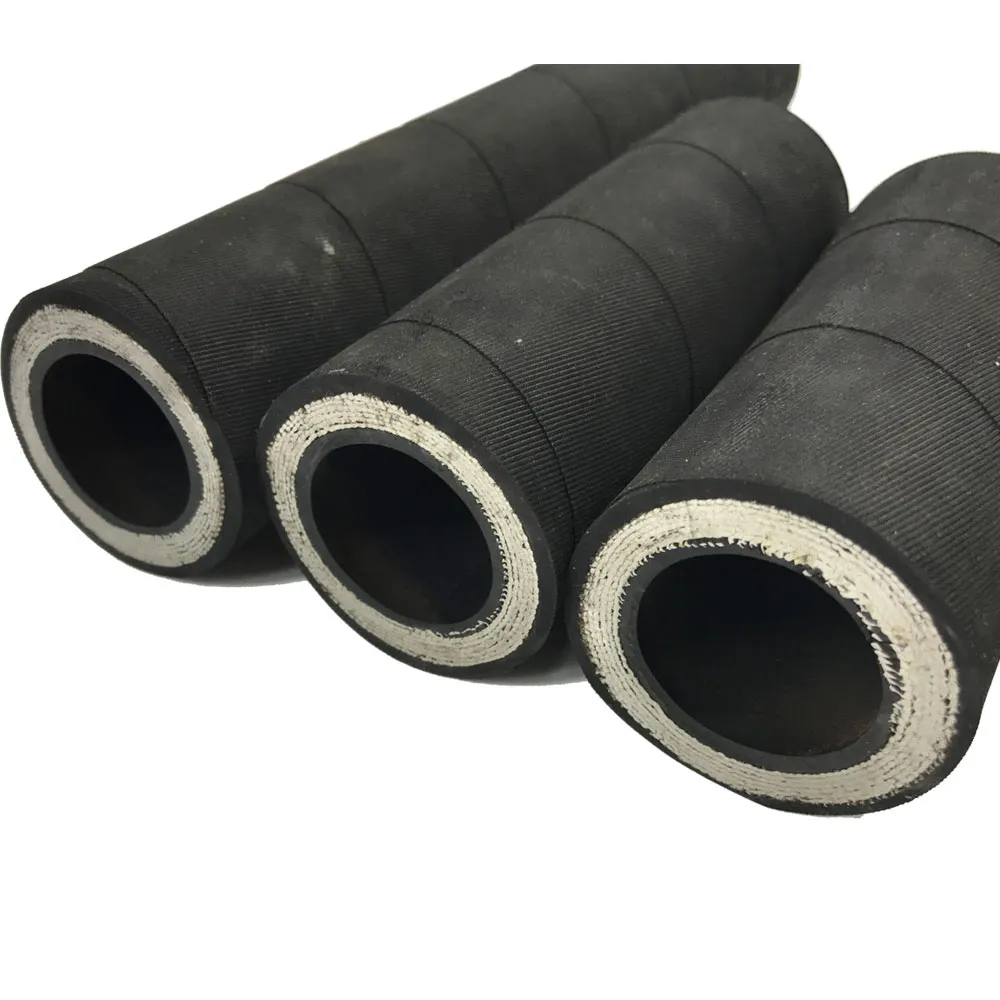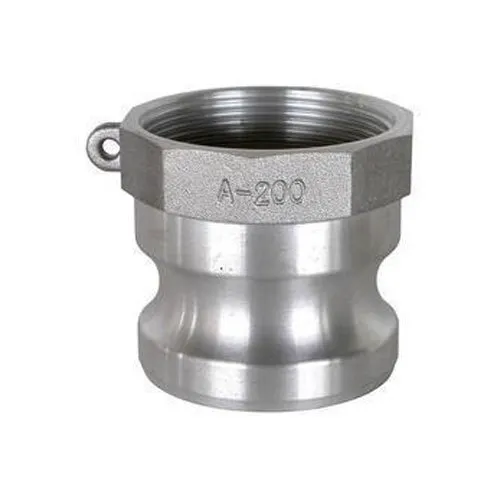
Rubber Seals for Water Hose: A Comprehensive Guide
Maintaining the integrity of your water hose system is crucial for efficient operation and preventing costly leaks. A key component in this process is the rubber seal for water hose. This article will delve into the importance of these seals, the different types available, how to choose the right one, and best practices for maintenance. We’ll explore how the quality of your seals directly impacts performance and longevity, ultimately saving you time and money.
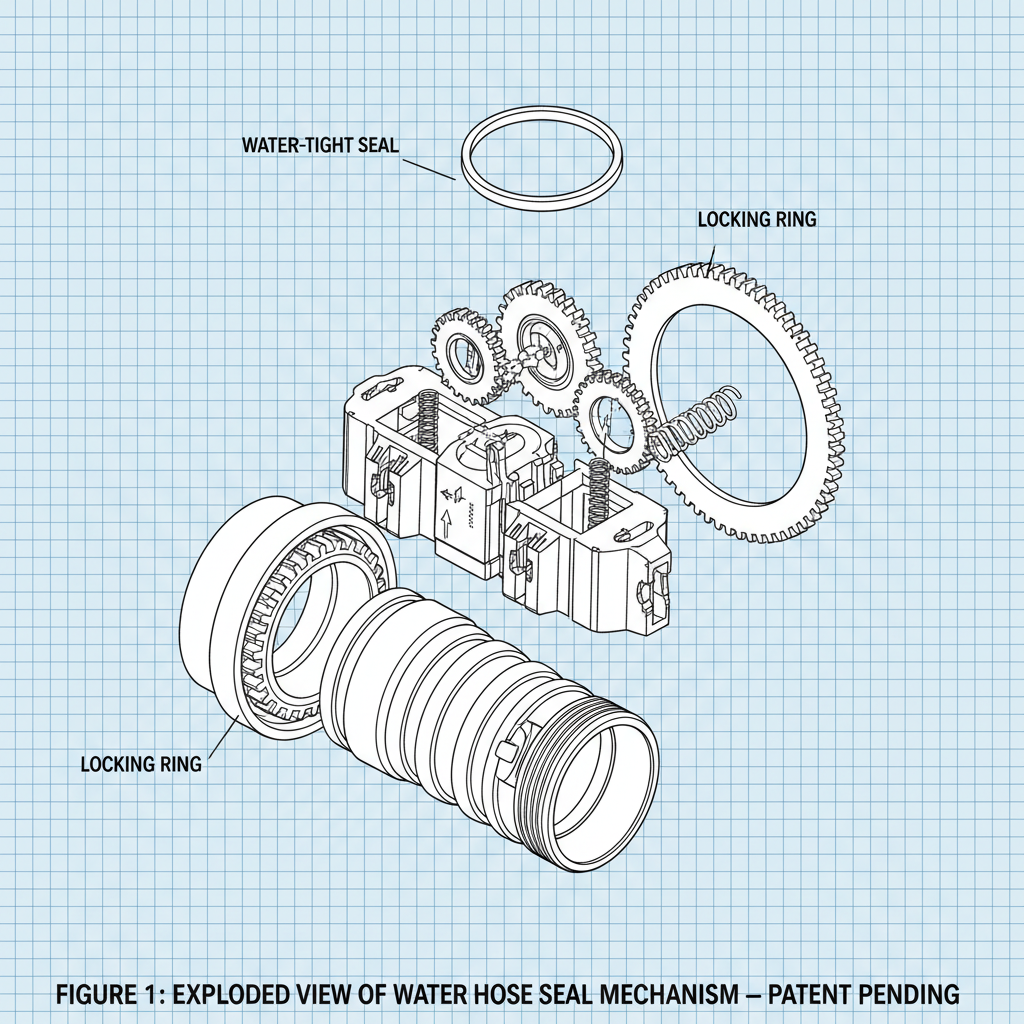
Understanding the Role of Rubber Seals
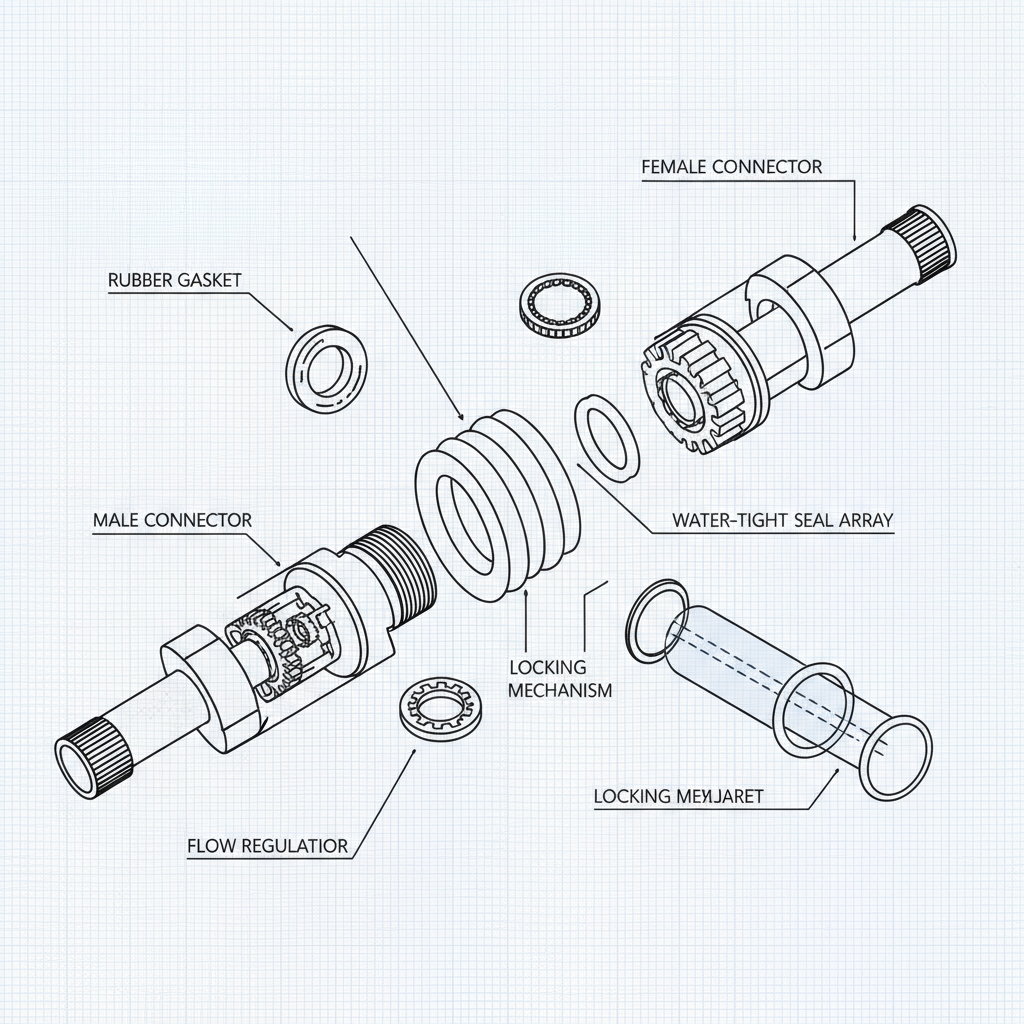
Rubber seals are essential for creating a watertight barrier between the hose and its connections – whether it's to a nozzle, fitting, or another hose section. They prevent leakage, maintain consistent water pressure, and protect the hose system from contamination. Without properly functioning seals, you’ll experience reduced water flow, increased water bills, and potential damage to surrounding equipment. Choosing the right material and size of rubber seals is paramount to optimal performance.
Key Benefits: Preventing leakage, maintaining pressure, protecting from contamination, and prolonging hose system life.
Types of Rubber Seals for Water Hose
Several types of rubber seals are commonly used for water hoses, each offering unique properties and suited to specific applications. The most prevalent materials include Nitrile (NBR), EPDM, Silicone, and Neoprene. Nitrile is known for its resistance to oil and abrasion, making it ideal for industrial applications. EPDM boasts excellent weather resistance and is a popular choice for outdoor use. Silicone provides high temperature resistance and is often used in potable water systems. Neoprene offers good chemical resistance and flexibility. Selecting the correct material will significantly impact the seal’s longevity and effectiveness.
Rubber Seal Material Comparison:
• Nitrile (NBR): Oil & Abrasion Resistance
• EPDM: Weather Resistance, Outdoor Use
• Silicone: High Temperature, Potable Water
• Neoprene: Chemical Resistance, Flexibility
Choosing the Right Rubber Seal for Your Application
Selecting the correct rubber seal for water hose involves considering several factors. First, the fluid being transferred (water, chemicals, etc.) dictates the necessary material compatibility. Next, assess the operating temperature and pressure of the system. Hose size and connection type are also critical; seals come in various dimensions and configurations (O-rings, gaskets, etc.). Finally, consider the environment – outdoor applications require materials with UV and weather resistance. Failing to account for these factors can lead to premature seal failure and costly downtime.
Installation and Maintenance Best Practices
Proper installation is key to maximizing the lifespan of your rubber seals. Ensure the sealing surfaces are clean and free of debris before installation. Apply a small amount of compatible lubricant to aid installation and prevent damage. Avoid over-tightening connections, as this can distort the seal. Regular inspection for cracks, wear, or deformation is crucial. Replace seals at the first sign of damage to prevent leaks. Following a preventative maintenance schedule will minimize downtime and ensure consistent system performance.
Sourcing High-Quality Rubber Seals
When sourcing rubber seals, prioritize quality and reliability. Choose a reputable supplier like Zsmartflexhose who offers a wide selection of materials and sizes. Look for seals that meet industry standards and are made from high-grade rubber compounds. Consider the supplier's experience and commitment to customer service. Investing in quality seals upfront will save you money and hassle in the long run.
Conclusion: Ensuring System Integrity with Quality Rubber Seals
Choosing the right rubber seal for water hose is vital for maintaining the efficiency and longevity of your water hose system. By understanding the different types of materials, considering your specific application needs, and following proper installation and maintenance practices, you can prevent leaks, minimize downtime, and optimize performance. Trust Zsmartflexhose for all your rubber seal needs.
Frequently Asked Questions (FAQs)
How often should I replace my water hose rubber seals?
The frequency of replacement depends on usage conditions, fluid type, and seal material. Generally, inspect seals annually, and replace them if you notice any cracks, swelling, or loss of elasticity. For harsh chemical environments or high-pressure applications, more frequent replacement may be necessary. A proactive approach to seal replacement prevents unexpected leaks and system failures. Consider keeping a maintenance log to track seal replacement dates and avoid overlooking scheduled maintenance.
Can I use a universal rubber seal for all my hose connections?
While “universal” seals exist, it's not recommended for critical applications. Different hose connections and fluids require specific materials for optimal compatibility and sealing performance. Using the wrong seal can lead to leaks, premature wear, and system damage. Always consult the hose manufacturer’s specifications and select a seal specifically designed for your application. A correctly matched seal ensures a reliable and long-lasting connection.
What lubricant should I use when installing a rubber seal?
Use a lubricant specifically designed for rubber seals and compatible with the fluid being transferred. Silicone-based lubricants are generally a good choice as they won't degrade most rubber compounds. Avoid petroleum-based lubricants as they can cause swelling or cracking. Apply a thin, even coat of lubricant to the seal and mating surfaces to facilitate installation and create a better seal. Always check the lubricant's compatibility with the seal material and fluid being used.
What are the signs of a failing rubber seal?
Common signs of a failing rubber seal include visible leaks, reduced water pressure, difficulty maintaining pressure, and a noticeable change in the seal’s appearance (cracking, swelling, or deformation). If you observe any of these symptoms, inspect the seal immediately and replace it if necessary. Addressing seal failures promptly prevents further damage and ensures the continued efficiency of your water hose system.
Z-Smartflex delivers superior-quality industrial hoses and fittings with global reliability, offering you durable solutions and exceptional service for all your fluid transfer needs.