
An Introduction to NBR Rubber Hose and Its Global Importance
If you haven’t come across nbr rubber hose in your day-to-day dealings, you might be missing out on understanding a surprisingly versatile and crucial industrial product. NBR, or nitrile butadiene rubber, commonly forms the core material of these hoses, which are specially designed to handle oil, fuel, and various chemicals with resilience that few other rubbers can match. Now, why is that so important? Given the global drive for industrial safety, environmental protection, and efficiency, the role of nbr rubber hose quietly but assuredly gains more traction.
Globally, industries such as automotive, manufacturing, aviation, and even humanitarian aid missions rely heavily on reliable, chemical-resistant hoses. According to the International Organization for Standardization (ISO), the demand for chemical-resistant hoses has risen steadily, mirroring industrial growth and stricter safety standards worldwide.[1] Frankly, when you consider that a hose failure can cause catastrophic leaks or safety hazards, the value of high-quality nbr rubber hoses becomes crystal clear.
What Exactly Is an NBR Rubber Hose?
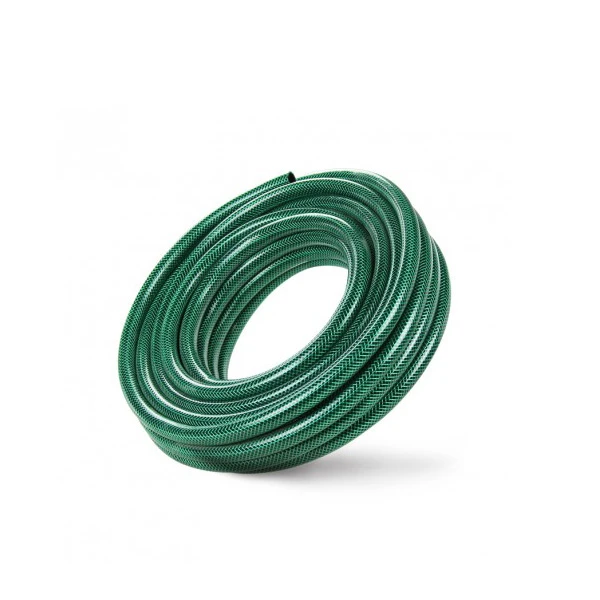
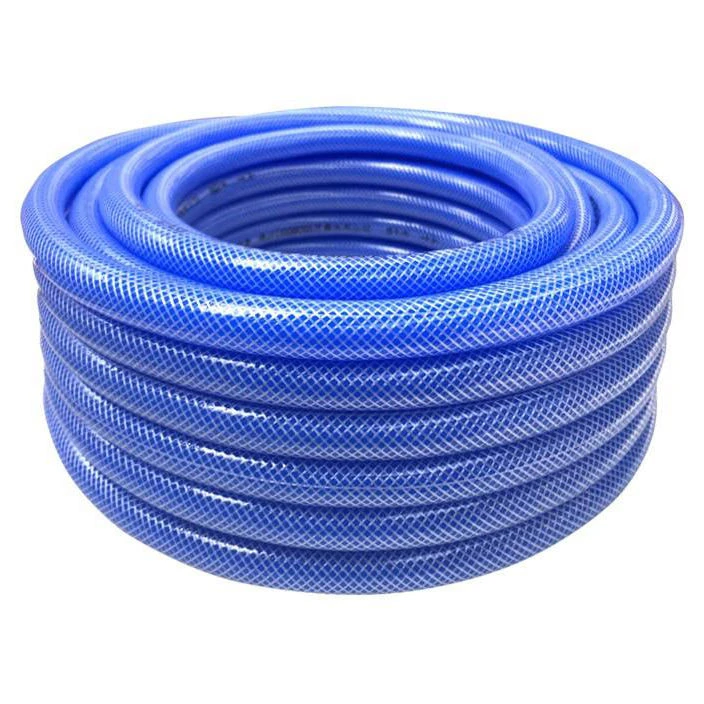
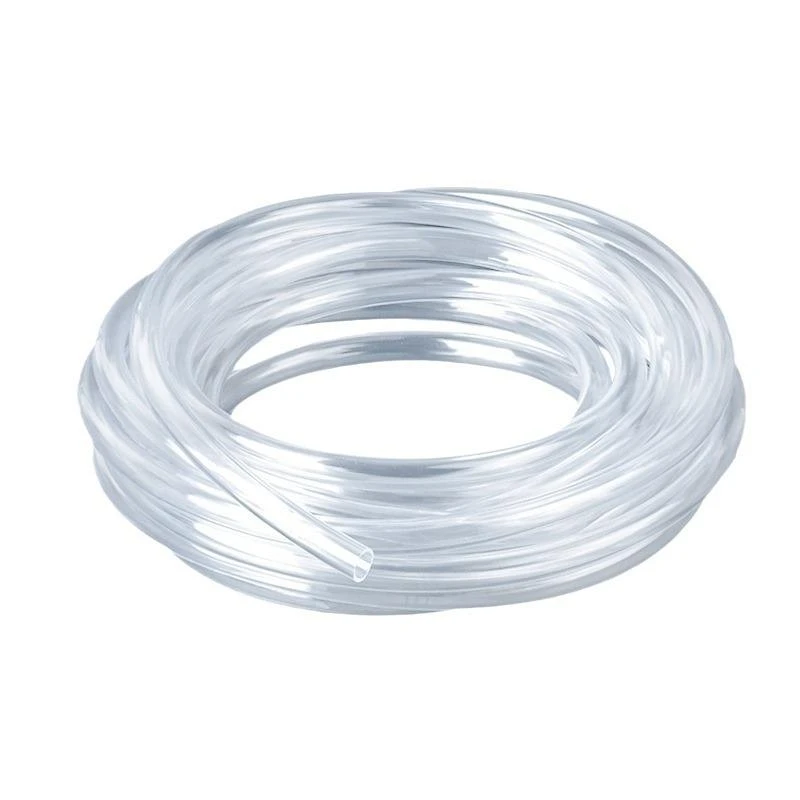
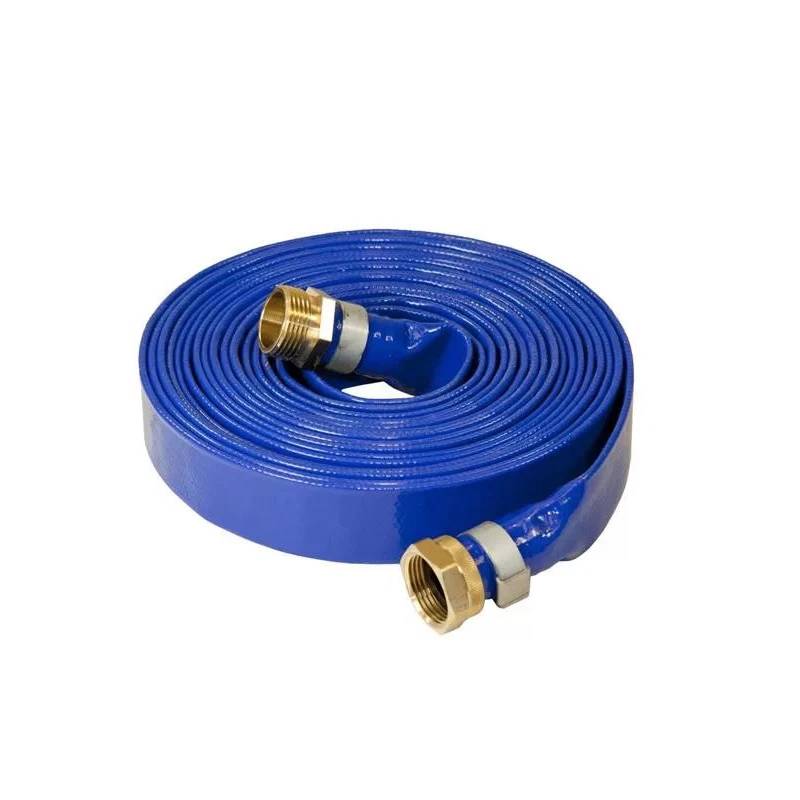
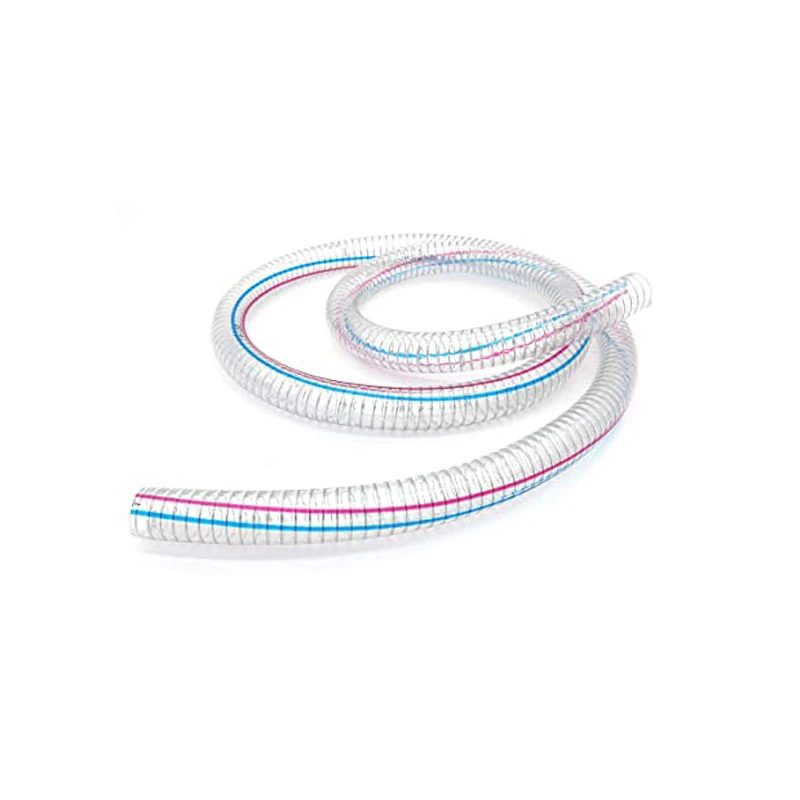
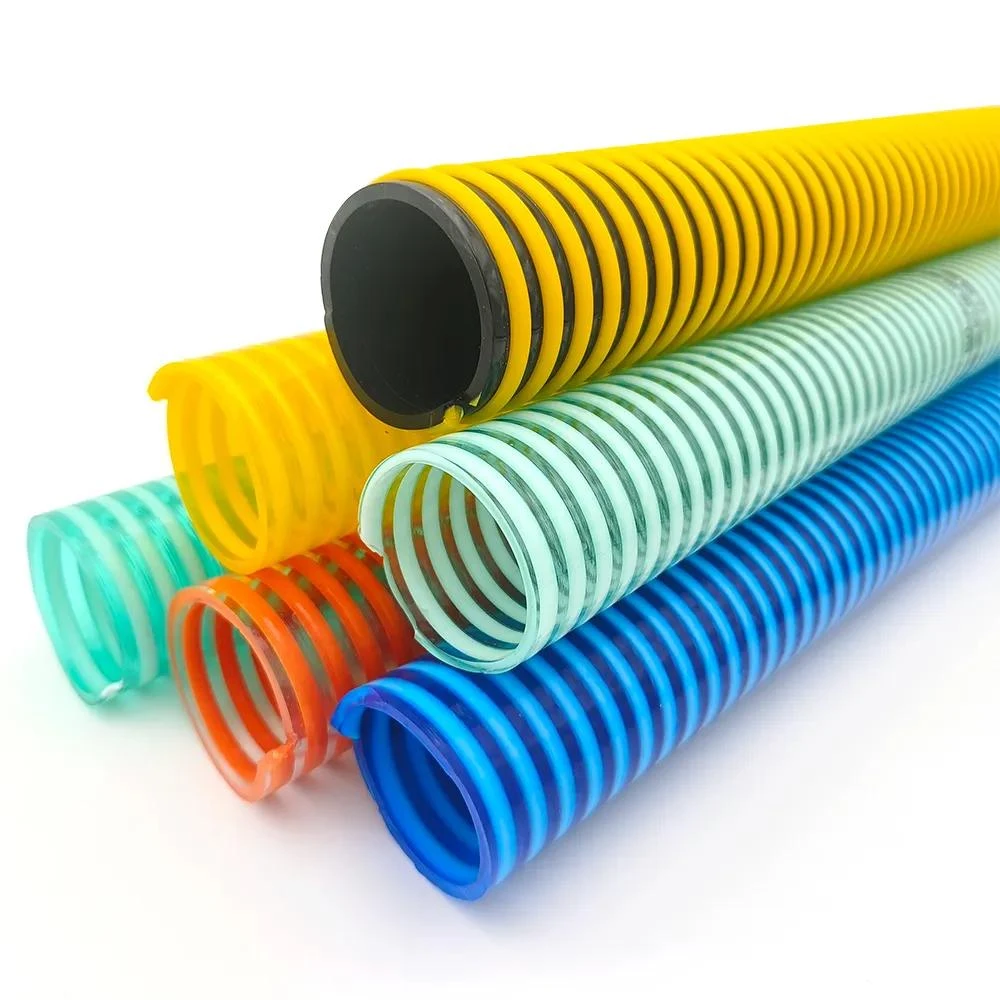
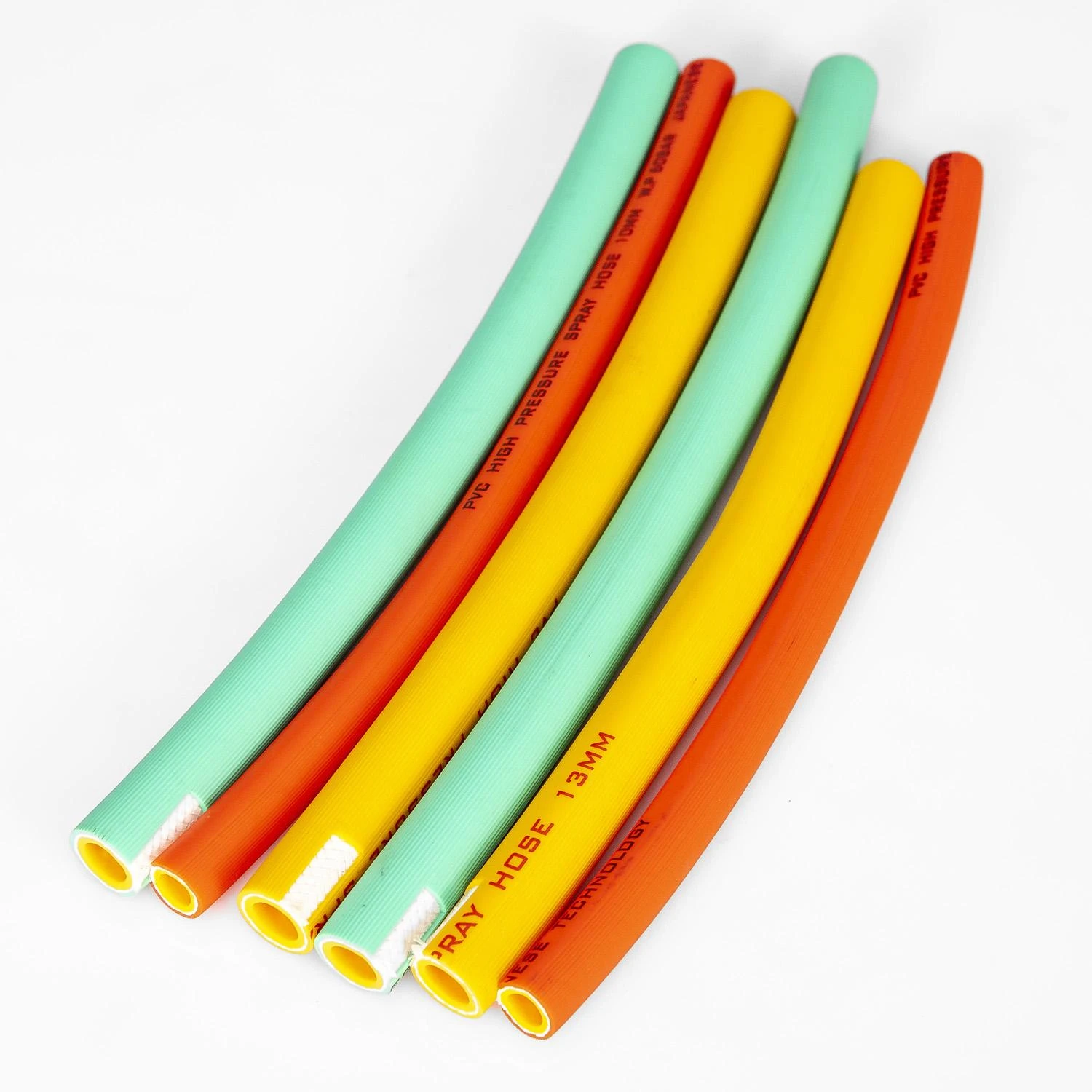
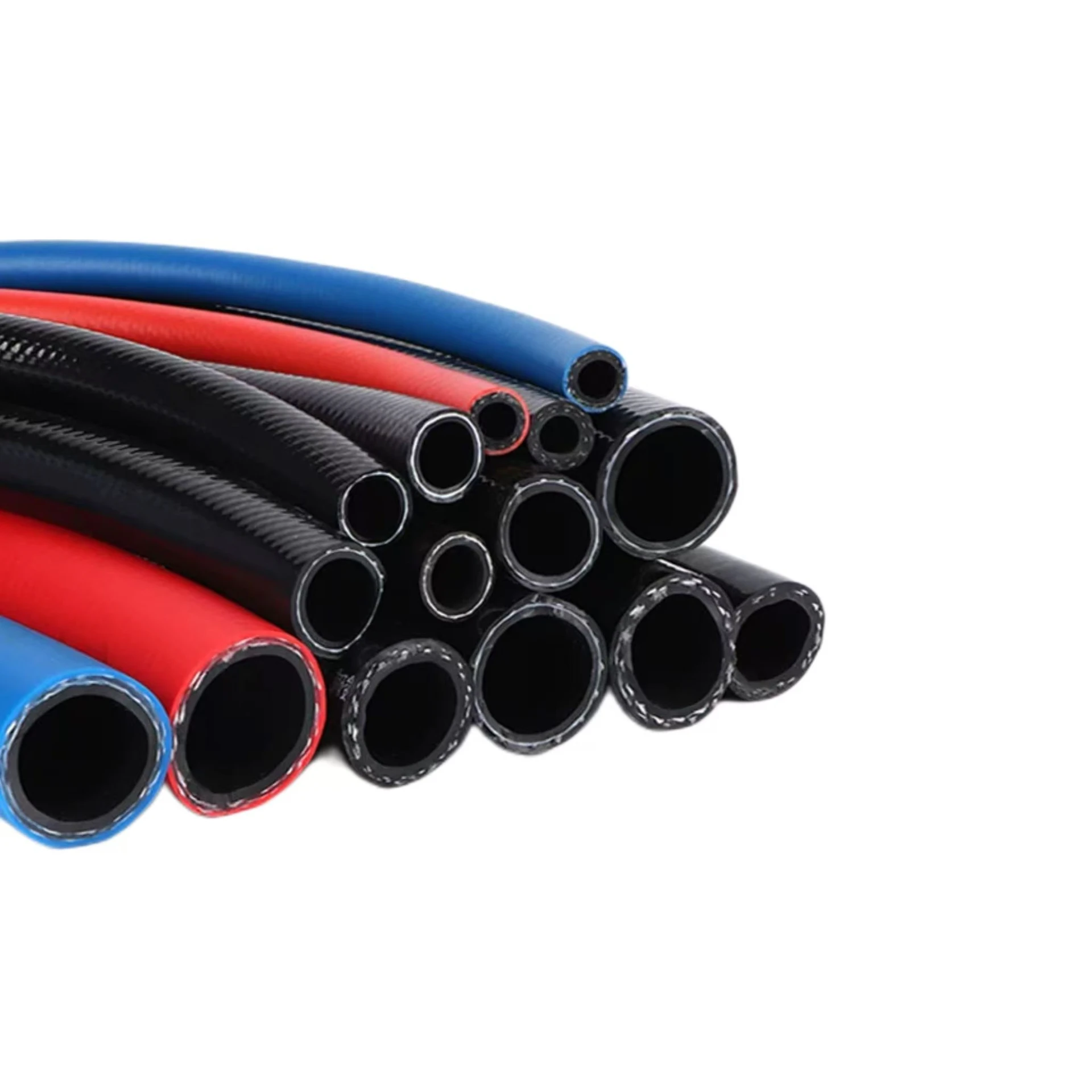
Simply put, an nbr rubber hose is a flexible tube composed largely of nitrile butadiene rubber, a synthetic elastomer prized for its resistance to oils, fuels, and certain chemicals. This hose, often reinforced with layers of synthetic or natural fibers, is engineered to transfer liquids and gases in challenging environments without cracking, breaking down, or leaking.
These hoses aren’t some niche gadget; they play an active role in the gears of modern industry—whether they’re moving hydraulic fluids in heavy machinery or channeling fuels at a gas station. Even in humanitarian contexts, such as supplying clean water or transporting chemicals safely during disaster relief, these hoses make the pipeline work — literally.
Four Core Features That Define NBR Rubber Hose
Durability Against Chemical Attack
The hallmark of an nbr rubber hose is its exceptional resistance to petroleum-based products. Because nitrile rubber doesn’t degrade easily upon contact with fuels and oils, these hoses last longer and need less frequent replacement. I’ve heard from several industrial engineers that this durability actually saves companies vast sums on maintenance.
Flexibility and Temperature Tolerance
You’d be surprised how many times a hose needs to bend, twist, and squeeze through tight spots — yet still keep its integrity. NBR hoses can usually handle temperatures between –40°C and +100°C, which means they’re viable from freezing cold storage to warm factory floors without a wrinkle.
Pressure Handling Capacity
Though specific ratings vary by hose design, many NBR rubber hoses handle pressures from a few bars up to around 20 bars in hydraulic or pneumatic systems. It feels like a balancing act: you want strength without sacrificing flexibility, and nitrile rubber seems to walk that line well.
Cost Efficiency Compared to Alternatives
While some premium hoses use expensive fluoropolymers, nbr rubber hoses offer a sweet spot of durability and cost that fits many industrial budgets. This sweet balance encourages routine use in sectors ranging from workshop air tools to large oil refineries.
| Property | Typical Value | Unit |
|---|---|---|
| Temperature Range | -40 to +100 | °C |
| Operating Pressure | 5 - 20 | bar |
| Material Composition | Nitrile Butadiene Rubber | - |
| Typical Inner Diameter | 10 - 100 | mm |
| Standard Length | 50 | m |
Where We See NBR Rubber Hoses in Action Worldwide
From the bustling oilfields of the Middle East to the automotive factories of Germany, nbr rubber hoses are quietly involved. In Southeast Asia, petrochemical plants routinely use these hoses for their fuel transfer lines. Oddly enough, even remote humanitarian operations deployed by NGOs rely on these hoses to safely supply water and fuel to camps.
Take post-disaster relief efforts, for instance: you want robust equipment that can sling fuels safely for generators or trucks, and nbr rubber hose fits the bill thanks to its reliable chemical resistance. When reliability is more than a buzzword but a lifeline, these hoses become unsung heroes.
Industrial zones in North America use these hoses for both pneumatic tools and hydraulic systems, appreciating their longevity compared to cheaper rubber alternatives that degrade quickly.
Advantages and the Deeper Value Behind NBR Rubber Hose
- Safety first. Low risk of chemical leaks means safer working conditions.
- Cost savings. The durability and less frequent replacements save real money.
- Sustainability. Longer lifespan equals less waste — a win for environmental goals.
- Trust. Engineers and operators tend to rely on NBR hosing as a go-to solution.
- Flexibility. It suits countless industries from agriculture to aerospace.
On the emotional side, there’s a genuine peace of mind knowing you don’t have to worry about hose failure when lives and equipment are on the line.
Innovation and Future Trends in NBR Rubber Hose Solutions
Looking ahead, sustainability pushes manufacturers to explore bio-based nitrile rubbers or hybrid blends that reduce environmental impact without losing performance. Digital sensors embedded in hoses to monitor pressure or temperature in real-time might sound futuristic but are already under development.
Automated manufacturing processes are steadily improving consistency and lowering costs, meaning higher-quality hoses will become accessible even to smaller industries or emerging markets.
Facing Challenges: Common Issues and How the Industry Overcomes Them
Sure, no product is perfect. Some challenges with nbr rubber hoses include degradation in extreme temperature extremes or when used with highly corrosive chemicals outside their rating. UV and ozone exposure can also cause premature aging if not properly protected.
However, advancements in protective coatings and multi-layer reinforcements help stave off these issues. Plus, experts recommend routine inspections and replacing hoses at scheduled intervals to prevent unexpected failures.
| Vendor | Product Range | Strength | Price Point |
|---|---|---|---|
| ZSmart Flex Hose | Wide (chemical, fuel, hydraulic) | High durability, customizable lengths | Moderate |
| FlexiChem Industries | Narrower (focus on hydrocarbons) | Strong chemical resistance, limited sizes | Premium |
| RubberCo Solutions | General purpose hoses | Basic durability, budget option | Low |
Frequently Asked Questions About NBR Rubber Hose
- What industries benefit most from using NBR rubber hoses?
- Industries like automotive repair, chemical manufacturing, petrochemical refining, and gas transportation rely heavily on nbr rubber hoses for their oil and fuel handling needs. Their resistance to petroleum-based fluids is particularly valuable.
- How do I know if an NBR hose is right for my application?
- Consider the fluids you'll be transferring, temperature range, and operating pressure. If your environment involves hydrocarbons or oils within the typical temperature and pressure ranges of NBR hoses, they are often an ideal choice.
- Are NBR rubber hoses reusable or should they be replaced regularly?
- While durable, all hoses have service life limits. Regular inspection is vital. Replace hoses if you notice cracks, brittleness, or leaks — especially in environments with frequent chemical exposure.
- Can NBR rubber hoses be customized to different lengths and diameters?
- Yes, many vendors, including nbr rubber hose suppliers, offer custom lengths and diameters tailored to specific industrial requirements.
- Are these hoses environmentally friendly?
- Traditional NBR hoses are synthetic but advances in greener materials and recycling initiatives are underway. Their long service life helps reduce waste compared to disposable or less durable alternatives.
Conclusion: Why Investing in NBR Rubber Hose Makes Sense
To wrap things up, the humble nbr rubber hose carries more weight than you'd guess. It’s about dependable performance, long-term cost savings, and safety in countless industrial scenarios around the world. Whether you’re managing a factory floor or organizing disaster relief, these hoses can be a quietly robust ally.
Feeling like you want to explore more? Why not visit our website for detailed product ranges and technical manuals tailored just for you.
1. International Organization for Standardization (ISO), Hose and Hose Assemblies Standards.
2. Wikipedia: Nitrile rubber
3. World Bank Industry Data Reports 2022
Z-Smartflex delivers superior-quality industrial hoses and fittings with global reliability, offering you durable solutions and exceptional service for all your fluid transfer needs.