Understanding 1 2 Inch Rubber Air Hose: A Comprehensive Guide
Choosing the right air hose is crucial for a variety of applications, from industrial work to DIY projects. A 1 2 inch rubber air hose offers a balance of flexibility, durability, and performance. This article will delve into the features, applications, and considerations when selecting a 1 2 inch rubber air hose, offering valuable insights for professionals and enthusiasts alike. Understanding the specific needs of your projects will help you select the optimal hose for peak efficiency and safety.
Key Features of a 1 2 Inch Rubber Air Hose
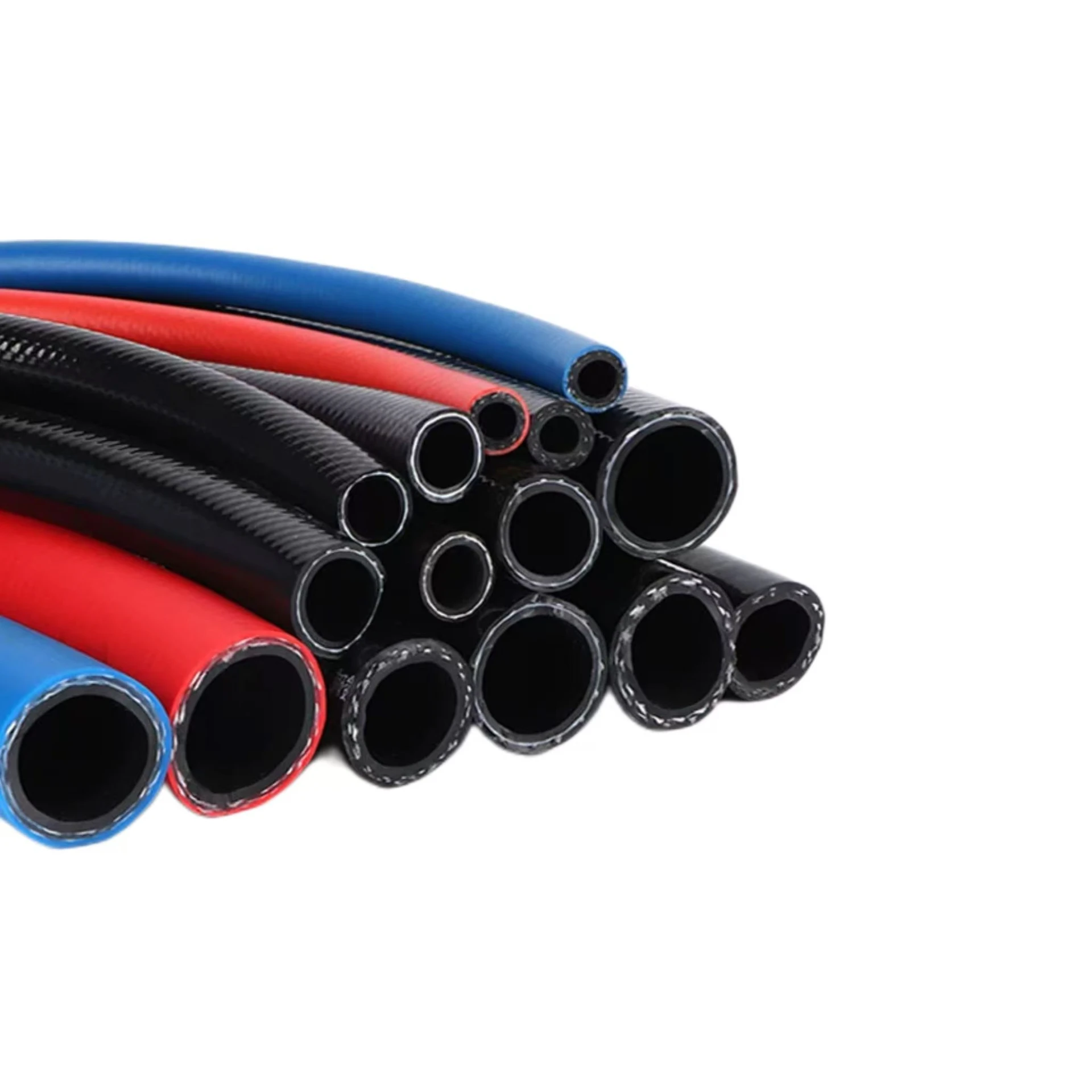
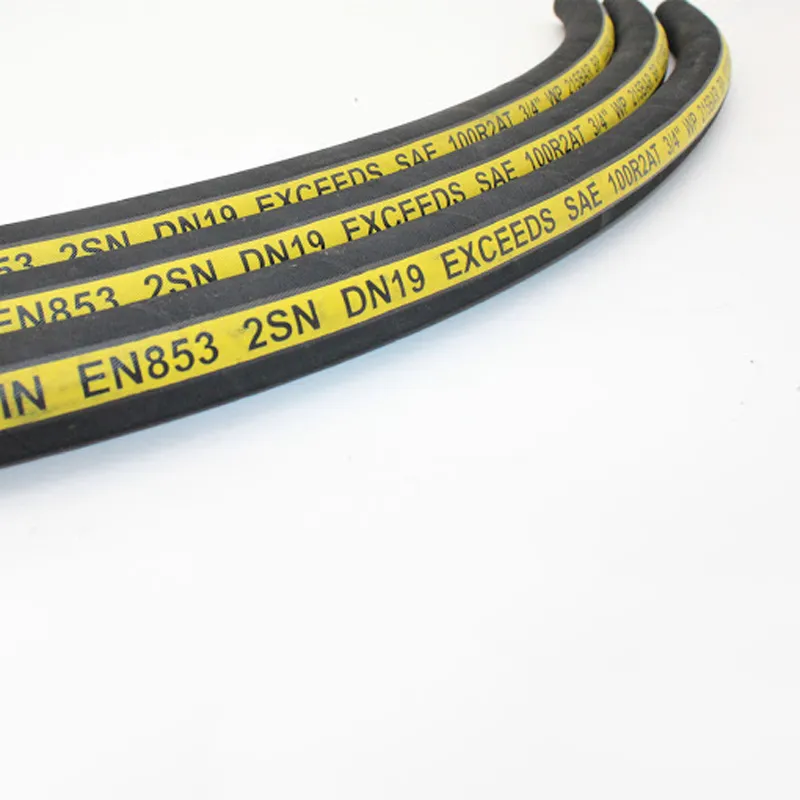
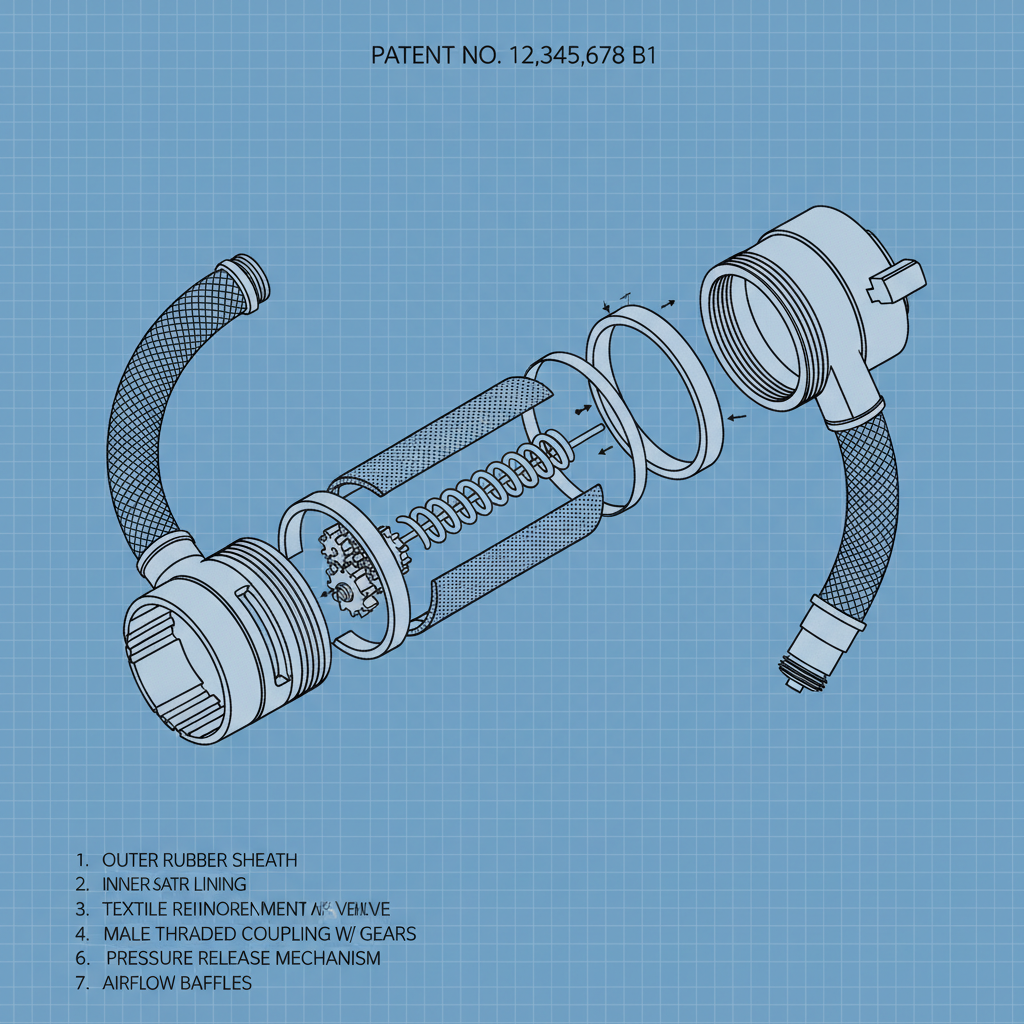
A 1 2 inch rubber air hose is a versatile choice for many applications due to its manageable weight and adequate airflow. Rubber construction provides excellent resistance to abrasion, weathering, and oils, making it ideal for demanding environments. Key features include its flexibility, allowing for easy maneuvering around obstacles, and its ability to withstand high pressure. Furthermore, quality hoses are reinforced with braiding to prevent bursting and ensure longevity. Selecting a hose with durable fittings is equally important for a secure and leak-free connection. You can explore a range of high-quality rubber air hoses at ZSmartFlexHose.
Key Highlights: Rubber construction offers superior durability, flexibility, and resistance to abrasion, weathering, and oils.
Applications of 1 2 Inch Rubber Air Hose
The versatility of a 1 2 inch rubber air hose makes it suitable for a wide range of applications. Common uses include powering pneumatic tools in automotive repair shops, construction sites, and woodworking studios. It's also excellent for inflating tires, powering air compressors, and various cleaning tasks. Its manageable size and weight make it a preferred choice for both professional and DIY users. From spray painting to powering nail guns, this hose offers the reliable airflow needed for efficient operation.
Common Applications:
• Automotive Repair
• Construction
• Woodworking
• Tire Inflation
1 2 Inch Rubber Air Hose: Material & Pressure Ratings
The quality of a 1 2 inch rubber air hose is greatly determined by its material composition and pressure rating. Common rubber compounds include SBR (Styrene-Butadiene Rubber) and EPDM (Ethylene Propylene Diene Monomer). EPDM offers superior resistance to ozone, weathering, and heat, making it ideal for outdoor use. Pressure ratings typically range from 300 PSI to 500 PSI or higher. Choosing a hose with a pressure rating exceeding your tool’s maximum requirement provides an added margin of safety. Here’s a comparison of common rubber hose materials:
Choosing the Right Fittings for Your 1 2 Inch Air Hose
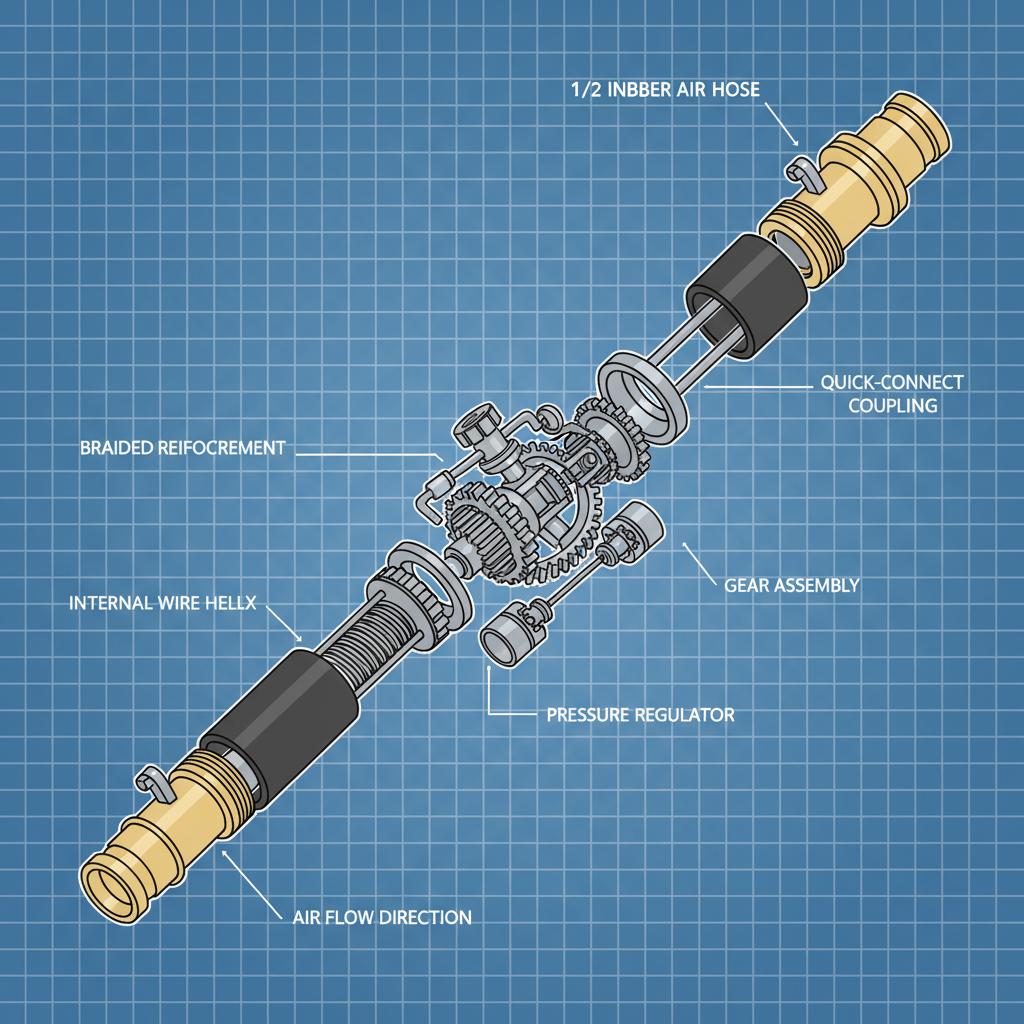
The fittings on your air hose are just as important as the hose itself. Common fitting materials include brass, aluminum, and stainless steel. Brass fittings offer excellent corrosion resistance but can be heavier. Aluminum fittings are lightweight but less durable. Stainless steel provides the best combination of strength, corrosion resistance, and longevity. Ensure that the fittings are securely attached to the hose and compatible with your air tools. Always inspect the fittings for damage before each use. ZSmartFlexHose offers a wide selection of air hose fittings to suit various applications.
Maintenance and Care for Extended Lifespan
Proper maintenance is crucial for extending the lifespan of your 1 2 inch rubber air hose. After each use, drain any remaining air and water from the hose to prevent corrosion. Store the hose in a cool, dry place away from direct sunlight and extreme temperatures. Regularly inspect the hose for cracks, abrasions, or leaks. Replace the hose immediately if any damage is detected. Avoid kinking the hose, as this can weaken the rubber and reduce airflow. With proper care, your air hose will provide years of reliable service.
Conclusion: Choosing the Right 1 2 Inch Rubber Air Hose
Selecting the right 1 2 inch rubber air hose is an investment in efficiency and safety. By considering the material, pressure rating, fittings, and maintenance requirements, you can choose a hose that meets your specific needs and provides years of reliable performance. Don't compromise on quality - choose a hose from a trusted supplier like ZSmartFlexHose.
Frequently Asked Questions (FAQs)
What is the maximum working pressure for a 1 2 inch rubber air hose?
The maximum working pressure varies depending on the hose's construction and reinforcement. Most 1 2 inch rubber air hoses have a working pressure between 300 PSI and 500 PSI. It's crucial to check the hose's markings or specifications to confirm its pressure rating. Exceeding the maximum working pressure can lead to hose failure and potential injury. Always use a regulator to control the air pressure and ensure it remains within the hose’s limits.
How do I properly store a rubber air hose?
Proper storage is vital for extending the lifespan of your air hose. After use, completely drain the hose of any air and water. Coil the hose loosely to avoid kinking or stressing the rubber. Store it in a cool, dry, and well-ventilated area, away from direct sunlight, heat sources, and chemicals. Avoid storing it in areas where it may be stepped on or damaged. A hose reel can be a convenient storage solution.
What are the benefits of using a rubber air hose over a PVC hose?
Rubber air hoses offer several advantages over PVC hoses. They are more flexible, especially in cold temperatures, and have better resistance to abrasion, oil, and weathering. Rubber hoses are also less likely to crack or become brittle over time. While PVC hoses are generally cheaper, rubber hoses provide superior durability and performance, making them a better long-term investment.
How can I prevent leaks in my air hose connections?
To prevent leaks, ensure that the hose and fittings are compatible and that the connections are tight. Use Teflon tape on the threads of male fittings to create a better seal. Regularly inspect the fittings for damage or corrosion. If a fitting is damaged, replace it immediately. A properly tightened connection, combined with good quality fittings, will minimize the risk of leaks.
Z-Smartflex delivers superior-quality industrial hoses and fittings with global reliability, offering you durable solutions and exceptional service for all your fluid transfer needs.