Why the 6 An Braided Hose is a Game-Changer in Industrial Applications
If you’ve spent any time around industrial equipment or fluid transfer systems, you’ve probably encountered braided hoses before. But the 6 An braided hose stands out in ways that aren’t immediately obvious until you get your hands on one and put it through its paces.
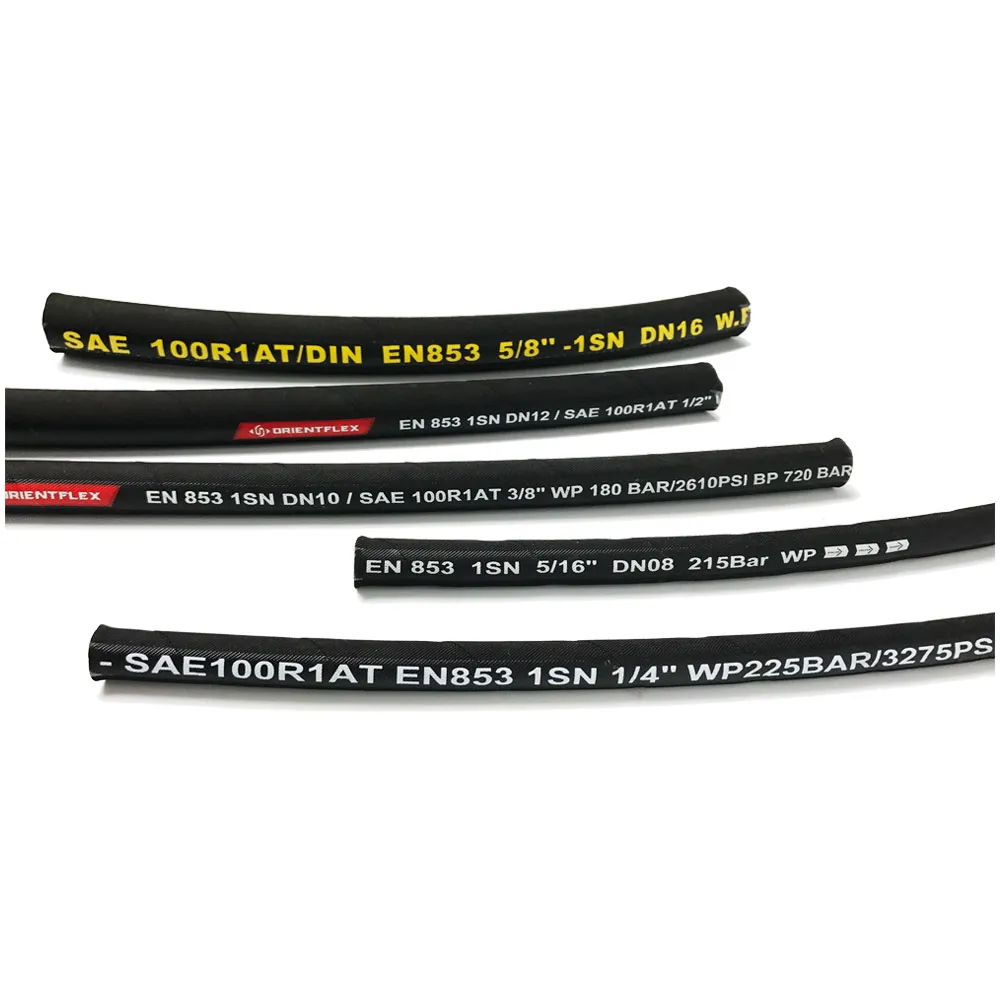
Frankly, I’ve worked with a wide variety of hoses over the years, and the “6 An” size - which, by the way, refers to a nominal fitting size common in hydraulic and fuel line applications - balances flexibility, strength, and flow capacity in a way that feels both reliable and versatile. Oddly enough, many engineers underestimate how crucial the braided layer is: it’s not just for looks or minor abrasion resistance, it’s the backbone of pressure tolerance.
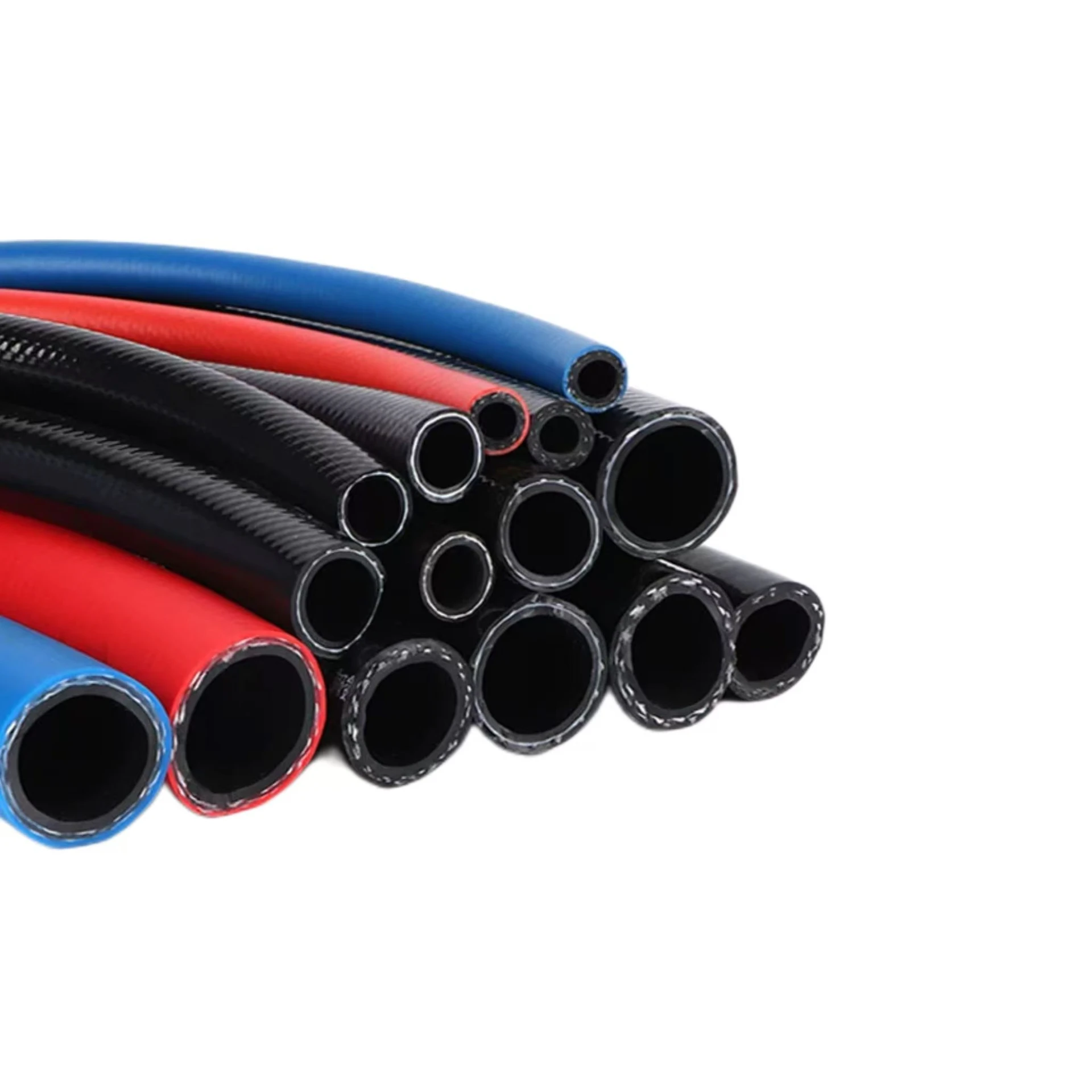
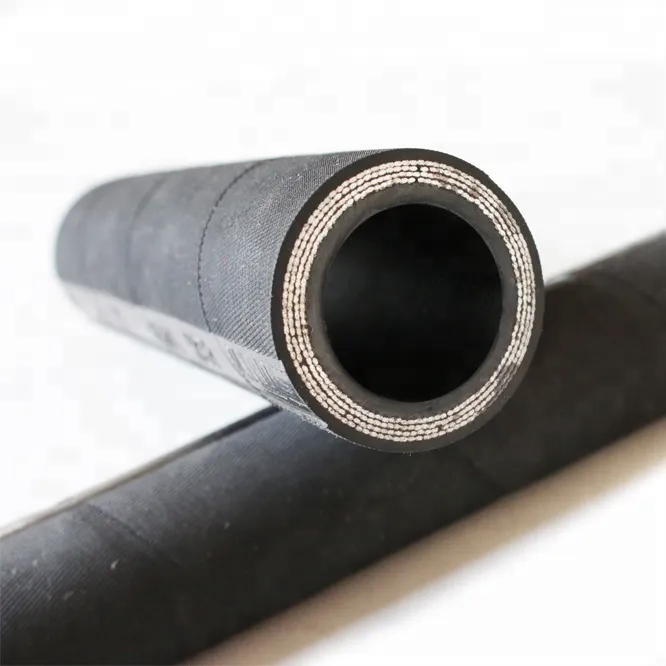
To give you some context, the braided layer on these hoses is typically stainless steel wire, woven in multiple layers. This protects the inner tube from damage and helps it maintain integrity under high pressure. For systems that might operate at hundreds of PSI, that layering is non-negotiable.
Here’s a quick rundown of why I find the 6 An braided hose so valuable:
- Durability: The braided steel withstands scuffing, abrasion, and even impacts better than many alternatives.
- Flexibility: Despite being reinforced, these hoses aren’t stiff. They bend easily enough to route through confined spaces without kinking.
- Pressure Ratings: Typical burst pressures can exceed 3,000 PSI, depending on the hose construction and material grades.
- Temperature Range: Most handle -40°F up to +300°F, which covers a wide range of industrial environments.
I remember a particular project a few years back where our team had to replace fuel lines on a fleet of construction vehicles. We chose 6 An braided hoses, and the client later told us they noticed improved reliability even under tough off-road conditions. That’s always comforting feedback.
6 An Braided Hose - Key Product Specifications
| Specification | Details |
|---|---|
| Inner Tube Material | PTFE (Polytetrafluoroethylene) |
| Outer Braiding | 304 Stainless Steel Wire |
| Operating Pressure | Up to 3,000 PSI (varies by construction) |
| Temperature Range | -40°F to +300°F (-40°C to +150°C) |
| Nominal Hose ID | 3/8 inch (approx. 0.375 in.) |
| Braid Layers | Single or Double Braided Options |
Naturally, not all 6 An braided hoses are created equal. The industry sees variations in braid density, inner tube compositions (some use rubber blends instead of PTFE), and end fitting types. It’s always good to check if you need, say, a stainless steel fitting or a zinc-plated one, and of course whether your fluid compatibility demands specific inner liner materials.
Comparing Top Vendors for 6 An Braided Hoses
| Vendor | Material Quality | Pressure Rating (PSI) | Lead Time | Customization Options |
|---|---|---|---|---|
| ZSmart Flex Hose | Premium PTFE & 304 SS braid | Up to 3,500 PSI | 1-2 weeks | Tailored lengths & fittings |
| Alpha Hose Co. | Standard PTFE & SS braid | Up to 3,000 PSI | 2-3 weeks | Standard fittings only |
| Beta Industrial | Rubber liner with braid | 2,500 PSI max | 3-4 weeks | Custom fittings available |
A few things I always dig into before I buy: Are the braid layers fully tested for burst and impulse? Does the vendor provide certifications and batch traceability? Honestly, with fluid systems, you want peace of mind. And speaking from experience, cheaper hoses that cut corners usually end up costing more downtime.
So, if you’re in the market, take some time to consider your exact application needs. Sometimes the 6 An size is perfect for fuel injection lines, hydraulic brake systems, or coolant lines. And sometimes, the braided hose is less about demand and more about safety margins. That little layer of steel wire means the difference between a system that holds up and one that lets you down when you least expect it.
In real terms, having reliable parts like a 6 An braided hose isn’t glamorous, but it’s essential. After all, most operators just want their machines to run smoothly without fuss – and these hoses help make that happen.
Takeaway: Choosing the right braided hose often boils down to knowing your specs, trusting your vendor, and never underestimating the small components that keep big systems running.
References
- Manufacturer datasheets from ZSmart Flex Hose, 2023
- Industry standards for hydraulic hoses - SAE J517
- Technical interviews with field engineers - Industrial Fluid Solutions Journal, 2022
Z-Smartflex delivers superior-quality industrial hoses and fittings with global reliability, offering you durable solutions and exceptional service for all your fluid transfer needs.