Understanding the 3 Chemical Hose: Essential for Efficient Industrial Fluid Transfer
Having spent many years in the industrial equipment sector, I can tell you: not all hoses are created equal, and 3 chemical hose is a fascinating category packed with engineering nuances that often get overlooked. You see, when you’re dealing with aggressive chemicals, temperature swings, and high pressures, the hose connecting your system must not just perform—it must endure.
In real terms, the right chemical hose can make or break your operational uptime. It's not just some flexible tube; it’s a vital link ensuring safety, efficiency, and longevity of your entire system. Oddly enough, many engineers I've worked with underestimate how crucial the hose design is—until they face unexpected failures or costly downtime.
Industry Trends and Material Insights
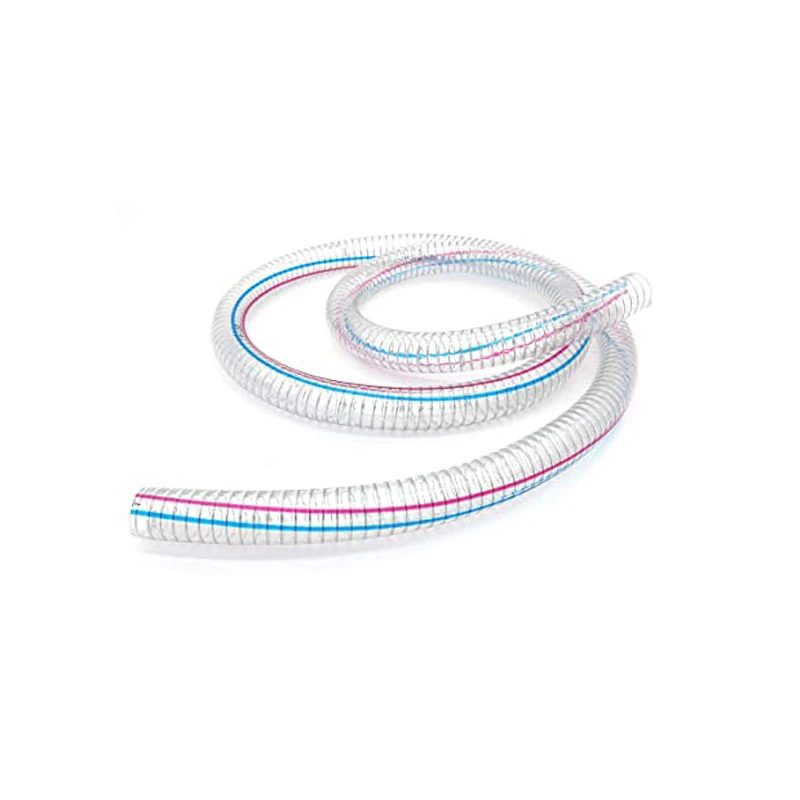
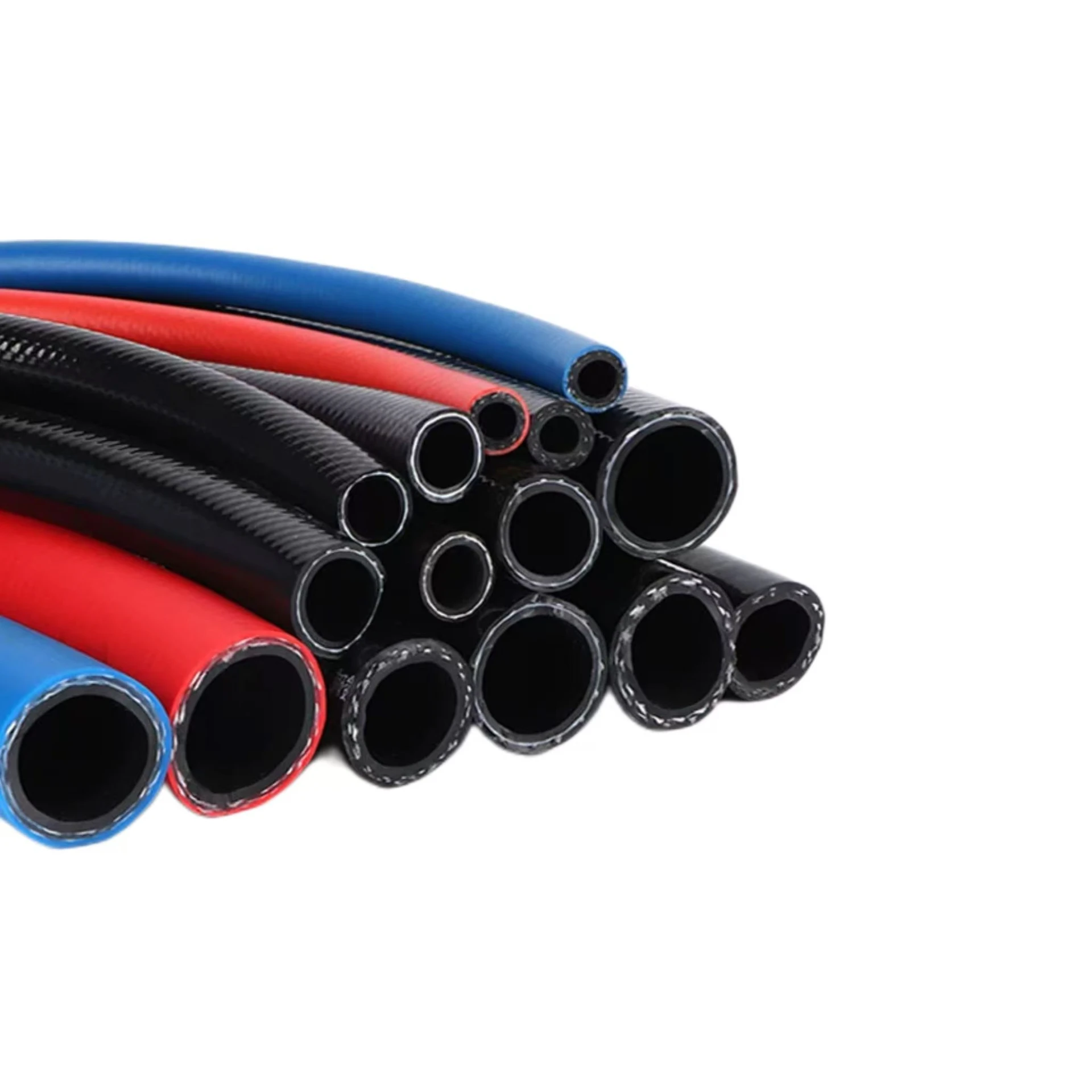
The chemical hose market has evolved significantly over the last decade. Today, you'll find hoses constructed from layers of synthetic rubbers, PTFE linings, and reinforced with multiple textile or steel braids. This multi-layer approach balances chemical resistance, flexibility, and pressure endurance. Oddly enough, something as small as the type of reinforcement braid can drastically change the hose’s fatigue life.
I've always been partial to PTFE-lined hoses. They offer exceptional chemical inertness, which means almost no reaction with acids, solvents, or corrosive fluids. Plus, PTFE has a remarkably wide temperature range—from cryogenic lows to near 260°C highs—which frankly keeps chemical engineers quite happy.
Testing and Customization: A Necessary Combination
For anyone new to this industry, one surprising fact is how tailored these hoses need to be. Testing protocols for chemical hoses include pressure cycling, burst testing, and chemical exposure assessments. You want to mimic real conditions—and sometimes worst-case scenarios—before approving a hose for field use.
What I noticed over several projects is that customization is often overlooked in favor of off-the-shelf options. And yet, specific fittings, length, bend radius, and cover materials can greatly enhance hose life and safety. Many manufacturers are beginning to offer modular designs that let you adjust these parameters with minimal lead time.
| Characteristic | Specification |
|---|---|
| Inner Liner | PTFE or EPDM rubber |
| Reinforcement | High-tensile textile braid or stainless steel wire |
| Temperature Range | -40°C to +260°C |
| Pressure Rating | Up to 30 bar (dependent on size and construction) |
| Cover Material | Chloroprene or Nitrile rubber for chemical resistance |
Now, let me share a quick story from the field… At one chemical plant I visited, they had persistent downtime from a hose failure that was causing leaks and safety risks. Turns out, they were using generic hoses not suited for the harsh terpene solvents in their process. Once they switched to a proper 3 chemical hose tailored with a PTFE liner and stainless steel braid, the issue vanished. Needless to say, the operations team was very relieved—and I got a fresh cup of coffee as thanks!
| Feature | ZSmart Flexhose | Competitor A | Competitor B |
|---|---|---|---|
| Custom Lengths | Available with fast turnaround | Standard lengths only | Available but longer lead |
| Certification | ISO 9001 & CE approved | ISO 9001 only | No formal certification |
| Chemical Compatibility | Extensive solvent and acid range | Limited to acids | General purpose only |
| Lead Time | 2–3 weeks typical | 4–6 weeks | 3–4 weeks |
In my experience, the key takeaway with 3 chemical hose is that choosing the right construction and supplier isn’t just a technicality—it’s critical for your process's safety and reliability. Don’t skimp on the specs or testing; a bit more upfront effort saves plenty in repair costs and downtime later.
For anyone navigating the tricky waters of industrial chemical fluid transfer, I hope this sheds some light. Frankly, a great hose often goes unnoticed... until it isn’t there when you need it.
References:1. “Industrial Hose Engineering”. Chemical Processing Journal, 2022.
2. Manufacturer datasheets and ISO certification archives.
3. Personal interviews with field engineers, 2018–2023.
Z-Smartflex delivers superior-quality industrial hoses and fittings with global reliability, offering you durable solutions and exceptional service for all your fluid transfer needs.