Choosing the Right Rubber Hose for Water Pump Applications
Selecting the appropriate rubber hose for your water pump is crucial for efficient and reliable operation. A substandard hose can lead to leaks, reduced flow rates, and even system failures. This guide will explore the key considerations when choosing a rubber hose, focusing on materials, applications, and specifications. Understanding these factors ensures you select a hose that meets your specific needs and maximizes the lifespan of your pumping system. Whether you're involved in agriculture, industrial processes, or domestic water management, the right hose makes all the difference.
Understanding Rubber Hose Materials
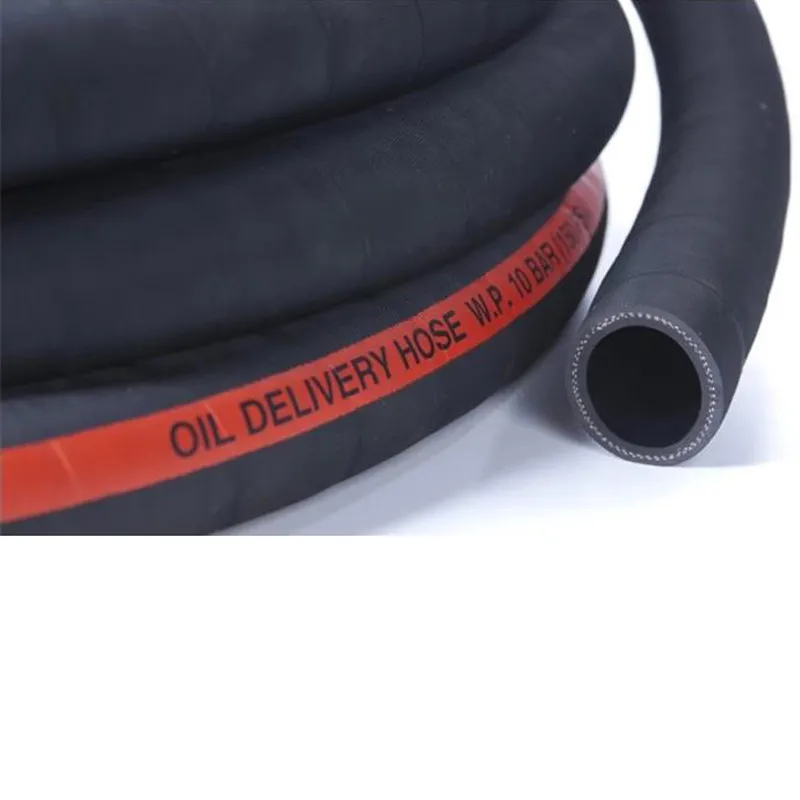
Rubber hoses are not created equal. Different rubber compounds offer varying levels of resistance to abrasion, chemicals, temperature, and pressure. Common materials include Natural Rubber, SBR (Styrene-Butadiene Rubber), EPDM (Ethylene Propylene Diene Monomer), and Nitrile Rubber. Natural rubber is known for its flexibility and good abrasion resistance, but it's not suitable for oil-based applications. SBR is a more cost-effective alternative but has lower heat and oil resistance. EPDM offers excellent resistance to weathering, ozone, and chemicals, making it ideal for outdoor use and various industrial fluids. Nitrile rubber excels in its resistance to oils, fuels, and hydraulic fluids. Choosing the correct material depends entirely on the fluid being pumped and the operating environment. Zsmartflexhose offers a diverse range of rubber hoses tailored to specific applications.
Key Takeaway: Selecting the correct rubber compound is paramount to ensure the longevity and safe operation of your water pumping system.
Key Factors When Choosing a Rubber Hose for Water Pump
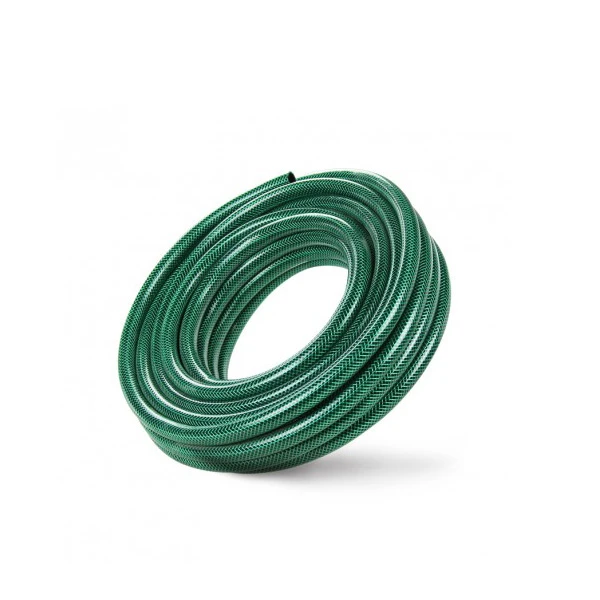
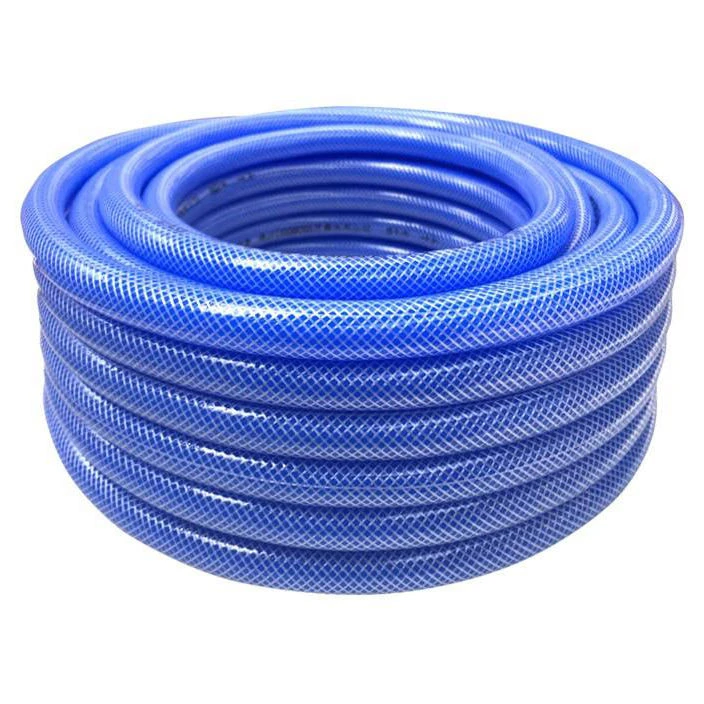
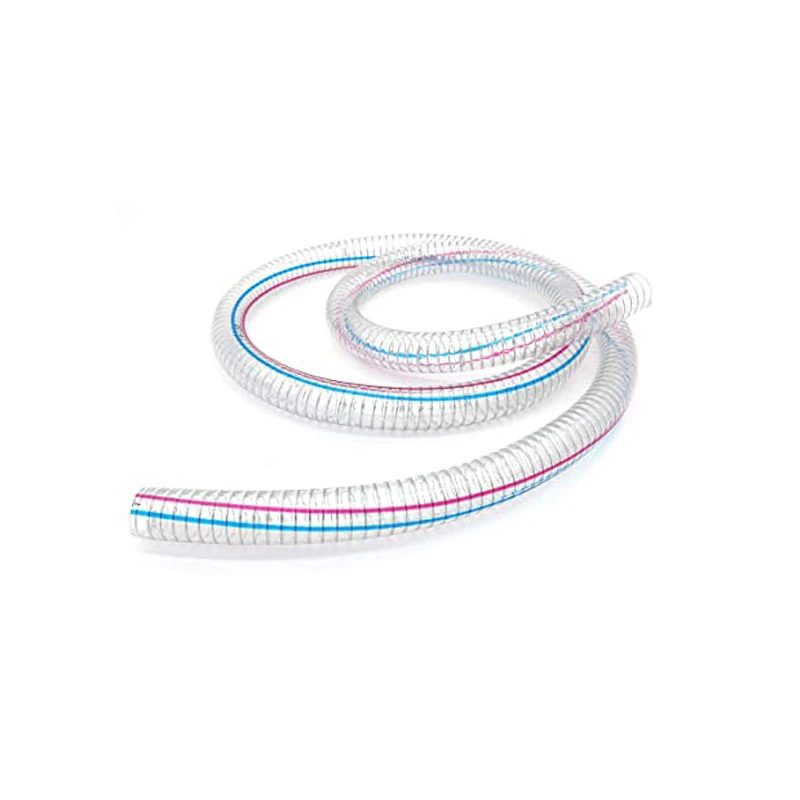
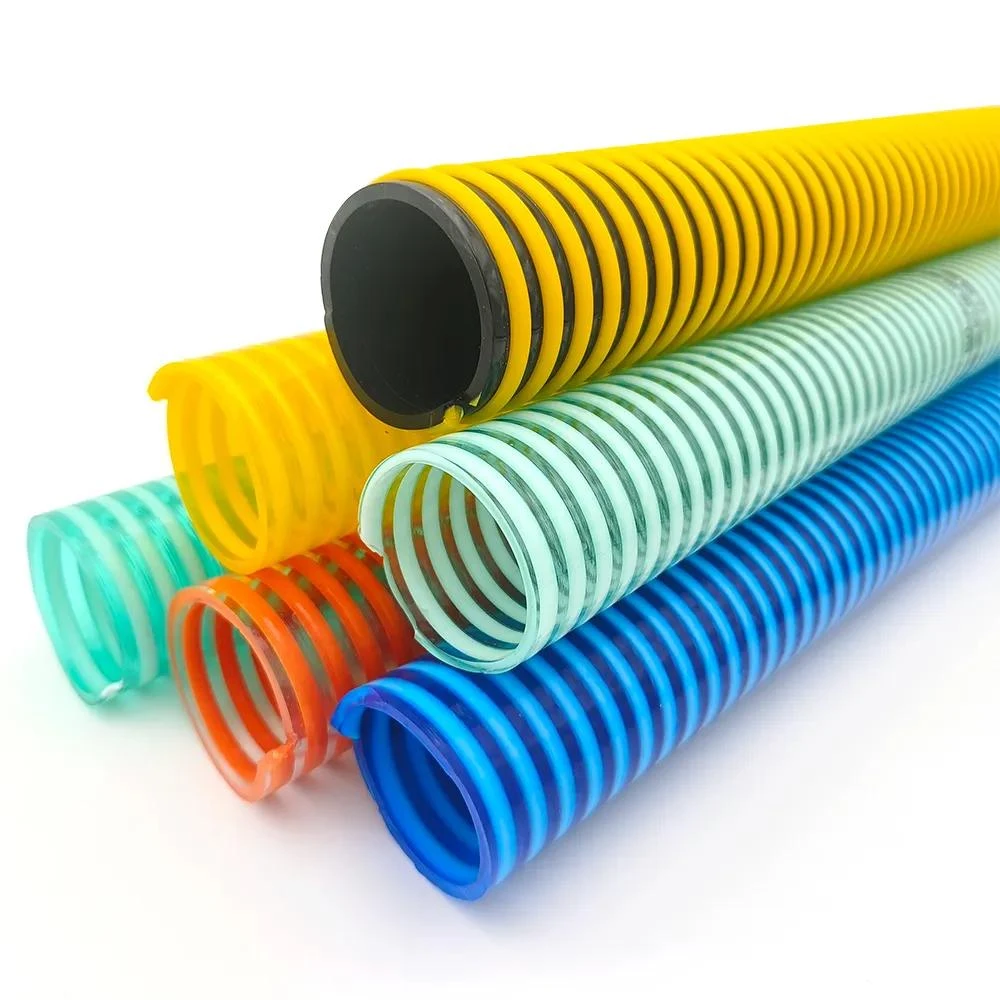
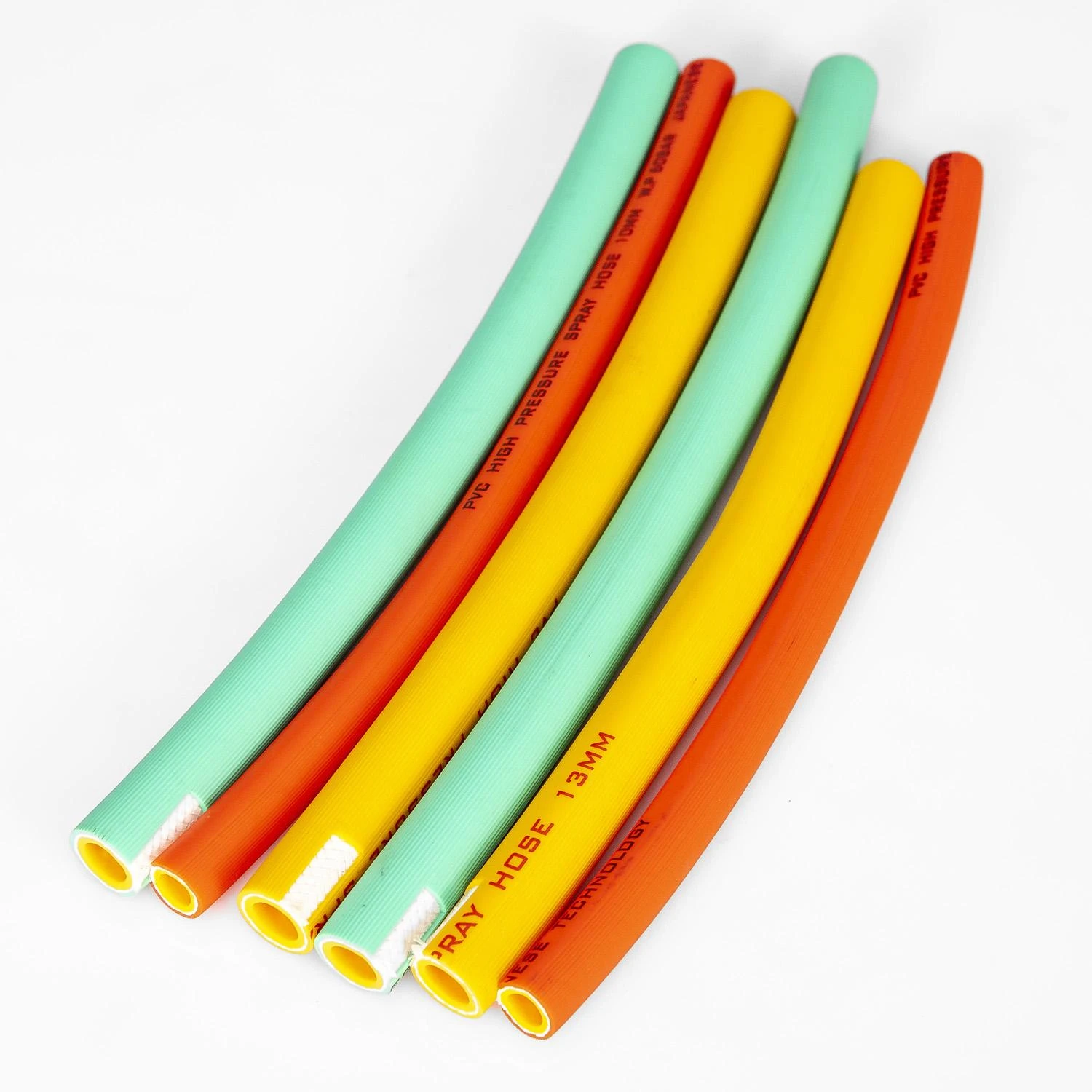
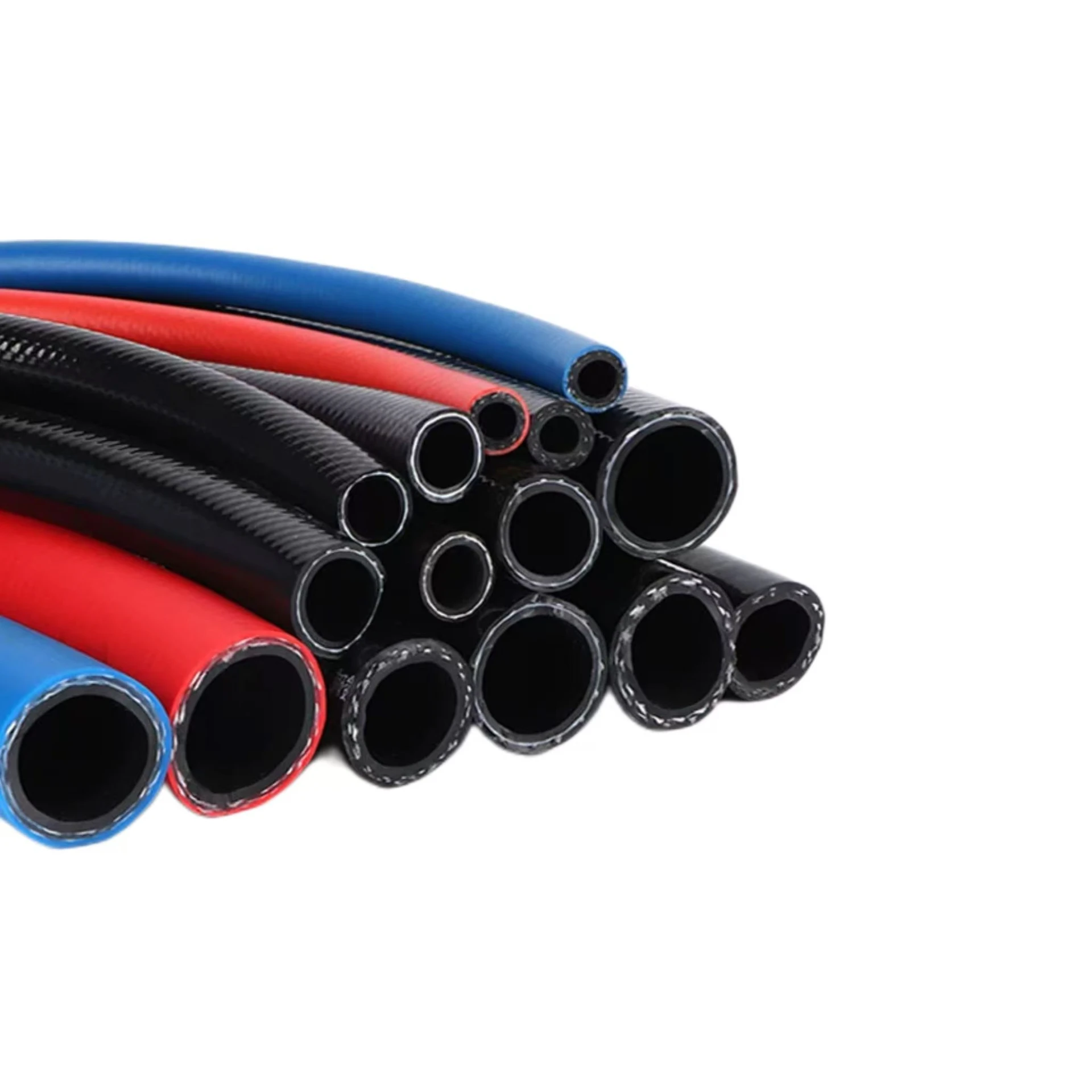
Beyond the rubber compound, several other factors dictate the suitability of a hose. Pressure rating is critical – ensure the hose can withstand the maximum pressure generated by your pump. Temperature range is equally important, considering both the fluid temperature and ambient conditions. Hose diameter influences flow rate; a smaller diameter increases friction loss, while a larger diameter may exceed pump capacity. Finally, consider the hose's flexibility and bend radius to ensure it can be routed without kinking or stressing the hose. Reinforcement materials, such as textile braiding or wire spiraling, enhance the hose’s strength and resistance to bursting.
Essential Considerations:
• Pressure Rating: Match to pump output.
• Temperature Range: Account for fluid and ambient temperatures.
• Hose Diameter: Optimize for flow rate.
• Reinforcement: Enhance strength and durability.
Comparing Rubber Hose Types for Common Applications
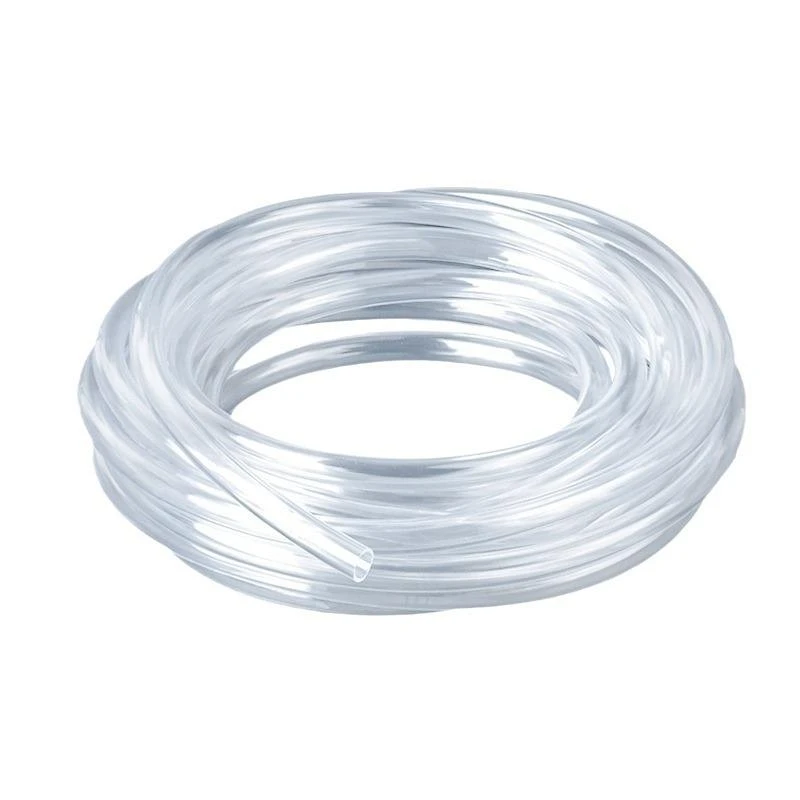
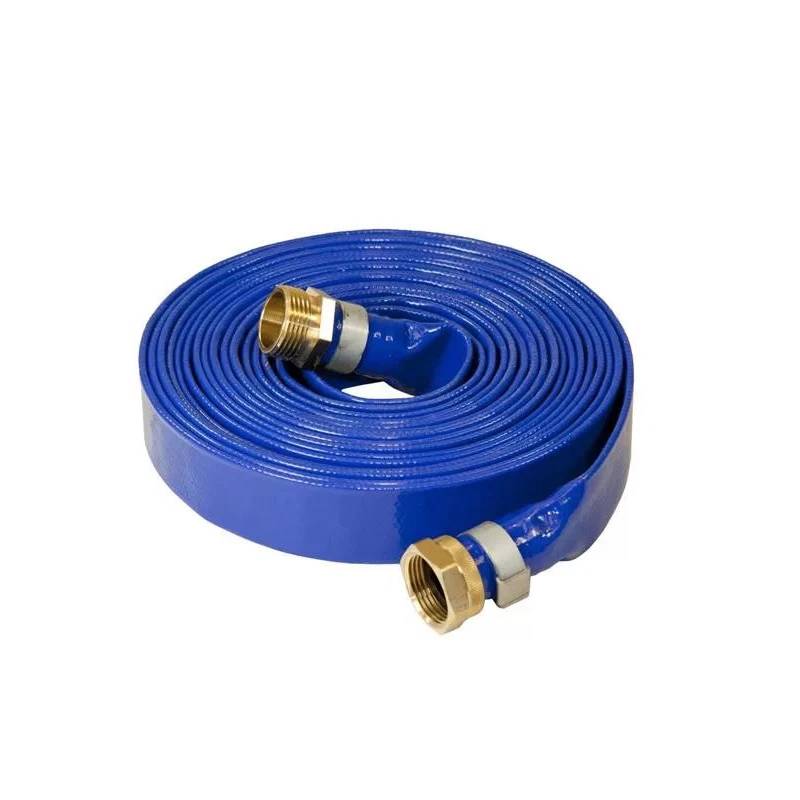
Different applications demand specific hose characteristics. Agricultural irrigation often utilizes EPDM hoses due to their excellent weather resistance and compatibility with fertilizers. Industrial water transfer may require nitrile rubber hoses to handle oils and chemicals present in the water source. Domestic water pumping, while often using simpler materials, benefits from hoses designed for potable water, ensuring no harmful substances leach into the water supply. The following table provides a comparative overview:
Product Specifications & Dimensions
The following table highlights a few key specifications of our popular rubber hoses. Always consult the manufacturer’s datasheet for complete details.
Conclusion: Selecting the Optimal Rubber Hose
Choosing the right rubber hose for your water pump is an investment in the reliability and efficiency of your system. By carefully considering the application, fluid compatibility, pressure requirements, and temperature range, you can select a hose that will provide years of dependable service. Zsmartflexhose offers a wide selection of high-quality rubber hoses designed to meet the most demanding applications.
Frequently Asked Questions (FAQs)
What is the lifespan of a typical rubber hose used for water pumping?
The lifespan of a rubber hose depends heavily on operating conditions and the quality of the hose itself. Factors such as exposure to UV radiation, temperature extremes, chemical exposure, and pressure fluctuations all contribute to degradation. A well-maintained, high-quality rubber hose can typically last between 3 to 7 years. Regular inspection for cracks, bulges, or leaks is crucial. Replacing the hose proactively can prevent unexpected failures and costly downtime. Using protective measures like hose sleeves or proper storage when not in use can also extend its lifespan.
How do I determine the correct hose diameter for my water pump?
The correct hose diameter is crucial for optimal pump performance. Too small a diameter will increase friction loss, reducing flow rate and potentially damaging the pump. Too large a diameter can decrease the fluid velocity, leading to sedimentation and inefficiencies. Consult your pump’s specifications to determine the recommended hose diameter. Generally, matching the hose diameter to the pump outlet is a good starting point. Consider the length of the hose as well – longer hoses require larger diameters to minimize friction loss. It's better to slightly oversize the hose than to undersize it.
Can I use a rubber hose for both hot and cold water applications?
Not all rubber hoses are suitable for both hot and cold water. Standard rubber compounds may degrade at higher temperatures. You need to select a hose specifically rated for the temperature range of your application. EPDM hoses generally offer good temperature resistance for both hot and cold water, but always check the manufacturer’s specifications to confirm the operating temperature limits. Using a hose outside its rated temperature range can lead to premature failure and potential hazards.
What reinforcement types are available for rubber hoses and what are their benefits?
Rubber hoses are often reinforced to increase their strength and resistance to bursting. Common reinforcement types include textile braiding (typically polyester or nylon) and wire spiraling (steel wire). Textile braiding provides good flexibility and moderate pressure resistance. Wire spiraling offers higher pressure resistance and improved kink resistance but can make the hose less flexible. The choice of reinforcement depends on the application’s pressure requirements and desired flexibility. For high-pressure applications, wire-reinforced hoses are generally preferred.
Z-Smartflex delivers superior-quality industrial hoses and fittings with global reliability, offering you durable solutions and exceptional service for all your fluid transfer needs.