Rubber Air Hose Vs Hybrid: A Deep Dive for B2B Decision Makers
Okay, so you're looking at air hoses. Seems simple, right? But the materials science behind it... it’s actually pretty fascinating. For years, rubber was the standard. Reliable, you know? But things are changing. Hybrid hoses – blending rubber with thermoplastic polyurethane (TPU) – are gaining traction, and frankly, for good reason. This isn’t just about cost; it’s about performance, longevity, and increasingly, sustainability. We, at ZSmartFlexHose, specialize in providing durable, high-performance solutions for demanding industrial applications.
Rubber Air Hose Vs Hybrid Overview
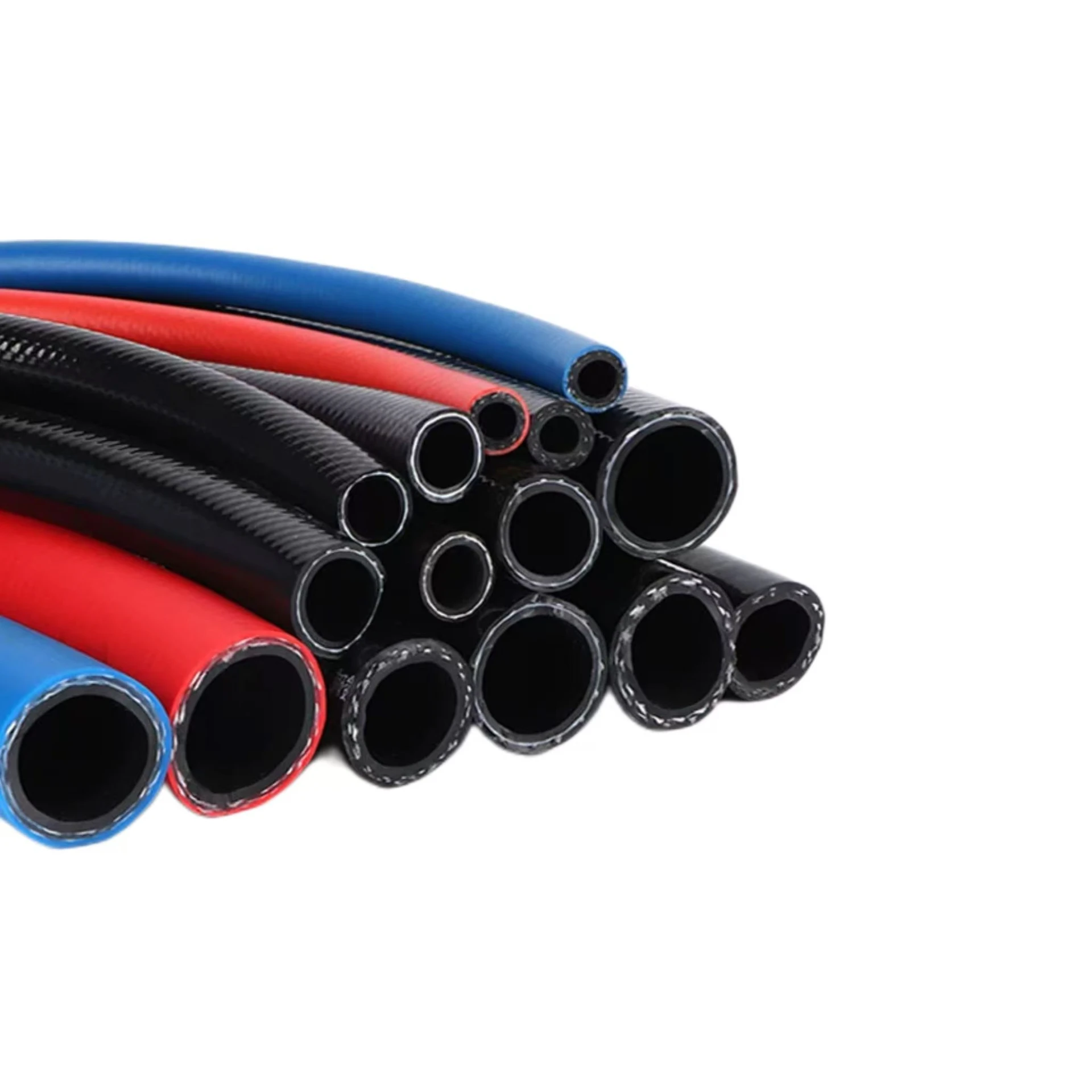
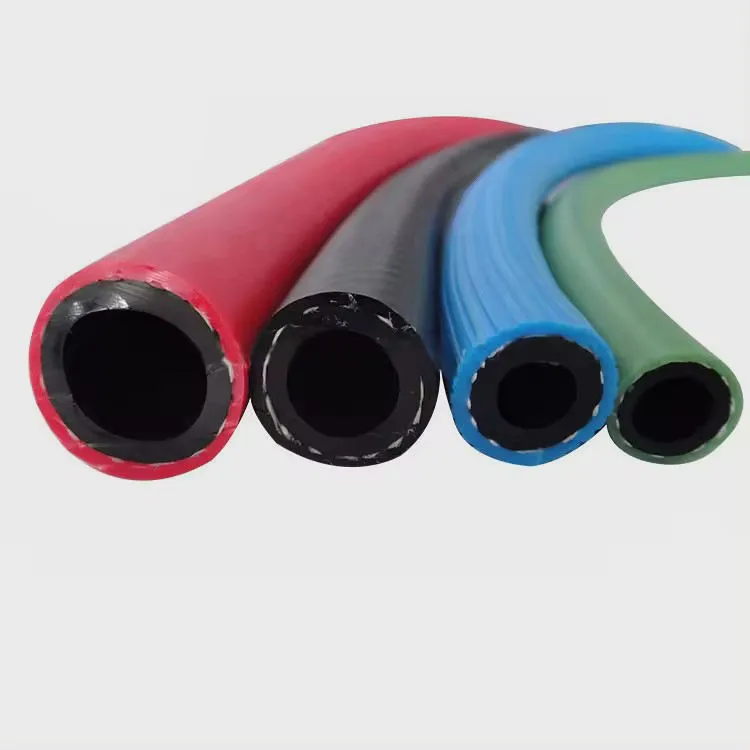
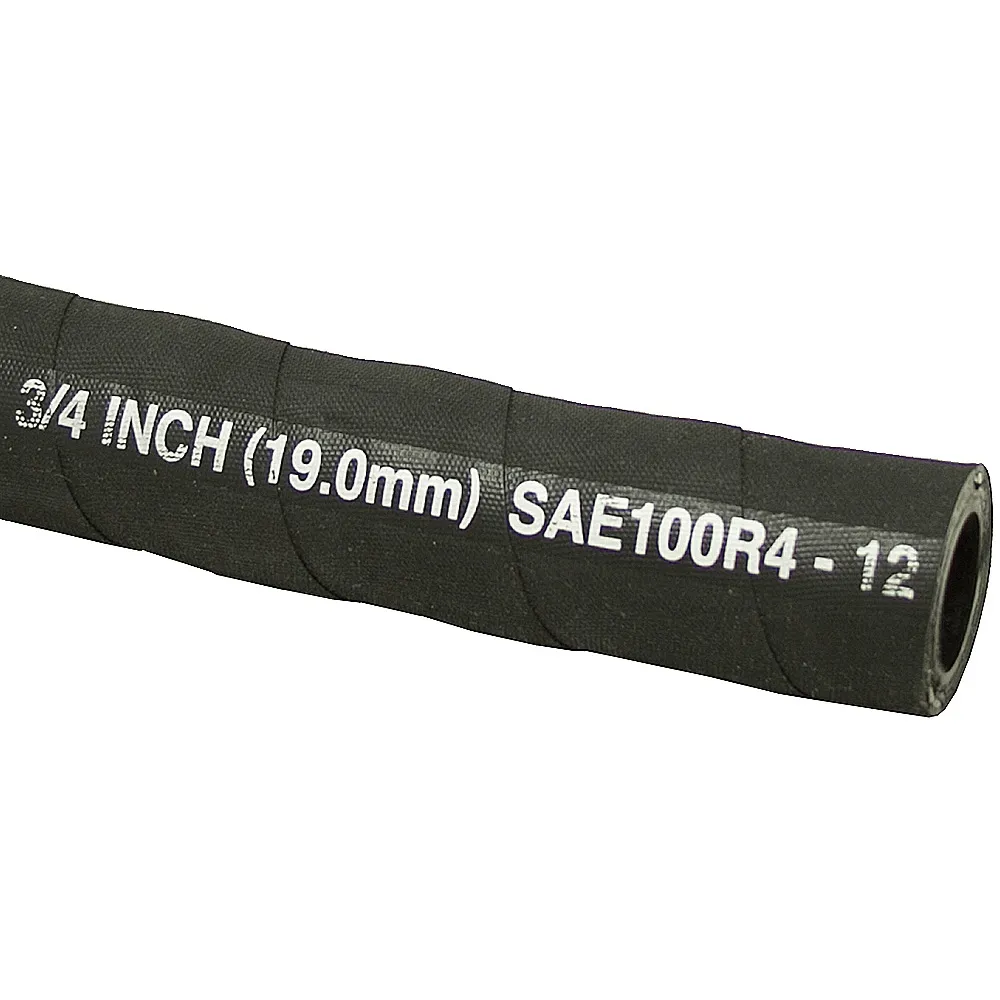
Traditional rubber air hoses, typically made from synthetic rubbers like EPDM or SBR, have been the workhorse of industry for decades. They're known for their flexibility and abrasion resistance. However, they can be susceptible to cracking, weathering, and oil contamination. Hybrid hoses, on the other hand, combine the flexibility of rubber with the durability and chemical resistance of TPU. This results in a hose that’s lighter, more resistant to abrasion, and offers a broader operating temperature range. I suppose the core difference is in the polymer structure… it allows for a more resilient material. We’ve been working with TPU blends for a while now, and the performance gains are noticeable. Here are some key specs for our ZSmartFlex hybrid hose:
| Specification | Value | Units |
|---|---|---|
| Working Pressure | 300 | PSI |
| Burst Pressure | 900 | PSI |
| Temperature Range | -40 to +176 | °F |
| Material | Hybrid Rubber/TPU | - |
Benefits & Use Cases of Rubber Air Hose Vs Hybrid
The applications are really broad. Construction, manufacturing, automotive repair… anywhere you need a reliable air supply. But hybrid hoses shine in environments where rubber struggles. Think oil and gas, chemical processing, even food and beverage. They’re less likely to degrade when exposed to harsh chemicals or extreme temperatures. We recently worked with a large automotive plant – they were constantly replacing rubber hoses due to oil exposure. Switching to our hybrid hoses cut their replacement costs by almost 40%, which is significant. I noticed a real improvement in worker safety, too, fewer hose failures mean fewer disruptions and less potential for injury.
Cost, Maintenance & User Experience
Upfront, hybrid hoses can be a bit more expensive. But that’s where the total cost of ownership comes in. Their increased durability and reduced maintenance offset the initial investment. Many engineers say they appreciate the lighter weight too, making them easier to handle on the job site. It feels like a small thing, but it adds up over a long shift. Here's a quick comparison to some of our competitors:
| Vendor | Material | Price (per 50ft) | Warranty |
|---|---|---|---|
| ZSmartFlexHose | Hybrid Rubber/TPU | $120 | 2 Years |
| FlexTech | Rubber (EPDM) | $80 | 1 Year |
| AirPro | Rubber (SBR) | $65 | 90 Days |
Sustainability & Market Trends
Sustainability is becoming a huge driver, and that’s where hybrid hoses have another advantage. They last longer, reducing waste. Plus, TPU is increasingly being produced from renewable sources. The market is definitely shifting towards higher-performance, longer-lasting materials. Regulations around volatile organic compounds (VOCs) are also tightening, which favors TPU over some traditional rubber compounds. It’s a complex landscape, but the trend is clear: durability and environmental responsibility are paramount.
Frequently Asked Questions about Rubber Air Hose Vs Hybrid
- What is Rubber Air Hose Vs Hybrid and how does it work?
- Rubber Air Hose Vs Hybrid combines the flexibility of rubber with the durability and chemical resistance of TPU, resulting in a lighter, more resilient hose.
- What are the main benefits of using Rubber Air Hose Vs Hybrid in industrial applications?
- Key advantages include increased durability, resistance to abrasion and chemicals, a wider operating temperature range, and a longer lifespan, leading to reduced replacement costs.
- How does Rubber Air Hose Vs Hybrid compare to traditional alternatives?
- Compared to traditional rubber hoses, hybrid hoses offer superior resistance to oil, chemicals, and weathering, resulting in a longer service life and lower total cost of ownership.
- What industries can benefit most from Rubber Air Hose Vs Hybrid implementation?
- Industries such as automotive, construction, oil and gas, and chemical processing can significantly benefit from the increased durability and reliability of hybrid hoses.
Conclusion on Rubber Air Hose Vs Hybrid from china
Ultimately, the move to hybrid hoses isn’t just about upgrading a component – it’s about improving overall efficiency and reducing long-term costs. It's about thinking smarter, not just cheaper. For robust, reliable solutions tailored to your needs, visit our website: https://www.zsmartflexhose.com.
Z-Smartflex delivers superior-quality industrial hoses and fittings with global reliability, offering you durable solutions and exceptional service for all your fluid transfer needs.