
Everything You Need to Know About a 50 ft Rubber Air Hose
When it comes to powering pneumatic tools, inflating tires, or handling various air-powered applications, a reliable 50 ft rubber air hose is essential. Choosing the right hose can significantly impact efficiency, safety, and the lifespan of your equipment. This article will cover everything you need to know, from selecting the best hose for your needs to proper care and maintenance, ensuring you get the most out of your investment. A quality air hose is a cornerstone of many workshops and job sites, offering flexibility and durability for a wide range of tasks.
Understanding the Benefits of a 50 ft Rubber Air Hose
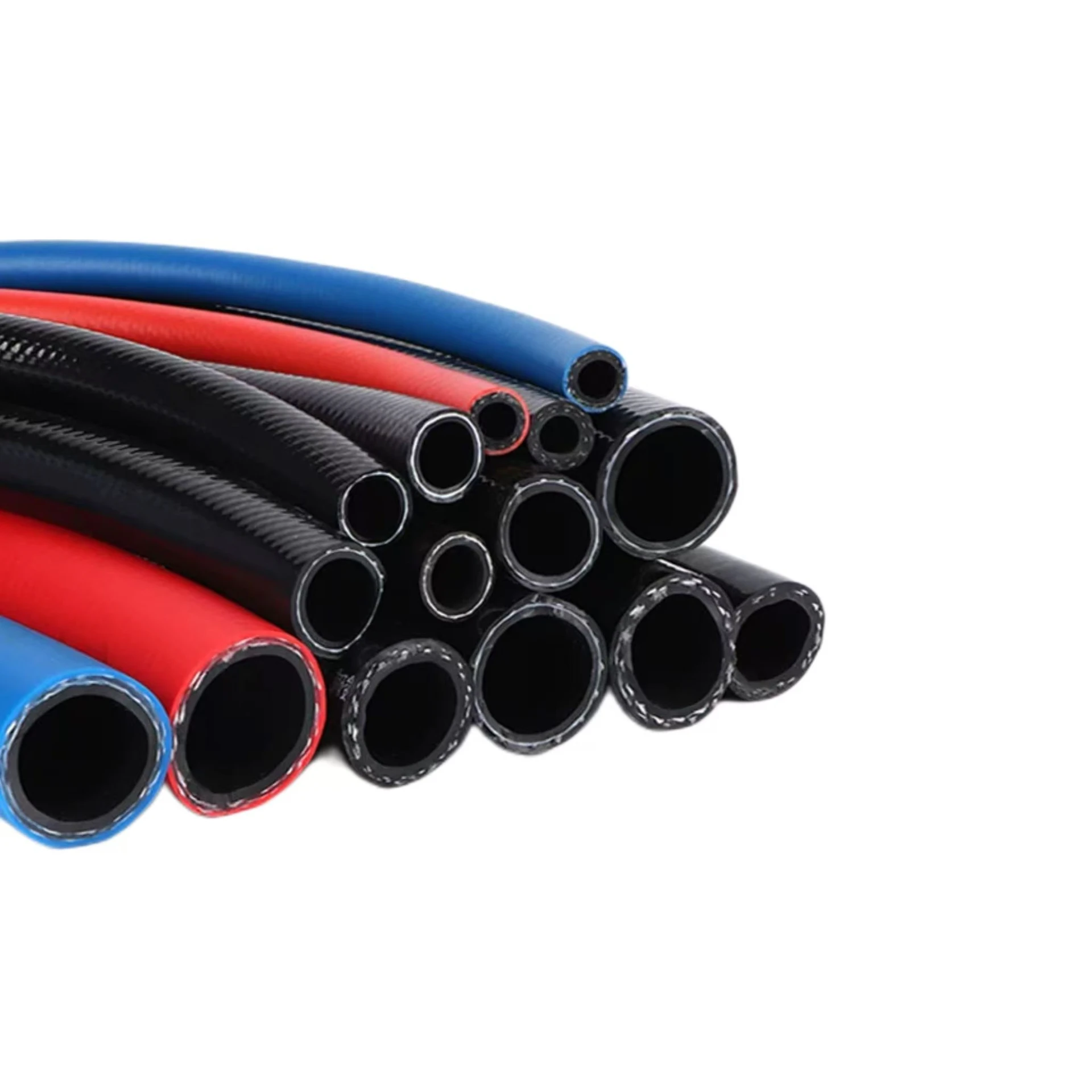
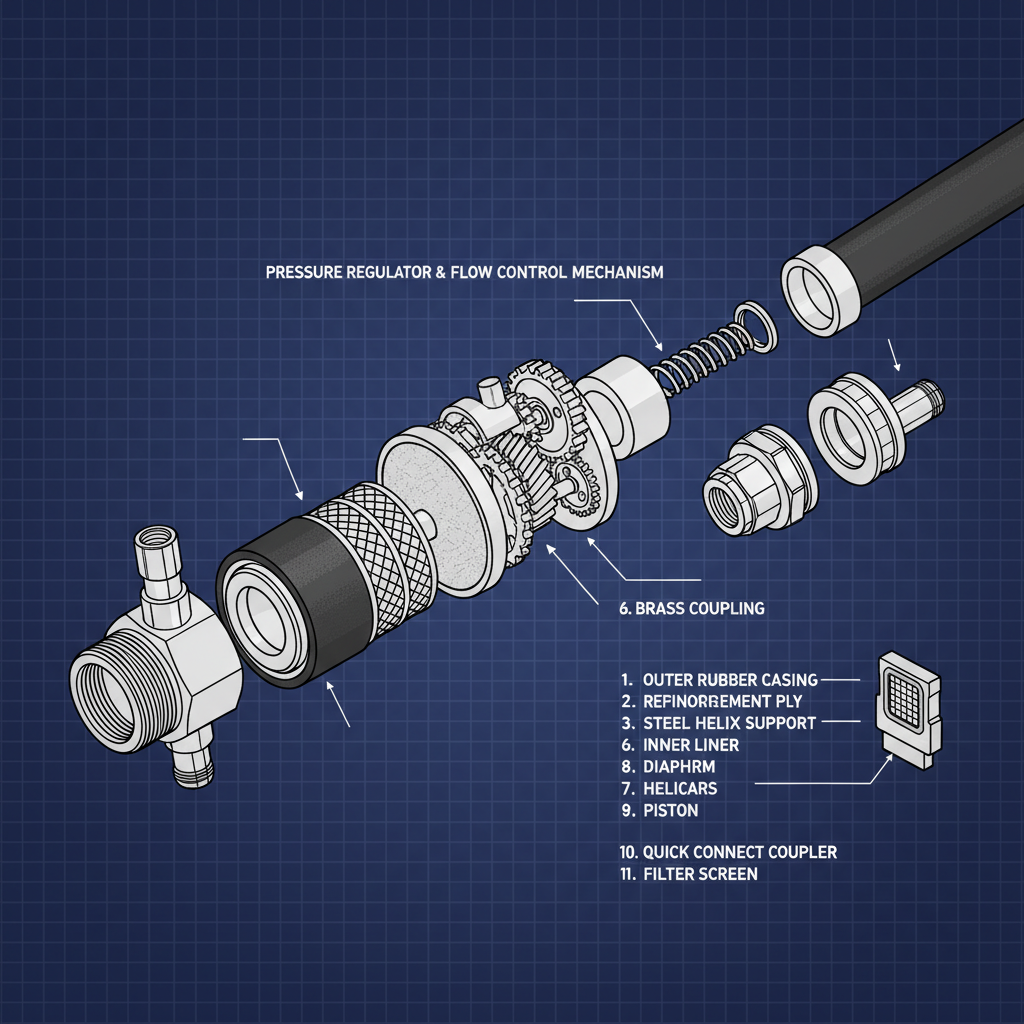
A 50 ft length offers a great balance between maneuverability and reach. It provides sufficient length to move around a workspace without excessive coiling or dragging, which can damage the hose. Rubber construction is favored for its durability, flexibility, and resistance to abrasions, oils, and weathering. This makes it a superior choice compared to vinyl or plastic hoses, especially in demanding environments. Using a high-quality rubber air hose ensures reliable performance and longevity, saving you money in the long run.
Key Highlights: Rubber construction offers excellent durability, flexibility, and resistance to abrasion, oil, and weathering. A 50 ft length provides a good balance between reach and maneuverability.
Key Features to Look for in a 50 ft Rubber Air Hose
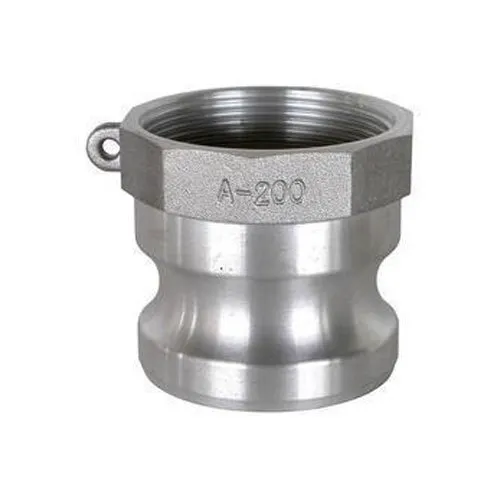
When selecting a 50 ft rubber air hose, consider these essential features: Burst Pressure: This indicates the maximum pressure the hose can withstand before failing. Higher burst pressure is crucial for safety. Fitting Type: Choose fittings compatible with your air compressor and tools. Common types include NPT and quick-connect. Outer Cover Material: Look for reinforced rubber for added durability. Bend Radius: A smaller bend radius allows for easier maneuverability in tight spaces. Kink Resistance: A hose designed to resist kinking will improve workflow and prevent damage.
Important Features:
• High Burst Pressure for Safety
• Compatible Fitting Types (NPT, Quick-Connect)
• Reinforced Rubber Outer Cover
• Small Bend Radius for Maneuverability
50 ft Rubber Air Hose Comparison: Key Considerations
The market offers various options, but not all 50 ft rubber air hoses are created equal. Factors like construction quality, materials used, and fitting design impact performance. Consider your typical applications; heavy-duty use requires a more robust hose with higher burst pressure and reinforced construction.
Proper Care and Maintenance for a Long-Lasting 50 ft Rubber Air Hose
To maximize the lifespan of your 50 ft rubber air hose, follow these simple guidelines: Always drain the hose after use to prevent internal corrosion. Avoid kinking and twisting as this can weaken the hose over time. Store the hose in a cool, dry place away from direct sunlight and extreme temperatures. Regularly inspect the hose for cracks, abrasions, or leaks. Replace the hose immediately if any damage is detected.
Choosing Zsmartflexhose for Your Air Hose Needs
At Zsmartflexhose, we provide high-quality, durable rubber air hoses designed to meet the demands of various applications. Our 50 ft rubber air hoses are constructed with premium materials and undergo rigorous testing to ensure optimal performance and safety. We offer a range of options to suit your specific needs, including various fitting types and burst pressure ratings. Browse our selection today and experience the Zsmartflexhose difference!
Conclusion: Invest in Quality for Reliable Performance
Choosing the right 50 ft rubber air hose is crucial for ensuring efficient and safe operation of your pneumatic tools. By considering factors like burst pressure, construction quality, and proper maintenance, you can maximize the lifespan of your hose and avoid costly downtime. Trust Zsmartflexhose for premium quality and reliable performance.
Frequently Asked Questions (FAQs)
What is the recommended PSI for a 50 ft rubber air hose?
The recommended PSI depends on the hose’s rated working pressure, which is always indicated on the hose itself. However, a good quality 50 ft rubber air hose generally has a working pressure of around 300 PSI. It’s crucial never to exceed the maximum PSI rating, as this can lead to hose failure and potentially cause injury. Always check the hose’s markings and adhere to the manufacturer’s guidelines. For specific applications, always ensure the PSI is compatible with the tools you’re using.
How do I prevent my air hose from kinking?
Kinking can be prevented by selecting a hose with a smaller bend radius and employing proper storage techniques. Avoid tightly coiling the hose, as this increases the likelihood of kinking. Instead, use a hose reel or loosely coil the hose, ensuring it’s not twisted. When not in use, store the hose in a straight line or hang it vertically. Using a hose with a reinforced construction also helps resist kinking.
Can a rubber air hose be used with water?
While rubber air hoses can withstand some exposure to moisture, they are not designed for continuous use with water. Prolonged exposure to water can cause the hose to deteriorate and potentially lead to leaks. It's best to use a dedicated water hose for water-related applications. If a rubber air hose gets wet, it should be thoroughly dried before use.
What is the difference between NPT and quick-connect fittings?
NPT (National Pipe Thread) fittings are threaded connections that require tightening with a wrench. They provide a secure, long-lasting connection but can be time-consuming to connect and disconnect. Quick-connect fittings, on the other hand, allow for rapid connection and disconnection without the need for tools. They are convenient for frequent tool changes but may not be as secure as NPT fittings for long-term use.
Z-Smartflex delivers superior-quality industrial hoses and fittings with global reliability, offering you durable solutions and exceptional service for all your fluid transfer needs.