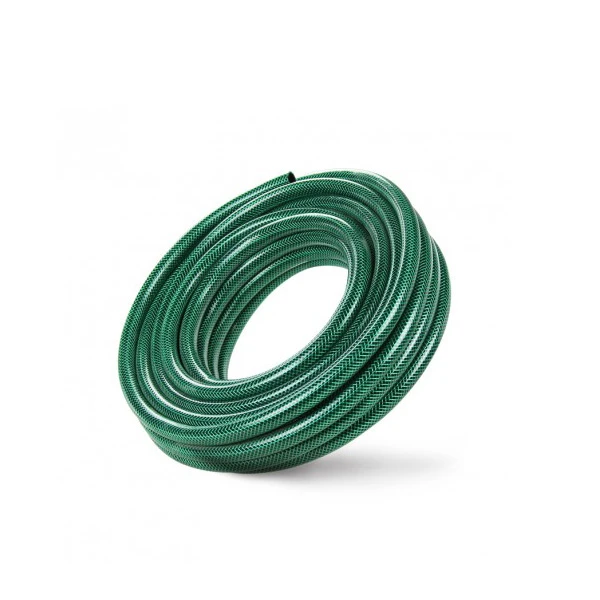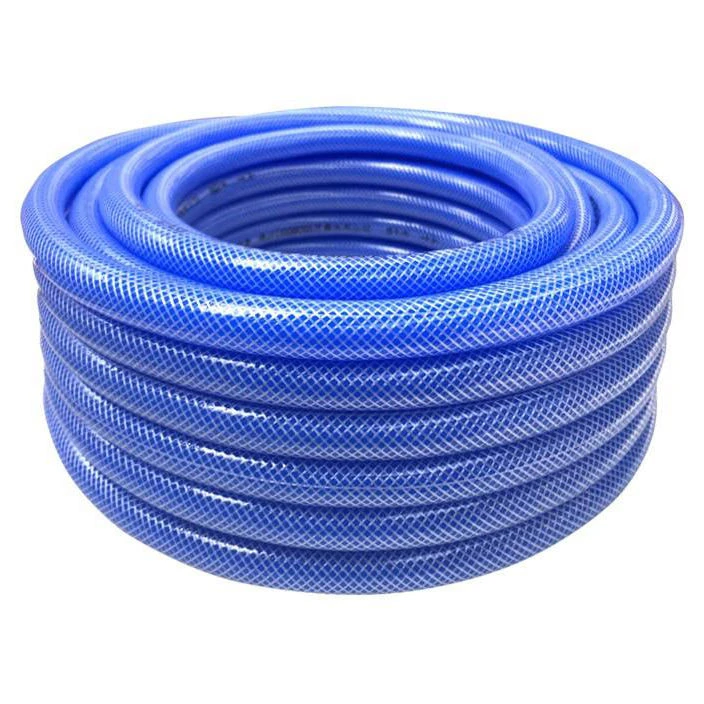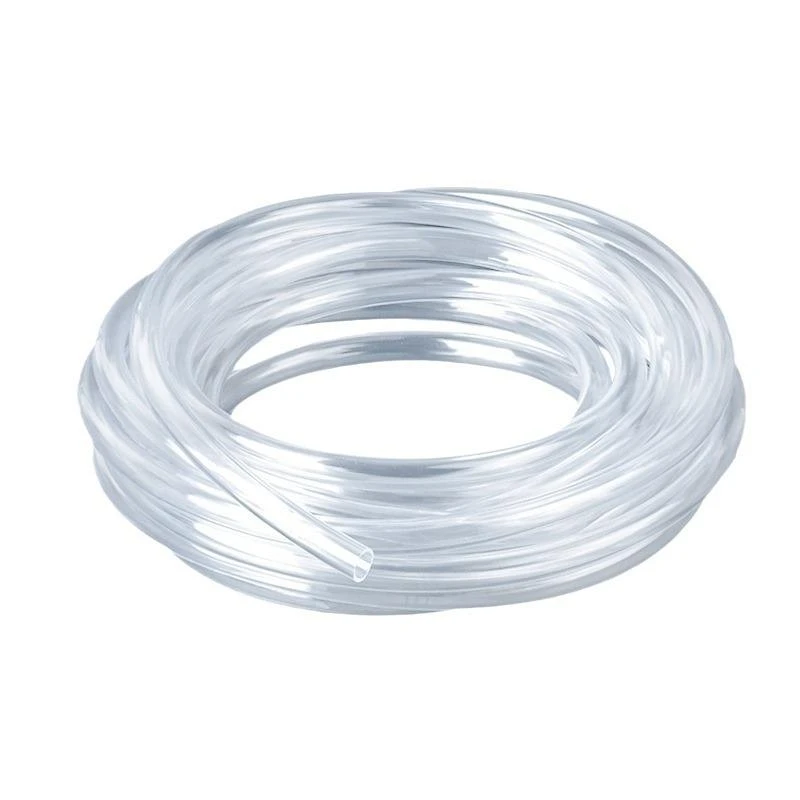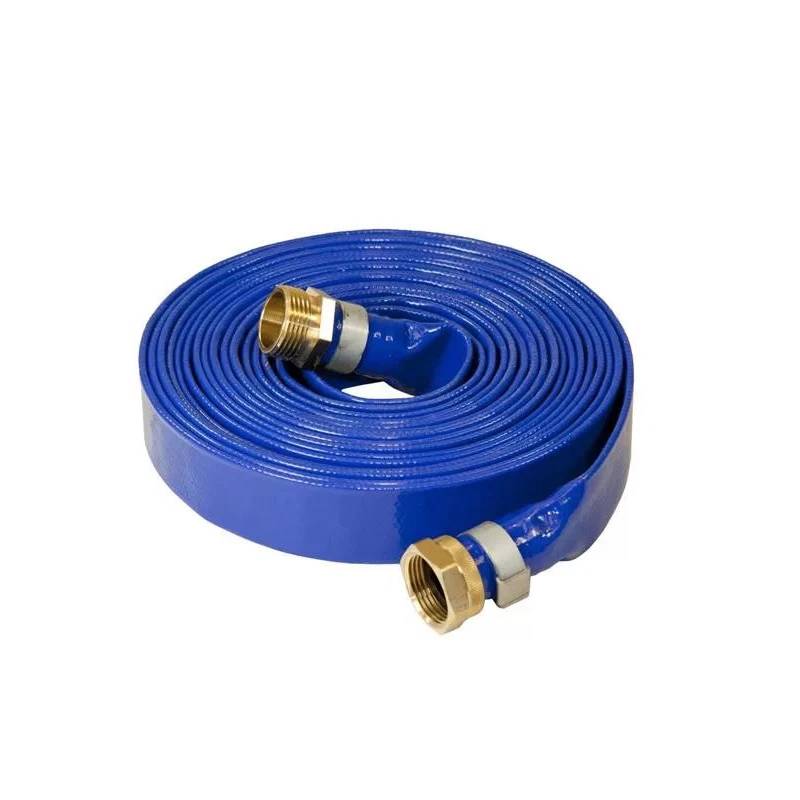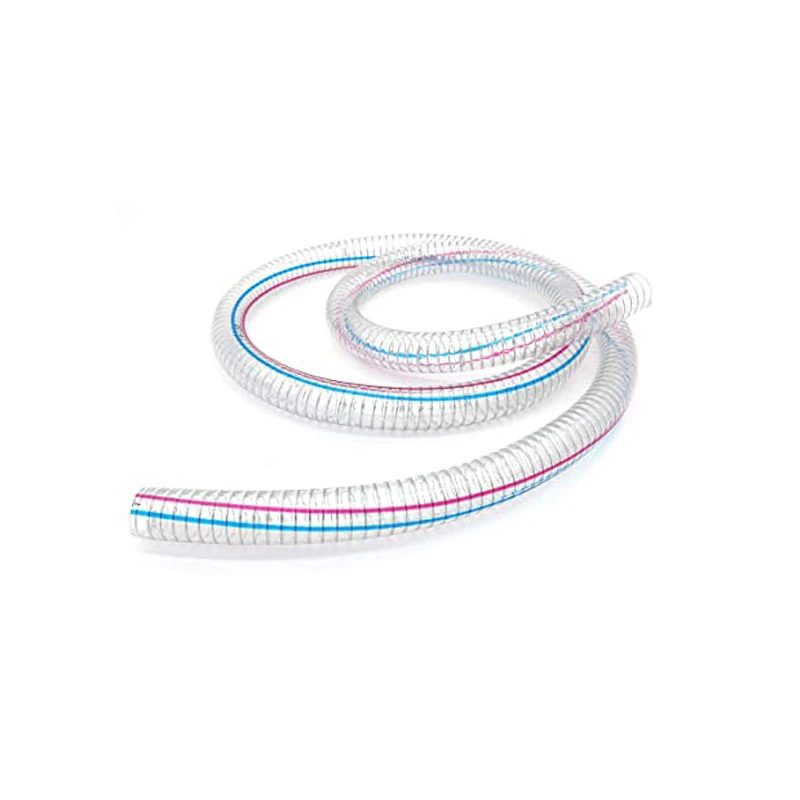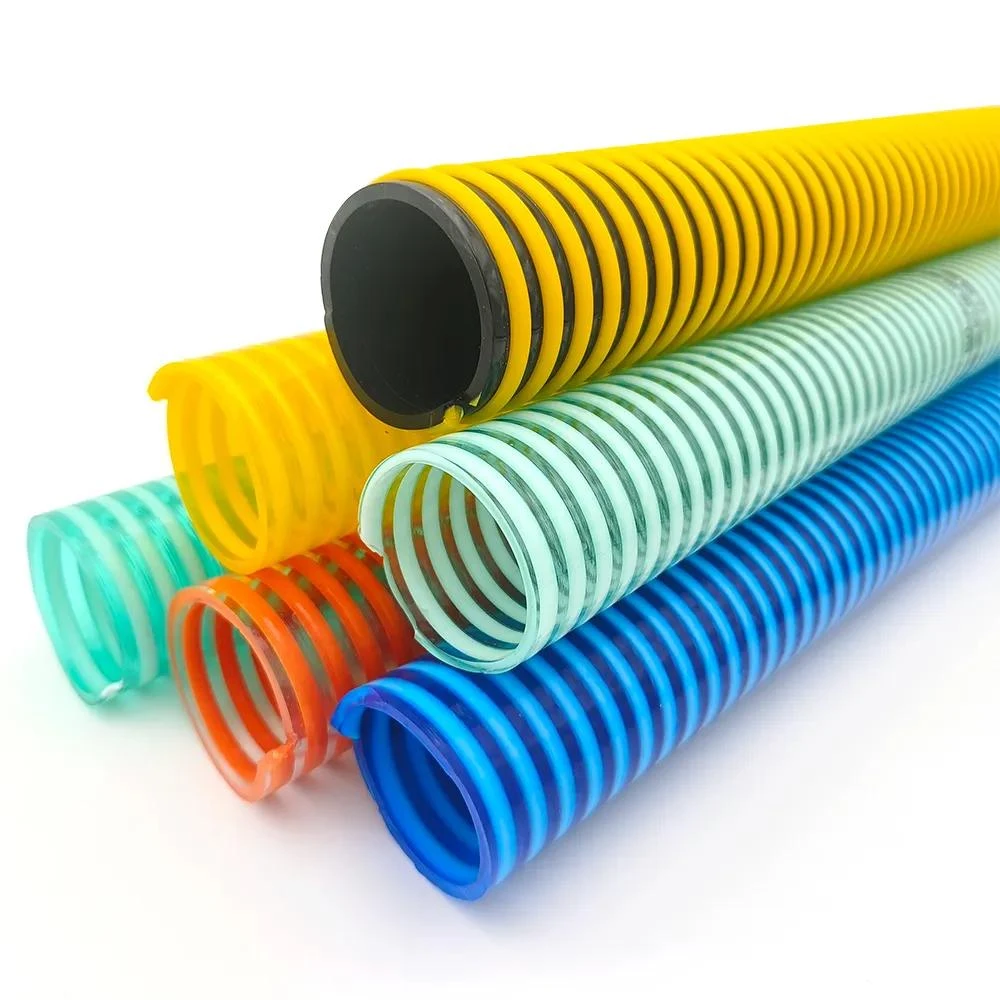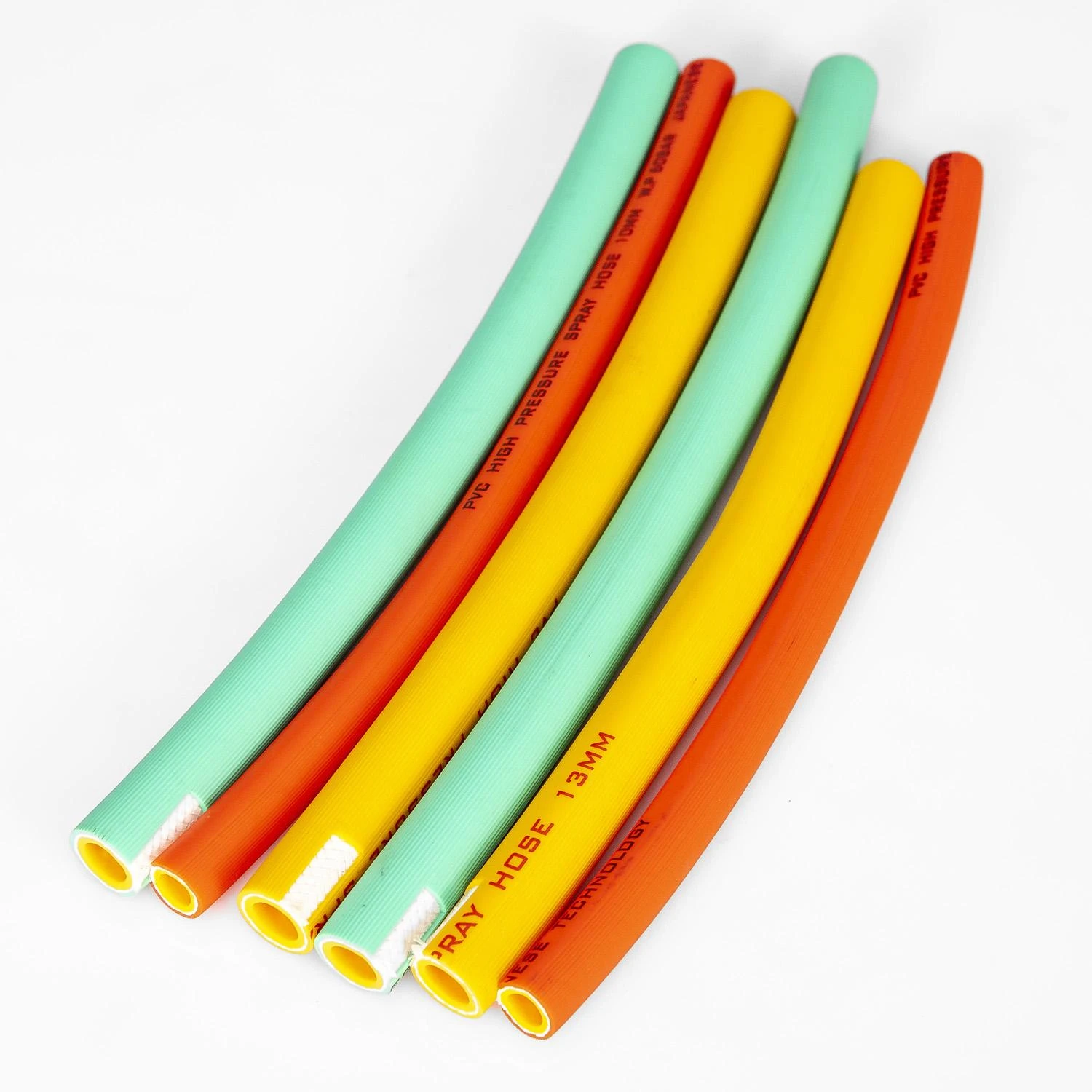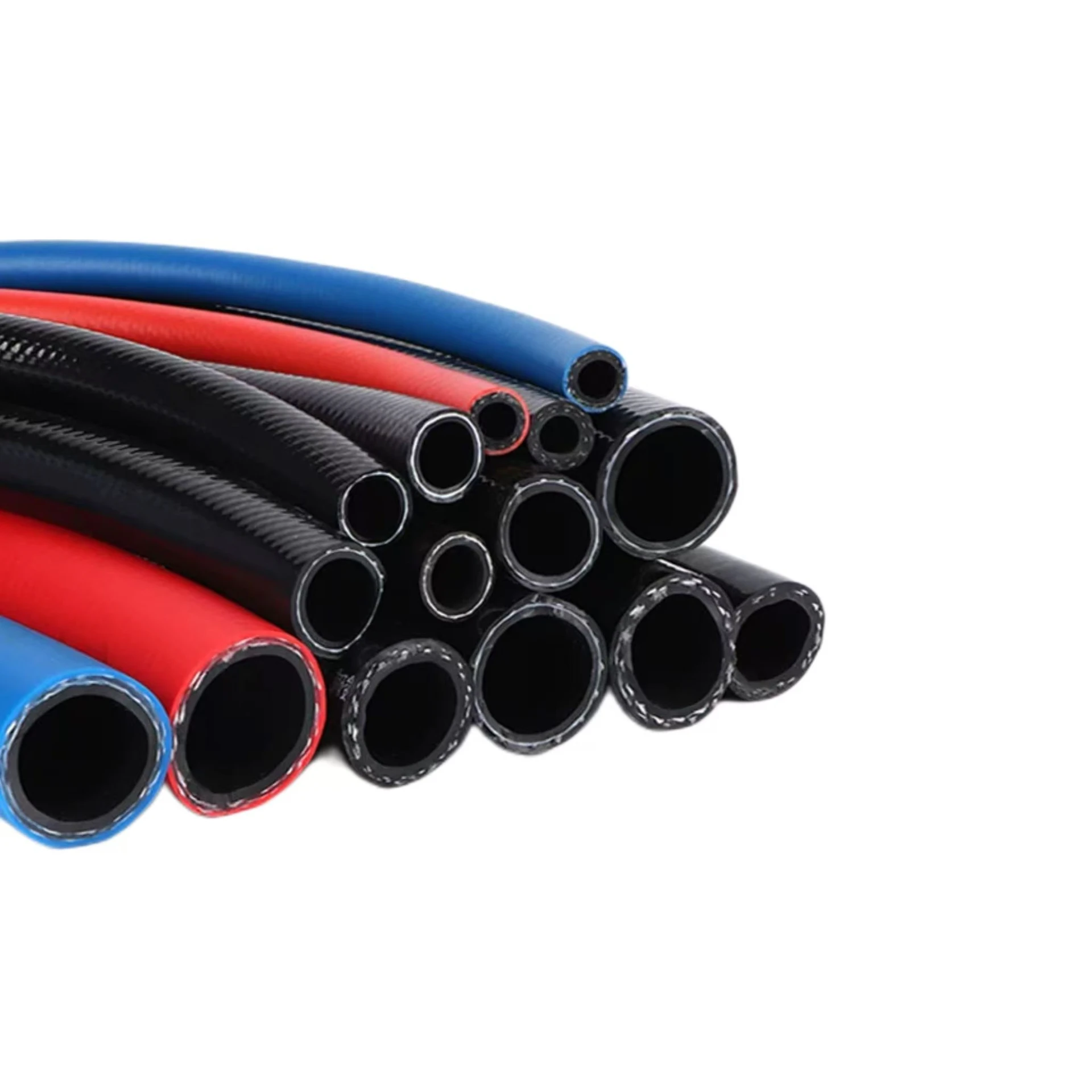

Reliable 5mm Rubber Hose: Small Diameter, Big Performance
Having spent quite some years fiddling around with industrial equipment—hoses included—I’ve come to appreciate how something as "simple" as a 5mm rubber hose often carries more weight than its size suggests. Oddly enough, you’d be surprised how this tiny hose, which seems so innocuous, turns out to be an unsung hero in many sectors.
Now, if you’re on the hunt for quality rubber hoses, I’d suggest checking out 5mm rubber hose options. Frankly, the balance between flexibility and durability in products like these is often where many suppliers miss the mark.
Let’s talk materials first. Most of these hoses are crafted from nitrile rubber or EPDM blends, which provide excellent resistance to oils, chemicals, and varying temperatures. I noticed that EPDM hoses tend to perform better outdoors due to their weather resistance, while nitrile excels inside closed machinery where oil resistance matters more.
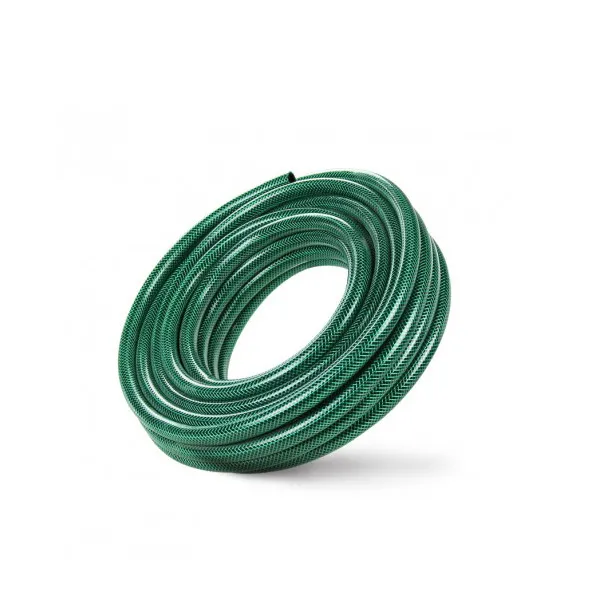
In real terms, the smaller 5mm diameter makes these hoses ideal for precision applications—think pneumatic controls, fuel lines, or even in medical devices where space is tight. They’re flexible enough to route in cramped environments but sturdy enough to withstand pressure spikes.
| Specification | Typical Value |
|---|---|
| Inner Diameter | 5 mm |
| Outer Diameter | 8 mm |
| Working Pressure | 8 bar (116 psi) |
| Burst Pressure | 24 bar (348 psi) |
| Temperature Range | -30°C to +100°C |
| Material | Nitrile Rubber / EPDM |
| Reinforcement | Textile fiber braid |
One thing I always double-check before specifying hoses is the test certifications. A reliable supplier will provide compliance details, including burst test reports and material safety data sheets. I remember once a client needed a hose that wouldn’t degrade in diesel — turns out many off-the-shelf 5mm hoses failed the ISO chemical resistance tests, causing premature failures.
About suppliers, there’s quite a bit of variation. Some vendors focus on low-cost but lower durability products; others invest more in quality control and material traceability. To give you a quick glance, here’s how some common vendors stack up for 5mm rubber hose offerings:
| Vendor | Material Quality | Pressure Rating | Price per meter | Certifications |
|---|---|---|---|---|
| SmartFlex Hose | High-grade EPDM & Nitrile | 8 bar (working) | $1.25 | ISO 9001, RoHS |
| Generic Hose Co. | Standard Nitrile | 6 bar (working) | $0.90 | None listed |
| ProLine Industrial | EPDM Blend | 7.5 bar (working) | $1.10 | ISO 9001 |
What I really like about the folks at SmartFlex is their responsiveness and willingness to customize lengths and specific material blends. I recall a project where the hose had to be tailored to resist a unique oil mixture at elevated temperatures—it came through without a hitch.
In terms of usage tips, remember: never stretch the hose beyond its limits or bend it sharply. Even good quality 5mm rubber hose has its flexing tolerance. I once saw a line fail prematurely because the installer didn’t account for vibration and periodic movement—so it pays to plan your routing carefully.
All in all, this diminutive 5mm rubber hose is a workhorse in many industrial setups—you just need to know what to look for. And as you can gather, grabbing your 5mm rubber hose from a solid, proven manufacturer makes all the difference.
It’s funny—sometimes the smallest parts are the most critical. I suppose that’s why, after all these years, I still respect those humble hoses more than some larger, flashier components.
References:
1. ISO 9001 Quality Management Principles
2. Material Safety Data Sheet of EPDM and Nitrile Rubber
3. Industry case study on hose failure in pneumatic controls (internal archive)
Z-Smartflex delivers superior-quality industrial hoses and fittings with global reliability, offering you durable solutions and exceptional service for all your fluid transfer needs.