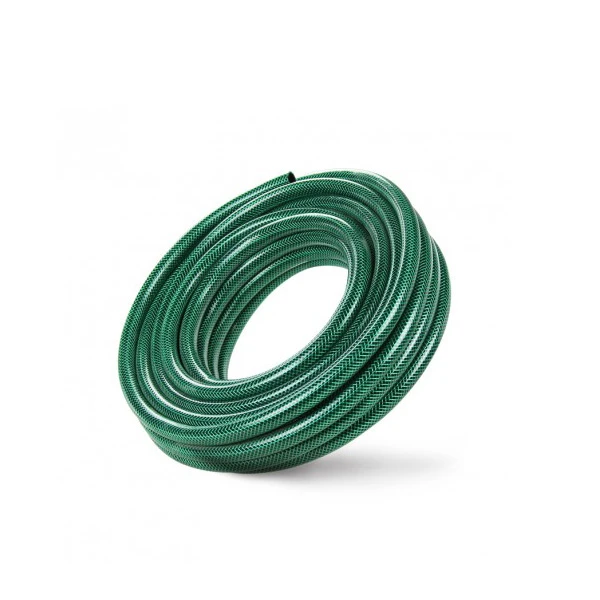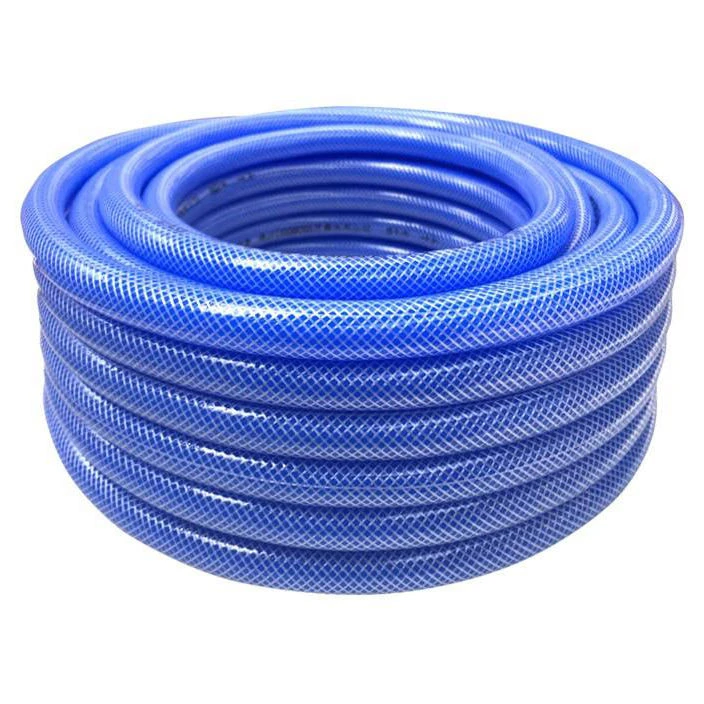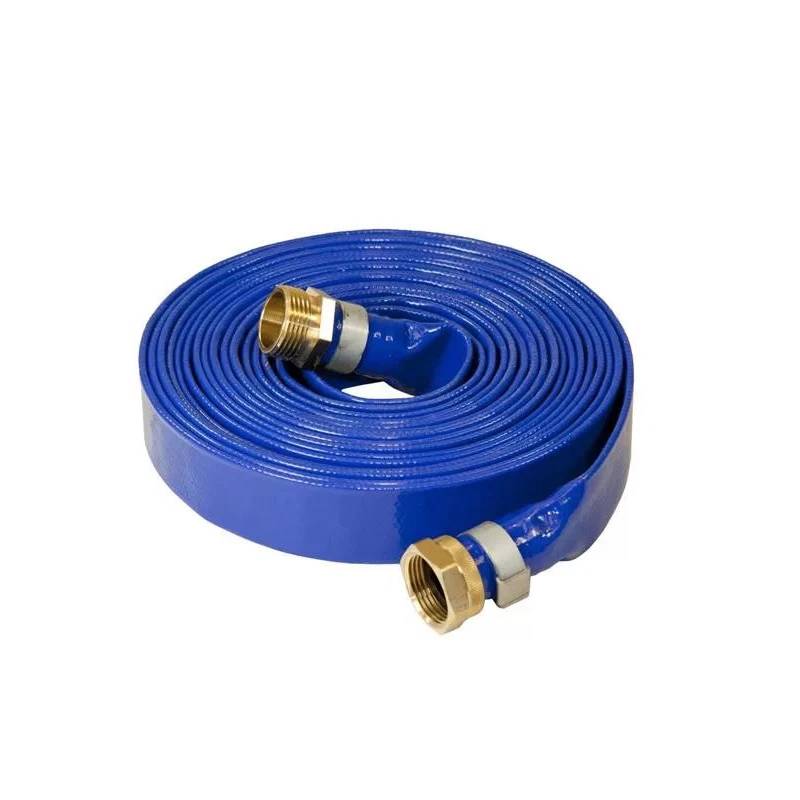
Understanding the 63mm Rubber Hose: Essential in Industrial Applications
Having spent a good chunk of my career working with industrial equipment, I’ve seen firsthand just how critical seemingly simple components like rubber hoses can be. Take the 63mm rubber hose for example—it’s one of those parts that often gets overlooked until it’s the cause of downtime or unexpected repairs.
Now, why specifically a 63mm hose? Well, the 63mm diameter sits sweetly in a range that balances flexibility with a decent flow capacity. You find these hoses in a variety of industries: from automotive coolant lines, agricultural machinery, to even pneumatic equipment. I remember on one occasion at a manufacturing plant, their choice of a subpar hose for a critical coolant circuit led to repeated leaks—costly and frustrating. Since then, I’ve always emphasized the value of quality and specifications.
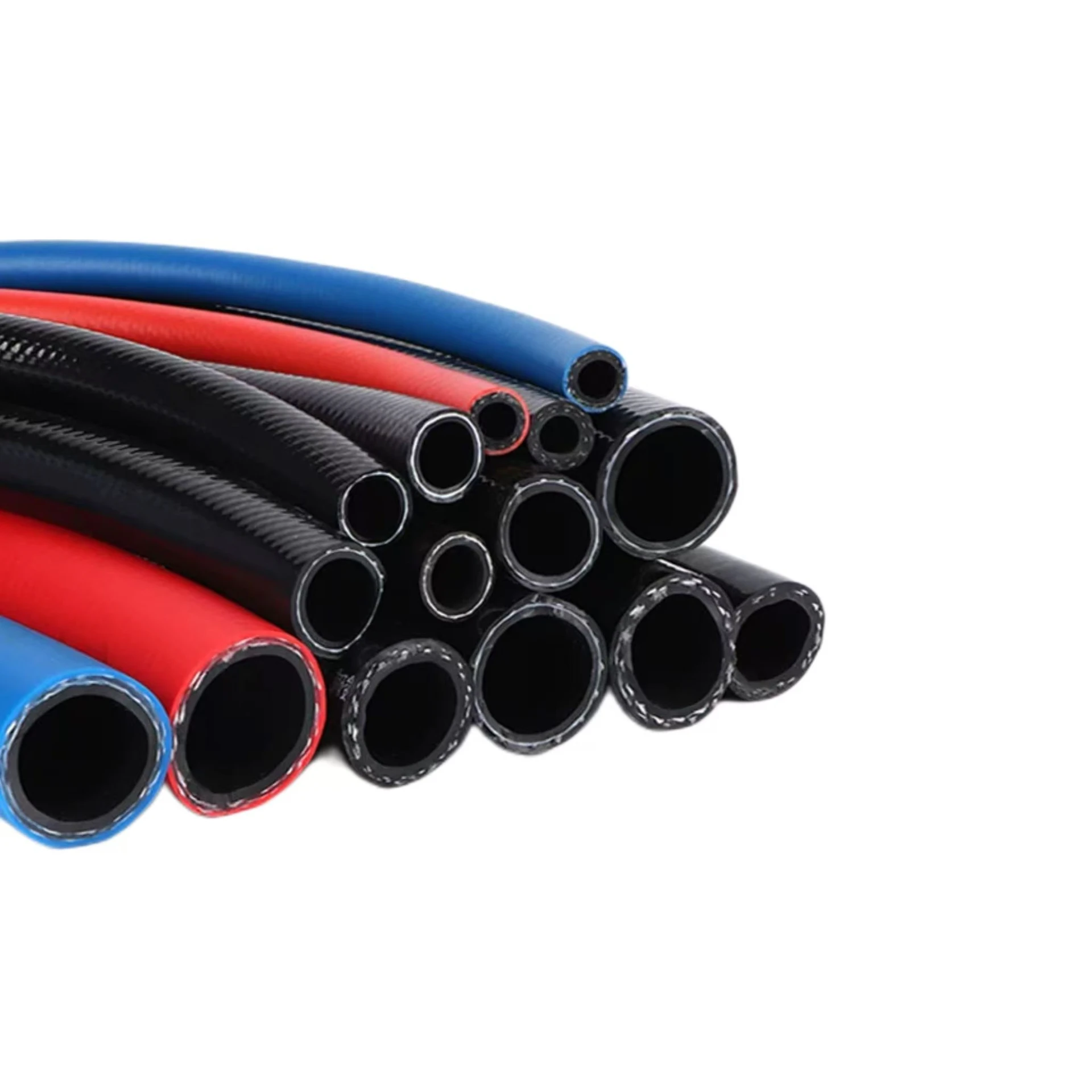
When evaluating a 63mm rubber hose, you need to think about several things—material composition, reinforcement, pressure ratings, and temperature tolerance foremost. Most industrial-grade hoses are made from nitrile or EPDM rubber—depending on whether they need to resist oils or weather more. The reinforcement layer typically uses polyester or braided steel to support pressure and resist bursting. Oddly enough, many people tend to overlook the hose’s bend radius, but in tight equipment layouts, it matters a lot.
Here’s a quick rundown of typical specs you might expect from a solid 63mm industrial rubber hose:
| Specification | Details |
|---|---|
| Inner Diameter | 63 mm |
| Material | EPDM / Nitrile Rubber |
| Reinforcement | Polyester Braid or Steel Wire |
| Working Pressure | Up to 10 bar (150 psi) |
| Temperature Range | -40°C to +120°C |
| Standard Length | Up to 50 meters per coil |
One neat thing about these hoses is how customizable they can be. Seriously, many vendors will tailor the thickness, reinforcement layers, or outer covers to comply with specific industry standards—say SAE or ISO. That’s crucial if you want a hose that doesn’t just fit your machine, but performs reliably under demanding environments.
Speaking of vendors, I’m often asked who offers decent options in this space. While I can't claim every product on the market, here’s a simple breakdown of three common suppliers I’ve worked with or heard good things about:
| Vendor | Material Options | Pressure Range | Customization Available | Typical Lead Time |
|---|---|---|---|---|
| ZSmart Flex Hose | EPDM, Nitrile, Silicone | Up to 15 bar | Full custom specs | 2-3 weeks |
| Alpha Industrial | Nitrile, PVC | Up to 10 bar | Limited | 3-5 weeks |
| Delta Hose Co. | EPDM Only | Up to 12 bar | Standard sizes only | 1-2 weeks |
The reality is that any hose you choose should be tested rigorously before deployment. A friend of mine once shared a story about a batch of hoses that passed initial tests but then failed under higher temperature cycles—costing a small fortune in rework. So, whatever your vendor claims, insist on certifications and testing data. It’s worth the time.
In real terms, a dependable 63mm rubber hose is part of the silent backbone of many machines and systems. It may just be a length of tubing, but the fit and quality often make or break uptime. I encourage engineers and maintenance teams to take a closer look at their hoses: you might find upgrading to a better grade is a small change that pays off big.
It feels like one of those things that’s finally getting more attention these days—probably thanks to smarter manufacturing demands and tighter quality standards.
And hey, if you’re in the market for a reliable 63mm rubber hose (or just want to explore quality options), I highly recommend checking out ZSmart Flex Hose. They’ve consistently impressed me with their flexibility in customization and robust product performance.
### Takeaway: Never underestimate the humble rubber hose; the right 63mm hose can mean the difference between smooth operations and costly downtime.
- Industry-standard hose specifications — SAE J20, ISO 3821
- Customer case studies from manufacturing plants
- Material science insights from rubber technology journals
Z-Smartflex delivers superior-quality industrial hoses and fittings with global reliability, offering you durable solutions and exceptional service for all your fluid transfer needs.