Understanding the 5/8 ID Rubber Hose: A Veteran's Perspective
After spending over a decade in the industrial equipment world, I've come across countless hoses, fittings, and connectors. But oddly enough, the 5/8 inch inner diameter (ID rubber hose) has always stood out for its versatility and reliability in tough working conditions. It’s one of those components that might seem trivial to the untrained eye, but for us in the trenches, it’s essential.
So, why does this particular hose size get so much attention? Frankly, it strikes a great balance between flexibility, flow capacity, and durability. It’s commonly used across hydraulic systems, pneumatic applications, and even chemical transfer lines. I remember on a job site once where a 5/8 ID rubber hose kept running flawlessly under high pressure while other hoses failed prematurely. That really cemented my trust in this size and build.
Material Construction: Rubber that Works Under Pressure
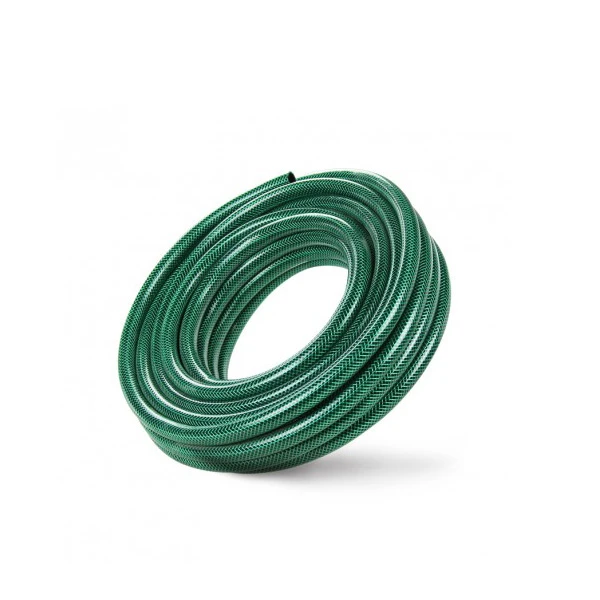
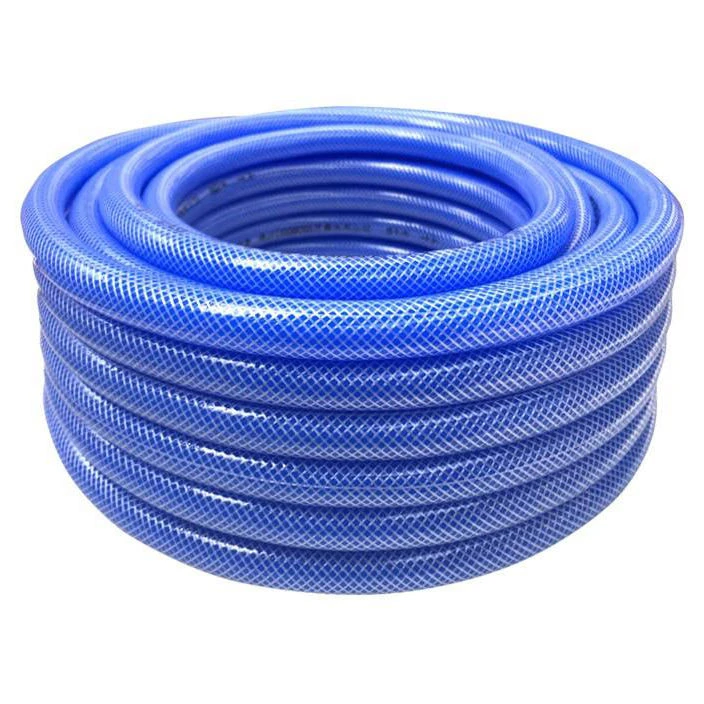
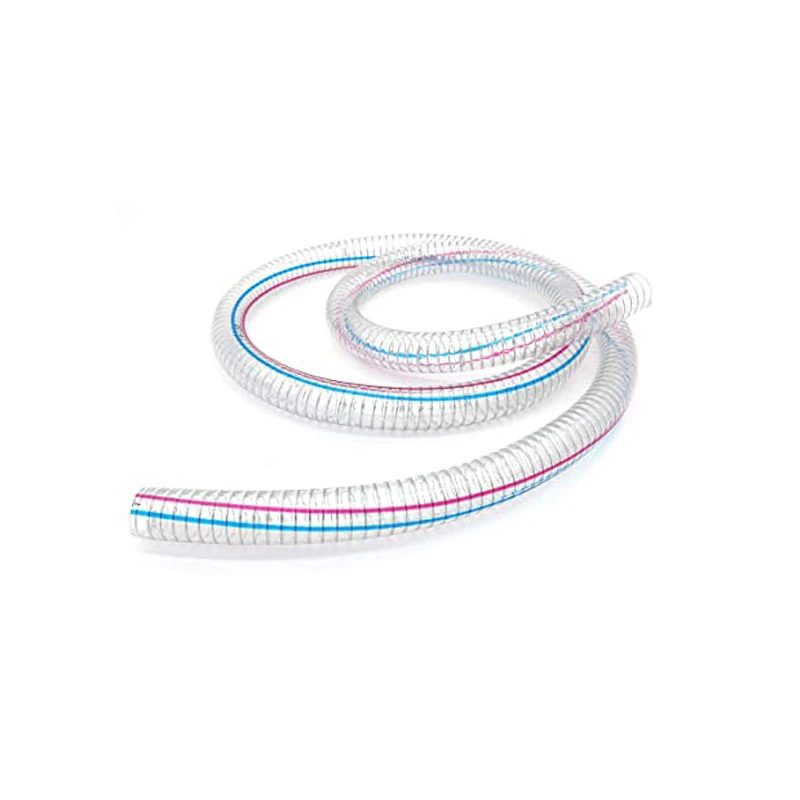
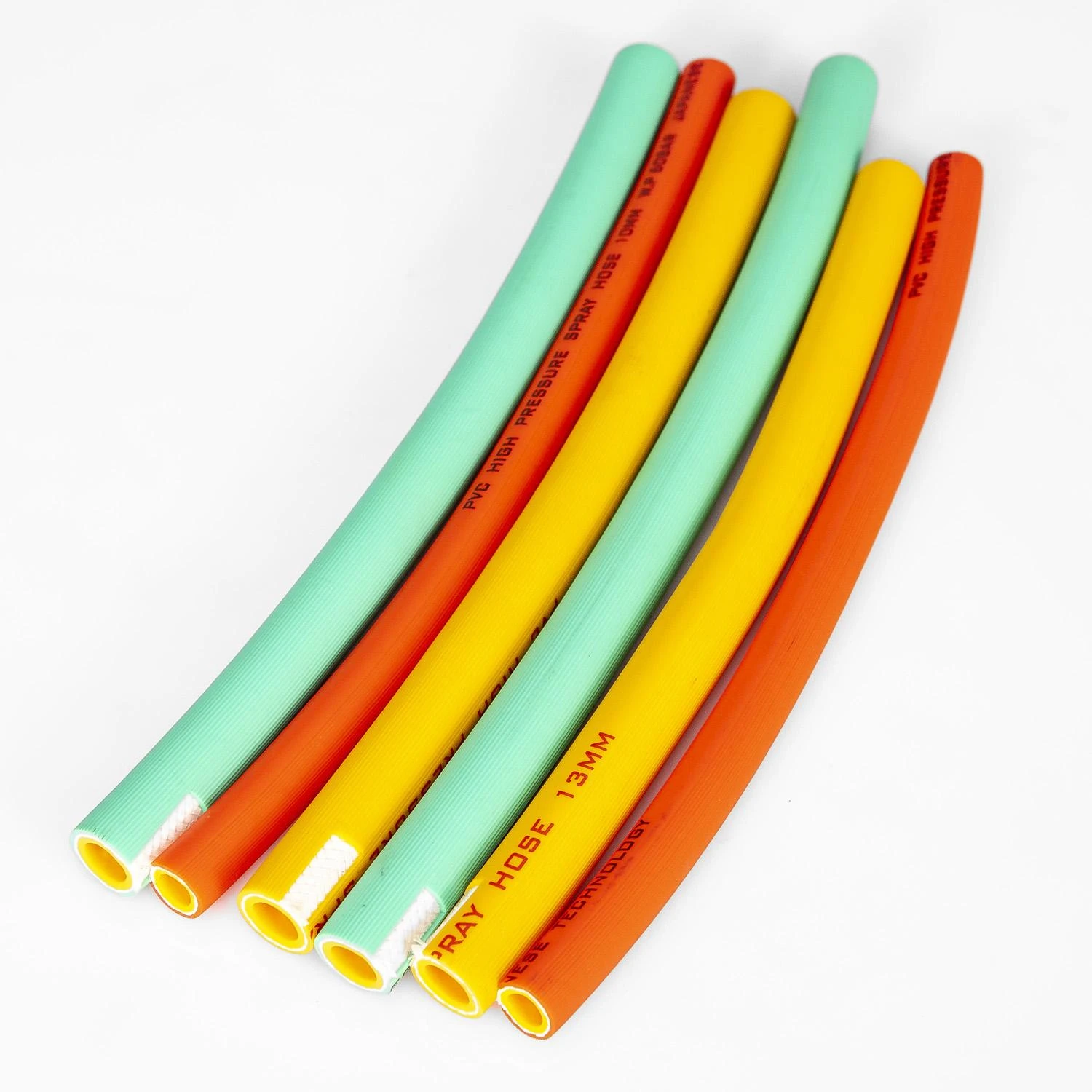
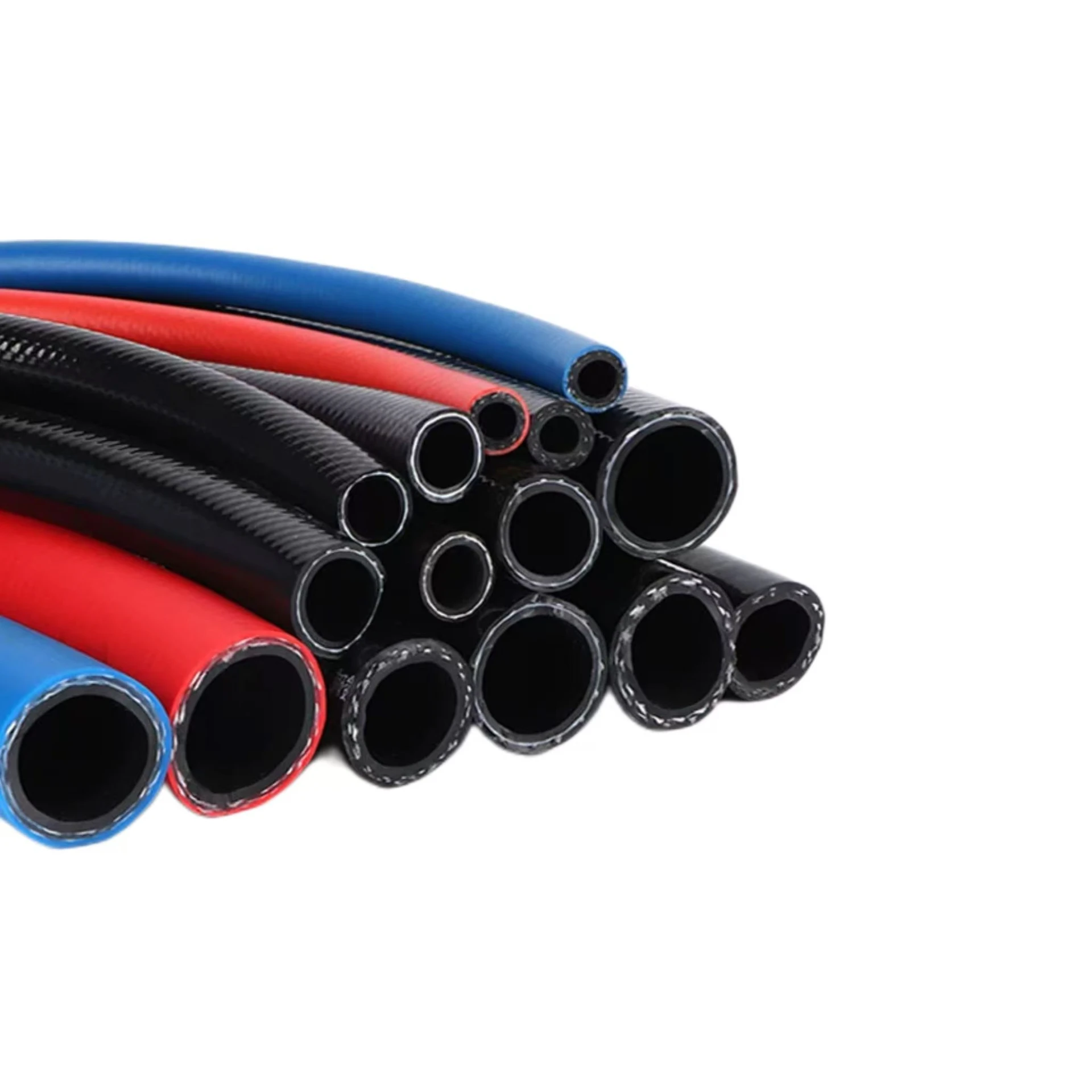
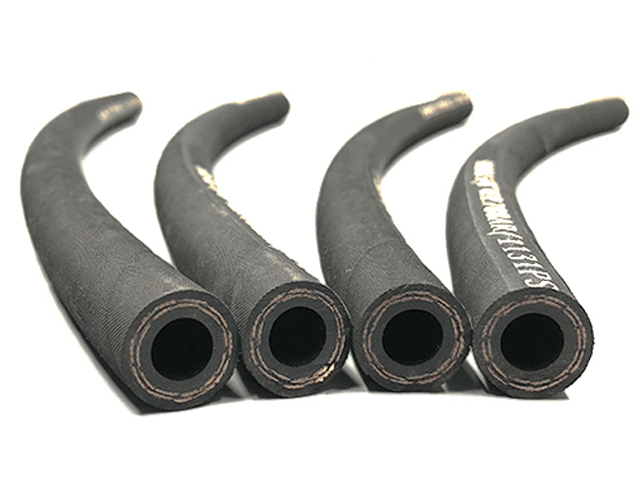
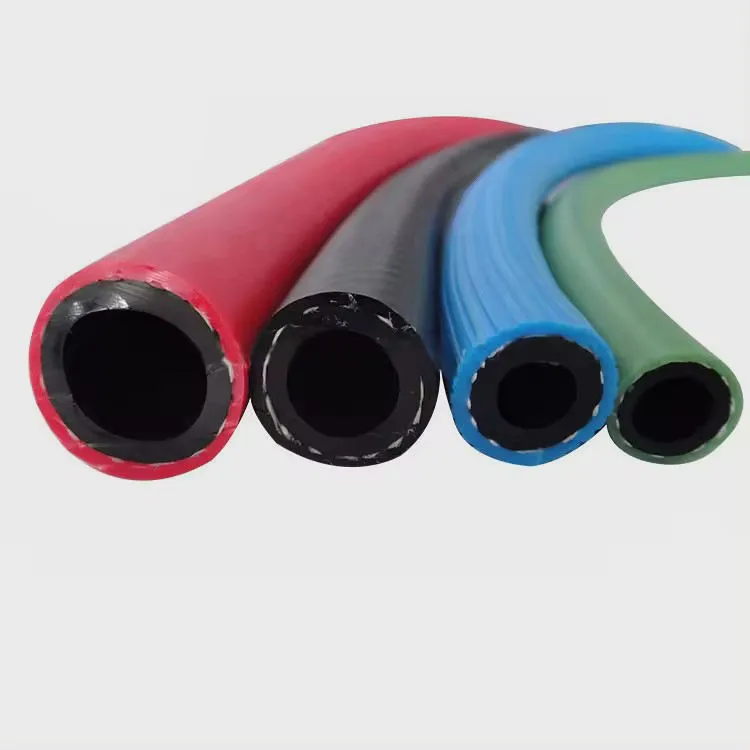
The key to the 5/8 ID rubber hose’s performance is, without doubt, its construction. Most are built with a combination of synthetic rubber compounds—usually nitrile or EPDM depending on the application—and several reinforcement layers. These layers include woven polyester or wire braids, which help increase burst pressure and resist abrasion.
In real terms, this means the hose doesn’t collapse easily, even under suction or constant bending. It also withstands temperature extremes—crucial if you’re working outdoors or in a factory setting where heat levels fluctuate. One time, a client was particularly concerned about chemical compatibility. We ended up choosing a nitrile rubber hose that was specifically resistant to oils and fuels—just another example of how the 5/8 ID hose can be tailored to exact needs.
Key Specs of a Typical 5/8 ID Rubber Hose
| Specification | Details |
|---|---|
| Inner Diameter | 5/8 inch (15.9 mm) |
| Working Pressure | Up to 300 psi (varies by model) |
| Temperature Range | -40°C to 120°C (-40°F to 248°F) |
| Material | Synthetic rubber (NBR/EPDM) with textile/wire reinforcement |
| Common Uses | Hydraulic fluid, air, water, chemical transfer |
Comparing Vendors: What to Look For
Not all 5/8 ID rubber hoses are created equal. In fact, in my experience, picking the right supplier can make or break a project timeline. Here’s a quick rundown to consider when shopping around:
| Feature | Vendor A | Vendor B | Vendor C |
|---|---|---|---|
| Price per Meter | $4.50 | $3.95 | $5.10 |
| Max Pressure | 350 psi | 300 psi | 400 psi |
| Chemical Resistance | Good for oils & solvents | Limited (mostly water & air) | Excellent, broad spectrum |
| Lead Time | 1 week | 3 days | 2 weeks |
| Warranty | 1 year | No warranty | 2 years |
From what I’ve seen, Vendor C offers the most robust product, but if you’re on a tight budget or tight timeline, Vendor B’s speed and price might be more practical. Vendor A strikes a decent middle ground, particularly if you want decent chemical resistance but don’t want to wait too long.
Why Customers Keep Coming Back
One memorable moment: a longtime client came back to me after switching hoses several times due to frequent failures. We settled on a custom 5/8 ID rubber hose with extra reinforcement layers and chemical resistance. Since that switch, downtime has been minimal—she told me they even spotted leaks early because the hose exterior is so robust it shows wear first.
This story exemplifies why investing a little more upfront in the right 5/8 ID rubber hose really pays off. It's a small component with a big impact.
A Few Thoughts to Take Away
In the end, whether you’re managing a hydraulic line in heavy machinery or setting up pneumatic controls in a production line, the humble 5/8 ID rubber hose can be a quietly heroic part of your system. Pay attention to specs, test for your operating conditions, and don’t hesitate to discuss customization — that’s where you often unlock the best performance. It feels like this hose will keep its place on my “go-to” list for many years to come.
References:
- Industrial Hose Manufacturers Association – Guidelines & Best Practices (2021)
- Smith, J. “Rubber Hose Durability in Harsh Environments.” Journal of Manufacturing Tech, 2020
- ZSmart Flexhose Product Catalog and Testing Data, 2024
Z-Smartflex delivers superior-quality industrial hoses and fittings with global reliability, offering you durable solutions and exceptional service for all your fluid transfer needs.