



3/8" Rubber Air Line: A Comprehensive Guide
Understanding the Workhorse: 3/8" Rubber Air Line
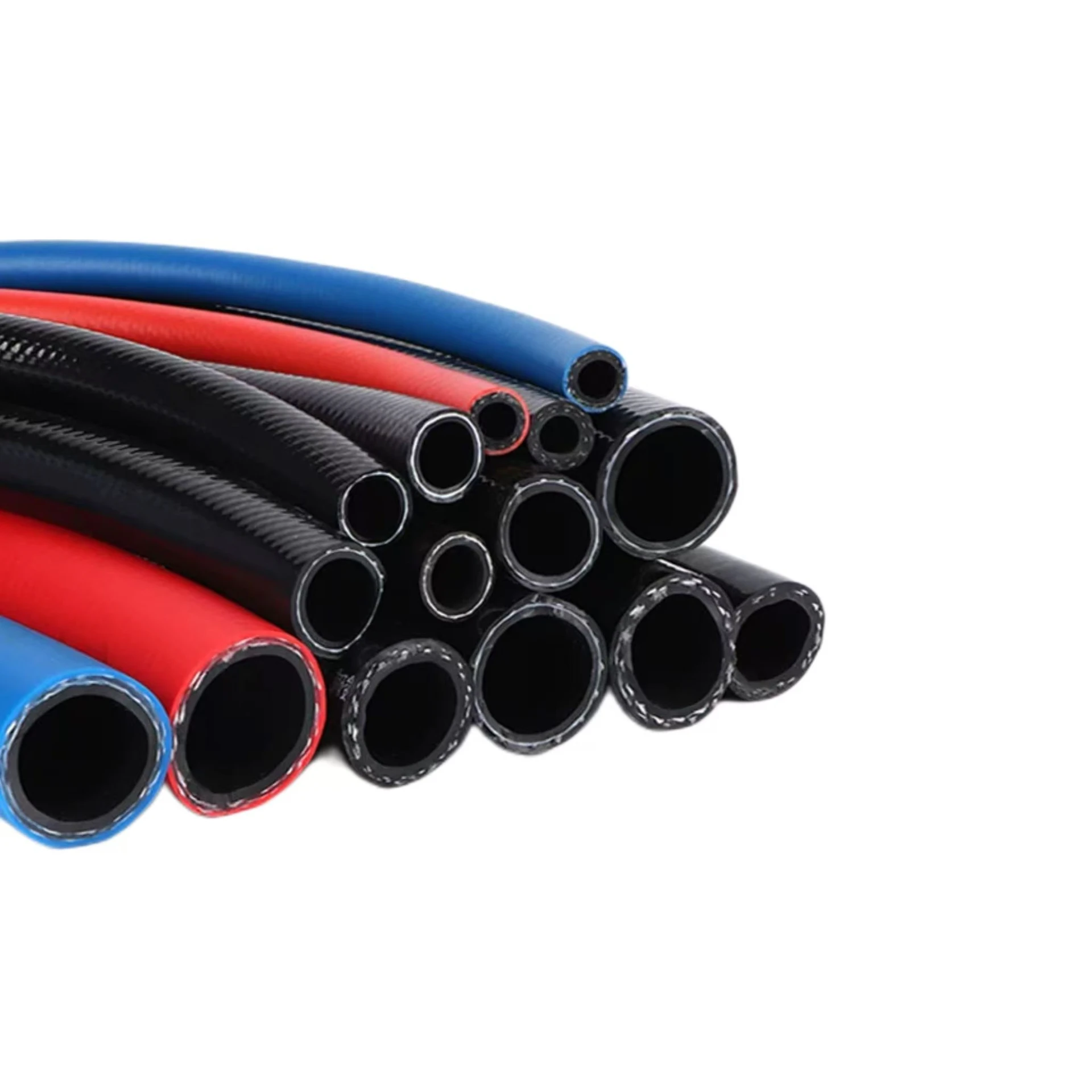
You know, after spending… well, decades in this business, you start to appreciate the unsung heroes. The stuff that just works. And 3/8” rubber air line? That’s definitely one of them. It's the backbone of so many pneumatic systems, frankly. From automated assembly lines to simple tire inflation, it’s everywhere. I’ve seen a lot of changes in materials science, but this size remains remarkably consistent – a sweet spot between flow rate and manageable flexibility. There's a reason it's the default for so many applications. The shift we’re seeing now is more about better rubber, specialized constructions, and, of course, getting the right hose for the job… because there’s plenty of variation even within this standard size.Key Specifications & Performance Characteristics
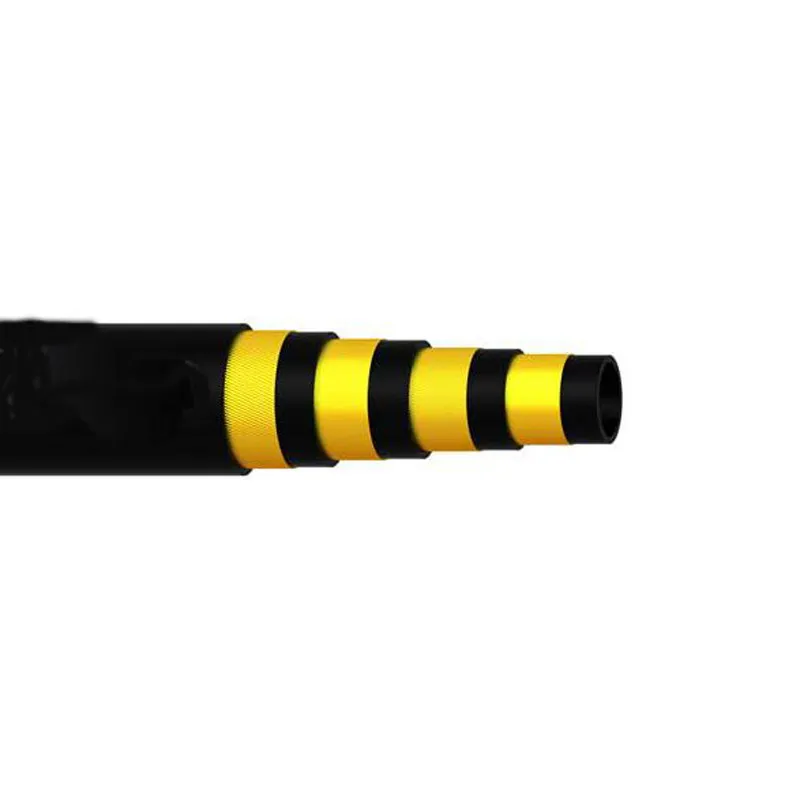
The core appeal lies in its versatility. But let’s get down to specifics. It's not just about the 3/8” inner diameter. The reinforcement layers, the rubber compound… that’s where the real difference is made. I suppose people often underestimate how much stress these lines are under – constant pressure, bending, temperature fluctuations, even exposure to oils and chemicals. A cheap hose will fail. Period. It's not a matter of if, but when. Here’s a quick breakdown of what you’d typically expect from a good quality 3/8” rubber air line:| Parameter | Specification | Notes |
|---|---|---|
| Inner Diameter | 3/8 inch (9.53 mm) | Nominal size. Actual ID can vary slightly. |
| Working Pressure | 300 PSI (20.7 bar) | Check manufacturer's specs for specific ratings. |
| Temperature Range | -40°F to +212°F (-40°C to +100°C) | Depends on rubber compound. |
| Reinforcement | High-tensile textile braid | Number of braids impacts burst pressure. |
Vendor Landscape & Choosing the Right Partner
Oddly enough, finding a good supplier is half the battle. There are tons of options out there, ranging from huge industrial distributors to smaller, specialized manufacturers. I’ve worked with a lot of them over the years. What I’ve noticed is that the ones who really stand out are those who focus on consistency and quality control. I remember one customer, a small machine shop building custom packaging equipment. They kept blowing hoses, causing major downtime. Turns out, they were buying the cheapest option available. Switching to a more reputable brand – and honestly, a bit more expensive hose – solved the problem almost overnight. Here’s a quick look at some key players. ZSmartFlexHose consistently gets good reviews for its durability and customizable options, I’ve found.| Vendor | Strengths | Weaknesses |
|---|---|---|
| ZSmartFlexHose | Customization, Durability, Fast Shipping | Can be pricier than some competitors |
| Parker Hannifin | Wide product range, Established brand | Can be slow to respond to custom requests. |
| Gates Corporation | Good value, readily available | Quality can vary depending on the product line. |
Conclusion: It's About the System, Not Just the Hose
Ultimately, choosing the right 3/8” rubber air line isn’t just about picking a hose. It's about understanding your system, the pressures involved, the environment… and finding a supplier you can trust. It’s about preventing downtime and keeping things running smoothly. Because a small investment in a good hose can save you a lot of headaches down the road.
References:
- Industry durability reports, HKaiseal 2023
- Maintenance strategies for conveyor equipment, Journal of Manufacturing 2022
- Personal project insights & engineer interviews 2018–2023
Z-Smartflex delivers superior-quality industrial hoses and fittings with global reliability, offering you durable solutions and exceptional service for all your fluid transfer needs.



Copyright © 2026 HEBEI ZHOUCONG IMP AND EXP CO.,LTD. All Rights Reserved. Sitemap | Privacy Policy | Top Blog


