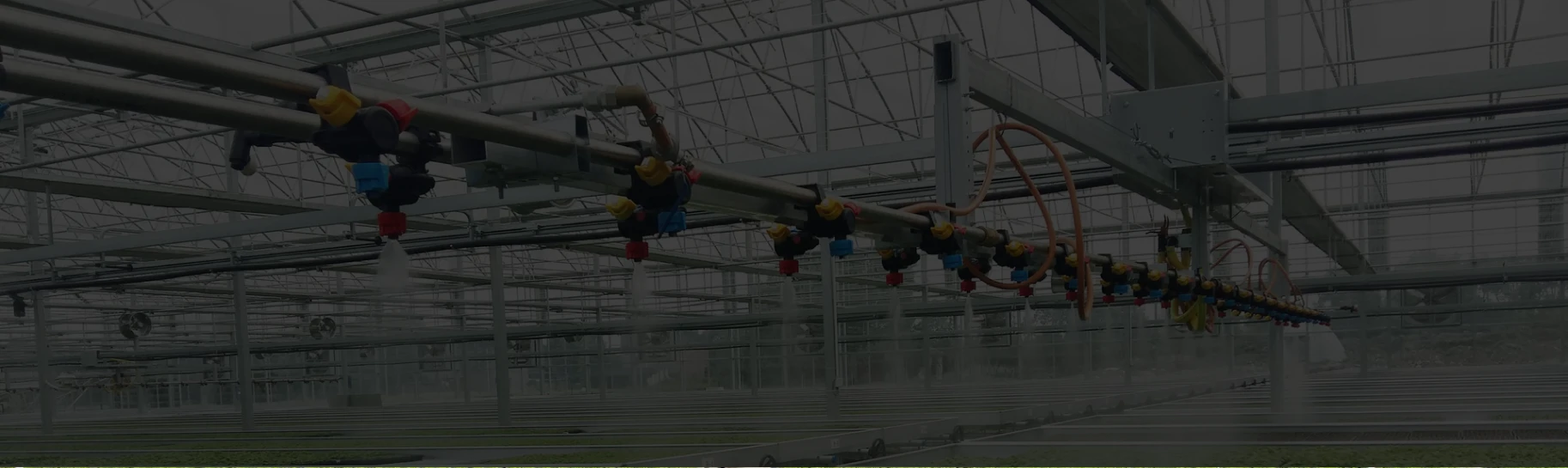
Choosing the Right Rubber Pipe for Water Applications
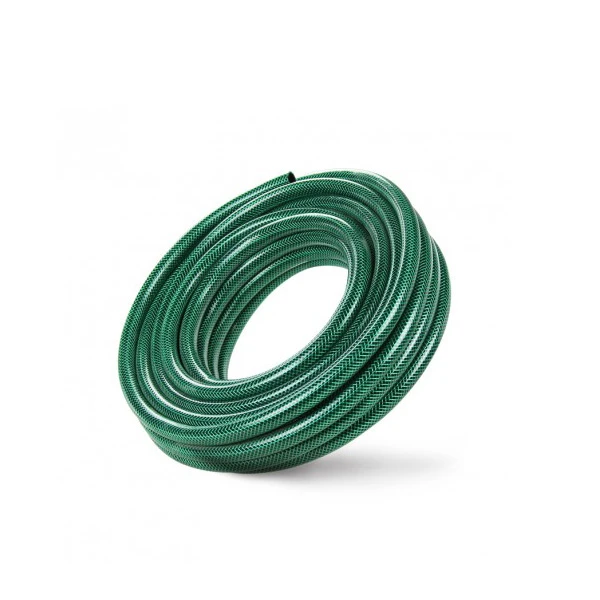
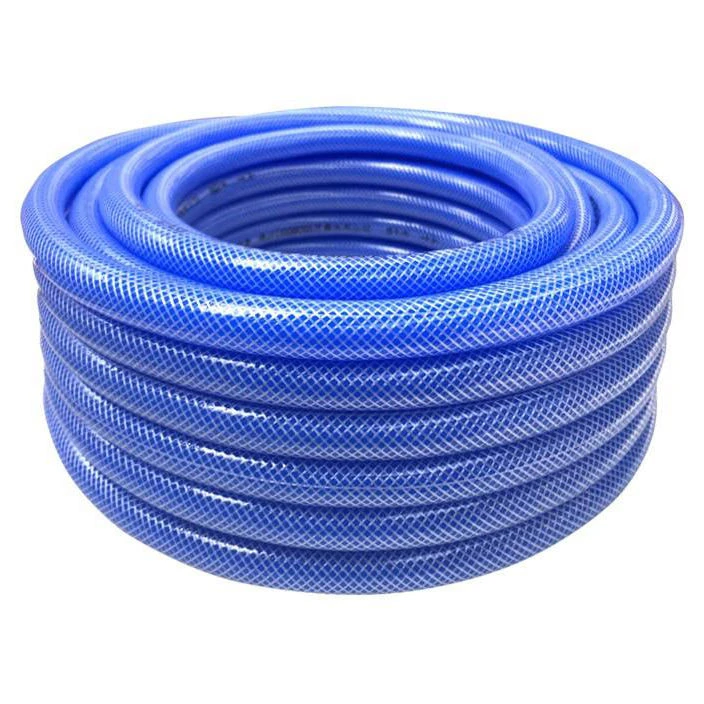
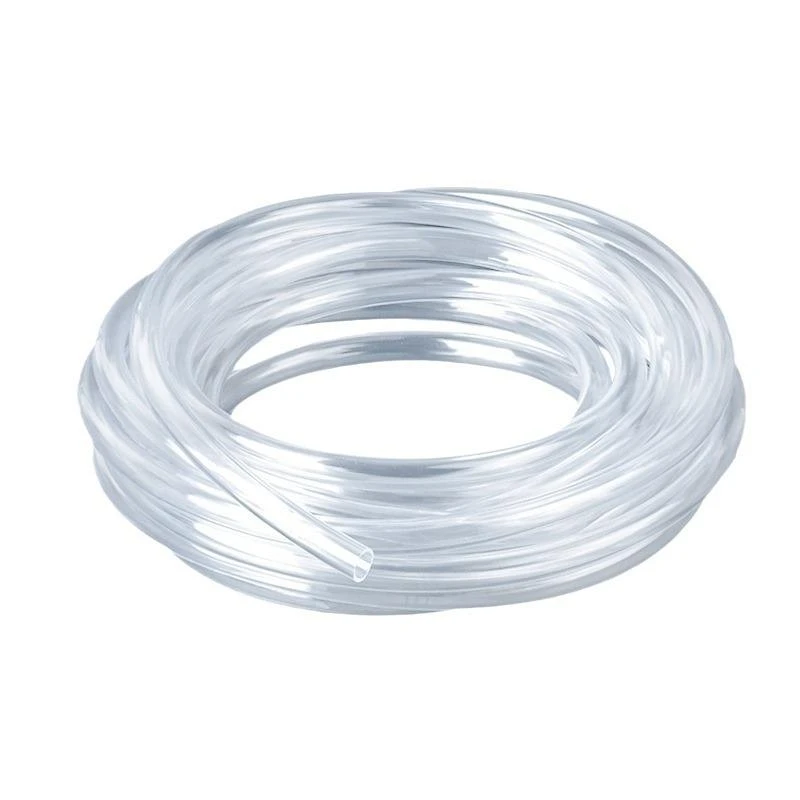
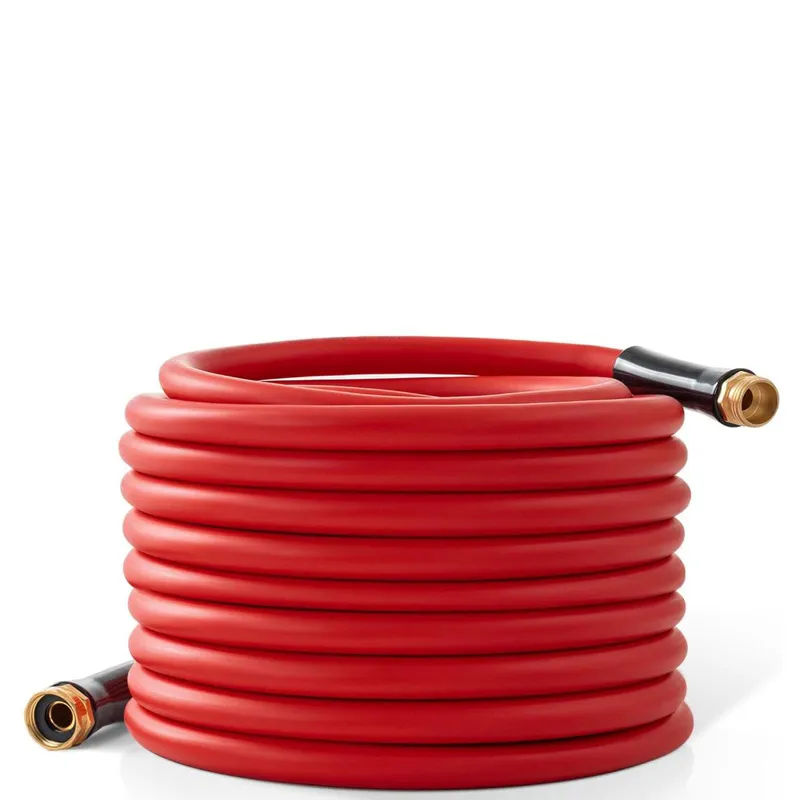
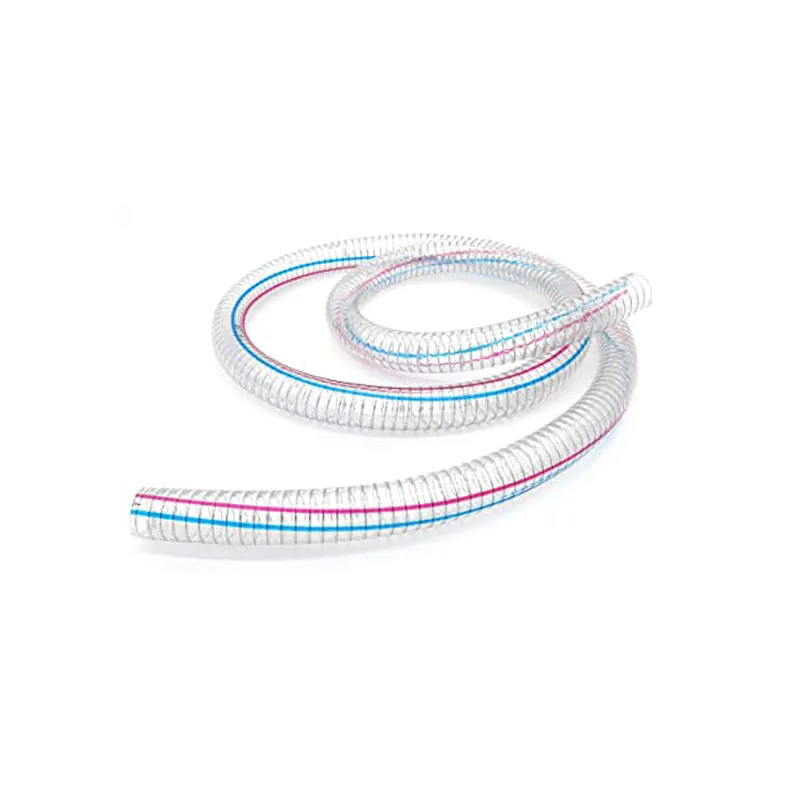
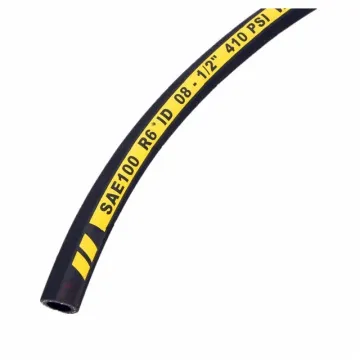
Selecting the appropriate rubber pipe for water transfer is crucial for various applications, from irrigation and industrial processes to municipal water supply. Different rubber compounds offer varying levels of flexibility, durability, and resistance to chemicals and temperature fluctuations. This guide will explore the key considerations when choosing a rubber pipe for water, focusing on materials, applications, and essential specifications. Understanding these factors ensures optimal performance, longevity, and safety for your specific needs. ZSmartFlexHose offers a wide range of high-quality rubber pipes designed for diverse water applications.
Understanding Rubber Compounds Used in Water Pipes
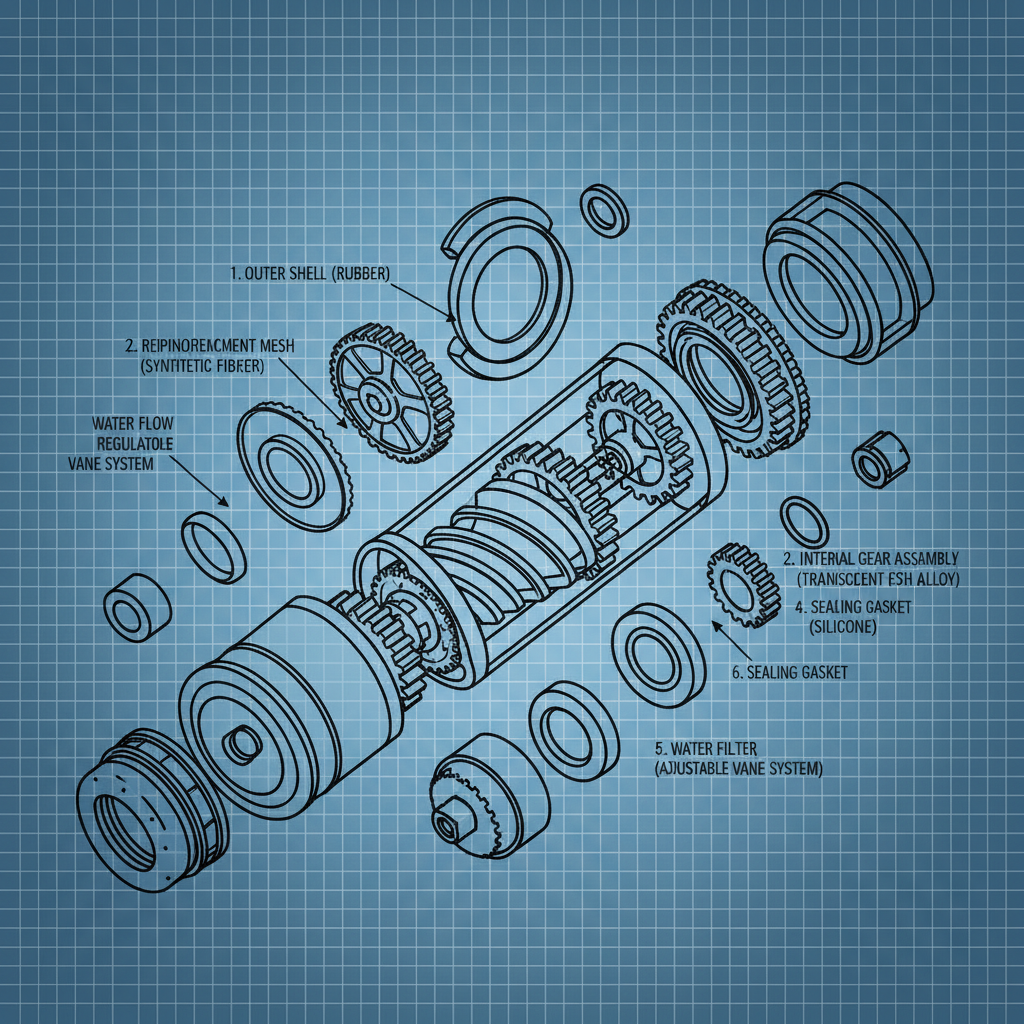
Several rubber compounds are commonly used in the manufacturing of water pipes, each possessing unique characteristics. EPDM (Ethylene Propylene Diene Monomer) is a popular choice due to its excellent resistance to weathering, ozone, and UV radiation. It's ideal for outdoor applications and potable water transfer. NBR (Nitrile Butadiene Rubber) offers superior oil resistance, making it suitable for industrial processes involving oily water. Chloroprene Rubber (CR) provides good resistance to chemicals and abrasion, often used in applications requiring durability. The selection of the correct rubber compound directly impacts the pipe’s lifespan and performance. ZSmartFlexHose utilizes premium-grade rubber compounds to ensure the highest quality and reliability.
Key Considerations: Selecting the right compound depends on the specific fluid being transferred, operating temperature, pressure requirements, and exposure to environmental factors.
Applications of Rubber Pipe for Water
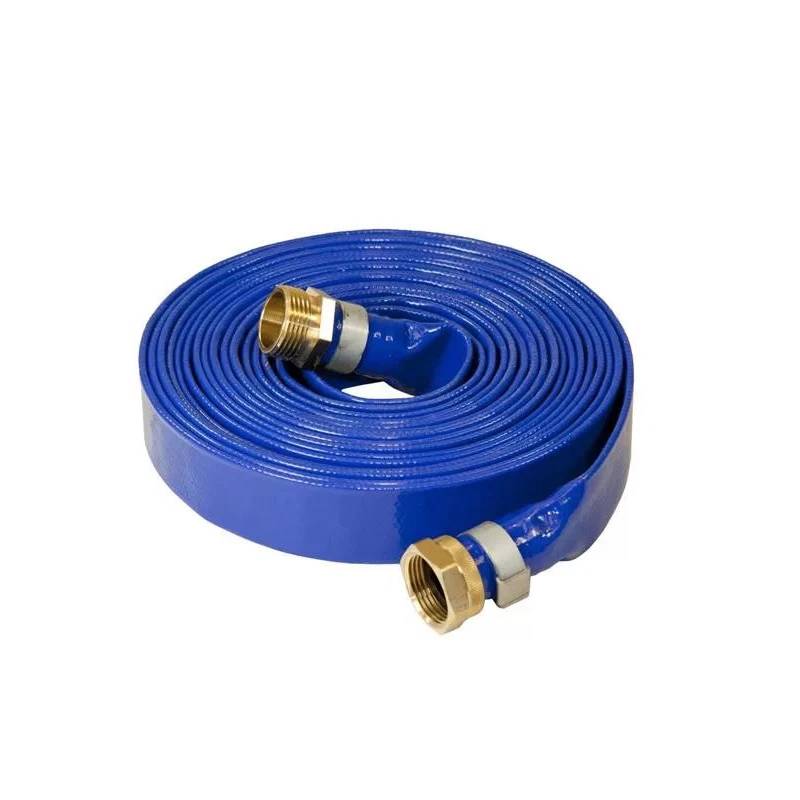
The versatility of rubber pipes for water allows for a wide array of applications. These include agricultural irrigation systems, where flexibility and resistance to UV exposure are paramount. Industrial facilities utilize them for coolant transfer, wastewater discharge, and process water supply. Municipalities rely on rubber pipes for potable water distribution and sewer lines. Emergency response teams use them for rapid water deployment during floods and fires. The ability to handle varying pressures and temperatures makes them invaluable in numerous industries.
Common Applications:
• Agricultural Irrigation
• Industrial Water Supply
• Wastewater Discharge
• Municipal Water Distribution
Comparing Different Rubber Pipe Water Materials
Selecting the optimal rubber material requires a careful comparison of their strengths and weaknesses. EPDM generally offers the best all-around performance for potable water due to its non-toxic nature and excellent weathering resistance. NBR is preferred for applications involving oils and fuels, but may not be suitable for long-term potable water exposure. CR provides good abrasion resistance but can be more expensive than EPDM. The following table summarizes key differences:
Key Specifications to Consider When Choosing Rubber Pipe for Water
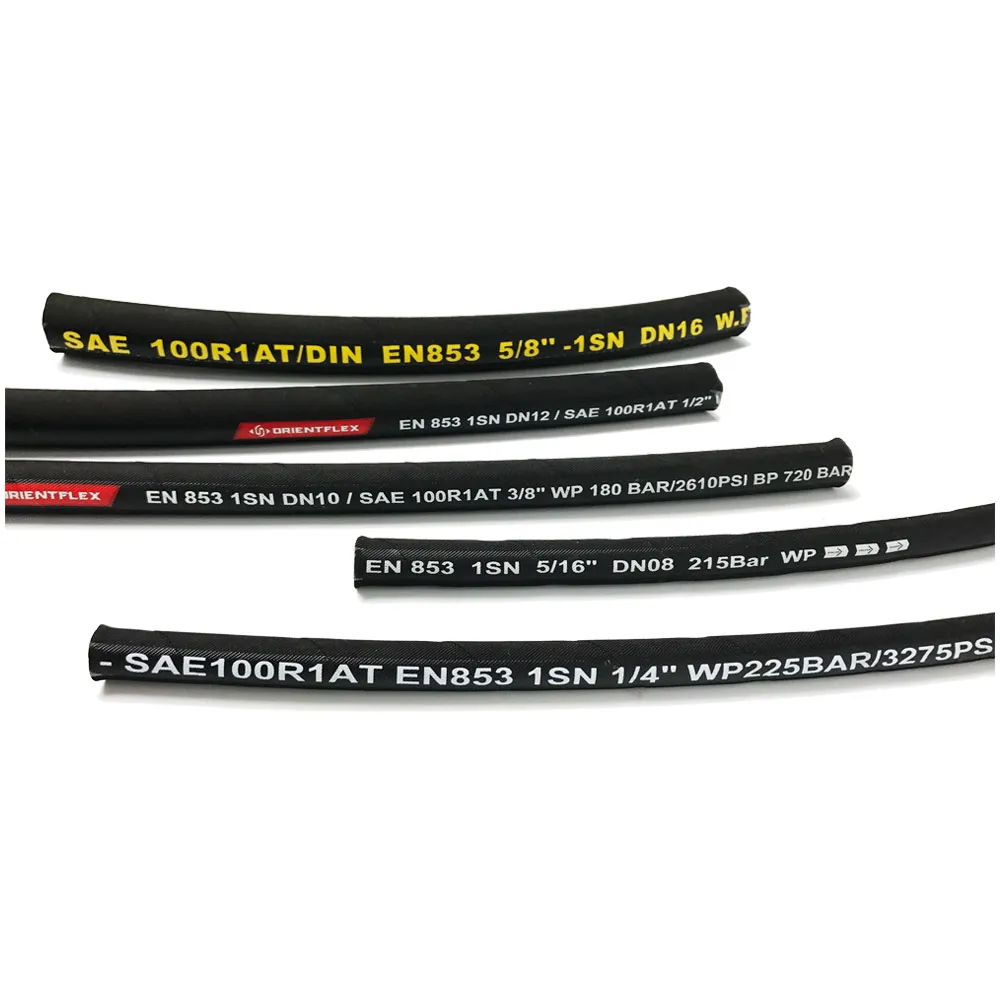
Beyond the material, several key specifications must be considered. Pressure Rating indicates the maximum pressure the pipe can safely withstand. Diameter determines the flow rate capacity. Wall Thickness impacts durability and pressure resistance. Temperature Range defines the operational limits. Ensure the pipe’s specifications align with your application’s requirements to avoid failures and ensure long-term performance. ZSmartFlexHose provides detailed specification sheets for all our products.
Conclusion: Investing in Quality Rubber Pipe for Water
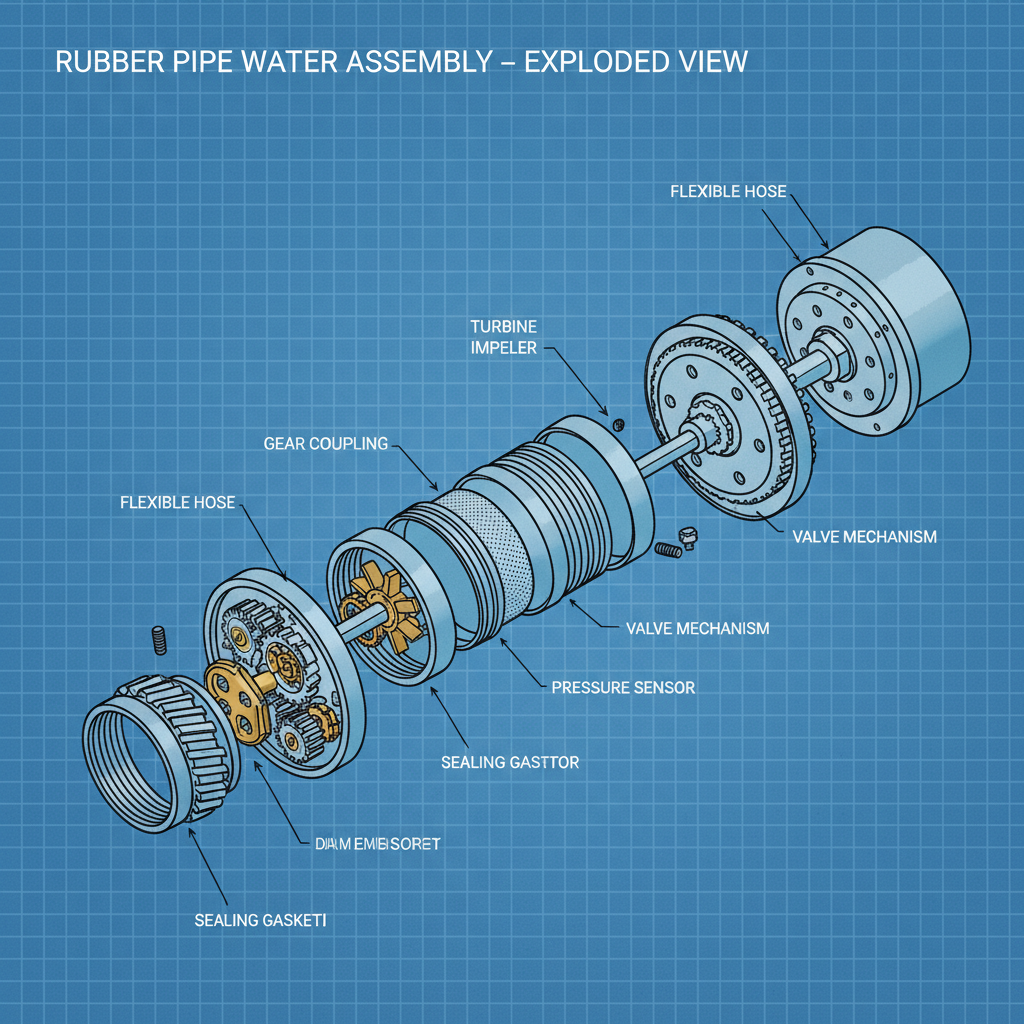
Choosing the right rubber pipe for water is a critical investment in the longevity and efficiency of your operations. By carefully considering the rubber compound, application requirements, and key specifications, you can ensure optimal performance and minimize the risk of costly failures. ZSmartFlexHose is committed to providing high-quality, reliable rubber pipe solutions tailored to your specific needs.
Frequently Asked Questions (FAQs)
What is the recommended operating temperature range for EPDM rubber pipes?
EPDM rubber typically performs well within a temperature range of -50°C to +150°C (-58°F to +302°F). However, prolonged exposure to extreme temperatures, particularly at the higher end of the range, can affect the rubber's elasticity and lifespan. Always consult the manufacturer's specifications for precise temperature limits. For applications outside this range, alternative rubber compounds like Viton may be necessary.
How do I determine the correct diameter of rubber pipe for my application?
Determining the correct diameter requires calculating the required flow rate and considering factors like fluid viscosity and pipe length. A larger diameter pipe reduces friction loss and allows for higher flow rates, but can also be more expensive. Use flow rate calculators or consult with a fluid dynamics engineer to determine the optimal diameter for your specific needs. ZSmartFlexHose can provide assistance with pipe sizing.
Are rubber pipes suitable for potable water applications?
Yes, EPDM and certain other rubber compounds are approved for potable water applications, provided they meet relevant safety standards like NSF/ANSI 61. It’s crucial to verify that the rubber compound is non-toxic and does not leach harmful substances into the water. Always choose rubber pipes specifically designed and certified for potable water use to ensure public health and safety.
How should rubber pipes be stored to maximize their lifespan?
Rubber pipes should be stored in a cool, dry, and dark location, away from direct sunlight, ozone sources (like electric motors), and extreme temperatures. Avoid storing them in contact with petroleum-based products or solvents. Ideally, store pipes horizontally on a rack to prevent kinking or damage. Proper storage significantly extends the lifespan and maintains the integrity of the rubber material.
Z-Smartflex delivers superior-quality industrial hoses and fittings with global reliability, offering you durable solutions and exceptional service for all your fluid transfer needs.