Everything You Need to Know About 3 8 Inch Rubber Hose
When sourcing industrial hoses, selecting the right diameter and material is crucial for efficient and safe fluid transfer. The 3 8 inch rubber hose is a versatile option used in numerous applications. This article provides a comprehensive guide to understanding its uses, benefits, specifications, and how to choose the best hose for your needs. We'll cover everything from common applications to key features and considerations when purchasing.
Understanding the Applications of a 3 8 Inch Rubber Hose
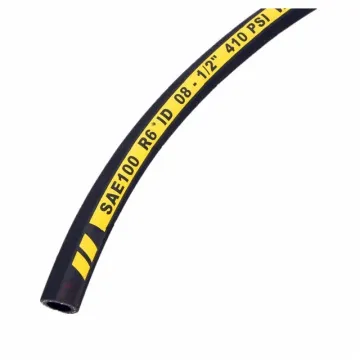
A 3/8 inch rubber hose boasts a wide range of applications across various industries. Its size is ideal for conveying fluids in applications where a larger diameter is unnecessary or impractical. Common uses include fuel lines in automotive and machinery, air lines for pneumatic tools, coolant transfer in manufacturing, and fluid handling in agricultural equipment. The flexibility of rubber makes it suitable for tight spaces and complex routing. It is also frequently found in laboratory settings for transferring chemicals and liquids.
Key Highlights: The 3/8 inch size strikes a balance between flow rate and maneuverability, making it a popular choice for many fluid transfer applications.
Key Features and Benefits of Choosing Rubber
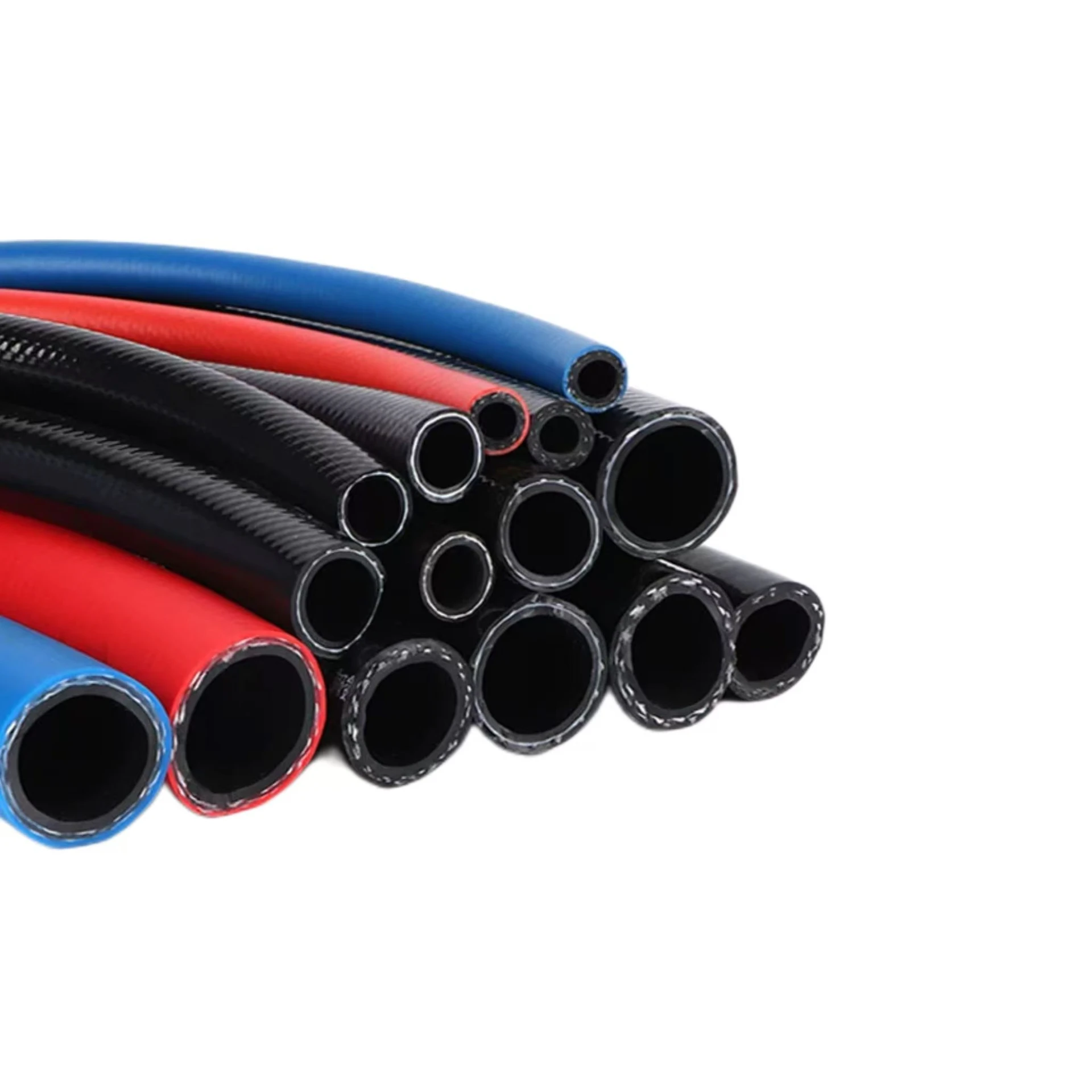
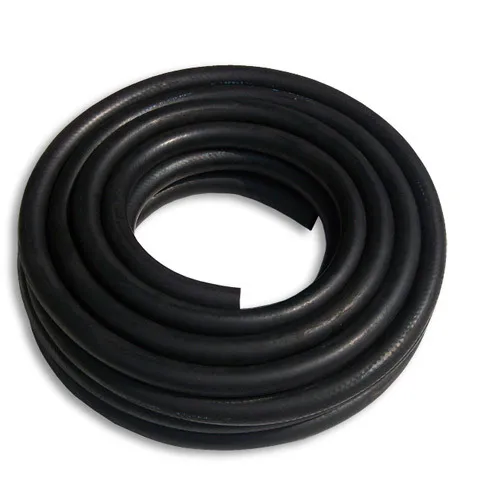
Rubber hoses offer several advantages, including excellent flexibility, making them easy to install and route. They’re known for their resistance to abrasion, weathering, and certain chemicals, enhancing their durability. Rubber also provides good vibration dampening, reducing noise and wear on connected equipment. Selecting the correct rubber compound (like EPDM, Nitrile, or Silicone) is vital to ensure compatibility with the fluid being transferred. A high-quality 3 8 inch rubber hose from a reputable supplier, like ZSmartFlexHose, ensures reliable performance and longevity.
Rubber Hose Benefits:
• Excellent flexibility for easy installation
• Resistance to abrasion, weathering, and chemicals
• Good vibration dampening
• Wide range of compatible compounds
3 8 Inch Rubber Hose: Material Comparison
Not all rubber is created equal. Different rubber compounds offer varying levels of resistance to specific chemicals and temperatures. Understanding these differences is key to selecting the optimal hose for your application. Here’s a comparison of common rubber materials used in 3/8 inch rubber hoses:
Choosing the Right 3 8 Inch Rubber Hose: Key Considerations
Selecting the right hose requires careful consideration of several factors. First, identify the fluid you’ll be transferring. This will determine the necessary rubber compound for compatibility. Next, consider the operating pressure and temperature. Ensure the hose is rated to handle these conditions. Reinforcement layers, such as braided fabric or wire, can increase pressure capacity. Finally, assess the hose’s intended use and environment to determine the need for features like UV resistance or abrasion protection. A 3 8 inch rubber hose from ZSmartFlexHose can be customized to meet your specific requirements.
Product Specifications: 3/8” EPDM Rubber Hose
Here’s a detailed look at a common specification for a 3/8” EPDM Rubber Hose:
Conclusion: Choosing the Right Hose for Your Needs
Selecting the right 3 8 inch rubber hose is essential for ensuring efficient and safe fluid transfer. By carefully considering the application, fluid compatibility, and operating conditions, you can choose a hose that will deliver reliable performance for years to come. ZSmartFlexHose offers a wide range of high-quality rubber hoses to meet your specific needs.
Frequently Asked Questions (FAQs)
What is the typical lifespan of a 3/8 inch rubber hose?
The lifespan of a 3/8 inch rubber hose varies depending on the application, the fluid being transferred, and environmental conditions. However, with proper care and maintenance, a quality rubber hose can typically last between 3 to 5 years. Factors such as exposure to UV light, extreme temperatures, and abrasive materials can shorten its lifespan. Regular inspections for cracks, leaks, or swelling are crucial. It’s recommended to replace the hose if any signs of damage are detected.
How do I properly store a rubber hose when not in use?
Proper storage is essential to prolong the life of a rubber hose. Store the hose in a cool, dry, and dark place, away from direct sunlight and extreme temperatures. Avoid bending or kinking the hose, as this can cause damage. It’s also important to ensure the hose is clean and free of any residual fluids before storing it. Coiling the hose loosely and storing it on a reel or hanger is ideal. Avoid storing it in contact with ozone-producing equipment.
Can a 3/8 inch rubber hose be used for potable water?
Not all rubber hoses are suitable for potable water. Only hoses specifically designed and certified for drinking water applications should be used. These hoses are typically made from non-toxic materials like FDA-approved rubber and are designed to prevent leaching of harmful substances into the water. Always check the hose’s specifications and certifications before using it for potable water.
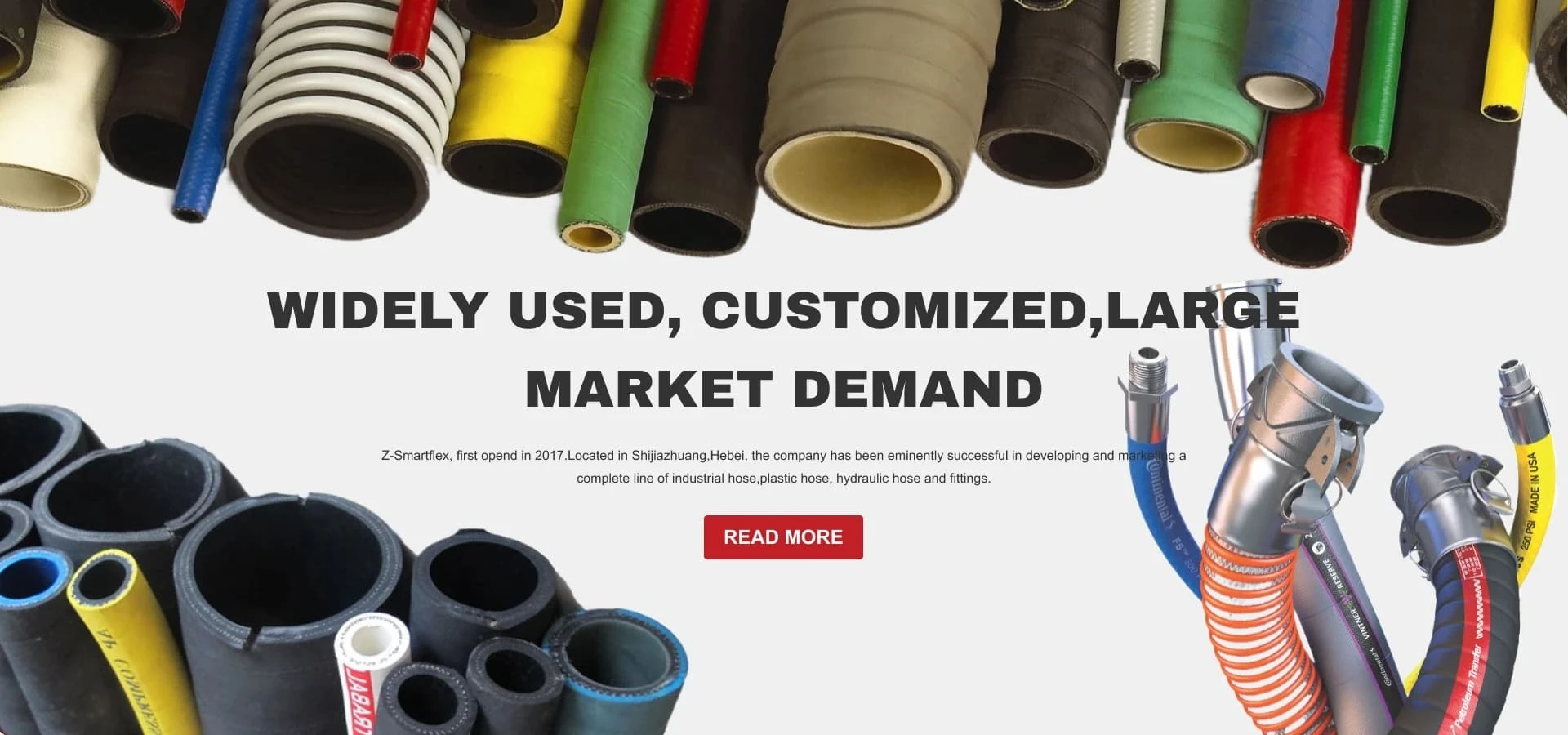
Z-Smartflex delivers superior-quality industrial hoses and fittings with global reliability, offering you durable solutions and exceptional service for all your fluid transfer needs.