Understanding the 3 8 Automotive Hose: An Essential Component in Modern Vehicle Systems
On the surface, a hose might seem like just a simple piece of rubber or plastic tubing—but when you drill down to the specifics, the 3 8 automotive hose is a critical component that powers countless mechanical systems worldwide. Whether in a family sedan or a heavy-duty truck, this relatively small part quietly handles significant pressure, temperature, and chemical exposure to ensure machines run smoothly. Globally, understanding the function and importance of these hoses not only affects vehicle reliability but also has broader implications on safety, sustainability, and industry standards.
In fact, according to recent industry reports, automotive hoses represent a multi-billion-dollar market and are key in reducing emissions, preventing leaks, and improving fuel efficiency. These hoses appear in fuel lines, coolant systems, brake assemblies, and more—making their quality and materials vital across manufacturing and maintenance sectors. But why does a 3 8 automotive hose matter, exactly? It’s partly about the perfect balance of flexibility and durability; partly about meeting strict international engineering standards like ISO 1436; and ultimately about keeping vehicles and their users safe and reliable on the road.
Global Context: The 3 8 Automotive Hose in Industry and Innovation
Globally, the automotive sector is one of the biggest drivers of demand for hoses, especially the 3 8 inch (nominal diameter) size—which is popular owing to its compatibility with a wide array of engine and fluid system components. The United Nations, through its initiatives around sustainable industry and innovation (UN SDG 9), touches on the importance of durable industrial components. Hoses like this not only contribute to the efficiency of vehicles but also affect resource use and emissions.
The challenge is that automotive hoses need to withstand diverse climates, chemical exposures, and mechanical stresses, which vary by region—making standardization and quality control essential. For instance, a vehicle operating in Southeast Asia’s humid heat demands different hose properties than one designed for cold North American winters.
What Is a 3 8 Automotive Hose?
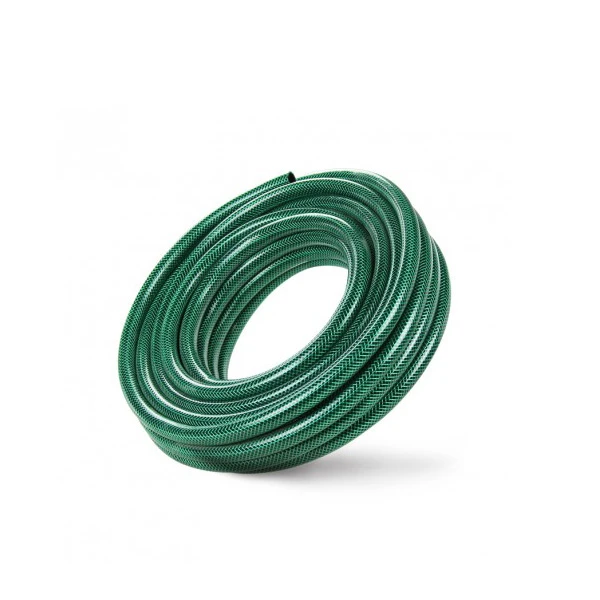
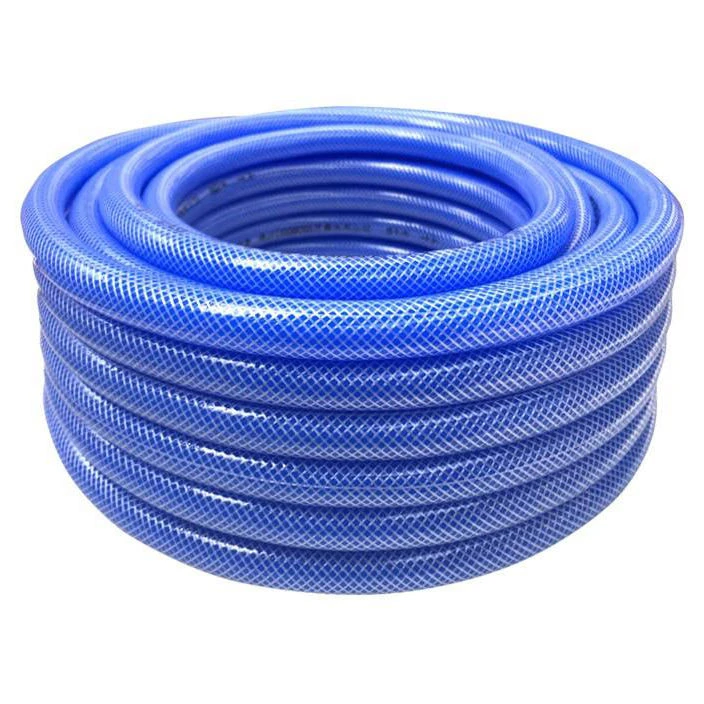
Simply put, a 3 8 automotive hose is a flexible tube with a nominal inner diameter of 3/8 inches (about 9.5 mm) designed specifically for automotive applications. It usually carries fluids like fuel, oil, coolant, or air under pressure. Its construction is engineered for strength, heat resistance, chemical compatibility, and flexibility to integrate seamlessly into vehicles’ complex mechanical systems.
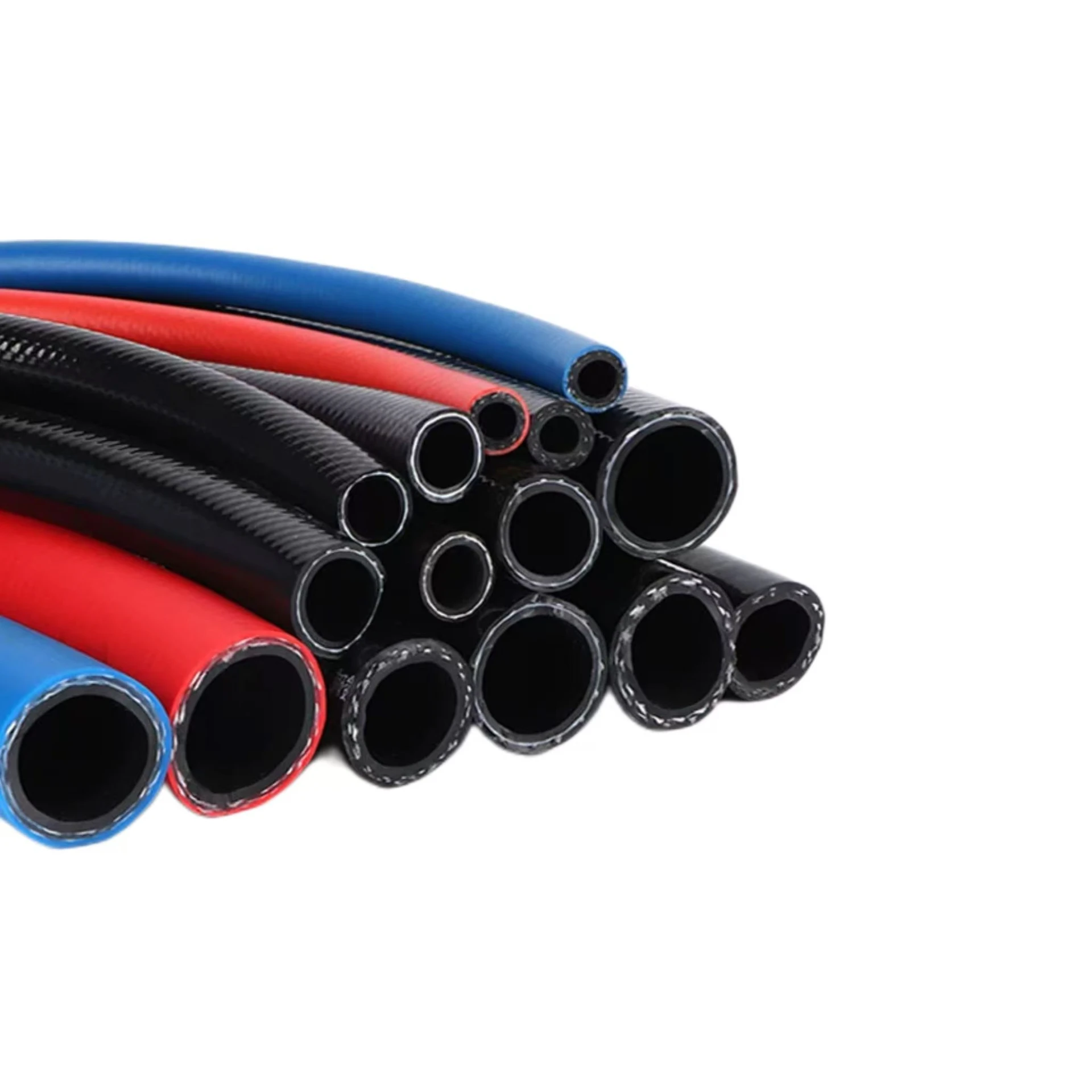
They often have layers: an inner synthetic rubber tube that resists fluids, a reinforcing fiber or textile braid to resist pressure bursts, and an outer cover that protects against abrasion, weather, and heat. This combination makes them invaluable in manufacturing sectors and also in humanitarian logistics, such as vehicle fleets operating in disaster relief zones where reliability is more than just an economic factor – it's a life-saver.
Key Characteristics of 3 8 Automotive Hoses
Durability
Because a hose can be exposed to harsh chemicals, extreme temperatures, and constant vibration, robust materials like nitrile rubber or EPDM are often used. This durability ensures minimal failures, which otherwise could cause leaks or engine damage.
Flexibility
Despite being sturdy, these hoses must also bend and fit into tight engine compartments without cracking or kinking. The 3 8 size particularly balances strength with manageable flexibility, a trait many engineers appreciate for complex automotive assemblies.
Pressure Handling
They usually tolerate pressures from 50 psi up to 250 psi depending on design, which ties directly to safe fluid transfer and overall reliability.
Heat Resistance
Operating temperatures usually range from -40°C up to around 120°C, and sometimes higher for specialized hoses. The materials are selected to maintain integrity under engine heat.
Chemical Compatibility
Resistance to fuels, oils, acids, and coolants is fundamental. This chemical resilience prevents degradation and extends hose life.
| Specification | Typical Value | Notes |
|---|---|---|
| Inner Diameter | 3/8 inch (9.5 mm) | Standard nominal size |
| Operating Pressure | Up to 250 psi | Varies by reinforcement |
| Temperature Range | -40°C to 120°C | Typical operating ranges |
| Materials | Nitrile, EPDM, synthetic rubber | Depends on fluid type |
| Reinforcement | Textile or wire braid | Dictates pressure tolerance |
Mini takeaway: The 3 8 automotive hose is a meticulously engineered product balancing durability, flexibility, and resistance to harsh conditions all packed into a small diameter tube.
Real-World Applications of 3 8 Automotive Hoses
Across the globe, whether we look at car manufacturing plants in Germany or fleet maintenance yards in the US, the 3 8 automotive hose makes frequent appearances. It's not just passenger cars—heavy machinery in agricultural or construction sites uses these hoses for hydraulics and fuel delivery. In fact, many automotive aftermarket companies stock 3 8 hoses because they’re often used in fuel lines, vacuum lines, and cooling systems.
Oddly enough, NGOs operating post-disaster have reported how reliable these hoses are in maintaining emergency supply vehicles, especially in tough terrains like those found in sub-Saharan Africa or Southeast Asia. In such cases, a dependable hose can prevent breakdowns—an important factor when rapid response is critical.
Vendor Comparison: Leading Suppliers of 3 8 Automotive Hoses
| Vendor | Material Options | Price Range (per meter) | Additional Features | Lead Time |
|---|---|---|---|---|
| ZSmart FlexHose | Nitrile, EPDM, Silicone | $3 - $5 | Custom diameters, reinforced braiding | 1-2 weeks |
| AutoFlex Industries | EPDM, Synthetic Rubber | $2.5 - $4.5 | Temperature resistant coatings | 3-4 weeks |
| Global Hose Supply | Nitrile, PVC Blend | $2 - $4 | Bulk discounts available | 2-3 weeks |
Mini takeaway: Choosing the right vendor means balancing cost, customization, and delivery times. ZSmart FlexHose, for instance, offers a great range of materials and speed, which mirrors their reputation in the market.
Advantages and Long-Term Benefits
- Cost efficiency: Durable hoses mean fewer replacements and less downtime.
- Sustainability: Using higher-quality hoses reduces waste and supports greener automotive manufacturing practices.
- Safety and reliability: Preventing leaks and failures protects users and the environment.
- Enhanced performance: Fluid integrity supports vehicles running cleaner and more efficiently.
Frankly, when you rely on a hose every day in millions of vehicles, those small benefits add up. There’s also a lot of trust placed on these hoses—engineers know that a failure in the fuel line hose, for instance, could have serious consequences. So every design tweak matters.
Future Trends & Innovations in 3 8 Automotive Hose Technology
Looking ahead, innovation is focusing heavily on advanced materials like bio-based rubbers and smart hoses that can detect leaks or wear digitally. With the automotive industry embracing electric vehicles, the roles and material requirements of hoses are evolving—although combustion engines still dominate markets globally.
Additionally, sustainability is pushing OEMs and suppliers to cut emissions in the hose manufacturing process and improve recyclability. We might even see more integration of hose assemblies with modular, quick-disconnect technology—helping maintenance crews work faster and safer.
Challenges & Practical Solutions
One challenge with 3 8 automotive hoses involves balancing cost and performance—sometimes engineers must choose between premium materials and budget constraints. Another limitation is ensuring compatibility with newer biofuels and additives, which can degrade older hose compounds.
Innovation-wise, multi-layered hose technology and more rigorous testing standards are rising to meet these issues. Suppliers also collaborate with automotive OEMs closely to refine materials and designs that handle emerging fluid chemistries better.
FAQ: Frequently Asked Questions About 3 8 Automotive Hose
- What types of fluids can a 3 8 automotive hose safely transport?
- A 3 8 automotive hose typically handles fuel, oil, coolant, and air. Its compound and reinforcement determine compatibility, but nitrile and EPDM hoses are common choices for fuel and coolant systems, respectively.
- How long do 3/8 hoses usually last in vehicles?
- Under normal service conditions, a good quality hose can last 5 to 10 years. Longevity depends on usage, exposure to heat, chemicals, and correct installation.
- Are all 3 8 automotive hoses interchangeable?
- No, even if the size is standard, materials, pressure ratings, and fittings vary. It’s important to use hoses specified for the vehicle’s system to avoid failures.
- How can I ensure I’m buying ISO-compliant hoses?
- Check vendor certifications and product datasheets. ISO 1436 and SAE J30 are common standards that ensure hoses meet performance and safety requirements.
- Can 3 8 automotive hoses be customized?
- Yes, many manufacturers offer customization in length, reinforcement level, and fittings to meet specialized applications.
Conclusion & Call to Action
Ultimately, the 3 8 automotive hose is far more than a simple tube—it’s a finely balanced, technical component that plays a vital role in vehicle safety, efficiency, and sustainability. For businesses and individuals interested in sourcing high-quality hoses tailored to demanding conditions, visiting 3 8 automotive hose supplier pages like ZSmart FlexHose is a great first step. Their combination of expertise, customization, and rapid delivery makes them a trustworthy choice in this niche but essential field.
Keep these points in mind next time your car’s fluid systems need service—quality hoses matter.
References
1. ISO 1436: Rubber hoses and hose assemblies — Textile-reinforced type for hydraulic applications (https://www.iso.org/standard/28750.html)
2. United Nations Sustainable Development Goals (https://sdgs.un.org/goals)
3. Automotive Aftermarket Suppliers Association reports (https://www.aftermarketsuppliers.org)
Z-Smartflex delivers superior-quality industrial hoses and fittings with global reliability, offering you durable solutions and exceptional service for all your fluid transfer needs.