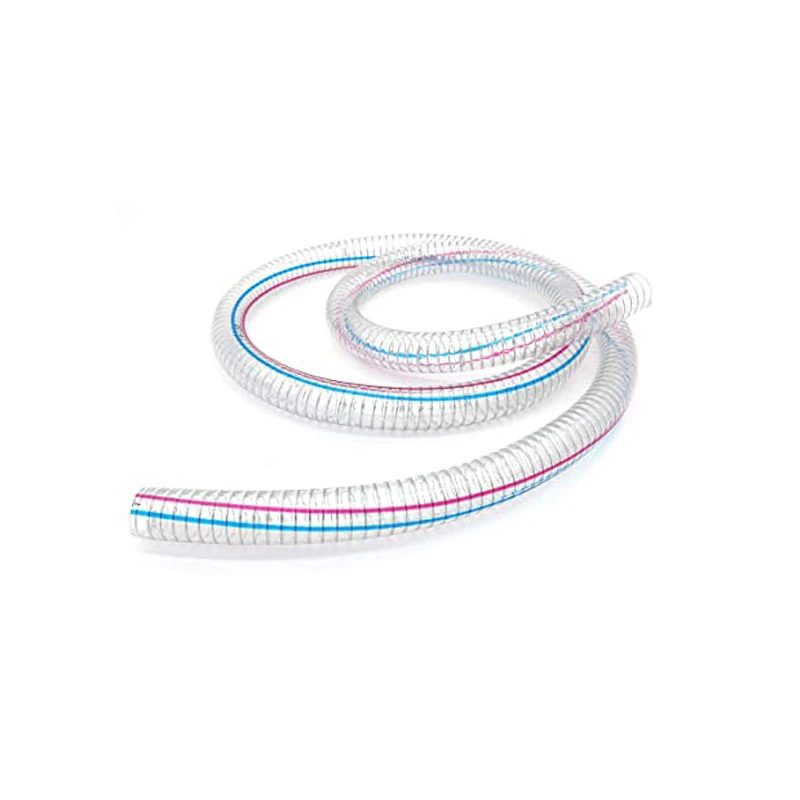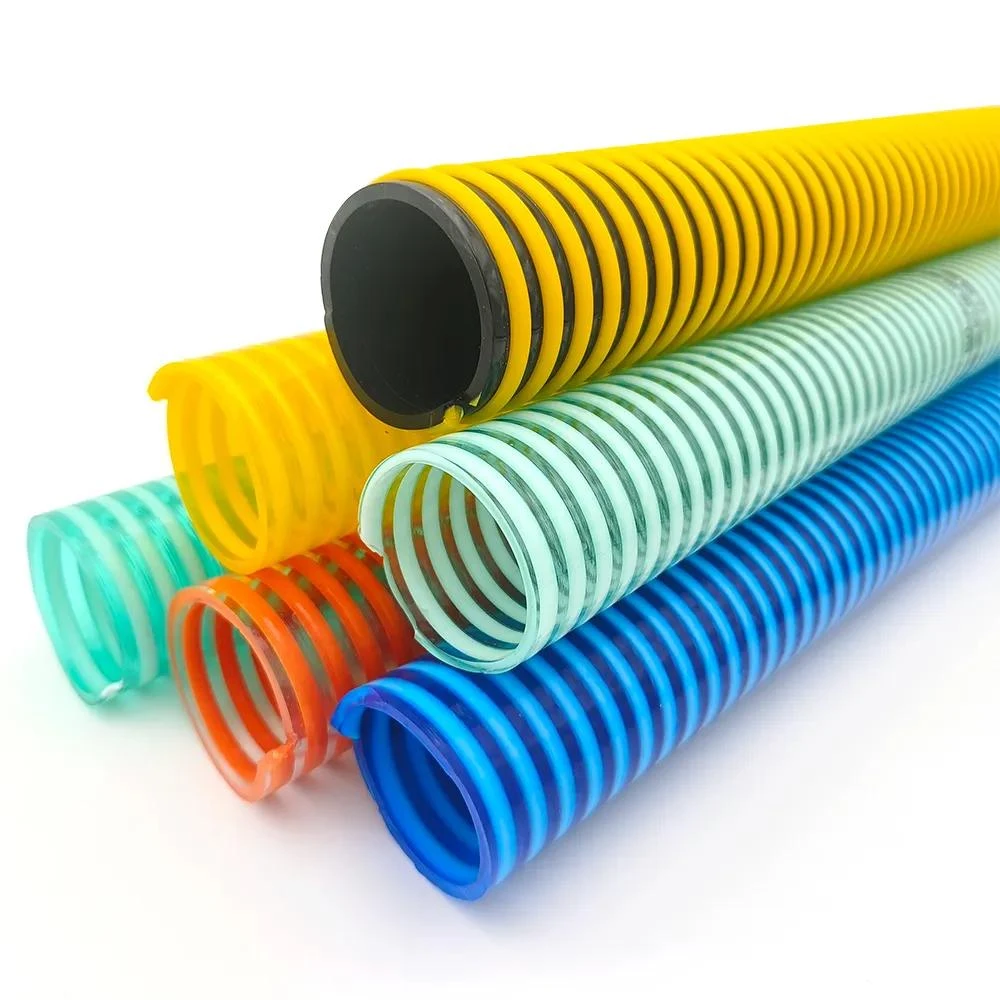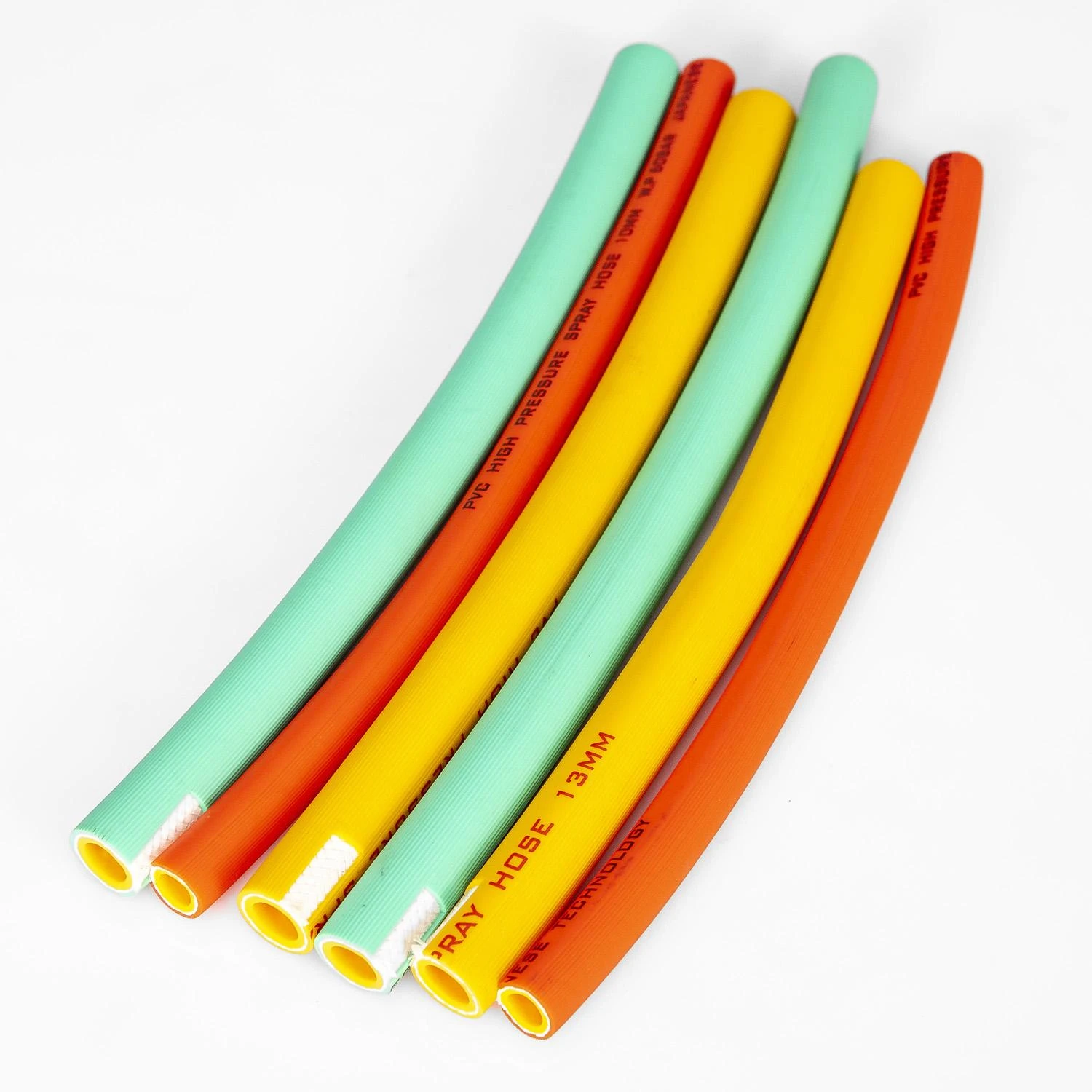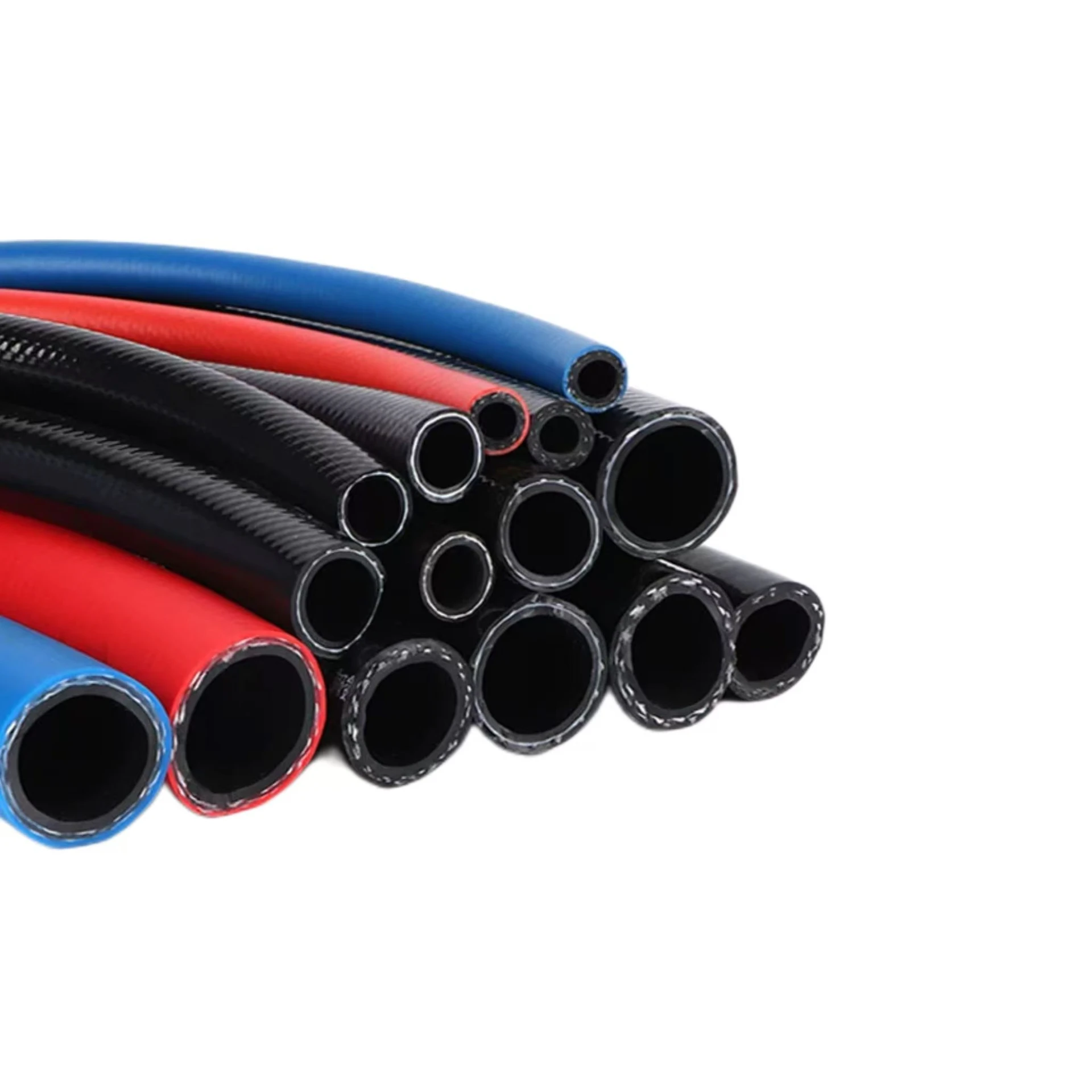
The Essential Role of Hose Pipe for Fire Fighting: More Than Just Rubber and Water
Fire fighting hoses — or simply hose pipe for fire fighting — might seem straightforward at first glance: flexible tubes designed to deliver water or other fire suppressants. But they are absolutely vital in the global effort to protect lives and property from one of humanity’s most relentless threats: fire.
Understanding these hoses goes beyond their physical makeup. These devices underpin rapid fire response, ensuring water gets where it’s needed against the odds of heat, smoke, and chaos. With urban growth, climate change, and industrial complexity on the rise, reliable firefighting infrastructure feels more crucial than ever.
In fact, according to the UN’s climate reports, wildfire severity and frequency have been rising globally. Fires destroy not only homes but critical infrastructure and ecosystems — and here, the hose pipe for fire fighting plays a frontline role.
Mini takeaway: Firefighting hoses are low-profile heroes in global fire safety. Their effectiveness literally translates to saved lives and property worldwide.
Understanding Hose Pipe for Fire Fighting: What Is It Really?
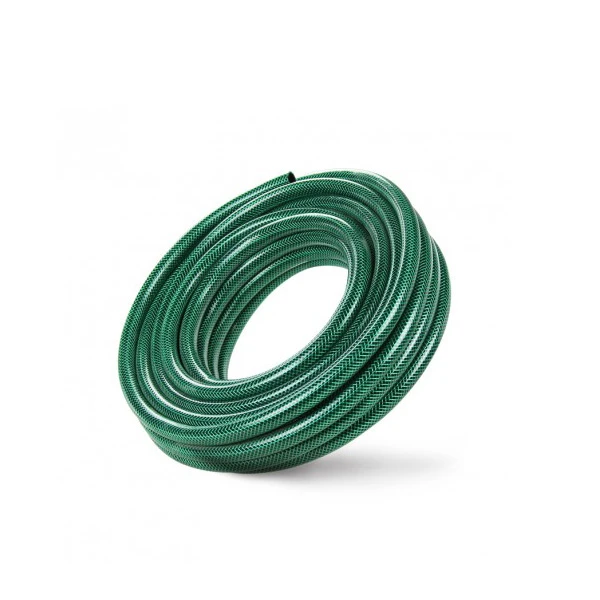
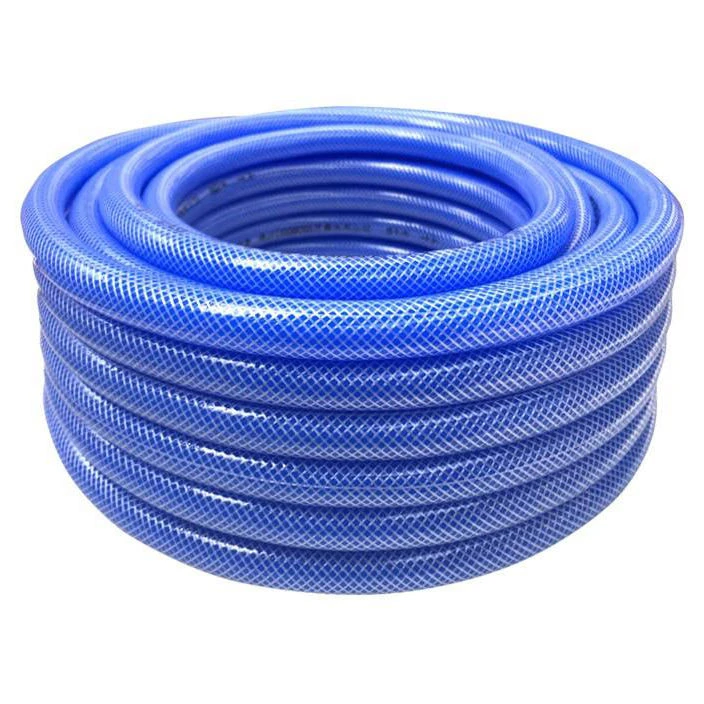
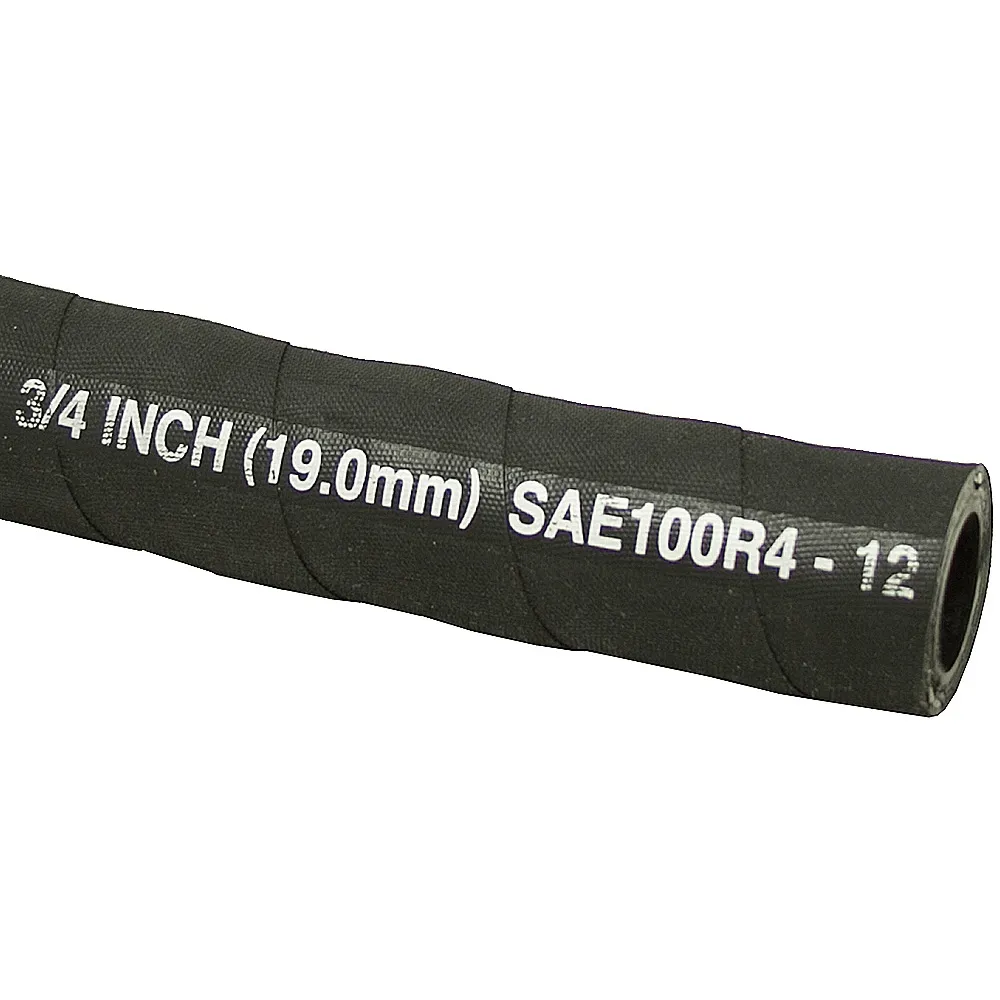
Plainly put, a hose pipe for fire fighting is a flexible conduit designed to transport water or fire retardant foam from a source (like a hydrant or pump) directly to the blaze. Made from materials engineered to withstand pressure, heat, abrasion, and chemical exposure, these hoses ensure flow under physical stress.
Modern firefighting systems depend on these hoses to be lightweight yet durable, able to extend hundreds of meters without kink or leak. Without this dependable link, powerful water jets and sprinkler systems become pretty useless on the front lines.
Curiously, the design and testing of fire hoses follow strict standards such as ISO 1402 that govern performance and safety worldwide.
Mini takeaway: Firefighting hoses are specialized equipment carefully crafted and standardized to meet the demands of unpredictable emergencies.
Key Components & Factors Influencing Hose Pipe Performance
1. Durability & Material Quality
Fire hoses are typically constructed with inner tubes made of synthetic rubber or thermoplastic, reinforced with woven synthetic fibers like nylon or polyester for strength. The outer jacket resists abrasion, UV rays, and chemicals. Durability against harsh conditions is paramount — a burst or tear can be disastrous.
2. Pressure Rating
Depending on their intended use, hoses vary in rated working pressure, generally between 8 to 25 bar (116-360 psi) or more. Higher pressure capacity means more powerful water delivery and longer reach, but the construction must balance flexibility and stiffness.
3. Diameter and Length Flexibility
The internal diameter affects the water flow volume, with common sizes ranging from 25mm to 65mm. The hose length varies to suit specific requirements, from short fire attack lines to long supply lines connecting hydrants at great distances.
4. Couplings and Fittings Compatibility
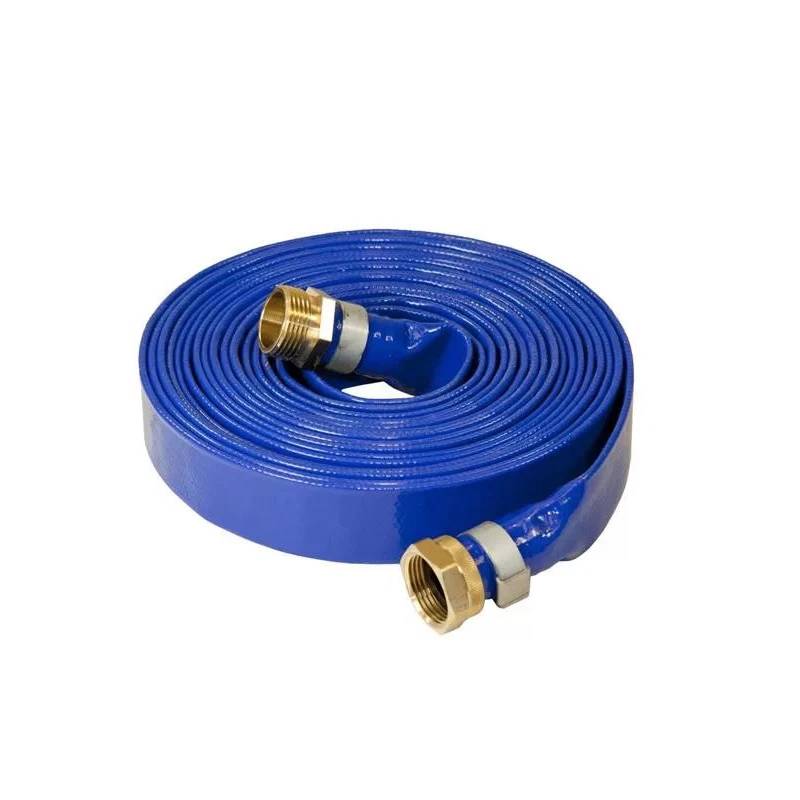
Fire hoses need standardized couplings for quick connection and disconnection. Common standards include British Instantaneous and Storz couplings. Compatibility with existing firefighting equipment is crucial for field efficiency.
5. Weight and Handling
Since firefighters often drag and maneuver the hose in dangerous conditions, it’s vital that the hose is lightweight yet strong. Manufacturers strive to optimize the weight-to-strength ratio.
6. Heat and Chemical Resistance
Exposure to high temperatures and hazardous substances during fire calls for hoses that don’t degrade or fail prematurely.
| Specification | Details |
|---|---|
| Material - Inner Tube | Synthetic rubber (EPDM) |
| Outer Jacket | Polyester woven fabric |
| Standard Length | 20 meters (can be customized) |
| Working Pressure | 16 bar (232 psi) |
| Diameter | 25 mm (1 inch) |
| Weight (per meter) | 0.5 kg |
| Coupling Type | Storz coupling (standard size 1 inch) |
Global Applications & Use Cases — From Urban Fire Departments to Remote Relief Efforts
The hose pipe for fire fighting finds use across numerous sectors worldwide:
- Urban Firefighting: City fire departments rely heavily on these hoses attached to hydrants and pumps for rapid deployment.
- Industrial Complexes: Chemical plants and refineries maintain specialized hoses resistant to solvents and oils.
- Forestry & Wildfire Management: Lightweight, durable hoses are flown into remote areas to combat forest fires.
- Disaster Relief Operations: After earthquakes or hurricanes, firefighting hoses often double as emergency water supply conduits.
- Marine Firefighting: Specialized hoses are fitted to cope with saltwater corrosion and shipboard environments.
For example, during the wildfires in California, fire crews used miles of hose to channel water from rivers and reservoirs across rugged terrains — a testament to the hose pipe’s vital role outside the urban context.
Mini takeaway: In all these settings, the hose pipe’s reliability and ease of use can literally mean the difference between containment or catastrophe.
Advantages & Long-Term Value of Quality Firefighting Hose Pipes
The benefits of optimized fire hoses extend beyond just pumping water:
- Safety First: Dependable hoses reduce risk for firefighters by enabling swift fire suppression and minimizing exposure.
- Cost Efficiency: Durable hoses mean fewer replacements, lowering overall department expenses.
- Sustainability: Innovations in eco-friendly materials are improving hose recyclability and reducing environmental impact.
- Community Confidence: Knowing fire services have reliable equipment boosts morale and trust.
It’s easy to overlook how such “simple” equipment embodies decades of engineering refinements. I suppose that’s why many engineers say the best fire hoses are unsung champions in emergency tech.
Future Trends & Innovations: Where Is Hose Technology Headed?
Looking forward, the firefighting hose industry is incorporating:
- Smart Sensors: Embedded sensors monitoring pressure and heat stress in real-time for safer deployments.
- Advanced Materials: Nano-fiber reinforcements to boost tensile strength while cutting weight.
- Eco-Friendly Production: Biodegradable jacket materials and less toxic rubber blends.
- Digital Integration: IoT connectivity allowing inventory management and usage tracking.
Oddly enough, the concept of a simple water hose has kept pace with high-tech trends, adapting cleverly to modern demands.
Common Challenges and How Experts Address Them
Of course, challenges prevail:
- Hose Wear and Tear: Constant rough usage causes abrasion and aging; periodic testing and maintenance extend life.
- Compatibility Issues: Non-standard fittings can delay deployment; modular and standardized couplings help.
- Heavy Weight at Length: Carrying long hoses is physically taxing; manufacturers seek lighter composites.
- Storage and Handling: Improper storage causes mildew and damage; ventilated racks and drying systems are solutions.
Experts recommend proactive training and using hoses certified by international safety standards to overcome these.
Vendor Comparison: Picking the Right Hose Pipe Supplier
| Vendor | Material Quality | Price Range | Customization Options | Industry Certifications |
|---|---|---|---|---|
| ZSmart Flex Hose | Premium EPDM rubber, Polyester jacket | $$ | Length, diameter, coupling types | ISO 1402, UL Listed |
| FireMax Hoses | Synthetic rubber, Aramid fiber reinforcement | $$$ | High temperature resistance, custom fittings | NFPA Certified, ISO 9001 |
| SafeFlow Equipment | Standard synthetic rubber blend | $ | Limited customization, standard couplings | ISO 1402 certification |
Frequently Asked Questions About Hose Pipe for Fire Fighting
- Q: What is the average lifespan of a fire fighting hose pipe?
- A: Generally, a well-maintained firefighting hose can last between 5 to 15 years depending on usage frequency, storage conditions, and material quality. Routine inspections are essential to ensure safety.
- Q: Can firefighting hoses be used for other purposes?
- A: Yes, they can temporarily serve for emergency water supply during disasters, irrigation, or industrial fluid transfer, but they are optimized for fire suppression, so durability may vary outside those uses.
- Q: How do I select the right diameter and length for hose pipes?
- A: Choose based on water flow requirements and deployment environment. Larger diameters suit long-distance supply lines, while smaller diameters are easier to handle in attack lines. Consulting with suppliers helps.
- Q: Are there eco-friendly fire hoses available?
- A: Increasingly yes, manufacturers are innovating with biodegradable jackets and recyclable materials, reducing environmental impact without compromising performance.
- Q: How important are coupling standards in firefighting hoses?
- A: Extremely important. Standardized couplings like Storz or British Instantaneous ensure quick connections and interoperability with various equipment and departments, critical during emergencies.
Conclusion: Why Investing in Quality Hose Pipe for Fire Fighting Matters
To sum it up, the humble hose pipe for fire fighting is an unsung lifeline in global emergency services. Its design intricacies, adaptability, and lifespan have far-reaching effects on safety and operational success wherever fire threats loom.
Whether urban firefighters, remote disaster teams, or industrial safety officers, selecting and maintaining the right hoses pays dividends in reliability and protection.
Curious to explore the latest in fire hose technology, tailored solutions, and certified products? Visit our website at https://www.zsmartflexhose.com for detailed specifications and expert guidance.
Fire safety isn’t just hardware — it’s about trust, preparation, and the right tools. And that starts with the hose pipe.
References:
1. ISO 1402 - Fire hoses standard
2. UN Climate Change Science Key Findings
3. Wikipedia: Fire hose
Z-Smartflex delivers superior-quality industrial hoses and fittings with global reliability, offering you durable solutions and exceptional service for all your fluid transfer needs.