Navigating Industrial Fluid Transfer: The Importance of a Quality 1 2 Rubber Air Hose
Okay, let’s talk air hoses. Specifically, the seemingly humble 1 2 Rubber Air Hose. It’s not glamorous, I suppose, but in manufacturing, construction, even automotive repair... these things are critical. A failure isn’t just downtime, it can be a safety issue. Frankly, it’s amazing how often this gets overlooked until something goes wrong. We’ve been seeing a real push for more reliable, longer-lasting hoses, particularly with increasing automation. It’s not just about getting the job done; it’s about minimizing disruptions.
Table of Contents
- 1 2 Rubber Air Hose: A Deep Dive
- Applications & Why Choose Rubber?
- Cost, Longevity & the Real-World Impact
- Future Trends and Sustainability
1 2 Rubber Air Hose: A Deep Dive
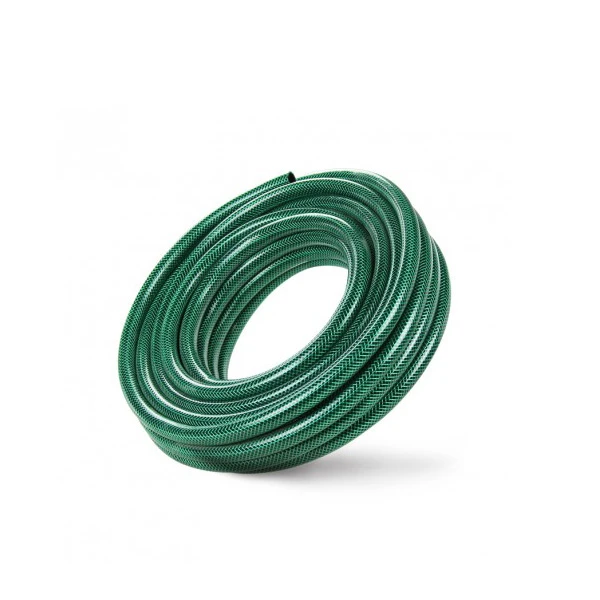
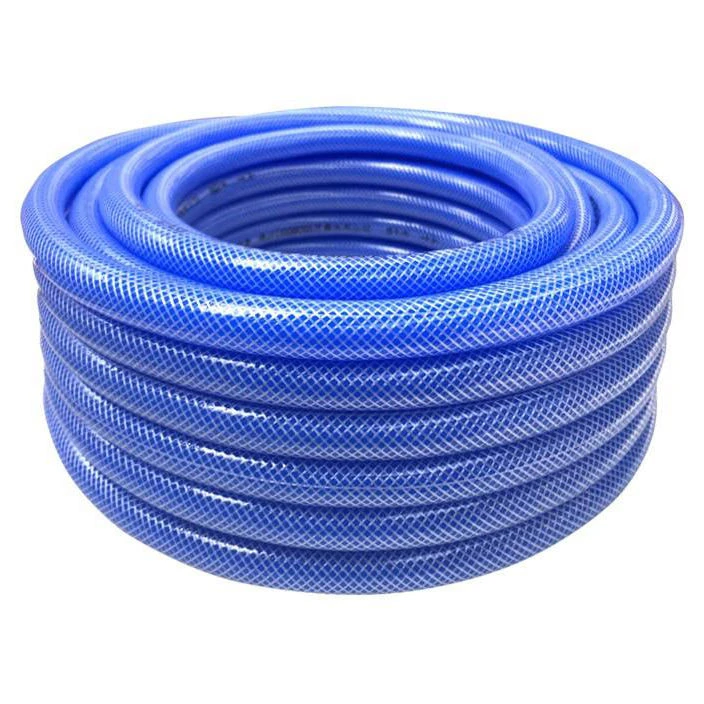
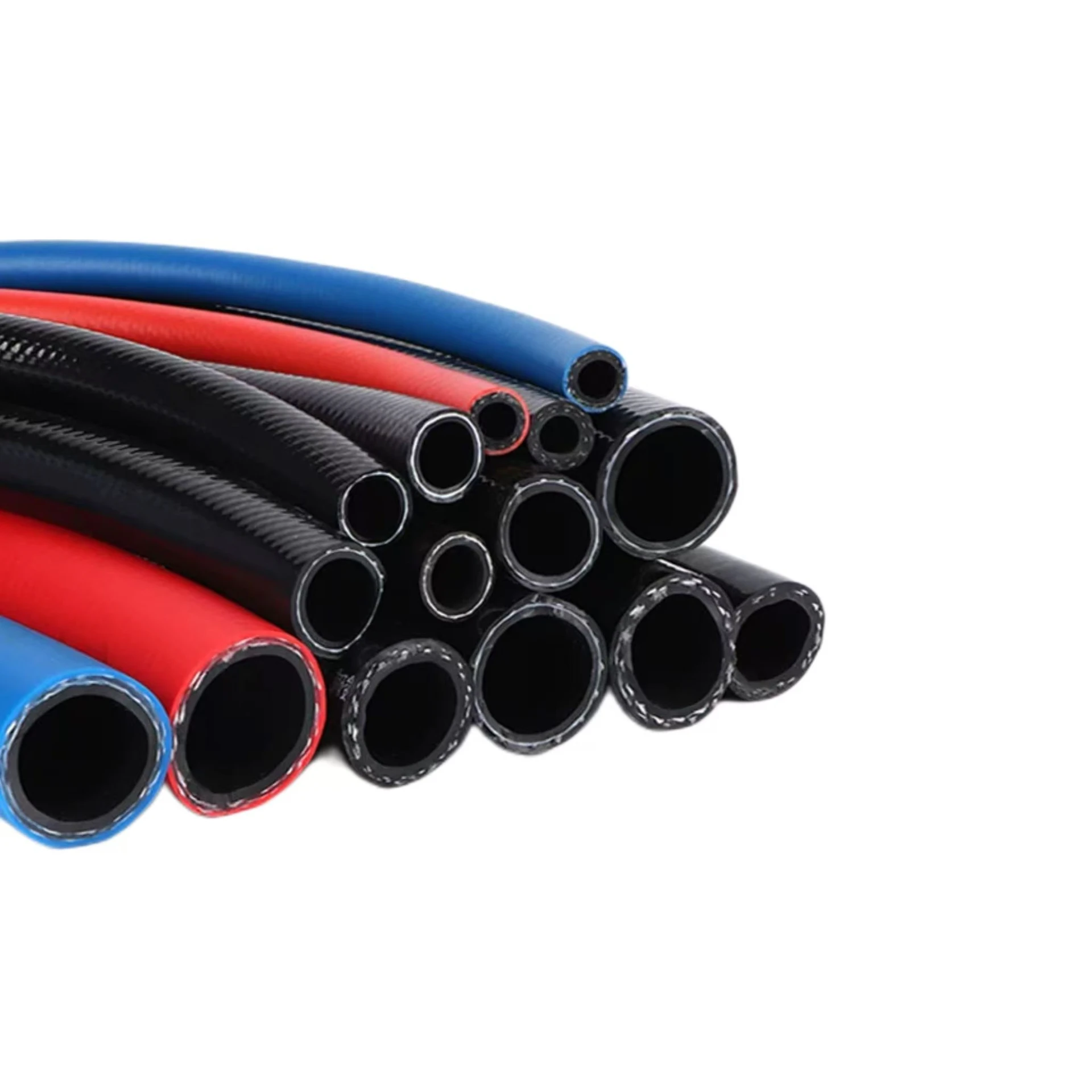
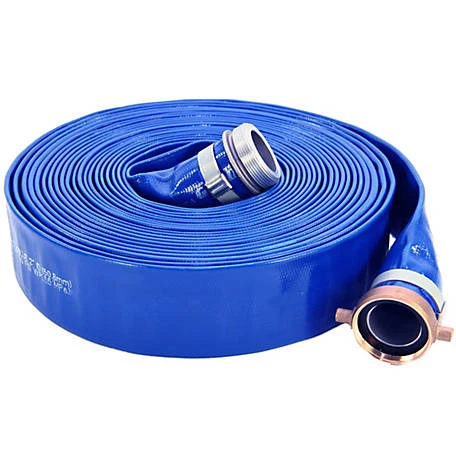
So, what are we actually talking about? A 1/2 inch inner diameter rubber air hose is a workhorse. Typically constructed with a synthetic rubber blend—often SBR or EPDM—reinforced with a braided textile or spiral wire. The reinforcement is key; it's what gives the hose its pressure rating and prevents kinking. I’ve noticed a lot of variation in the quality of the rubber compound itself. Cheaper hoses often use lower-grade rubber that cracks and hardens quickly. Zsmartflex, from what I’ve seen, focuses on a higher durometer rubber for increased abrasion resistance and flexibility, even in cold temperatures. Here's a quick rundown of typical specs:
| Specification | Value | Notes |
|---|---|---|
| Inner Diameter | 1/2 inch | Standard size for many applications. |
| Working Pressure | 300 PSI | Varies by manufacturer. |
| Temperature Range | -40°F to +212°F | Important for extreme environments. |
Applications & Why Choose Rubber?
Where are these things used? Everywhere. Automotive shops, obviously. Construction sites – powering pneumatic tools. Manufacturing facilities, for compressed air lines. Even some agricultural applications. And rubber, specifically, has a few key advantages. It’s flexible, which is huge. It’s relatively inexpensive compared to other materials like polyurethane. And it handles a wide range of temperatures pretty well. It’s not perfect, you know? It can degrade with exposure to certain chemicals and ozone, but for most common applications, it’s a solid choice. Here’s how Zsmartflex stacks up against some competitors:
| Vendor | Rubber Quality | Price (per 50ft) | Durability Rating (1-5) |
|---|---|---|---|
| Zsmartflex | High-Grade EPDM | $45 | 4.5 |
| Flexzilla | Polyurethane Hybrid | $60 | 4 |
| Generic Brand X | SBR | $30 | 3 |
Cost, Longevity & the Real-World Impact
The initial cost of a hose is only part of the equation. Downtime is expensive. Replacing a hose multiple times a year adds up. Many engineers I’ve spoken with say they’d happily pay a premium for a hose that lasts twice as long. I heard a story just last week – a manufacturing plant was using a cheap hose that was failing every few months, causing delays in their production line. Switching to a higher-quality hose, like the ones offered by Zsmartflex, completely eliminated the problem and saved them a significant amount of money in the long run. It feels like a simple fix, but it makes a big difference. Proper storage and handling also play a huge role in longevity.
Future Trends and Sustainability
There's a growing demand for more sustainable materials, which is interesting. We're starting to see some manufacturers exploring bio-based rubber compounds, but they're not quite there yet in terms of performance and cost. Regulations around volatile organic compounds (VOCs) are also getting stricter, which is pushing manufacturers to use cleaner production processes. I suspect we'll see more innovation in hose construction, with a focus on reducing weight and increasing durability. The move toward smarter factories and predictive maintenance is also relevant – hoses with integrated sensors could provide real-time data on pressure and wear, allowing for proactive replacement.
Frequently Asked Questions about 1 2 Rubber Air Hose
- What is 1 2 Rubber Air Hose and how does it work?
- A 1/2 inch rubber air hose transfers compressed air from a source to pneumatic tools and equipment, utilizing its flexible rubber construction and reinforced layers to withstand pressure and prevent kinks.
- What are the main benefits of using 1 2 Rubber Air Hose in industrial applications?
- Durability, flexibility, cost-effectiveness, resistance to abrasion and weathering, and ease of use are key advantages, reducing downtime and improving efficiency.
- How does 1 2 Rubber Air Hose compare to traditional alternatives?
- Compared to older hoses, modern 1/2 inch rubber air hoses offer improved materials, enhanced pressure resistance, and extended lifespan, minimizing replacements and operational costs.
- What industries can benefit most from 1 2 Rubber Air Hose implementation?
- Automotive repair, construction, manufacturing, woodworking, and agricultural sectors all heavily rely on reliable 1/2 inch rubber air hoses for their pneumatic tool operations.
Conclusion on 1 2 Rubber Air Hose from china
Ultimately, a good 1/2 inch rubber air hose is a small investment that can save you a lot of headaches. Don't skimp on quality—it will pay off in the long run. For reliable, durable hoses, check out Zsmartflex.
- - "Visit our website: https://www.zsmartflexhose.com"
Z-Smartflex delivers superior-quality industrial hoses and fittings with global reliability, offering you durable solutions and exceptional service for all your fluid transfer needs.