Understanding Hose Pipe Industrial: Why It Matters in Today's World
When you hear “hose pipe industrial,” it might not immediately spark vivid images, but if you think about the lifeblood of factories, construction sites, or emergency relief operations, hoses silently deliver critical fluids and gases that keep everything running smoothly. Worldwide reliance on industrial hoses underpins sectors from manufacturing to agriculture, and water management — crucial for economic stability and safety.
Globally, the demand for reliable and adaptable industrial hoses has surged, reflecting trends in urbanization and complex supply chains. Not addressing this need can mean costly downtime or worse — safety hazards. Understanding hose pipe industrial components and their role allows industries to optimize operations, reduce environmental risks, and innovate smarter fluid handling solutions.
Mini takeaway: Industrial hoses are unsung heroes connecting big ideas to practical outcomes — ensuring industries flow without choking on inefficiency.
The Global Landscape: Why Hose Pipes Industrial Are More Relevant Than Ever
From the World Bank’s data on expanding infrastructure, to ISO standards pushing quality and safety, industrial hose pipes hold a spot in the global upgrade puzzle. A rough statistic: the industrial hose market is expected to hit nearly USD 12 billion by 2027, a surge driven by sectors like oil & gas, chemical manufacturing, and even humanitarian water distribution projects (Wikipedia - Industrial Hose).
The challenge? Many industries suffer from hoses that degrade quickly under harsh conditions or fail unexpected. Leakage, contamination, or bursts aren’t just nuisances; they risk environmental damage and worker safety. In contexts like disaster relief or remote industrial zones — where replacements aren’t simply a quick local order — quality and durability become mission-critical.
Mini takeaway: The global drive to upgrade infrastructure and safety protocols places industrial hoses at center stage — not just as components but as solutions.
What Exactly Is Hose Pipe Industrial?
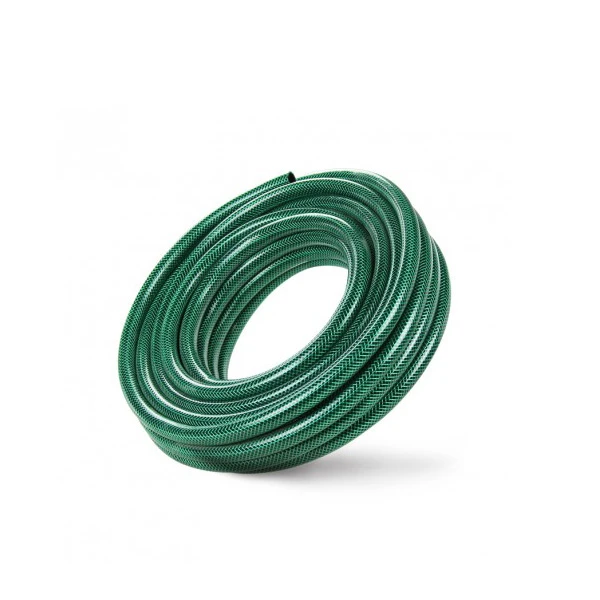
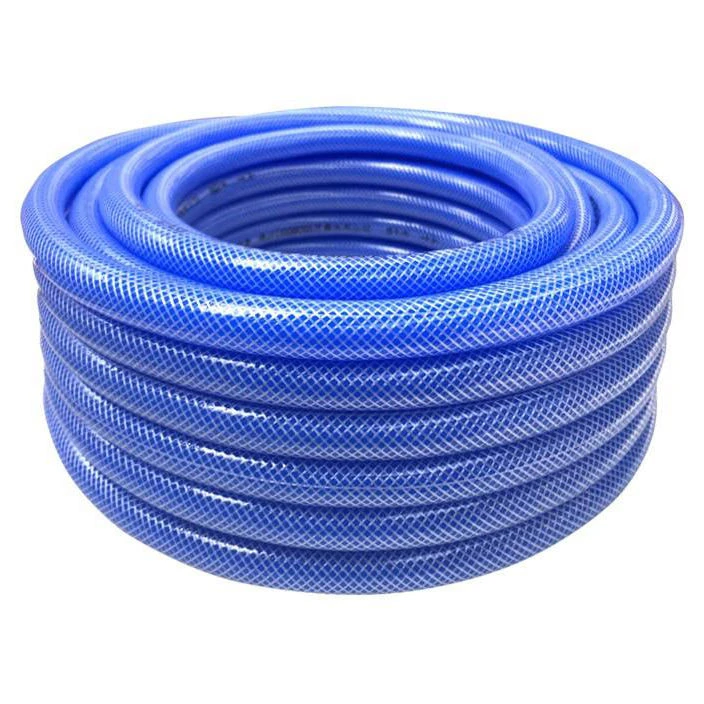
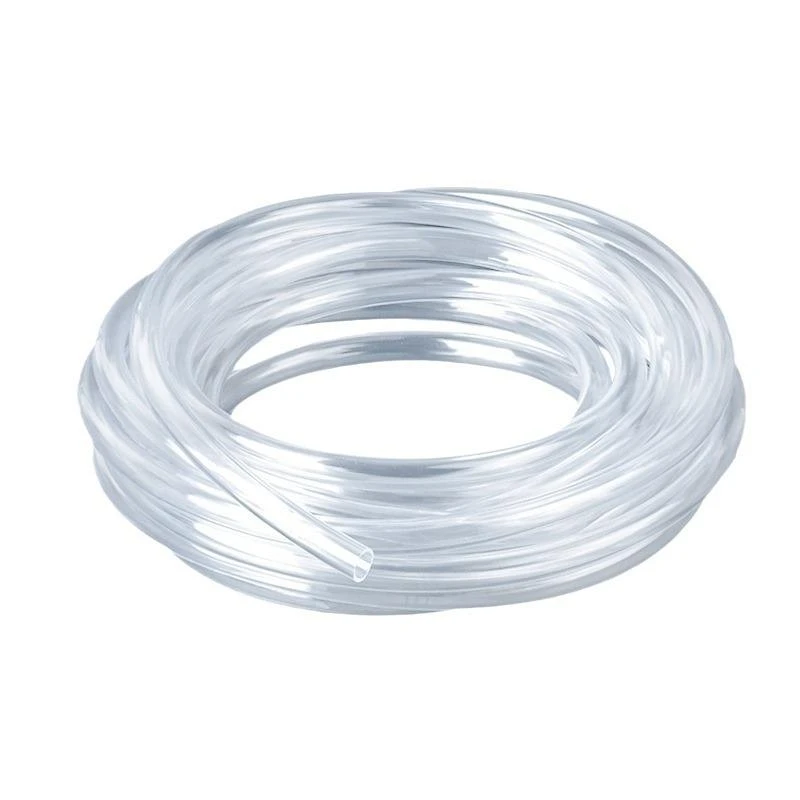
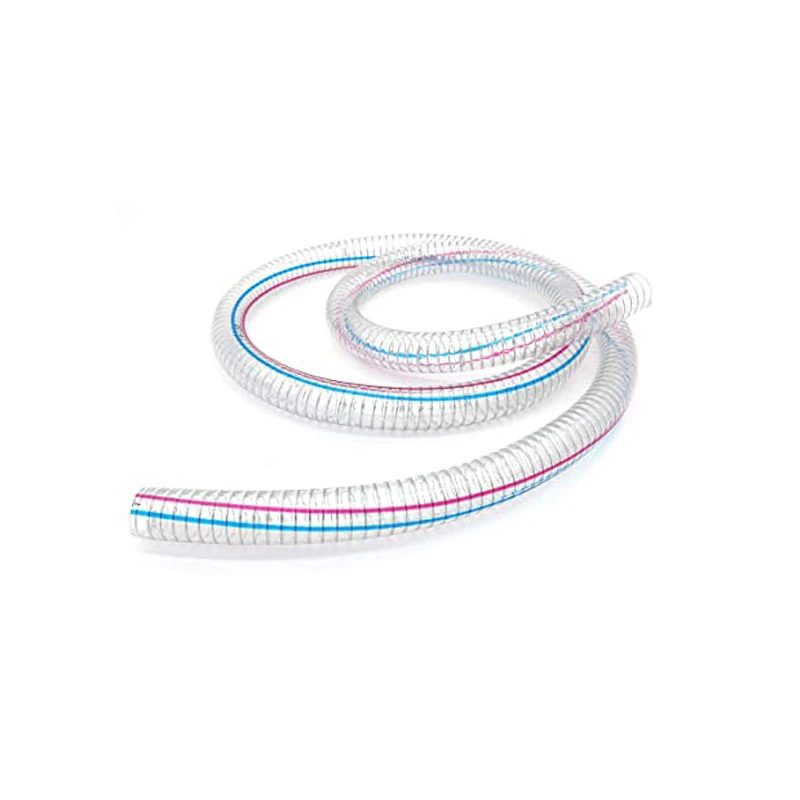
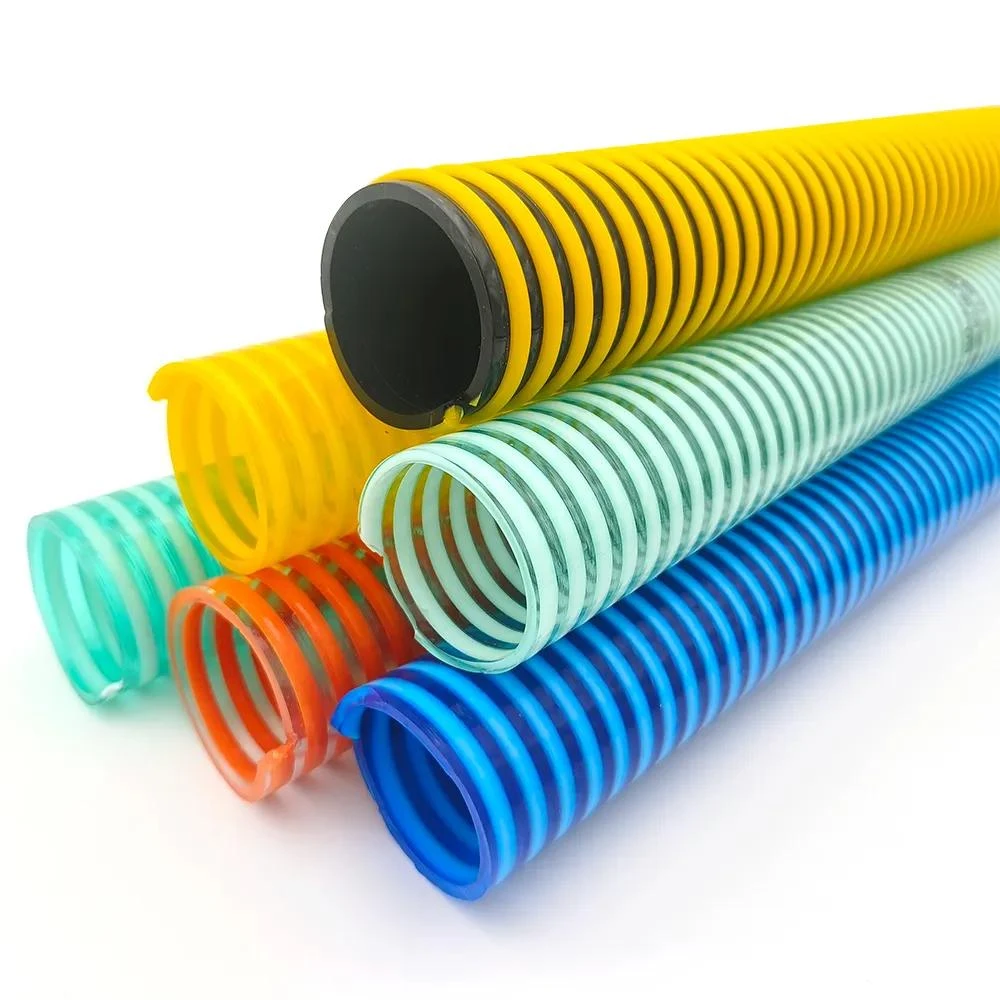
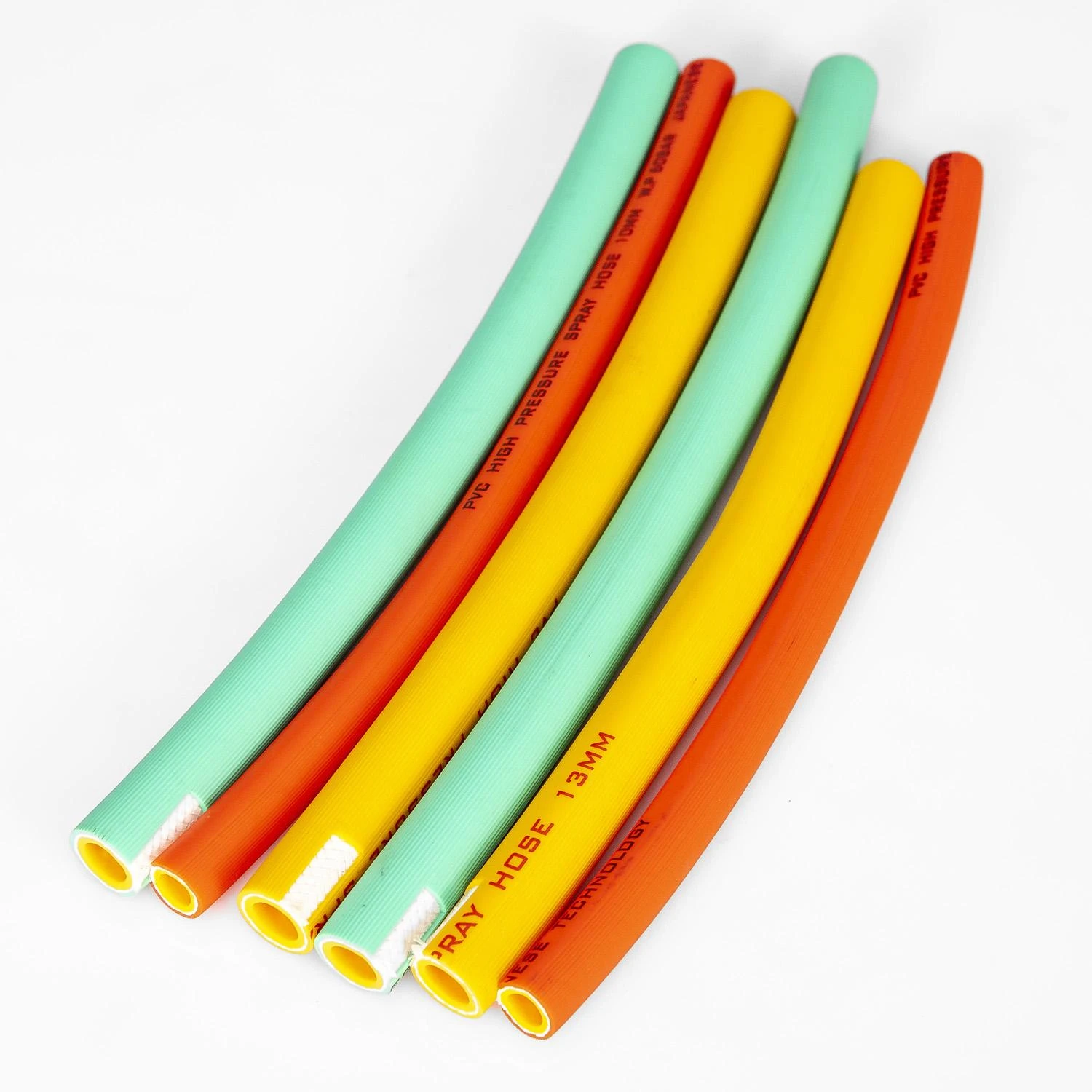
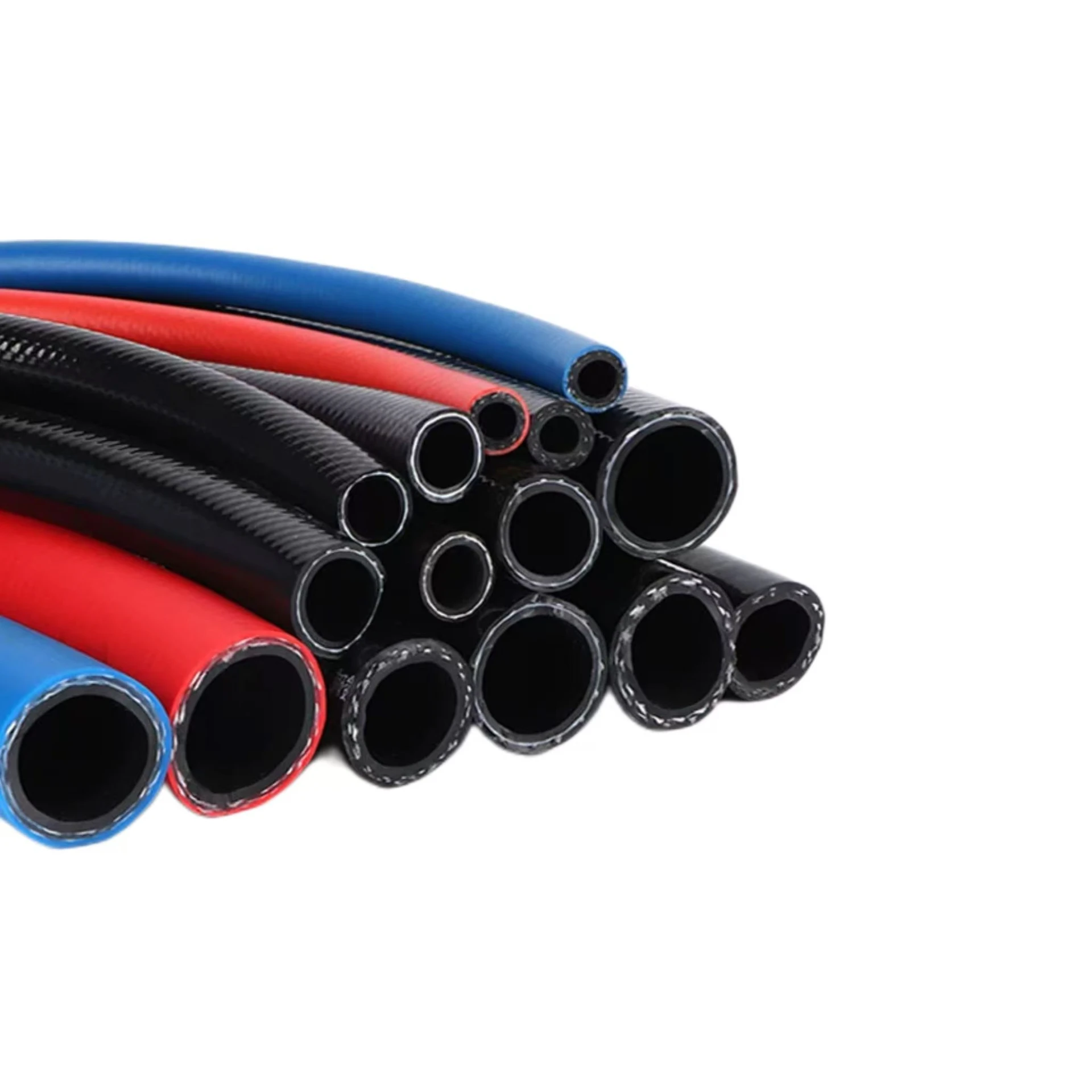
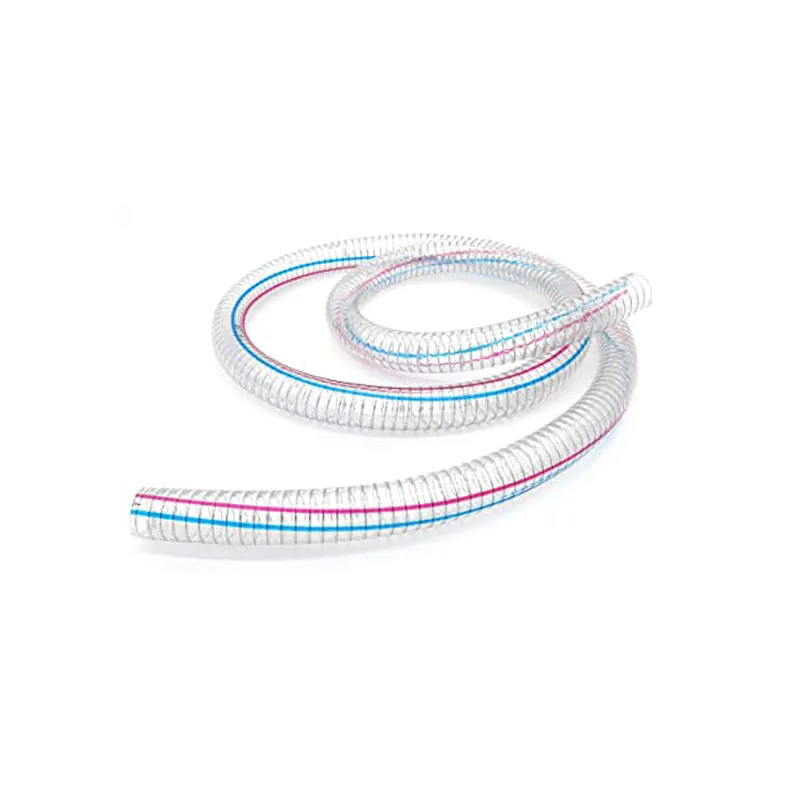
At its core, a hose pipe industrial is a flexible tube designed to transport fluids, gases, or solids under pressure and various environmental conditions. Unlike garden hoses or similar, industrial hoses are built tougher — materials, reinforcements, and ends tailored for precise industrial uses.
Think of them as specialized arteries in a factory or site’s circulatory system, carrying chemicals, slurry, steam, or water without breakdowns. Beyond the obvious, they support things like hydraulic power in heavy machinery or enable firefighting systems in urban settings. Plus, in humanitarian efforts, these hoses can quickly provide potable water access, saving lives.
Mini takeaway: Hose pipe industrials are versatile workhorses, engineered for precision and tough environments — a silent backbone of modern industry.
Key Components That Define Quality and Performance
1. Durability & Material Strength
Most industrial hoses use synthetic rubbers, reinforced with fabrics or steel wire. This combination determines their resilience against abrasion, chemicals, or extreme temperatures. For example, nitrile rubber is popular where oil resistance is a must, while EPDM suits hot water or steam applications.
2. Pressure Rating
This is critical. A hose rated for 150 psi will obviously fail if used where 300 psi is needed. Choosing the right pressure rating avoids catastrophic failures — a lot of engineers I’ve chatted with stress this point endlessly.
3. Flexibility vs. Rigidity
Flexibility allows ease of installation and movement, especially in confined spaces. Too rigid, and hoses risk cracking; too flexible, and performance might be compromised. Balancing this is a real design art.
4. Coupling Compatibility
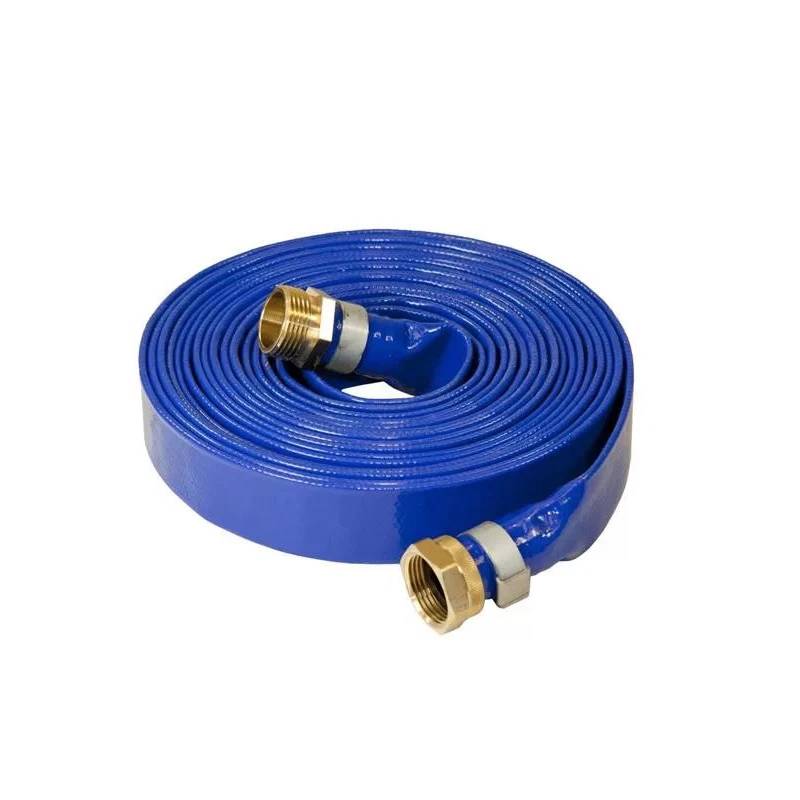
Couplings connect hoses to machinery or pipes. Depending on the application, you might see camlock, flanged, or threaded ends. The wrong coupling and you have leakage or lost time.
5. Chemical and Environmental Resistance
Exposure to UV, ozone, or chemicals can degrade hoses quickly. Industry-grade hoses come with coatings or additives to enhance longevity — vital in harsh industry zones.
Mini takeaway: Quality industrial hoses are much more than rubber sticks — their core components reflect decades of optimization to meet diverse, sometimes punishing needs.
Where Are Industrial Hose Pipes Making a Difference?
- Oil & Gas Exploration: Transporting crude, gas, and chemicals with safety is critical. Hoses must handle volatile substances and extreme pressures.
- Agriculture: In irrigation and fertilizer distribution systems—especially in developing economies—flexibility and durability bring efficiency gains and reduce water loss.
- Mining Industry: Slurry transfer hoses built strong to withstand abrasive materials.
- Disaster Relief Operations: NGOs deploy industrial hoses rapidly to deliver potable water to flood-hit or drought-affected regions.
- Chemical Factories: Specialized hoses avoid contamination and withstand corrosive materials.
- Construction Sites: Providing water, concrete, or compressed air in often rugged and shifting environments.
For example, after the 2010 Haiti earthquake, relief teams relied heavily on durable hose pipe industrials to restore clean water access, exemplifying how such infrastructures save lives beyond commercial metrics.
Mini takeaway: Whatever the sector or location, the right hose pipe industrial solution fits tightly into critical workflows — with real-world outcomes.
Advantages & Long-Term Value of Industrial Hose Pipes
Here’s the money talk: selecting superior hose pipes reduces downtime from breaks or leaks, saving countless hours and dollars. They contribute to workplace safety by preventing spills or hazardous exposures. From a sustainability angle, longer-lasting hoses mean less waste and resource consumption — a tiny but meaningful eco-win.
Emotionally, workers trust their equipment, feel safer, and companies build reputations for reliability. Imagine a hydroelectric plant where failure means lost power to thousands versus a plant that invests in high-quality hose pipe industrials and runs like clockwork.
Mini takeaway: Investing in quality hoses isn’t just practical; it’s a strategic, ethical decision fostering innovation, safety, and sustainability.
Looking Ahead: Innovations Shaping the Hose Pipe Industrial Industry
Curious about what’s next? Smart hoses embedded with sensors will soon monitor pressure, wear, and even chemical exposure in real-time. This digital transformation means predictive maintenance replaces costly surprises.
New materials, like bio-based rubbers or nanocomposites, offer improved durability and eco-friendliness. Regulations worldwide push manufacturers toward greener products, aligning industrial hoses with environmental goals.
Moreover, automation in factories demands hoses that handle dynamic movements flawlessly — flexibility and strength will be more refined than ever.
Mini takeaway: The hose pipe industrial sector is quietly embracing high-tech and sustainability to meet future demands — a space worth watching.
Common Challenges and How Industry Innovators Manage Them
Outright failures often stem from mismatched hoses to applications — a small error with big consequences. Harsh chemicals eat away at poorly chosen materials, and field workers sometimes damage hoses during rough handling.
Experts suggest thorough training and smarter inventory management, including using RFID tags for tracking hose usage and aging. Quick-repair kits and modular hose segments also help minimize downtime.
Additionally, suppliers increasingly offer customization — matching hoses to unique client requirements rather than “one size fits all.” This reduces premature wear and boosts safety margins.
Mini takeaway: Challenges remain, but practical solutions rooted in training, technology, and tailored design are reshaping the industrial hose landscape.
Frequently Asked Questions About Hose Pipe Industrial
- Q1: How do I choose the right industrial hose for chemical transfer?
- A: Consider chemical compatibility charts, pressure ratings, temperature range, and hose construction materials. Always consult manufacturer guidance to match hose lining and reinforcement to the specific chemical’s properties for safety and longevity.
- Q2: Are industrial hoses reusable or disposable?
- Most are designed for long-term reuse if properly maintained. However, hose lifespan varies by application and environment. Timely inspections and replacements prevent failures and downtime.
- Q3: Can I use the same hose pipe industrial outdoors and indoors?
- Not always. Outdoor hoses need UV and ozone resistance, while indoor hoses might prioritize flexibility or fire resistance. Always check specifications matching installation conditions.
- Q4: What maintenance practices extend hose pipe industrial life?
- Regular inspections for wear or damage, proper storage avoiding kinks or heavy loads, cleaning post-use, and using compatible couplings all help extend service life significantly.
- Q5: How quickly can industrial hoses be delivered in emergency relief scenarios?
- Many suppliers offer fast turnaround and pre-stocked inventories specifically for disaster response. Lead times vary, but logistics partners enable deployment within days to critical zones.
Product Specification Table
| Specification | Standard Industrial Hose | Heavy-Duty Oil-Resistant Hose | Chemical Transfer Hose |
|---|---|---|---|
| Material | Nitrile Rubber, Polyester Reinforced | Nitrile with Steel Wire Reinforcement | PTFE Lining with Synthetic Rubber Cover |
| Pressure Rating | 0–150 psi | 0–300 psi | 0–250 psi |
| Temperature Range | -20°C to +80°C | -30°C to +120°C | -10°C to +150°C |
| Common End Fittings | Camlock, Threaded | Flanged, Camlock | Threaded, Flanged |
| Typical Use | General Fluids, Water | Oil & Fuel Transfer | Industrial Chemicals |
Vendor Comparison Snapshot
| Vendor | Product Range | Customization | Lead Time | Price Level |
|---|---|---|---|---|
| FlexHose Inc. | Standard, Heavy-Duty, Chemical | Medium | 2–4 weeks | $$ |
| Duraflex Solutions | Specialty & Custom Builds | High | 3–5 weeks | $$$ |
| GlobalHose Ltd. | Broad Range, Focus on OEM | Low | 1–3 weeks | $ |
Final Thoughts: Why Hose Pipe Industrial Is Worth Your Attention
At first glance, hose pipe industrial might seem like a small cog in a massive machine — and in a sense, it is. But the machine won’t run without it. Smart choices in hoses mean better safety, less downtime, and a greener footprint. For anyone involved in industrial operations or infrastructure development, these flexible yet tough tubes embody the quiet, resilient spirit essential to progress.
If you want to dive deeper or explore solutions that fit your specific needs, it's worth checking out expert suppliers. A good start is hose pipe industrial specialists who offer a portfolio catering to high standards and evolving technology.
So here’s a practical nudge: look closely at those hoses on your site or project — they’re probably more important than you thought.
References
Z-Smartflex delivers superior-quality industrial hoses and fittings with global reliability, offering you durable solutions and exceptional service for all your fluid transfer needs.