Why the 5 32 Rubber Hose Remains an Industry Staple
Having spent more than a decade working hands-on with industrial equipment and the many components that keep the heavy machinery world moving, I can tell you that the right hose sometimes makes all the difference. One particular favorite among maintenance teams and engineers alike is the 5 32 rubber hose. It might sound niche, but its versatility and resilience truly stand out in a sea of similar products.
Oddly enough, you rarely hear much buzz around these hoses outside our circles, yet they quietly serve in multiple settings—from construction sites to chemical plants—with impressive performance. They’ve been a go-to for fuel, oil, and light chemical transfer that demands flexibility and durability without breaking the bank.
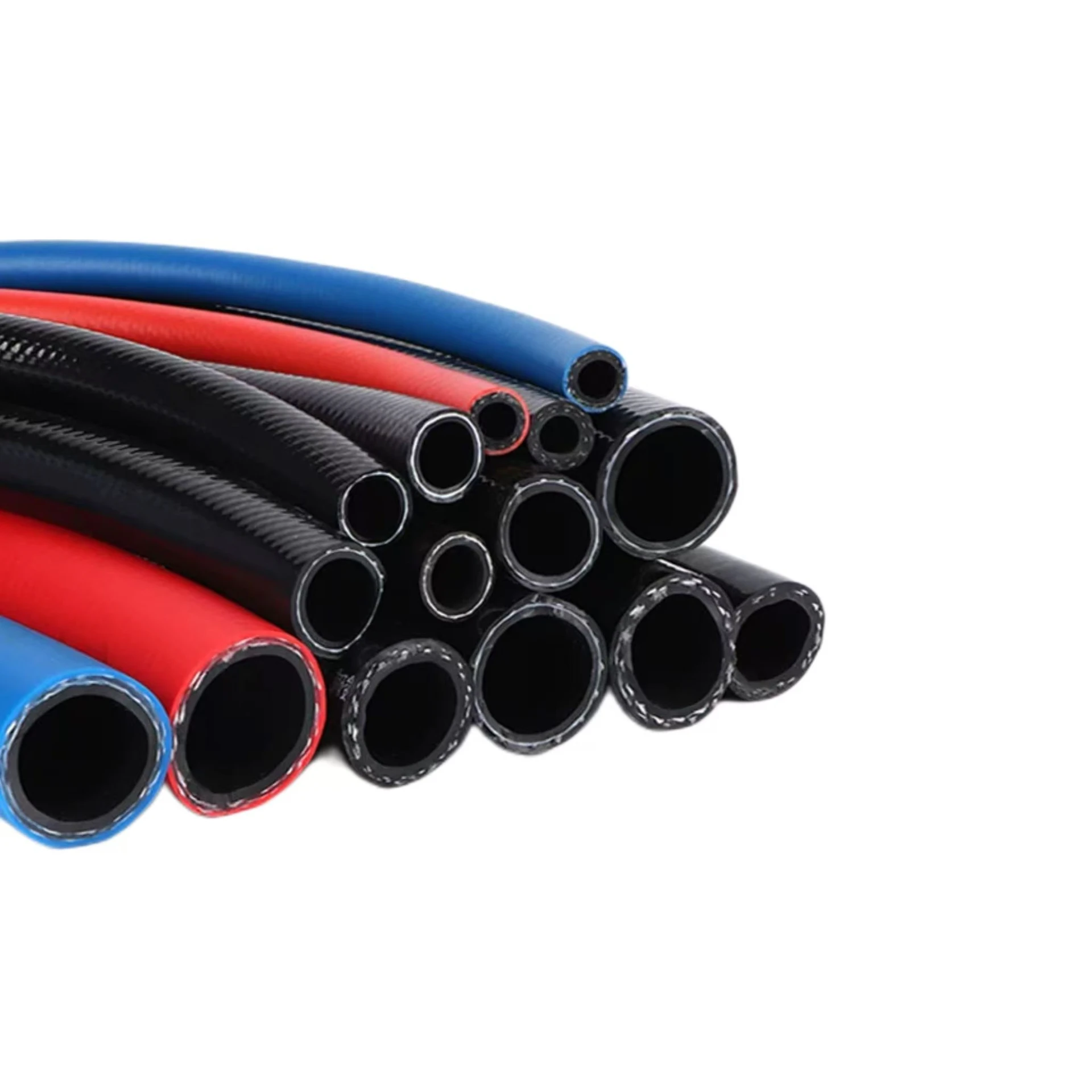
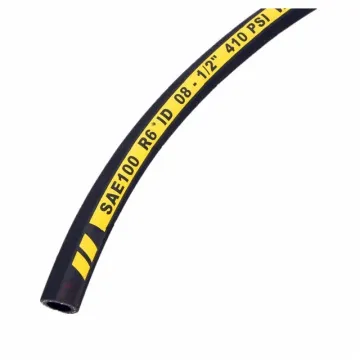
In real terms, the 5 32 rubber hose is often crafted from synthetic rubber compounds, designed to handle pressures up to around 150 psi. You’d be surprised how many operations rely on it to avoid equipment downtime caused by hose failures. Materials usually include nitrile or neoprene blends to resist oil, abrasion, and moderate heat—an essential if you know anything about the industrial environment’s constant wear and tear.
I remember one site where the engineers were battling frequent hose cracks because they were using cheaper, poorly specified variants. Switching to a well-made 5 32 rubber hose dramatically improved reliability. It’s not glamorous, but trust me, when you’re on the shop floor at 3 a.m., a dependable hose is worth its weight in gold.
| Specification | Details |
|---|---|
| Inside Diameter | 5/32 inch (approx. 4 mm) |
| Cover Material | Synthetic Rubber (Nitrile/Neoprene) |
| Maximum Working Pressure | 150 psi (approx. 10 bar) |
| Temperature Range | -40°C to +90°C (-40°F to +194°F) |
| Reinforcement | Textile Braided or Spiral Steel (varies by model) |
| Common Applications | Fuel lines, oil delivery, light chemicals, air, and water transfer |
Beyond specs, what I find fascinating is how suppliers package and support these hoses. For instance, some vendors focus solely on cost-efficiency, whereas others bring in stricter QA testing, better material traceability, and more customization options. It’s a bit like comparing apples to oranges... but industrial fruits.
| Vendor | Quality Control | Customization | Typical Price Range (per foot) |
|---|---|---|---|
| SmartFlex Hose Co. | ISO 9001 certified, serial batch testing | Custom colors & length options | $2.50 - $3.50 |
| Generic Hose Supplies | Basic visual inspection only | Limited | $1.75 - $2.50 |
| Industrial Rubber Inc. | In-house lab testing, batch traceability | Specialized reinforcement options | $3.00 - $4.00 |
I suppose what it comes down to is how critical your operation is and the trade-offs you’re willing to make between price, quality, and reliability. Many engineers I know rarely gamble on generic lines if they can help it. The downtime cost usually outweighs the savings on cheaper components.
On a final note, I'd say the 5 32 rubber hose perfectly illustrates how sometimes the smallest components in a system get overlooked... until one fails and brings everything to a halt. Frankly, if you work in maintenance or operations, investing time to find the right hose supplier is just sensible. All those years in the trenches have taught me it pays to get the little things right.
Curious for more? Check out the full 5 32 rubber hose range — there’s more beneath the surface than you might expect.
Takeaway: The 5 32 rubber hose isn’t flashy, but it’s a running engine’s quiet hero. Choose wisely, and it’ll keep your systems humming.
References:
1. "Industrial Rubber Hose Specifications," Hose Manufacturers Association, 2023.
2. Smith, J. “Maintenance Best Practices in Fuel Handling,” Industrial Engineering Journal, 2022.
3. Company data sheets from SmartFlex Hose Co., 2024.
Z-Smartflex delivers superior-quality industrial hoses and fittings with global reliability, offering you durable solutions and exceptional service for all your fluid transfer needs.