
Understanding the Versatility of a 1 4 Rubber Air Compressor Hose
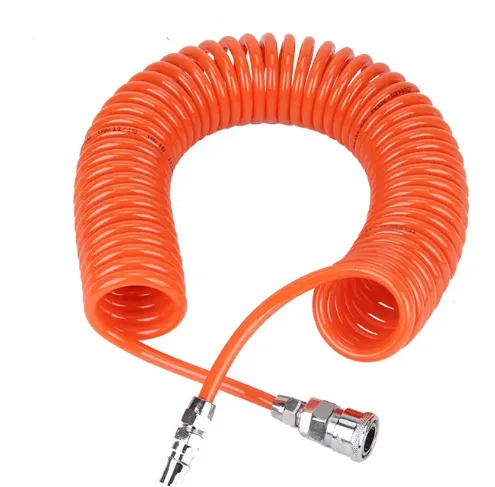
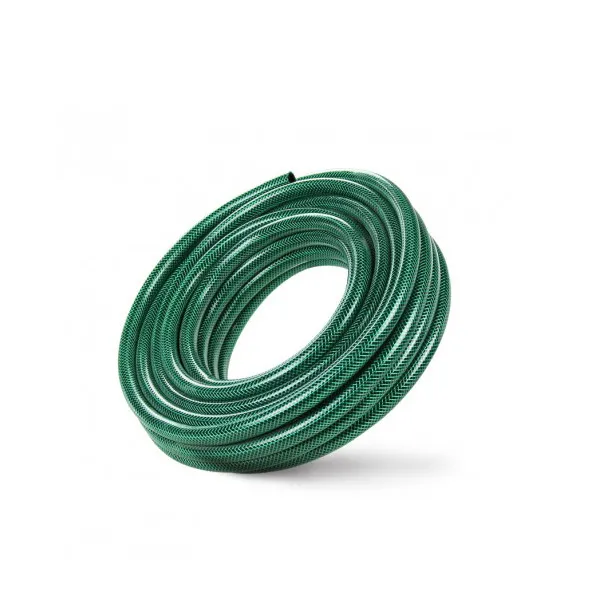
A reliable air compressor hose is the backbone of countless projects, from powering pneumatic tools in workshops to inflating tires on job sites. The 1 4 rubber air compressor hose stands out for its durability, flexibility, and ability to handle a wide range of applications. This article will delve into the key features, benefits, and considerations when choosing a 1/4 inch rubber air compressor hose, ensuring you select the right tool for your needs. Whether you're a professional contractor or a DIY enthusiast, understanding the nuances of these hoses is crucial for maximizing efficiency and safety.
Key Features of 1/4 Inch Rubber Air Compressor Hoses
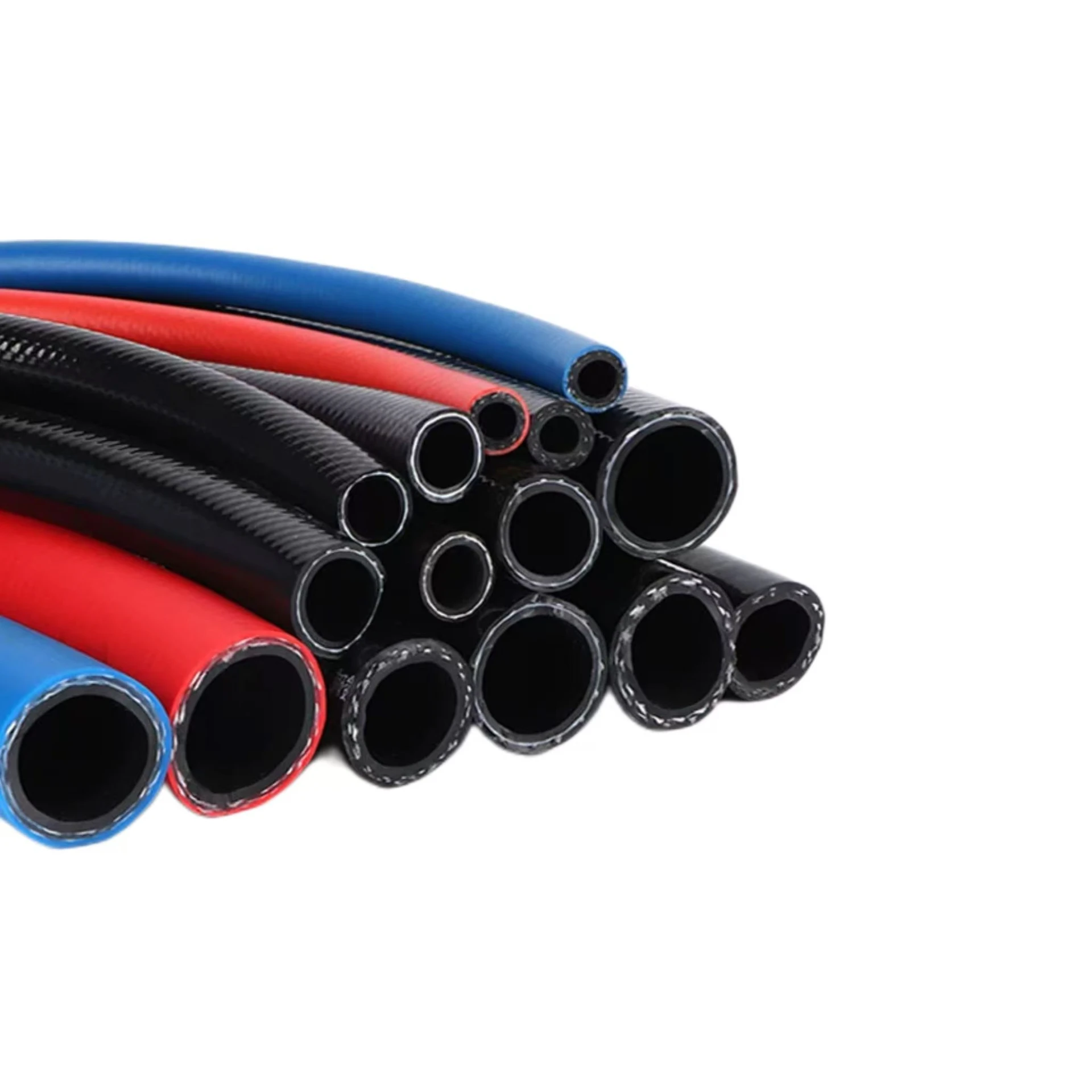
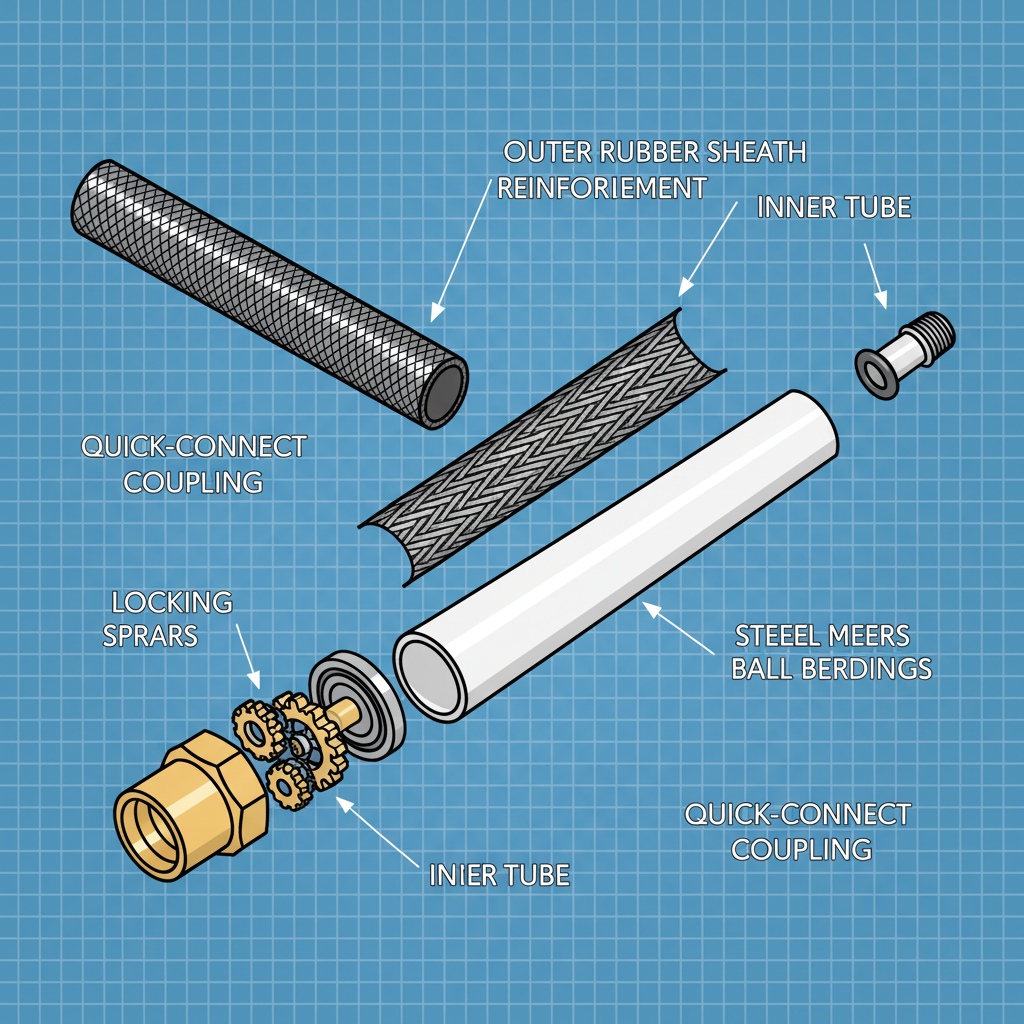
The 1/4 inch size is a popular choice for many air compressor applications, offering a good balance between airflow and maneuverability. Rubber construction provides excellent resistance to abrasions, oils, and weathering, making it suitable for demanding environments. Furthermore, reinforcement layers within the hose prevent kinking and bursting, ensuring long-lasting performance. A quality rubber air compressor hose will feature durable fittings that create a secure, leak-proof connection to your compressor and tools. Choosing a hose with the right features is paramount for achieving optimal performance and safety.
Key Highlights: Durable rubber construction, resistant to abrasion, oil, and weathering, reinforced layers prevent kinking and bursting, and durable fittings ensure leak-proof connections.
Understanding the Importance of Hose Diameter: 1/4 Inch vs. Other Sizes
Selecting the correct hose diameter is critical for optimal air tool performance. While a 1/4 inch hose is versatile, it's essential to understand how it compares to other common sizes. Larger diameters (like 3/8 inch or 1/2 inch) allow for greater airflow, which is beneficial for tools that require a significant volume of air, such as sandblasters or grinders. However, larger hoses are also heavier and less maneuverable. A 1/4 inch hose is ideal for tools like nail guns, impact wrenches, and inflation devices, providing sufficient airflow without being cumbersome.
Hose Diameter Comparison:
• 1/4 Inch: Versatile, good for most standard air tools, easy to handle.
• 3/8 Inch: Increased airflow, suitable for high-demand tools.
• 1/2 Inch: Maximum airflow, best for heavy-duty applications.
1/4 Rubber Air Compressor Hose vs. PVC & Polyurethane Hoses: A Comparison
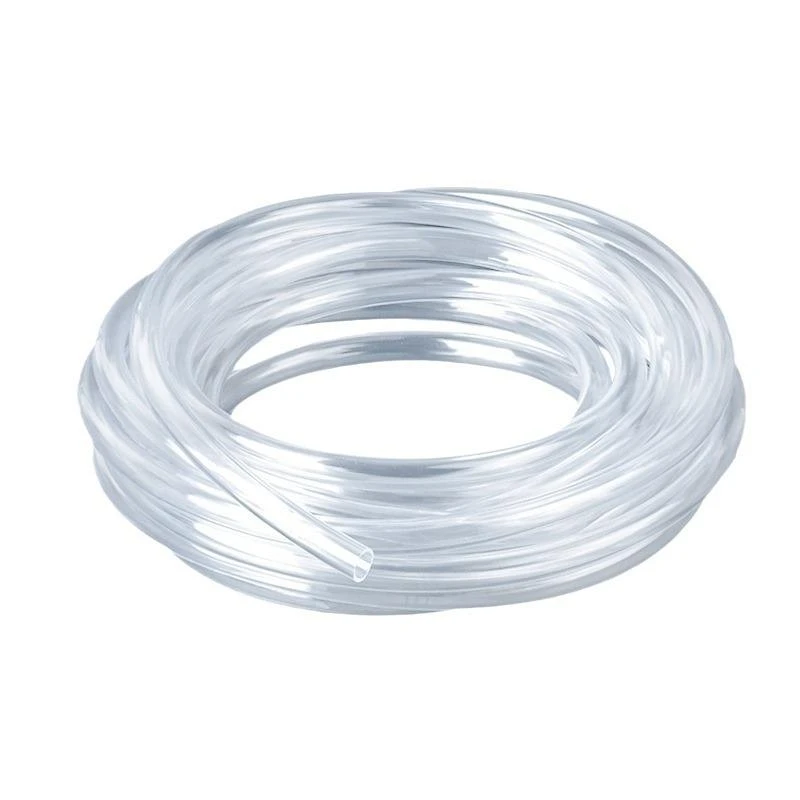
While rubber hoses are popular, other materials like PVC and polyurethane also exist. Each material has its own advantages and disadvantages. PVC hoses are generally more affordable but less flexible and can become brittle in cold temperatures. Polyurethane hoses offer excellent flexibility and are lightweight, but they are often more expensive and less resistant to abrasion than rubber. A 1/4 rubber air compressor hose provides a balanced combination of durability, flexibility, and resistance to various environmental factors, making it a reliable choice for a wide range of applications.
Applications for a 1/4 Inch Rubber Air Compressor Hose
The versatility of this hose size makes it ideal for a wide range of applications. Common uses include powering nail guns for carpentry, operating impact wrenches for automotive repair, inflating tires and sports equipment, and running air tools in hobby workshops. Its durability and resistance to abrasions make it suitable for construction sites and other demanding environments. Choosing a high-quality 1/4 inch rubber air compressor hose ensures reliable performance and minimizes downtime on your projects.
Selecting the Right Hose: Key Considerations
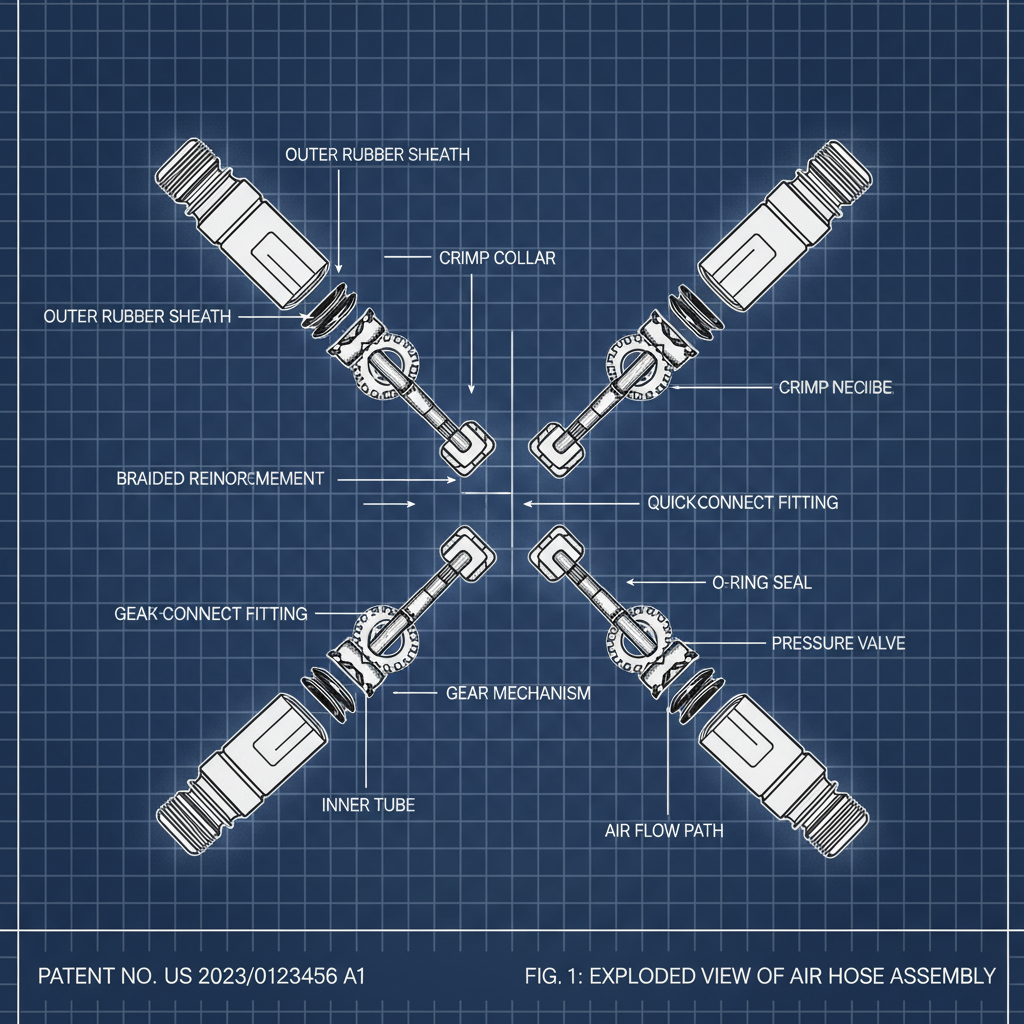
When choosing a 1/4 inch rubber air compressor hose, consider the working pressure, length, and fittings. Ensure the hose’s working pressure exceeds the maximum pressure output of your air compressor. Select a length that provides sufficient reach without excessive slack, which can create a tripping hazard. Finally, confirm that the fittings are compatible with your compressor and air tools. A reputable supplier like Zsmartflexhose offers a variety of hoses with different fittings to meet your specific needs.
Conclusion: Choosing the Right Hose for Optimal Performance
Investing in a quality 1/4 rubber air compressor hose is a smart choice for anyone relying on pneumatic tools. Its durability, flexibility, and resistance to wear and tear ensure long-lasting performance and minimize the risk of costly downtime. By considering the factors outlined in this article, you can select the right hose to meet your specific needs and enjoy reliable, efficient operation.
Frequently Asked Questions (FAQs)
What is the maximum working pressure for a typical 1/4 inch rubber air compressor hose?
The maximum working pressure varies depending on the hose’s construction and manufacturer. However, most 1/4 inch rubber air compressor hoses are rated for a working pressure of 300 PSI (pounds per square inch). It’s crucial to check the hose’s labeling or specification sheet to confirm its maximum working pressure and ensure it’s compatible with your air compressor. Exceeding the rated pressure can lead to hose failure and potential injury.
How do I properly store a rubber air compressor hose?
Proper storage is essential to prolong the life of your hose. After each use, completely drain any remaining air and water from the hose. Coil the hose loosely and avoid sharp bends or kinks. Store the hose in a cool, dry place away from direct sunlight, heat sources, and chemicals. Hanging the hose is preferable to laying it flat, as this prevents it from becoming flattened or damaged.
What type of fittings are commonly used with 1/4 inch rubber air compressor hoses?
The most common fittings for 1/4 inch rubber air compressor hoses are NPT (National Pipe Thread) and quick-connect fittings. NPT fittings are threaded and provide a secure, leak-proof connection when properly tightened. Quick-connect fittings allow for rapid tool changes and are convenient for frequently used air tools. Ensure that the fittings are compatible with both the hose and your air compressor/tools.
How often should I replace my air compressor hose?
The replacement frequency depends on usage and environmental conditions. Inspect the hose regularly for cracks, abrasions, bulges, or leaks. Even if no visible damage is present, it’s recommended to replace the hose every 3-5 years. A compromised hose can burst under pressure, posing a safety hazard. Proactive replacement is a cost-effective way to prevent accidents and ensure reliable performance.
Z-Smartflex delivers superior-quality industrial hoses and fittings with global reliability, offering you durable solutions and exceptional service for all your fluid transfer needs.