
3 8 Automotive Vacuum Hose: Essential Insights and Applications
The 3 8 automotive vacuum hose may sound like just another technical part in the complex world of vehicles, but it plays a surprisingly pivotal role across industries and geographies. Whether it’s about ensuring engine efficiency, supporting industrial machinery, or enabling specialized equipment in remote zones, understanding what makes these hoses tick brings practical advantages we often overlook. Oddly enough, such a simple component has global importance—from reducing emissions, improving vehicle life, to enabling safer industrial operations.
Introduction: Global Context and Industry Relevance
Automotive parts manufacturing is a vast global market that's expected to hit around $4.8 trillion by 2030, according to the International Organization of Motor Vehicle Manufacturers (OICA). Vacuum hoses, especially the common 3 8 inch variety, are fundamental to vehicular air and vacuum systems. Yet, challenges remain—poor quality hoses can cause vacuum leaks leading to greater fuel consumption and increased greenhouse gases. The UN’s environmental reports have even highlighted durable, efficient automotive components as a key factor in meeting global emission reduction targets. So yeah, these hoses matter — literally powering both economic and environmental goals.
Definition & Meaning of 3 8 Automotive Vacuum Hose
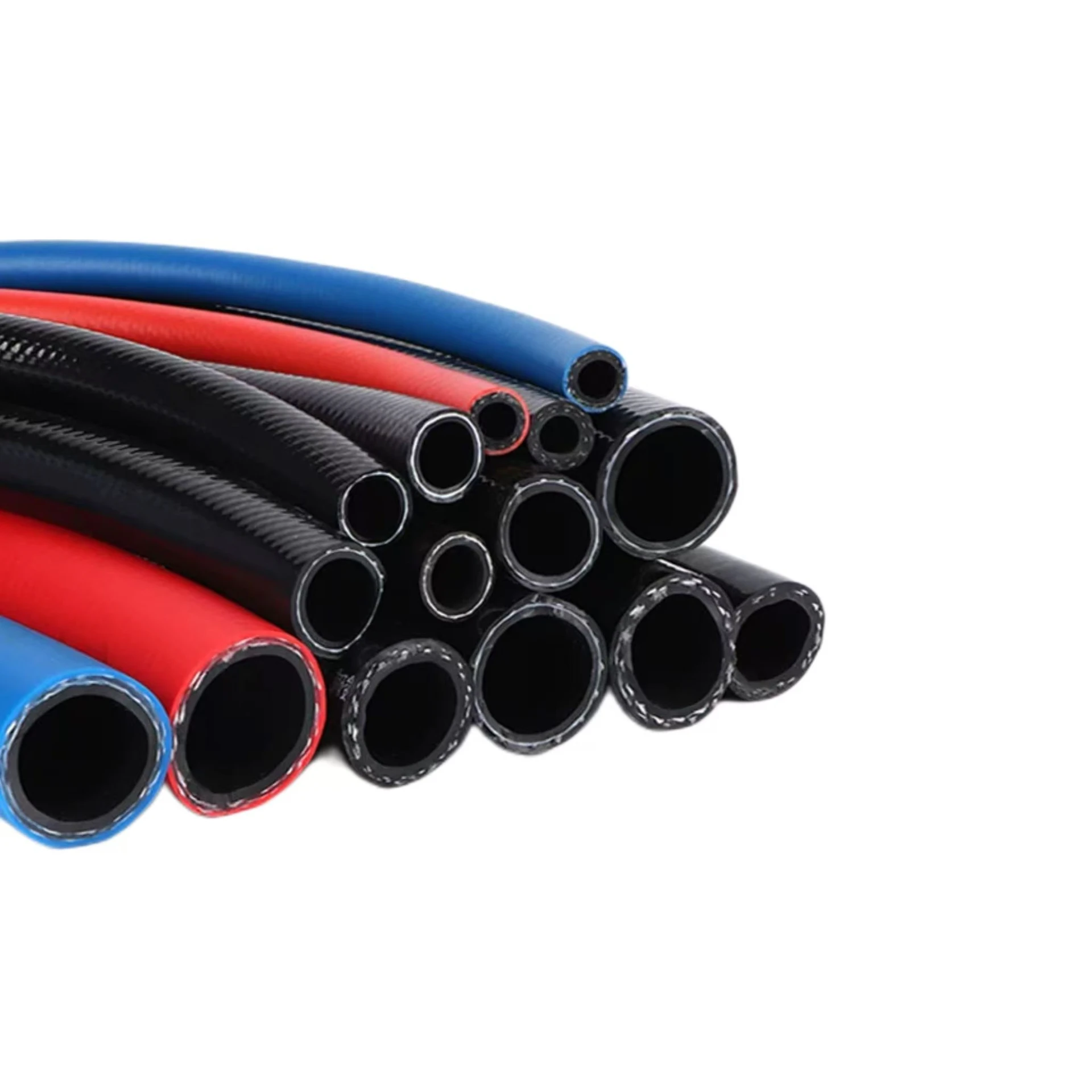
Simply put, a 3 8 automotive vacuum hose is a flexible tube with a 3/8 inch internal diameter designed to transport vacuum or air pressure within vehicle systems or industrial equipment. Crafted from rubber or synthetic materials, these hoses connect engine components like intake manifolds, vacuum pumps, and sensors, ensuring efficient airflow and pressure balance. They’re also used in vacuum/pressure applications in machinery beyond automobiles—basically bridging automotive tech with broader industrial needs.
Key Factors & Core Components
1. Durability and Material Composition
Most vacuum hoses are made from nitrile rubber, silicone, or EPDM, chosen for their heat and chemical resistance. The 3 8 automotive vacuum hose must withstand harsh environments — extreme temperature swings under the hood, oil vapors, and ozone exposure. Frankly, if the hose cracks or degrades, performance drops fast.
2. Flexibility & Scalability
It’s not just about being rubbery and bendy; the hose must stay flexible long-term without kinking. That flexibility allows for complex engine compartment routing or industrial machinery arrangement.
3. Pressure Resistance
Although designed for vacuum or low-pressure applications, the 3 8 hose must resist collapsing under pressure changes — a key factor in maintaining sensor accuracy and engine performance.
4. Cost Efficiency and Availability
Oddly enough, with so many variations available, balancing cost and quality is an art. Bulk-manufactured hoses reduce expenses, but corners can get cut. Thoughtful buyers source from reliable manufacturers to avoid frequent replacements.
Product Specifications of Typical 3/8 Automotive Vacuum Hose
| Feature | Specification |
|---|---|
| Inner Diameter | 3/8 inch (9.52 mm) |
| Material | Nitrile Rubber (NBR), EPDM, or Silicone |
| Temperature Range | -40°C to +125°C (varies by material) |
| Pressure Range | -0.9 to +2 bar (vacuum and low pressure) |
| Length | Typically sold by the foot or meter |
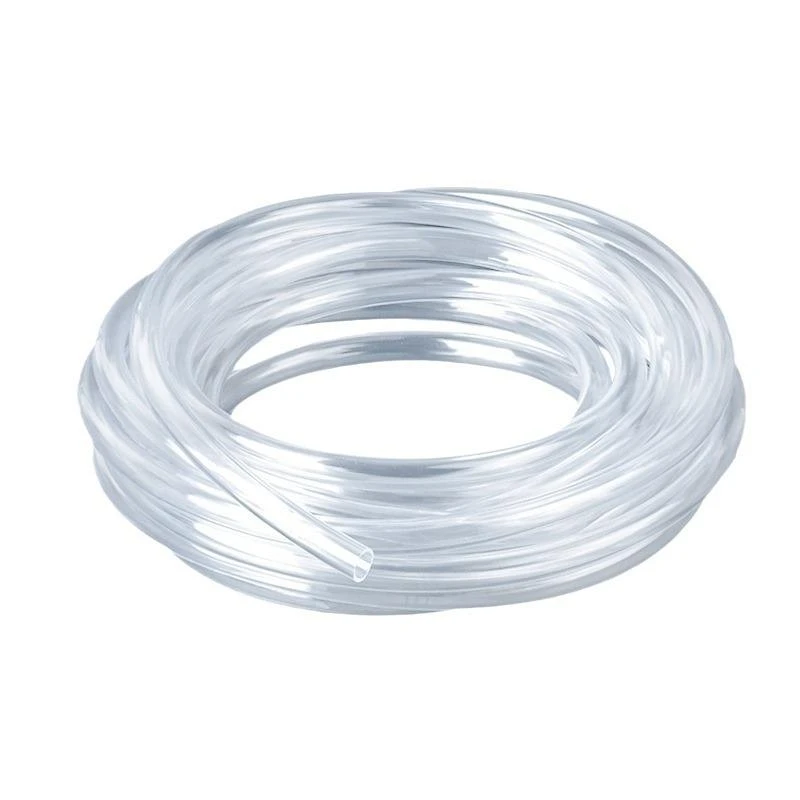
| Color | Black or Transparent variants |
Global Applications & Use Cases
The 3 8 automotive vacuum hose finds distinct uses beyond typical cars and trucks. In Europe and North America, automotive manufacturers rely on specialized vacuum hoses to meet stringent emission and safety standards — helping vehicles run cleaner and more efficiently. Meanwhile, in industrial areas like Southeast Asia or South America, these hoses support machinery in manufacturing plants and power equipment.
Interestingly, humanitarian organizations use rugged automotive vacuum hoses in mobile medical and water purification systems deployed in disaster zones, where reliability is crucial. For instance, in remote relief camps, vacuum hoses facilitate air pumps in portable diagnostic devices or environmental sensors, ensuring smooth operation where repair options are scarce.
Vendor Comparison: Leading 3 8 Automotive Vacuum Hose Suppliers
| Vendor | Material Quality | Temperature Range | Pricing (per meter) | Industry Focus |
|---|---|---|---|---|
| ZSmart Flex Hose | EPDM with reinforced fibers | -40°C to 130°C | $1.15 | Automotive & Industrial |
| VacuroTech Inc. | Nitrile Rubber | -35°C to 120°C | $1.00 | Aftermarket Automotive |
| Global Hose Works | Silicone | -60°C to 180°C | $1.40 | High-performance & Racing |
Advantages & Long-Term Value
The benefits of selecting a reliable 3 8 automotive vacuum hose include:
- Cost savings: Fewer replacements and less engine wear reduce overall fleet expenses.
- Emission control: Proper vacuum helps reduce harmful engine gases, aligning with regulations.
- Safety: Prevents vacuum leaks that could cause engine stalling or sensor errors.
- Sustainability: Durable hoses minimize waste and support environmental goals.
- Trust & Satisfaction: Users often report peace of mind with trusted brands like ZSmart Flex Hose.
Even beyond the pragmatic, there’s something reassuring about the dependability of well-engineered hoses that keep vehicles and machinery humming along — it feels like invisible support holding everything together.
Future Trends & Innovations
Looking ahead, material science is pushing the envelope with bio-based rubbers and smart composite hoses that self-heal from minor damage. Automation in manufacturing is improving consistency, lowering defects in 3 8 automotive vacuum hose production. Another emerging trend is integrating sensors directly into hoses for real-time pressure monitoring—perfect for predictive maintenance, especially in fleets.
And of course, sustainability remains a hot topic, with ISO standards evolving to encourage greener material sourcing and recyclability.
Challenges & Solutions
Despite improvements, challenges persist. Variability in hose quality is a headache—some cheap products degrade quickly under heat stress. Also, fitting compatibility can sometimes confuse mechanics due to non-standardized diameters or wall thicknesses.
Experts recommend sourcing hoses from vetted suppliers, ensuring compliance with international quality standards (like ISO 9001), and using proper installation techniques. Ongoing R&D into reinforcing layers also helps mitigate premature failure risks.
FAQ: Frequently Asked Questions About 3 8 Automotive Vacuum Hose
Q1: What sizes are available besides 3 8 inch for vacuum hoses?
A typical vacuum hose comes in several standard inner diameters, including 1/4", 5/16", 3/8", and 1/2". However, 3 8 inch remains a popular choice balancing airflow needs and compatibility for most automotive applications.
Q2: How long does a quality 3 8 automotive vacuum hose typically last?
With proper installation and operating conditions, these hoses can last anywhere between 5 to 10 years. Exposure to excessive heat or chemicals can reduce longevity, so regular inspections are essential.
Q3: Can these hoses be used in non-automotive applications?
Absolutely. Beyond vehicles, many industries use 3 8 vacuum hoses in industrial machines, laboratory equipment, and portable devices, thanks to their flexibility and reliability.
Q4: Are there eco-friendly options for these vacuum hoses?
Yes, manufacturers are increasingly offering hoses made from biodegradable or recyclable materials, and those compliant with stricter environmental certifications.
Conclusion: Why 3 8 Automotive Vacuum Hose Matters
To sum it up, the modest 3 8 automotive vacuum hose is far from trivial — it’s a backbone component that quietly ensures engines run efficiently, machines perform optimally, and operations stay safe and sustainable. Investing in quality hoses delivers cost savings, environmental benefits, and trust in your machinery’s resilience. If you’re exploring options or upgrades, I suggest checking out trusted suppliers like ZSmart Flex Hose for the latest in performance and durability.
Looking ahead, as materials and tech evolve, these hoses will only become smarter and greener — a small piece with a big future.
Mini takeaway: The next time you see a simple hose in a car or machine, remember it’s part of a global chain of innovation and sustainability efforts—quite a story for such a humble part!
References
Z-Smartflex delivers superior-quality industrial hoses and fittings with global reliability, offering you durable solutions and exceptional service for all your fluid transfer needs.