Understanding the 3 8 in Rubber Hose: A Small Component with Global Importance
If you’ve ever worked in industries like automotive, agriculture, or even home gardening, chances are you’ve come across a 3 8 in rubber hose, or something quite like it. Despite its humble size—just three-eighths of an inch in diameter—this type of rubber hose plays a surprisingly big role in keeping various systems running smoothly worldwide. From powering irrigation systems in rural farms to transferring essential fluids in large-scale manufacturing plants, understanding what this hose is and why it matters can save time, improve safety, and even cut costs.
Oddly enough, despite its widespread usage, there’s often confusion about what makes a 3 8 in rubber hose different from other hoses. So, let’s take a closer look at this everyday yet vital item.
The Global Context: Why a 3 8 in Rubber Hose Matters
Many might not realize it, but hoses like these are integral to global infrastructure. The World Bank reports that over 60% of worldwide agricultural production relies on irrigation systems—many of which utilize rubber hoses of various gauges, including the 3 8 in size, to transport water efficiently. Meanwhile, according to ISO standards on industrial hoses (ISO 3821), rubber hoses must meet stringent durability and safety requirements, a testament to their engineering significance.
One challenge industries face is balancing hose flexibility with durability under different conditions, from scorching deserts to freezing climates. The 3 8 in rubber hose’s size makes it perfect for tasks that require precise fluid control without sacrificing strength, especially in sectors where leaks or bursts can cause costly downtime or environmental hazards.
What Exactly Is a 3 8 in Rubber Hose?
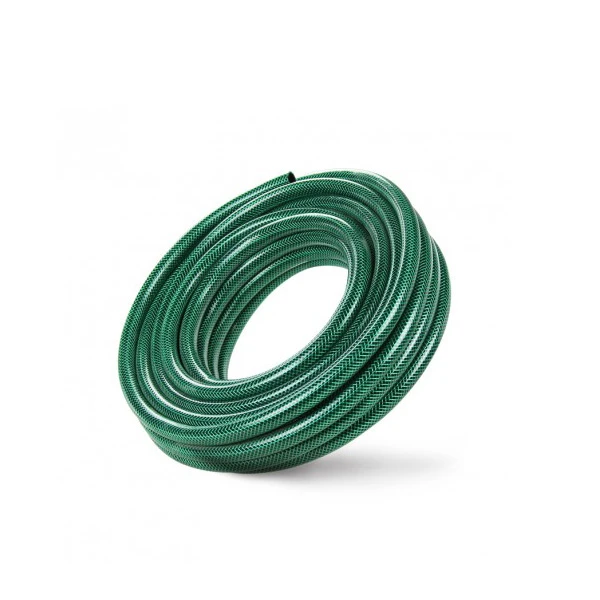
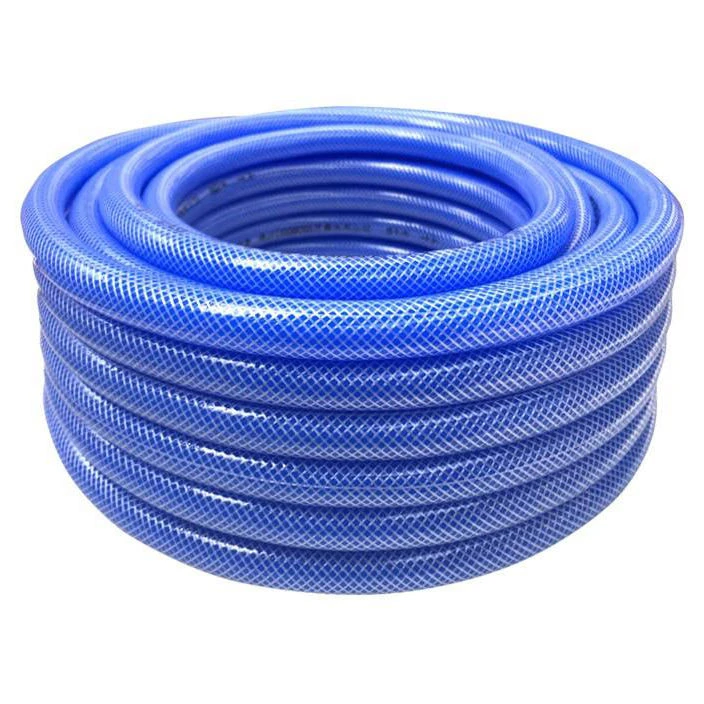
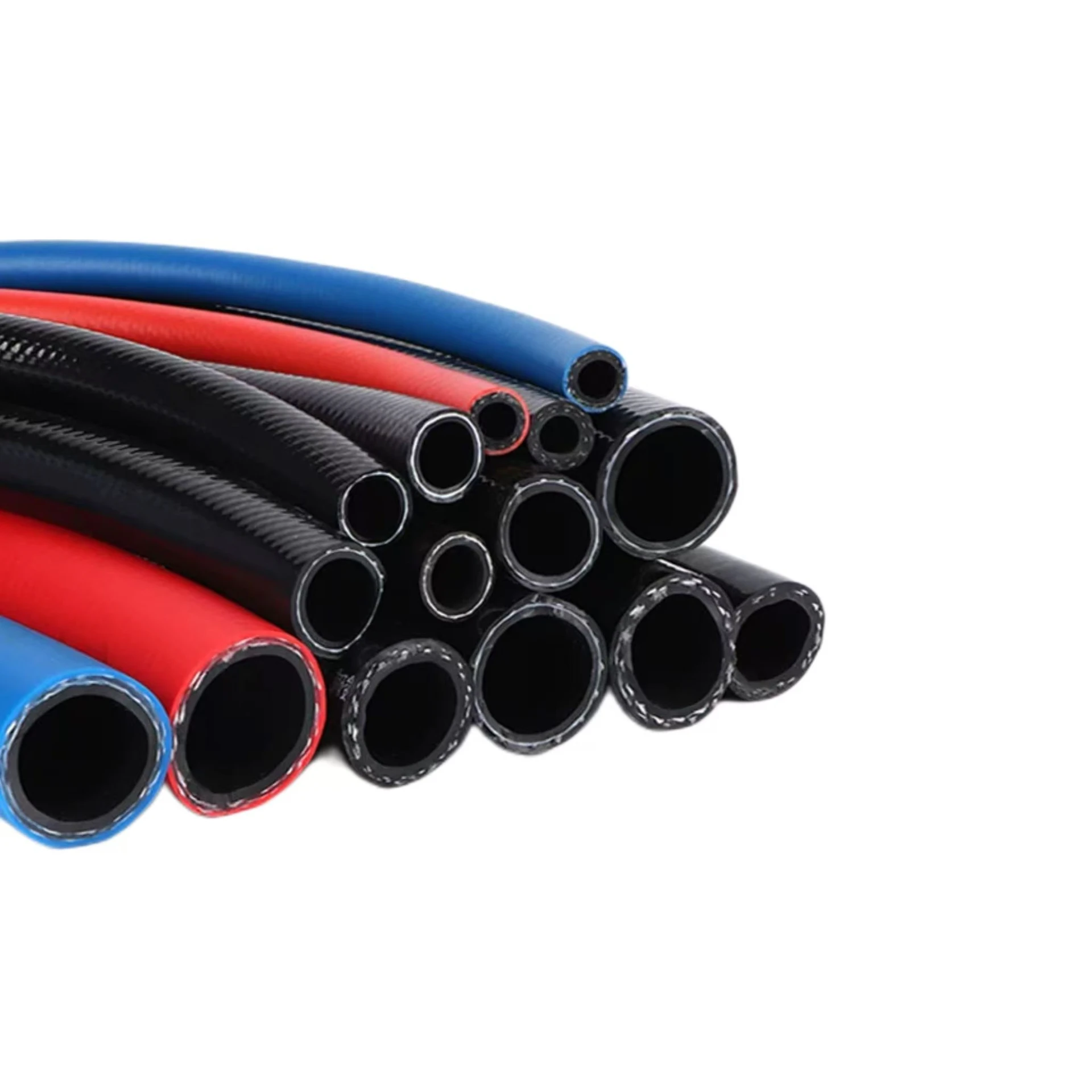
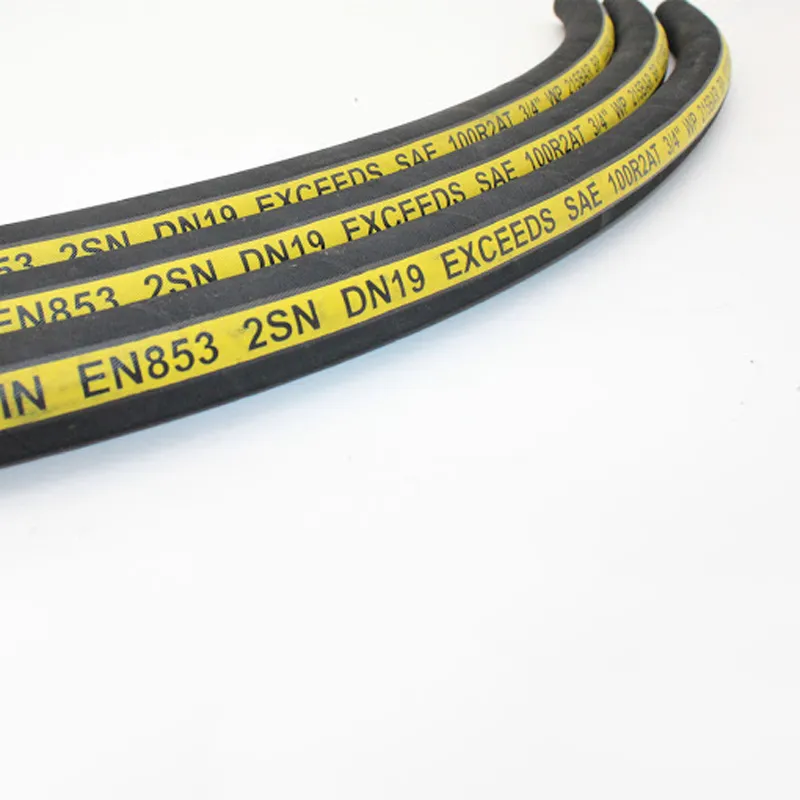
A straightforward definition: a 3 8 in rubber hose is a flexible tube made from rubber compounds, designed typically for the transfer of liquids or gases. That 3 8 in measurement refers to the nominal inner diameter, about 9.5 millimeters, meaning it fits well with connectors and fittings designed for small to medium flow rates.
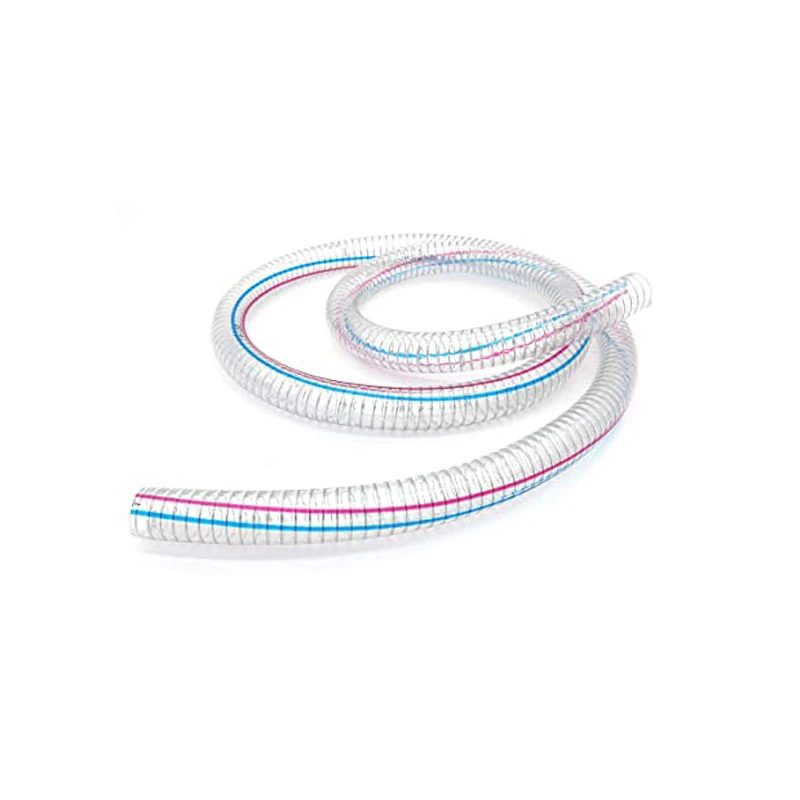
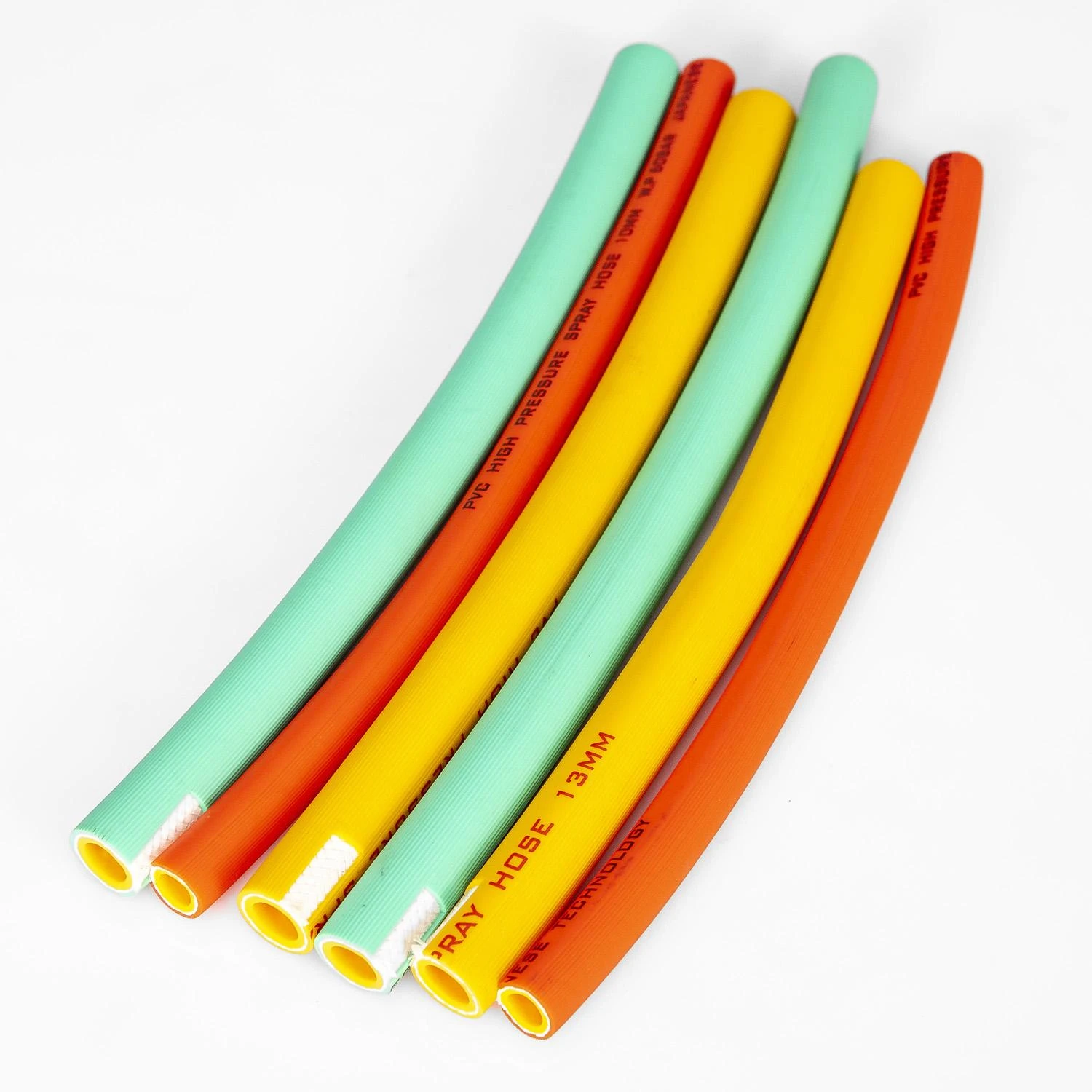
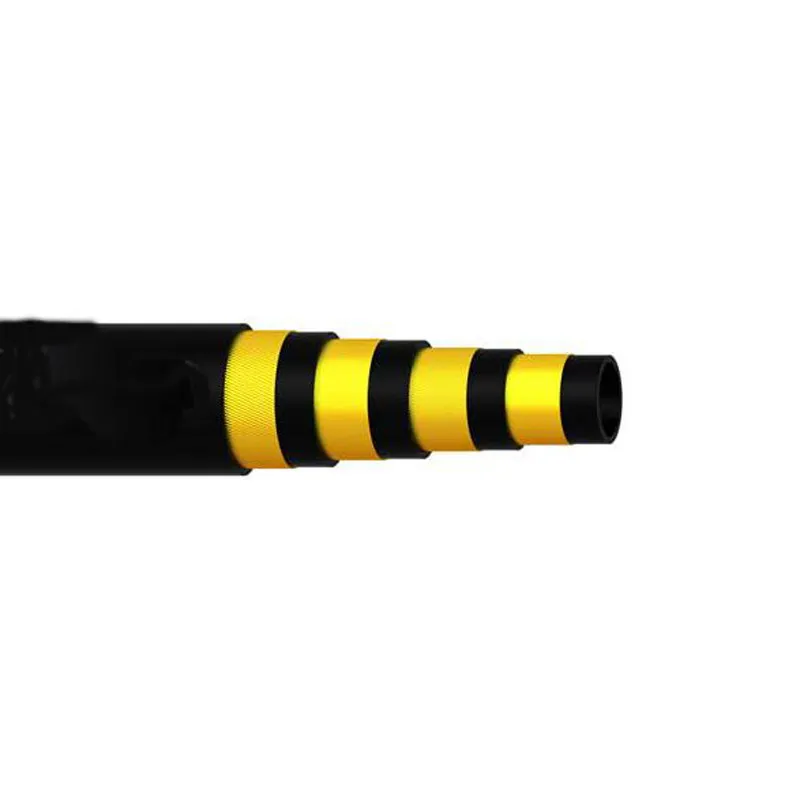
This hose type finds strong ties in industries such as automotive fuel lines, pneumatic tools, and even medical devices requiring fluid transport. Its relatively small diameter allows for easy installation in tight spaces, but don’t mistake its size for fragility—these hoses often come reinforced with textile or wire braiding for extra strength.
Key Factors Influencing 3 8 in Rubber Hose Performance
- Durability: The hose’s rubber composition often blends natural and synthetic rubbers to resist abrasion, ozone, and chemicals — essential for prolonged field use.
- Flexibility: The ability to bend without cracking lets the hose fit into compact industrial setups or agricultural machinery without much hassle.
- Temperature Resistance: Most 3 8 in hoses operate safely within a range of -40°C to +120°C, though exact limits depend on the rubber type and reinforcement.
- Pressure Ratings: The hoses are rated to handle specific working pressures, typically from 150 PSI to upward of 300 PSI, important to match with your system to avoid failures.
- Compatibility: Chemical compatibility, whether transporting fuel, water, or compressed air, is a critical consideration to ensure hose integrity and safety.
| Specification | Typical Value | Notes |
|---|---|---|
| Inner Diameter | 3/8 inch (9.5 mm) | Standard size for precise fluid delivery |
| Maximum Working Pressure | 150 - 300 PSI | Varies by reinforcement and material |
| Temperature Range | -40°C to +120°C | Common for synthetic rubber blends |
| Material | Synthetic/Natural Rubber | Often with textile or wire braid |
Mini takeaway: The 3 8 in rubber hose is a thoughtfully engineered component optimized for flexibility, durability, and reliability, fitting seamlessly into a variety of fluid-handling tasks.
Global Applications and Real-World Use Cases
Across continents and industries, the 3 8 in rubber hose proves its versatility. For instance:
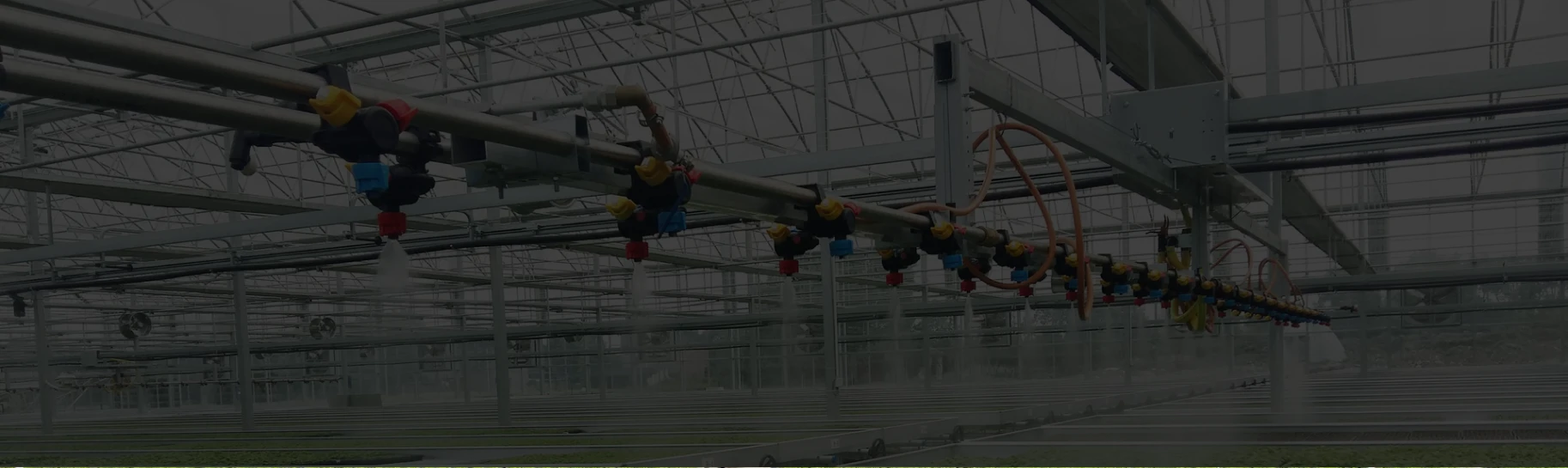
- Agriculture: In irrigation practices across Asia and Africa, these hoses connect sprinklers and drip systems, delivering water efficiently while withstanding rough outdoor conditions.
- Automotive: Used extensively in fuel lines and vacuum systems, especially where compact routing is needed.
- Manufacturing: Factories worldwide rely on these hoses to handle pneumatic tools and hydraulic fluids.
- Disaster Relief: NGOs deploy hoses like these to quickly set up clean water distribution pipelines in emergency zones.
One example: A relief operation in Southeast Asia used 3 8 inch rubber hoses to replace damaged water lines in flooded villages, restoring access to potable water within days. Such hoses’ durability and ease of installation made them a lifeline.
Comparing Top Vendors of 3 8 in Rubber Hose
| Vendor | Material Quality | Pressure Tolerance | Pricing | Best Use Case |
|---|---|---|---|---|
| ZSmart Flex Hose | High-grade synthetic rubber with steel reinforcement | Up to 300 PSI | Competitive - Mid-range | Industrial, agriculture, and emergency |
| FlexiHose Corp. | Natural rubber with textile weave | Max 200 PSI | Budget-friendly | Light-duty, gardening |
| ProHose International | Synthetic blends with chemical resistance | Up to 350 PSI | Premium pricing | Chemical, oil industry |
Advantages and Long-Term Value of Using a 3 8 in Rubber Hose
When I look at the tangible benefits, a few stand out:
- Cost-efficiency: Their relatively low cost coupled with long service life reduces replacement frequency.
- Sustainability: Many manufacturers now incorporate eco-friendly rubbers and sustainable production methods.
- Reliability: Across harsh environments, these hoses consistently hold up, protecting equipment and personnel.
- Safety: Proper hose selection minimizes leaks of hazardous fluids, ensuring workplace safety and environmental protection.
- Innovation: Customizable lengths and fittings mean greater system integration flexibility, enhancing operational workflows.
On the emotional side, users often talk about peace of mind — knowing their fluid delivery won’t fail unexpectedly is priceless.
Looking Ahead: Future Trends in 3 8 in Rubber Hose Technology
Innovation doesn’t stop at just rubber compounds and braiding, it seems. The industry is increasingly pushing toward:
- Smart hoses: Embedded sensors to detect wear or leaks in real time.
- Green materials: Using biodegradable or recyclable polymers to reduce waste.
- Improved chemical resistance: To handle newer fluids in biofuel and pharmaceutical sectors.
- Automation-compatible designs: For better integration with robotic or automated production lines.
This future-forward thinking aligns with global sustainability goals like those from the United Nations, aiming to reduce industrial waste and improve resource efficiency.
Common Challenges & Expert Solutions
Despite their benefits, 3 8 in rubber hoses face challenges such as:
- Degradation over time: UV exposure and ozone can crack hoses prematurely.
- Compatibility issues: Choosing wrong materials for certain chemicals can cause hose failure.
- Installation errors: Kinks or tight bends reduce lifespan and efficiency.
Experts recommend choosing hoses with appropriate reinforcement, storing them properly away from direct sunlight, and ensuring regular inspections. For tricky fluids, consulting supplier chemical compatibility charts is a must.
FAQ: Practical Questions About 3 8 in Rubber Hose
- What is the typical lifespan of a 3 8 in rubber hose in industrial settings?
Generally, with proper use and maintenance, you can expect 3–5 years, although conditions and materials can extend or shorten this period. - Can a 3 8 in rubber hose handle hot fluids?
Yes, most hoses are rated for temperatures up to 120°C, but checking manufacturer specs is essential to avoid damage. - How do I know if a hose is compatible with the chemicals I use?
Manufacturers provide chemical compatibility charts. Review these carefully before selecting a hose to ensure safety and longevity. - Is it possible to customize the length and fittings of a 3 8 in rubber hose?
Absolutely. Most vendors, such as ZSmart Flex Hose, offer tailored solutions matching specific operational needs.
Conclusion: Small But Mighty – The Case for 3 8 in Rubber Hose
To wrap it all up, the 3 8 in rubber hose is one of those unsung heroes you might overlook until it’s absent or faulty. Its practical size, resilient materials, and flexibility allow it to service countless applications effectively, from local farms to complex factories. The long-term advantages in terms of cost, safety, and sustainability make it a standout choice for engineers and operators globally.
If you’re looking to select or upgrade your hose solutions, don’t hesitate to visit ZSmart Flex Hose. They offer wide expertise and robust options that could just be the answer you need.
Mini takeaway: Whether you’re managing industrial machinery or setting up irrigation, getting your 3 8 in rubber hose right means smoother operation and less worry.
References:
Z-Smartflex delivers superior-quality industrial hoses and fittings with global reliability, offering you durable solutions and exceptional service for all your fluid transfer needs.