8mm Rubber Hose: A Workhorse in Industrial Fluid Transfer
You know, after spending well over a decade in the industrial equipment sector, I’ve seen countless hose types come and go—but the 8mm rubber hose remains a steady favorite for good reason. It’s not flashy, nor is it overly complicated, but frankly, it just gets the job done under some tough conditions.
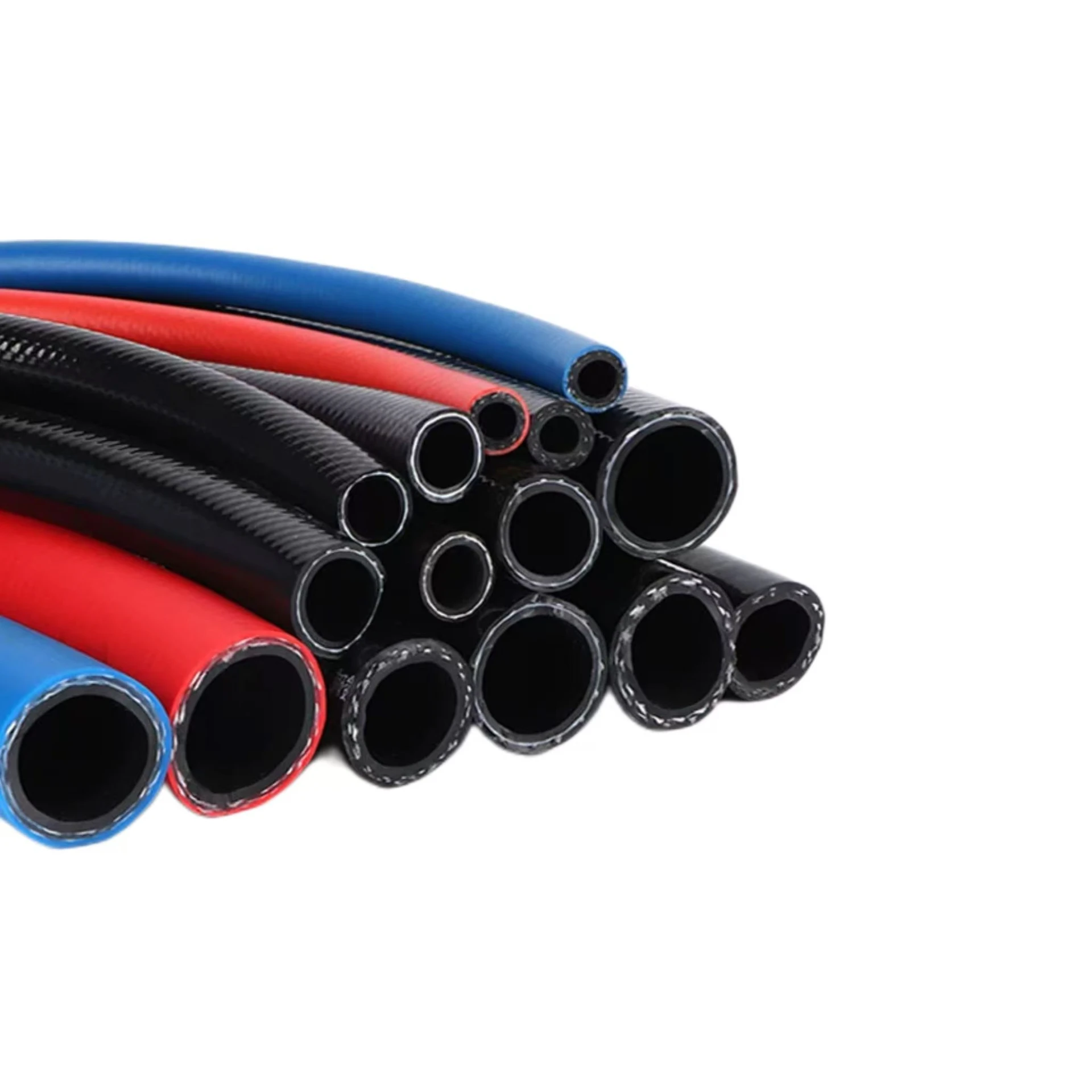
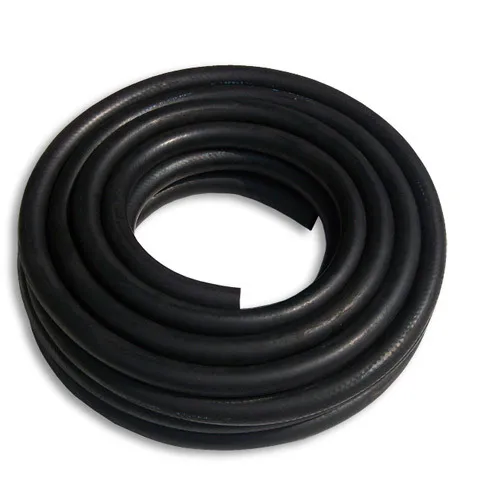
What’s kind of fascinating is how this seemingly simple product has evolved. Originally, rubber hoses were just basic conduits for liquids, but nowadays, the materials and construction have come a long way. Most 8mm rubber hoses you find in the market are made from high-quality synthetic rubber compounds—ones that resist abrasion, ozone, and varying temperatures. It’s a balance of flexibility and durability that really matters in real terms.
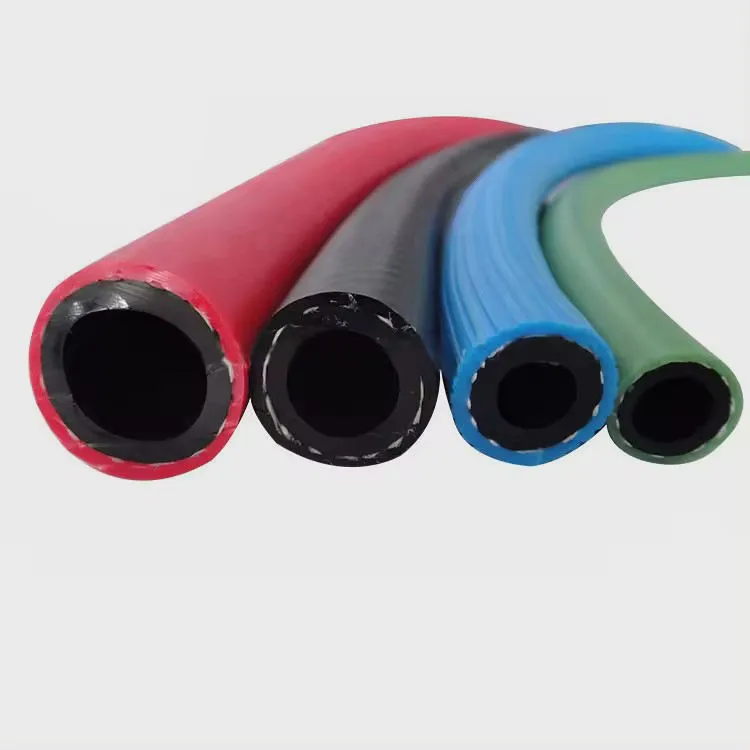
Over the years, I’ve noticed that many engineers swear by hoses reinforced with textile or spiraled wire for industrial applications that demand higher pressure. And yes, the 8mm diameter often hits the sweet spot: compact enough for tight spaces but large enough to ensure decent flow rates.
| Feature | Specification |
|---|---|
| Inner Diameter | 8 mm (0.31 in) |
| Material | Synthetic rubber (NBR, EPDM, or similar) |
| Working Pressure | Up to 15 bar (220 psi), varies by reinforcement |
| Temperature Range | -40°C to 100°C (-40°F to 212°F) |
| Reinforcement | Textile braid, steel wire (optional) |
| Color | Black or custom colors |
| Common Uses | Air, water, mild chemicals, fuel lines |
Oddly enough, the right sort of hose chemistry makes a huge difference. For instance, EPDM rubber is excellent for hot water and steam, while NBR (nitrile butadiene rubber) is preferred when dealing with oils or fuels. I recall a project where swapping out a standard hose with an EPDM one saved the end user from constant replacements—the difference was clear after just a few months in heavy use.
One thing I always stress is to check for certifications and quality standards. An 8mm rubber hose you buy off the shelf may look similar to another, but only a few comply with ISO, SAE, or DIN certifications ensuring they're tested for pressure, flexibility, and environmental resistance. This is important because the cost of failure can be high in industrial settings.
Now, when you start looking at suppliers, price and quality can vary quite a bit. I’ve worked with local manufacturers who offer great customization options but sometimes less strict testing protocols. On the flip side, international vendors have rigid quality controls but can be pricier or have longer lead times.
| Vendor | Price (per meter) | Customization | Lead Time | Certifications |
|---|---|---|---|---|
| ZSmart Flex Hose | $7.50 | High (color, reinforcement) | 2 weeks | ISO 9001, SAE |
| Local Supplier A | $5.80 | Medium (limited colors) | 1 week | No formal certs |
| International Vendor B | $9.20 | Low (standard specs) | 4 weeks | ISO 9001, DIN |
I’ll share a quick anecdote: A client in the auto industry was struggling with hose failures causing downtime. After switching to a well-made 8mm rubber hose with proper textile reinforcement from a supplier like ZSmart Flex Hose, their maintenance frequency reduced by half. It felt like the hose became this quiet, reliable partner—no drama, no unexpected breakdowns.
In the end, while the specs are critical, testing the hose in your actual conditions is the real proof. Sometimes you find hoses that look great on paper but don’t flex well when cold or degrade faster near chemicals you use. That’s why working with trusted suppliers who understand customization and quality control matters.
So, whether you’re piping air, fuel, or coolants through an 8mm rubber hose, it’s worth spending a bit more time selecting the right one. It feels like a simple component, but it really is the lifeline of fluid systems in many industries.
In short — don’t overlook the humble hose. It just might save your day.
- ISO 9001 certification standards for quality management systems
- SAE J20 standards for coolant system hoses
- Industry reports on industrial hose performance differences (internal testing)
Z-Smartflex delivers superior-quality industrial hoses and fittings with global reliability, offering you durable solutions and exceptional service for all your fluid transfer needs.