Understanding the 5 8 Chemical Hose: A Veteran’s Perspective
Having spent a good chunk of my career working in the industrial equipment sector, I’ve come across countless types of hoses — but the 5 8 chemical hose holds a special place. It’s one of those unsung heroes, quietly enabling complex chemical transfers while standing up to harsh environments. If you’ve ever handled corrosive liquids or aggressive solvents in plants or manufacturing sites, you’ll know the value of a hose that won’t fail you mid-shift.
Now, the name “5 8 chemical hose” usually refers to its inner diameter—five-eighths of an inch. This size hits a sweet spot between flexibility and flow capacity, which makes it popular for transferring chemicals safely and efficiently. Frankly, it’s a versatile choice in many industries, from pharma manufacturing to petrochemical processing. What’s interesting is how the design of these hoses has evolved with material science advances.
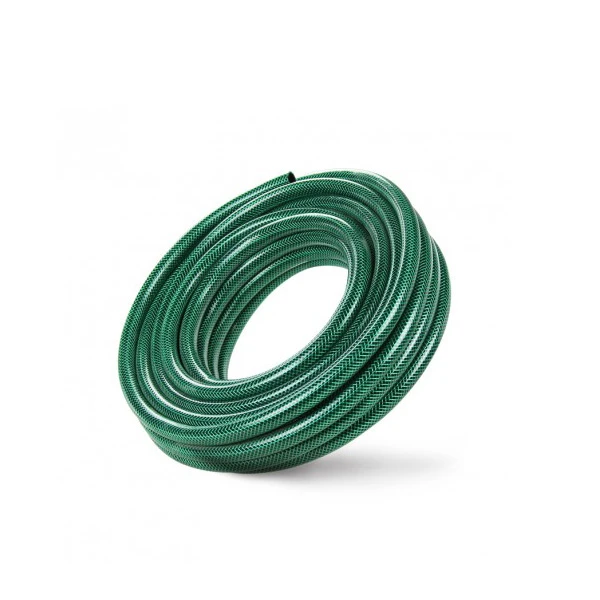
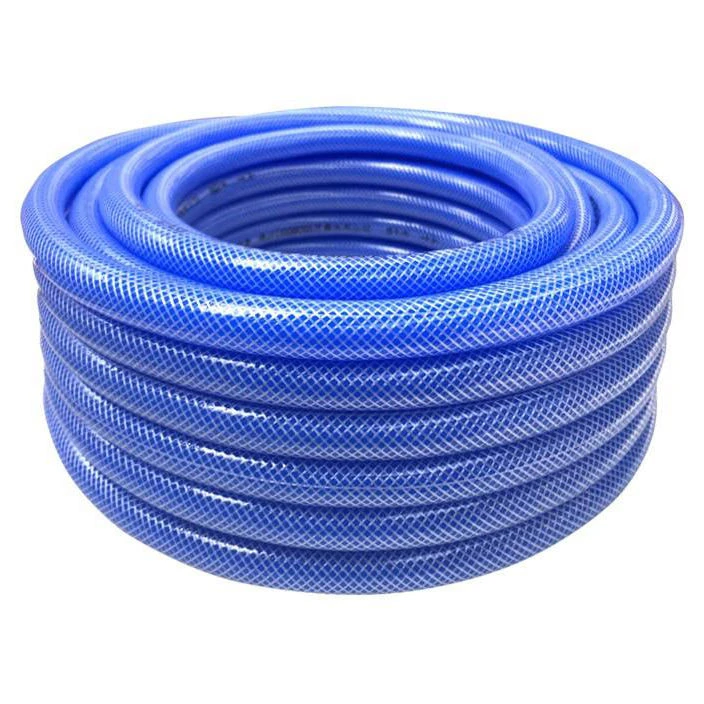
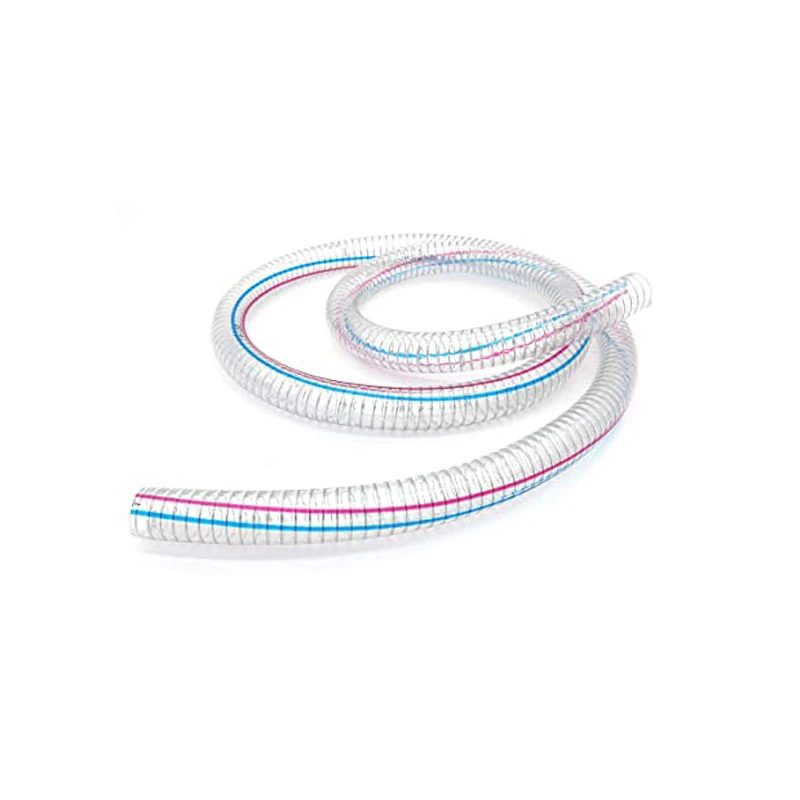
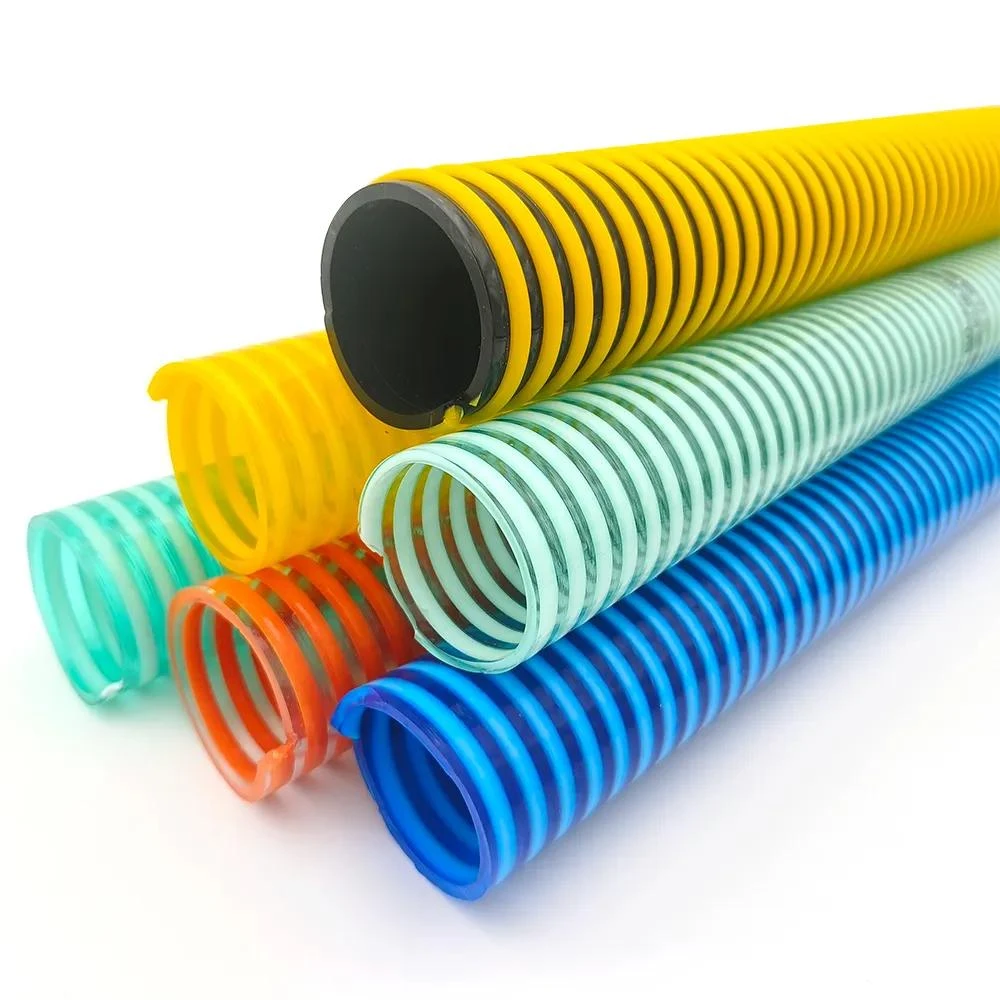
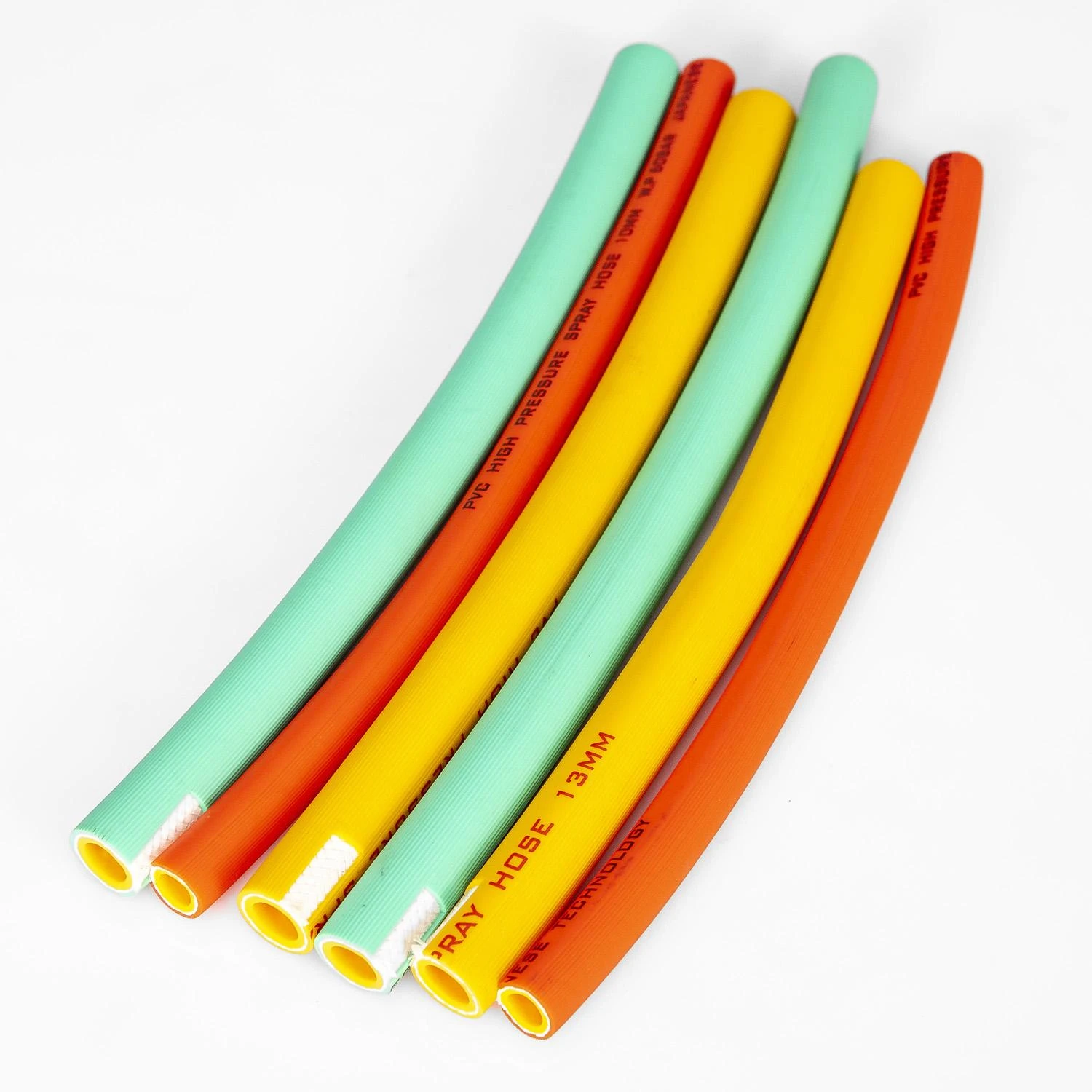
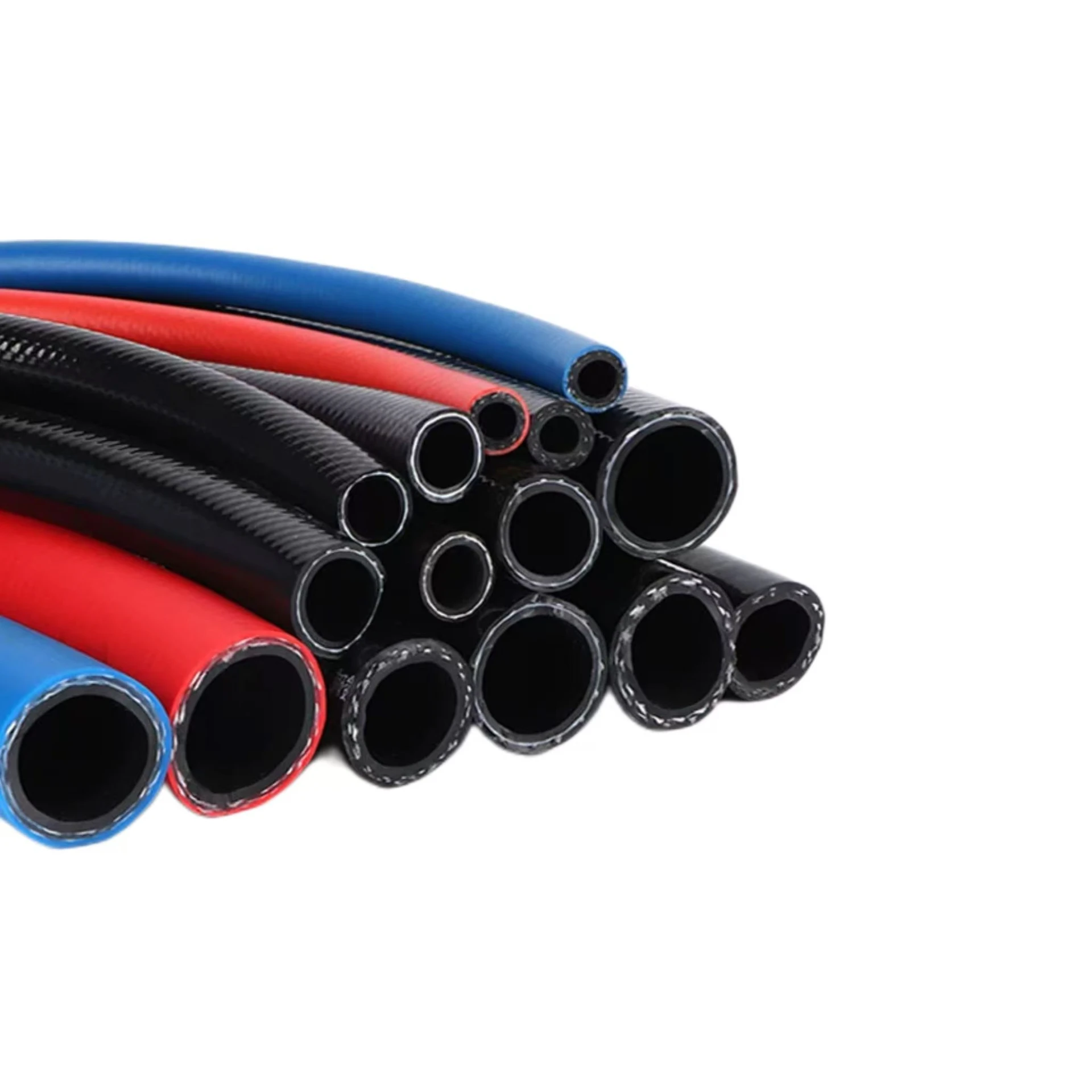
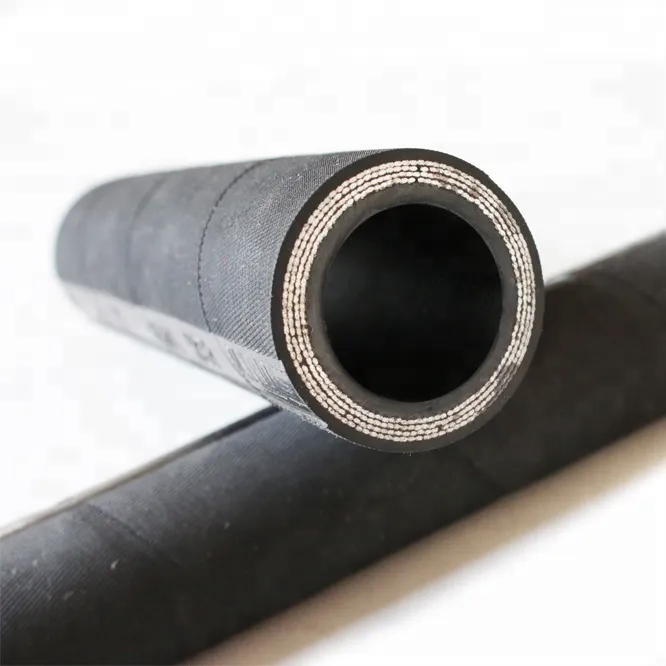
The core composition typically includes high-grade synthetic rubber or specialized thermoplastic tubes resistant to a wide range of chemicals. Surrounding this inner tube, you often find layers of braided textile or stainless steel reinforcement. This is crucial — because chemical hoses aren’t just about carrying fluid; they need to withstand pressure fluctuations and abrasion while maintaining their integrity.
I recall a factory I visited last year where the operators swapped out their old chemical hoses for reinforced 5 8 hoses with multiple layers of PTFE lining. The difference was clear — fewer leaks, longer hose life, and less downtime overall. The testing for these hoses is pretty stringent: ASTM or EN standards covering burst pressure, chemical resistance, and flexibility. You can tell the ones built well when they’re still performing flawlessly after months of heavy use.
Some common specs you’ll want to check out below give a pretty good baseline for what to expect:
| Specification | Details |
|---|---|
| Inner Diameter | 5/8 inch (15.88 mm) |
| Material | PTFE lining with synthetic rubber exterior or full synthetic rubber with chemical resistant additives |
| Temperature Range | -40°C to +150°C (-40°F to 302°F) |
| Pressure Rating | Up to 300 psi (depending on reinforcement layers) |
| Reinforcement | Braided polyester, stainless steel wire, or hybrid composites |
| Chemical Compatibility | Acids, alkalis, solvents, fuels, and lubricants |
Oddly enough, while many engineers rave about the durability of these hoses, customization is where things get really interesting. I’ve seen clients requesting custom lengths, special fittings, or even color-coded exteriors for safety compliance. It’s a small detail, but it adds a layer of operational ease on busy sites where mix-ups can be costly.
To give you a clearer view of how different vendors stack up when it comes to 5 8 chemical hoses, here’s a quick comparison I put together based on specs, price, and customer feedback:
| Vendor | Price (per meter) | Standard Certifications | Typical Lead Time | Customer Notes |
|---|---|---|---|---|
| ZSmart Flex Hose | $12.50 | ISO 9001, ASTM D380 | 2-3 days | Well-built, great chemical resistance, excellent customer service |
| Industrial Hose Co. | $14.20 | ISO 9001, EN 12115 | 5-7 days | Premium materials, longer lead times, good customization |
| FlexTech Solutions | $10.80 | ASTM D380 | 3-5 days | Budget-friendly, decent quality, limited certifications |
I suppose for most buyers, it boils down to balancing cost, reliability, and turnaround time. For quick replacements, the 5 8 chemical hose from ZSmart Flex Hose hits that sweet spot nicely. It’s like the workhorse in a fleet — not flashy, but you truly rely on it.
One small story: a client once told me they switched to these hoses after dealing with multiple failures from a cheaper supplier. Their maintenance costs dropped drastically, and the operators actually noted they felt safer using a hose they trusted. Safety and peace of mind aren’t always quantifiable, but they matter — a lot.
So whether you’re specifying hoses for a new plant or just upgrading your current lines, don’t overlook what these 5 8 chemical hoses offer. In real terms, they bring durability, adaptability, and ease of use—which can make all the difference when your processes depend on it.
At the end of the day, selecting the right chemical hose feels like a blend of art and science — you want materials that perform, but also a supplier you can trust. And from where I stand, the 5 8 chemical hose options out there are getting better every year.
Cheers to safer, smoother chemical transfers out there.
References:
1. ASTM International Standards for Chemical Hoses
2. EN 12115: Rubber and plastics hoses for chemical delivery
3. ZSmart Flex Hose Product Technical Datasheets
Z-Smartflex delivers superior-quality industrial hoses and fittings with global reliability, offering you durable solutions and exceptional service for all your fluid transfer needs.