Understanding the 3 4 ID Rubber Hose: A Vital Industrial Component
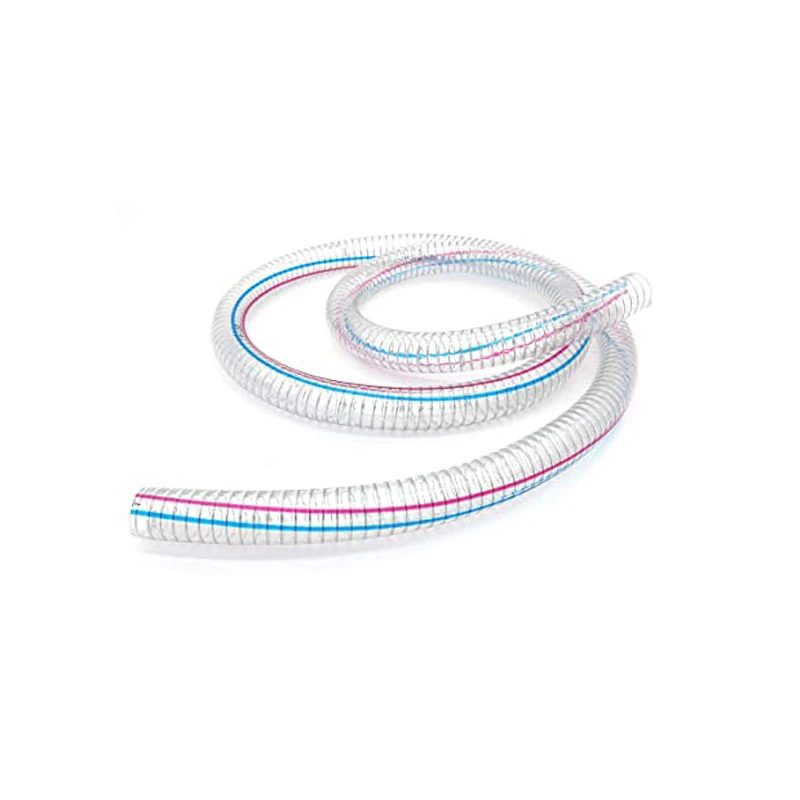
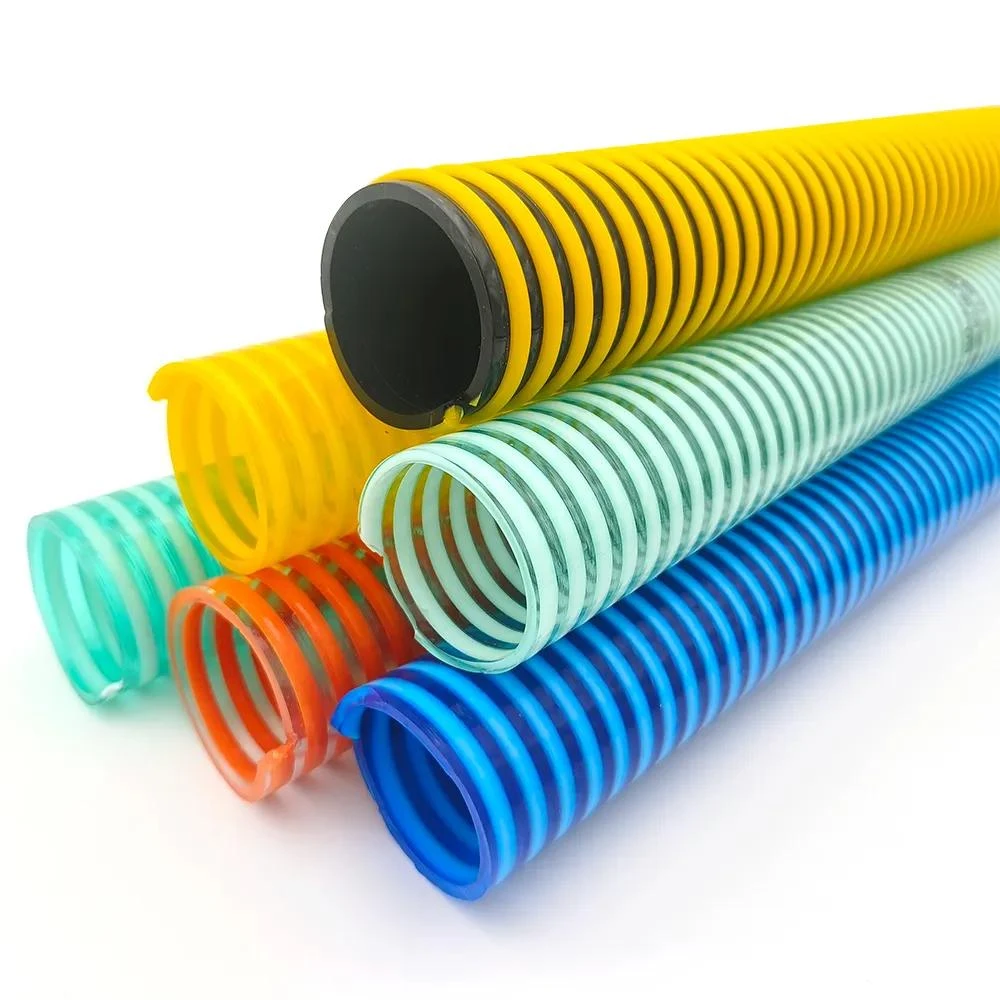
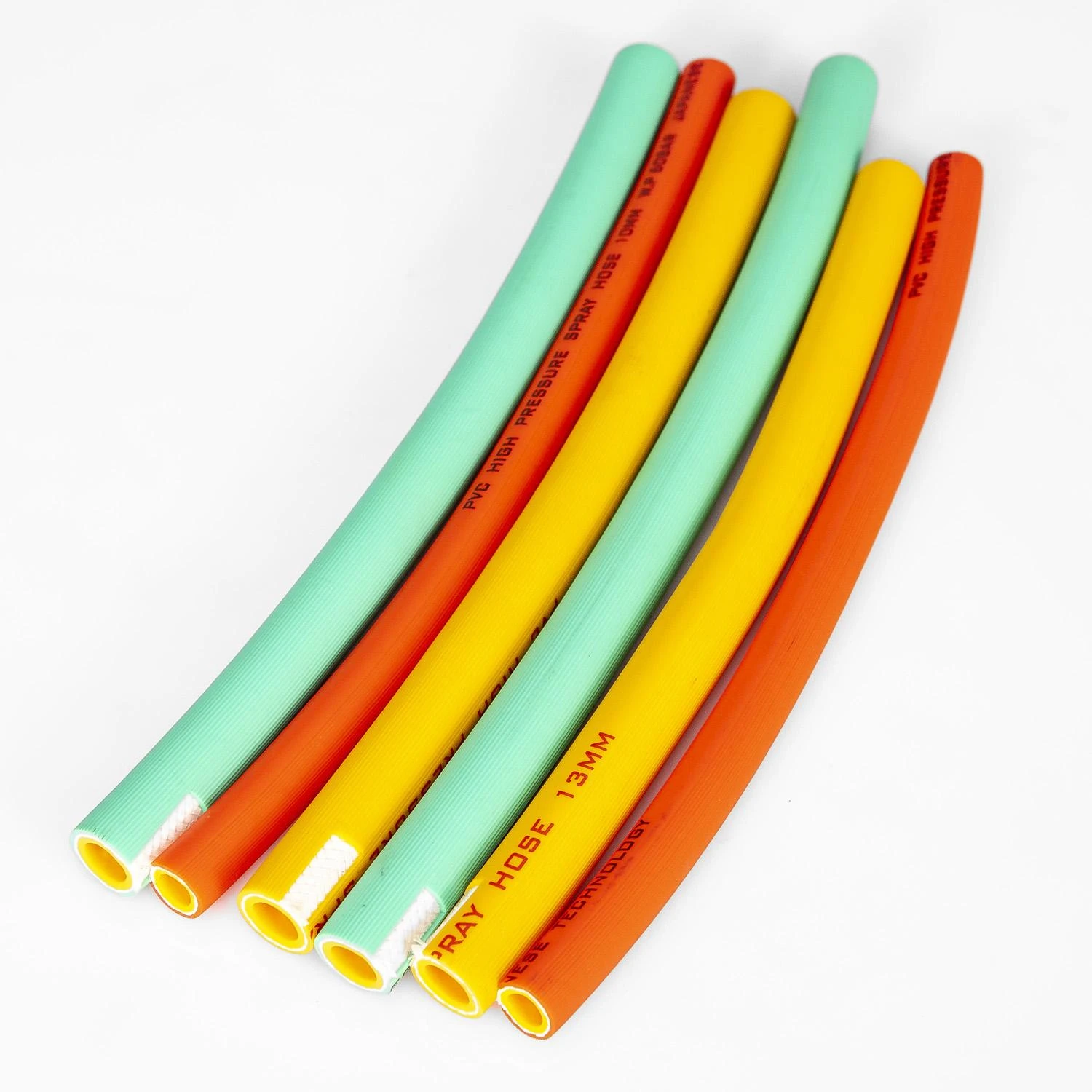
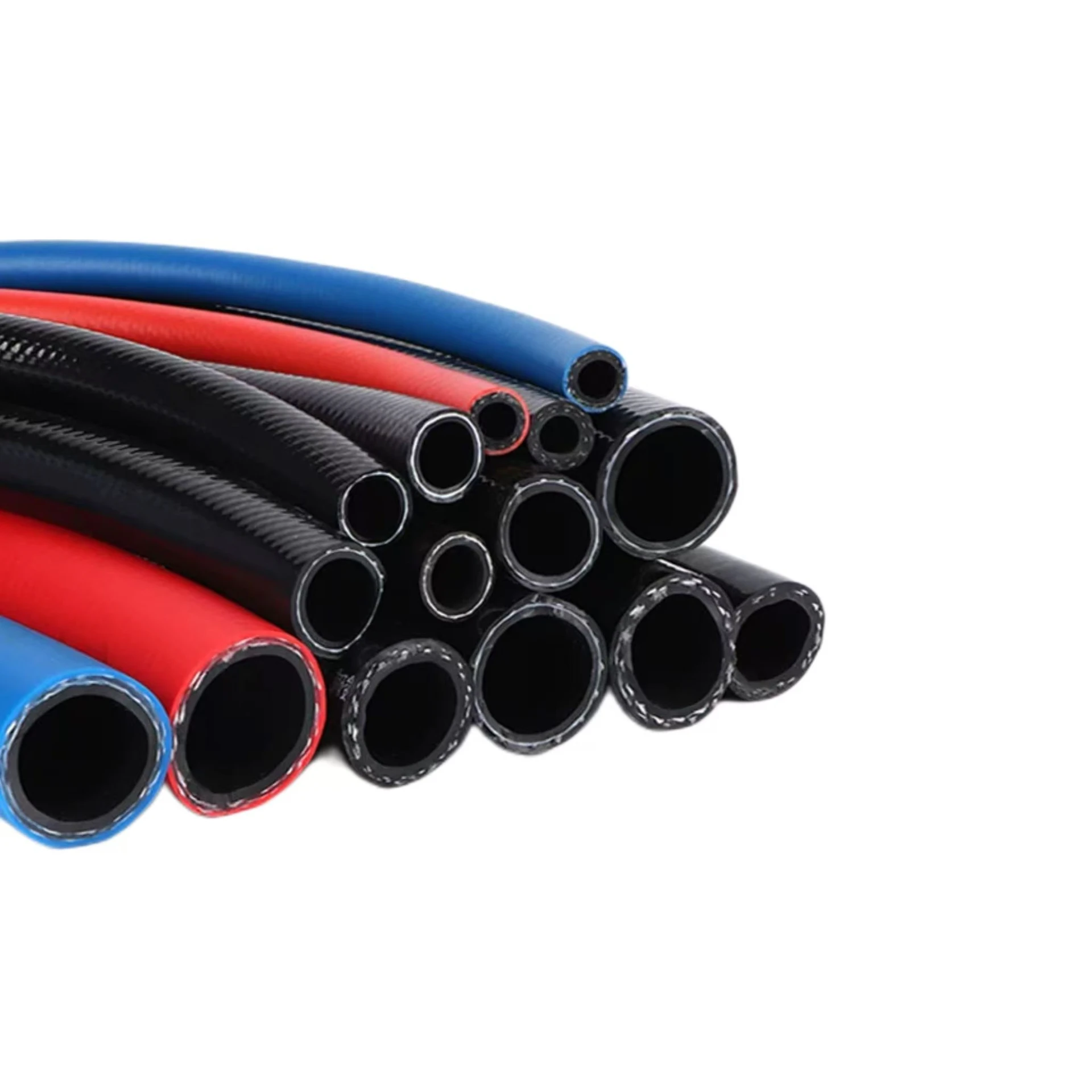
When you hear 3 4 ID rubber hose, perhaps the first image that comes to mind is a simple black tube that moves fluids from point A to point B. But oddly enough, it's much more than just “a hose.” It’s a fundamental component across sectors ranging from manufacturing plants to humanitarian disaster relief efforts. Knowing about these hoses—especially the 3/4 inch inner diameter ones—offers valuable insight into industrial mechanics, costly downtimes avoided, and even environmental safety.
Why the 3 4 ID Rubber Hose Matters Globally
Globally, industries consuming rubber hoses are booming. According to the International Rubber Study Group, global rubber demand surpassed 29 million tons in 2022, with industrial applications like hoses comprising a substantial share. There’s a pressing need for reliable, flexible, and cost-efficient fluid transfer media, which is where the humble 3 4 ID rubber hose comes in. Whether in chemical transport or irrigation systems, these hoses facilitate smooth operations that, frankly, many take for granted.
However, many industries face challenges like premature hose failures due to improper material selection or environmental degradation, which leads to costly downtime or safety risks. Getting familiar with the right specifications and vendors can save a company thousands, even millions, annually.
Defining the 3 4 ID Rubber Hose
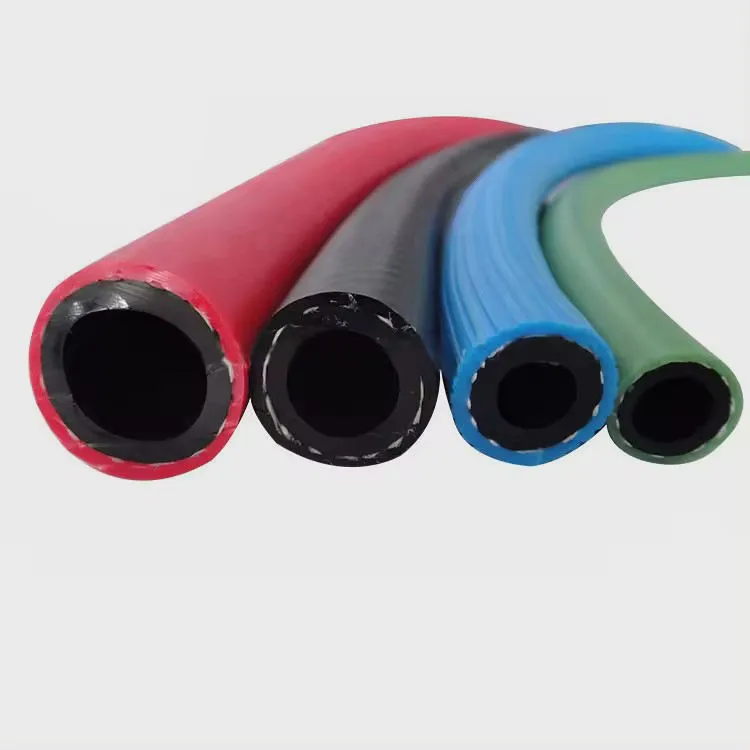
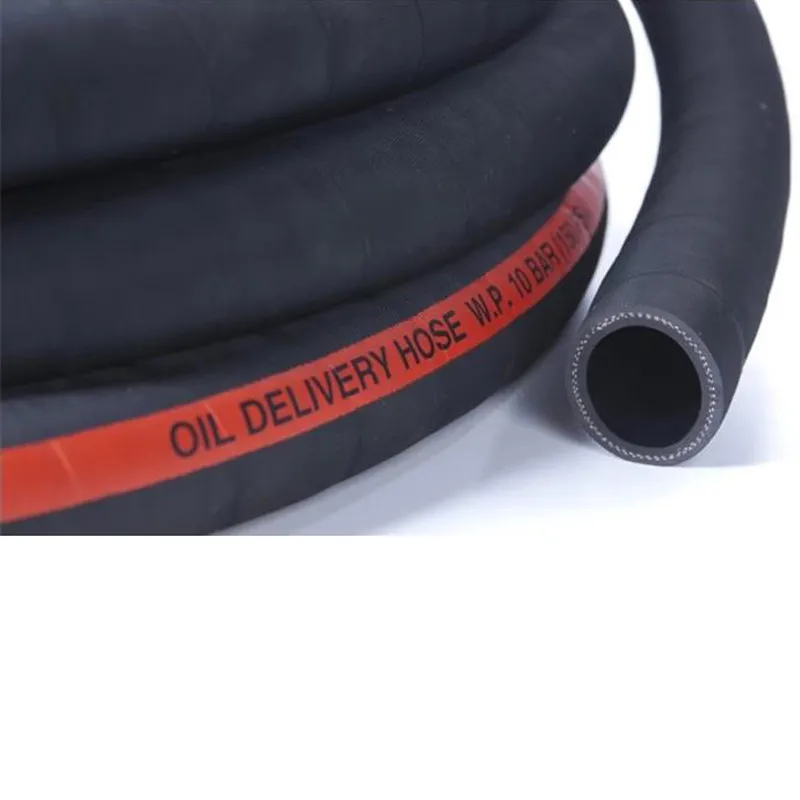
Simply put, a 3 4 ID rubber hose is a flexible tube primarily made of rubber or rubber composites that has an inner diameter measuring three-quarters of an inch. “ID” stands for inner diameter, crucial since it determines the hose's flow capacity. These hoses are engineered to carry liquids like water, oils, chemicals, or gases under pressure, offering flexibility and durability compared to rigid piping.
More than just industrial fillers, these hoses support modern infrastructure projects, agricultural irrigation, HVAC operations, and even mobile relief engineering in humanitarian crises. Their flexibility means they can handle tight bends and rugged terrains—something rigid pipes simply can’t manage.
Key Factors That Define a Quality 3 4 ID Rubber Hose
1. Durability
Material strength and resistance to abrasion, weather, and chemicals dictate how long a hose lasts. Typically, good quality hoses use synthetic rubbers like nitrile or EPDM—each with different resistance profiles suitable for oil, heat, or UV exposure.
2. Pressure Rating
Depending on intended use, hoses must withstand certain internal pressures. The 3/4" size is popular for medium pressure applications, roughly ranging from 150 psi to over 300 psi. Ensuring the hose matches your system’s pressure demands avoids unexpected bursts.
3. Flexibility & Bend Radius
Flexibility affects installation ease and lifespan. In tight spaces, hoses with smaller minimum bend radius prevent kinking and stress fractures.
4. Temperature Range
Hoses should operate efficiently across the temperature extremes they'll face—from freezing winters to hot factory floors.
5. Chemical Compatibility
Matching hose linings and covers to the fluids being transported prevents degradation, leaks, and contamination.
Typical Product Specifications of 3 4 ID Rubber Hoses
| Property | Typical Value |
|---|---|
| Inner Diameter (ID) | 0.75 inch (19 mm) |
| Outer Diameter (OD) | 1.0 - 1.1 inches (25-28 mm) |
| Working Pressure | 150–300 psi (1.03–2.07 MPa) |
| Temperature Range | -40°C to 120°C (-40°F to 248°F) |
| Material | EPDM/SBR/Nitrile rubber blend |
| Reinforcement | Textile or steel wire braiding |
Global Applications & Real-World Use Cases
The 3 4 ID rubber hose finds use across a fascinating array of settings. In agriculture, for irrigation and chemical spraying, these hoses must be reliable over uneven terrain and intense sunlight. For example, in parts of Africa, NGOs deploy them to set up portable water delivery systems rapidly.
Industrial zones in Southeast Asia use them for cooling systems in factories and oil transfer in refineries. Meanwhile, construction sites in urban U.S. cities rely on 3/4" hoses for pneumatic tools and concrete pumping.
In post-disaster relief, these hoses enable quick setup of water purification and fuel supply lines, often under tough environmental conditions. Knowing which type to stock and how to use them can literally save lives.
Advantages & Long-Term Value of Using Quality 3 4 ID Rubber Hoses
- Cost Efficiency: Durability reduces replacement frequency, lowering total ownership costs.
- Safety: Proper hose rating prevents leaks of hazardous materials, protecting workers and the environment.
- Flexibility: Easier installations speed up projects and reduce labor expenses.
- Sustainability: Newer rubber compounds extend hose life and allow partial recycling.
- Peace of Mind: Trusted hoses mean fewer operational surprises, helping businesses maintain smooth operations.
It’s this blend of economic, safety, and environmental benefits that make 3/4 ID rubber hoses essential across sectors.
Vendor Comparison: Top 3 Suppliers of 3 4 ID Rubber Hoses
| Vendor | Material Options | Pressure Rating (psi) | Customization | Lead Time |
|---|---|---|---|---|
| Z Smart FlexHose | EPDM, Nitrile | 150–300 | Custom lengths & fittings | 2–3 weeks |
| Global Hose Inc. | SBR, EPDM | 100–250 | Standard sizes only | 4–6 weeks |
| FlexCo Hoses | Nitrile, Silicone blend | 200–350 | Custom fittings, colors | 3–4 weeks |
Emerging Trends & Innovations
Looking ahead, we're seeing green innovations shaping the hose industry. Eco-friendly rubber composites and bio-based materials aim to cut carbon footprints. Digital sensors embedded in hoses for real-time pressure monitoring? That’s already happening—adding smart predictive maintenance capabilities.
Automation on industrial floors demands hoses capable of withstanding cyclical stresses longer than ever. Plus, there's a move toward more universal hose fittings to help global supply chain integration. Collectively, these trends will keep the 3 4 ID rubber hose relevant and indispensable.
Common Challenges and How to Address Them
Common issues include premature cracking, exposure to incompatible chemicals, and pressure failures due to misuse. Sourcing hoses with well-documented specs and certifications (like ISO 2398 for rubber hoses) helps reduce risks.
Custom engineering solutions—like reinforced layers or chemical-resistant linings—can overcome specific challenges. Training staff on proper installation can also save costly failures.
FAQ: Essential Questions on 3 4 ID Rubber Hose
- What is the difference between inner diameter (ID) and outer diameter (OD) in rubber hoses?
- The inner diameter (ID) determines the flow capacity of the hose and is critical for matching system requirements, while the outer diameter (OD) informs you about the hose's overall size and helps determine fittings and storage needs.
- Can a 3 4 ID rubber hose handle high temperatures?
- Most quality 3/4 inch hoses are designed to operate within temperature ranges of roughly -40°C to 120°C. Always check the manufacturer’s specs to ensure compatibility with your process temperatures.
- How do I choose the right 3 4 ID rubber hose for chemical transfer?
- It’s essential to verify the chemical compatibility chart from your supplier to ensure the hose material resists degradation from the chemical. Nitrile rubber often works well for oils and fuels, but specific chemicals may require special linings.
- Are custom lengths and fittings available for 3 4 ID rubber hoses?
- Many suppliers offer customized solutions, from cut lengths to finished assemblies with specific couplings. This adds convenience and reduces onsite assembly time.
- How long does a typical 3 4 ID rubber hose last in industrial conditions?
- That depends on usage and environment, but with proper selection and maintenance, these hoses can last anywhere from 2 to 5 years, sometimes longer in less aggressive applications.
In Conclusion: Why 3 4 ID Rubber Hose Deserves Your Attention
In real terms, the 3 4 ID rubber hose is a seemingly small detail that carries big weight. Its role in fluid conveyance touches industries worldwide, from agriculture to industry to humanitarian relief. Choosing the right hose, understanding your needs, and partnering with a trusted supplier like Z Smart FlexHose yields cost savings, operational safety, and sustainable gains over time.
If you’re involved in any fluid handling applications, it’s worth taking a closer look at the hoses you specify. Oddly enough, this small diameter tube could be one of your greatest investments in reliability.
Explore our range and get tailored advice at https://www.zsmartflexhose.com
Mini takeaway: The 3 4 ID rubber hose may feel humble but plays a pivotal role in global industries, making fluid transport safer, more flexible, and cost-effective.
References:
Z-Smartflex delivers superior-quality industrial hoses and fittings with global reliability, offering you durable solutions and exceptional service for all your fluid transfer needs.