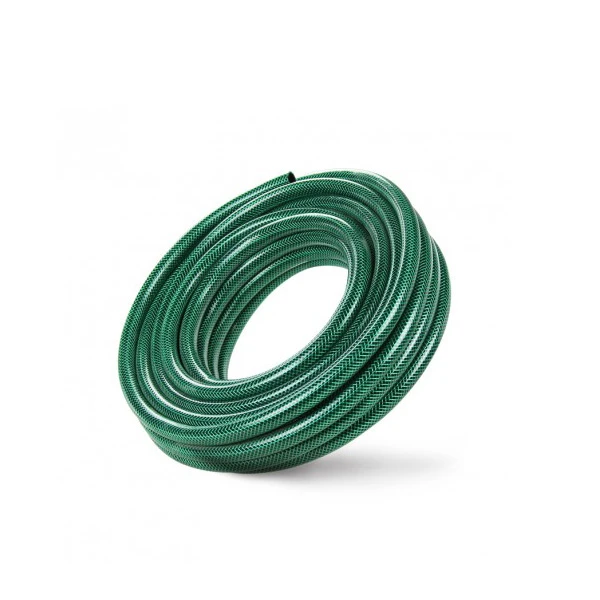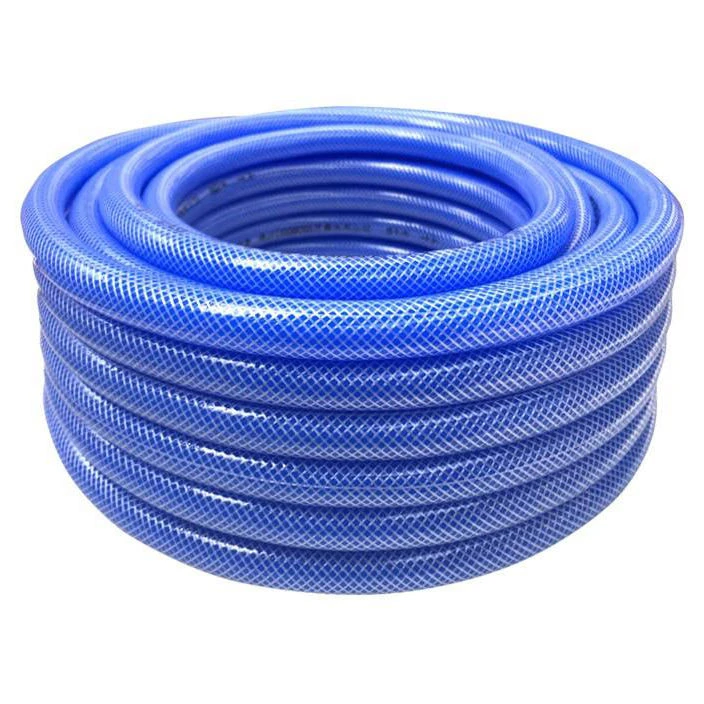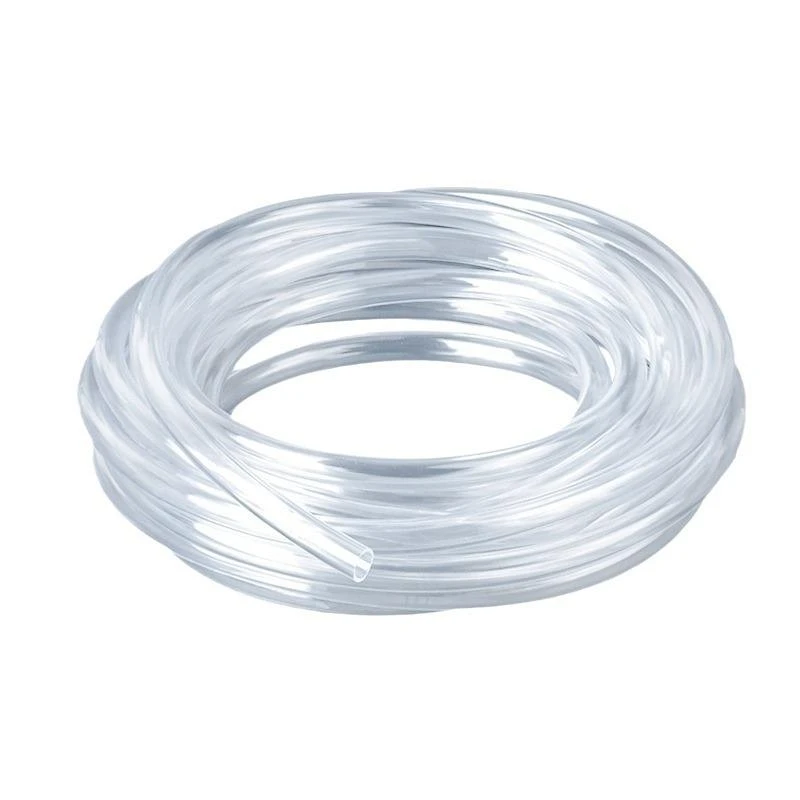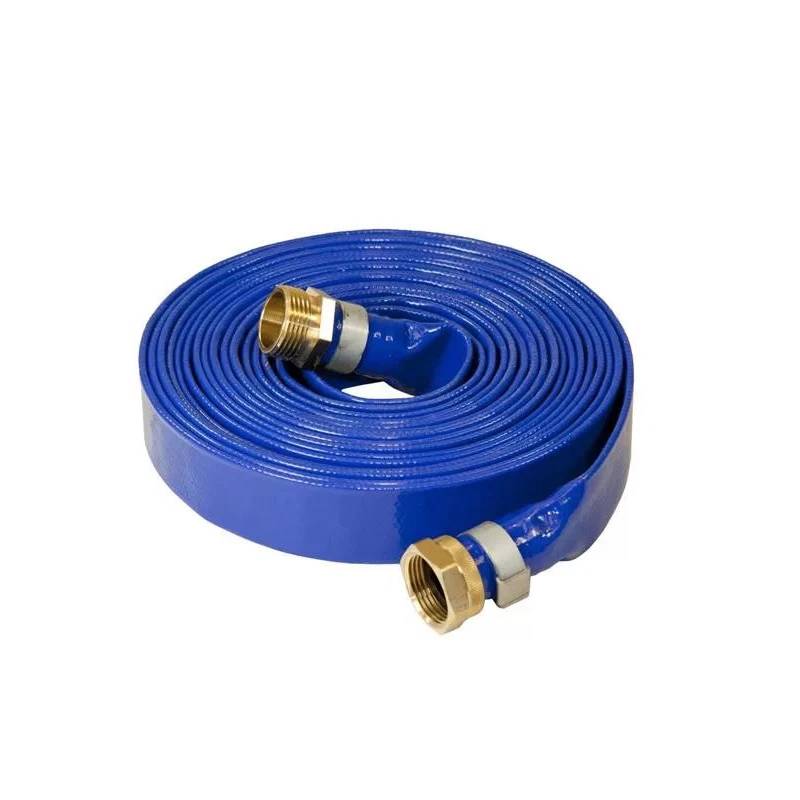
Understanding the 3 4 Chemical Hose: A Global Industrial Essential
If you've ever wondered how hazardous liquids safely move through factories, labs, or even remote disaster zones, you're probably thinking about something like the 3 4 chemical hose. It's a bit of a niche term but a surprisingly vital one worldwide. By grasping what this hose is and why it matters, industries from chemical manufacturing to humanitarian relief can better manage safety, efficiency, and durability — all critical in our fast-evolving world.
Introduction: The Global Importance of 3 4 Chemical Hose
Across the globe, chemical processing industries have been steadily expanding, with the International Organization for Standardization (ISO) highlighting the increasing need for reliable chemical transfer equipment.[1] The 3 4 chemical hose, denoting its nominal diameter of three-quarter inches (¾"), is a key player here. It’s a versatile connector designed to move various chemicals safely. Given the global chemical market is projected to reach trillions of dollars by 2025,[2] the demand for robust and safe hoses like these continues to climb.
The problem? Chemicals are often corrosive, volatile, or toxic — which means any hose failure could lead to environmental disasters or safety hazards. Thus, the 3 4 chemical hose helps offset these risks by offering durable, standardized, and adaptable tubing solutions for moving chemicals.
What Exactly Is a 3 4 Chemical Hose?
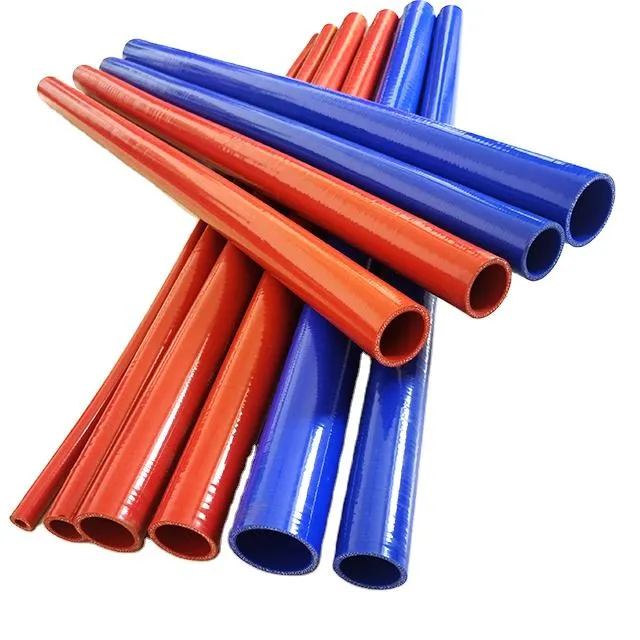
To put it simply, a 3 4 chemical hose is a flexible tube designed specifically to transport chemicals safely. The "3 4" refers to its inner diameter — three-quarter inches — a common size for controlled flow in industrial and commercial settings.
Such hoses are composed of chemical-resistant materials such as EPDM (ethylene propylene diene monomer), PTFE, or nitrile rubber, often reinforced for added strength. This combination ensures they can handle harsh substances without degrading, which is essential not only in factories but often in emergency response environments.
In real terms, if industries or agencies did not use these specialized hoses, they'd likely face leaks, spills, and contamination, which can be catastrophic on many levels.
Core Components and Key Features of 3 4 Chemical Hoses
1. Chemical Resistance
Arguably the most critical attribute. These hoses resist degradation from acids, bases, solvents, and even aggressive cleaning agents. The type of chemical determines the hose material selection, ensuring compatibility and long-term safety.
2. Durability and Reinforcement
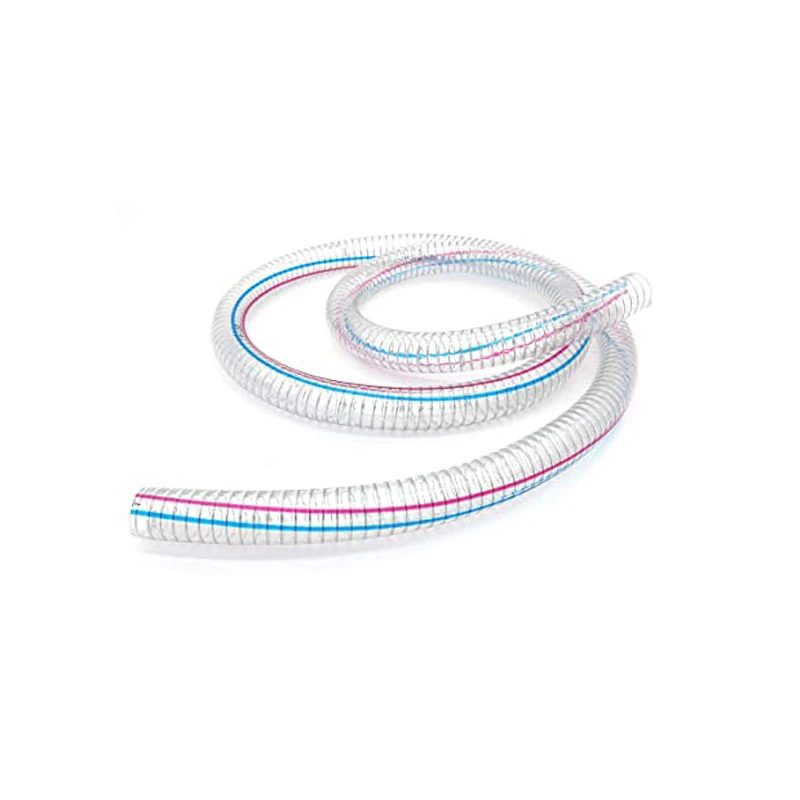
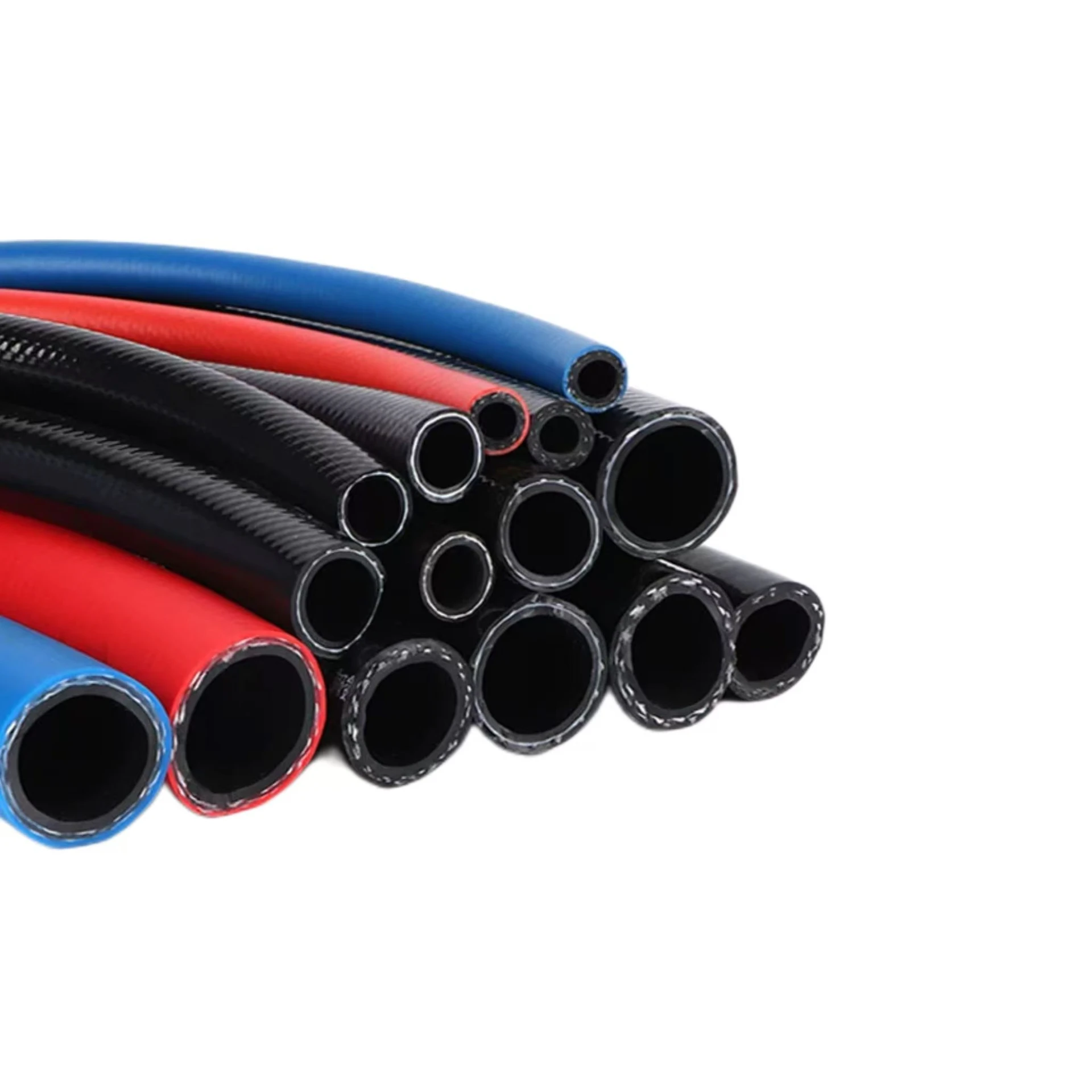
Beyond materials, hoses include layers of polyester braid or steel wire reinforcement. This adds tensile strength, making them resistant to bursting or kinking under pressure or repeated use.
3. Flexibility and Weight
Despite their robustness, they remain flexible enough for easy installation in tight spaces — a must in industrial piping or mobile chemical tanks.
4. Temperature and Pressure Ratings
These hoses handle a broad temperature range (from subzero to over 150°C, depending on design) and pressure levels, which must align with the chemical’s handling requirements.
5. Safety Certifications
They often carry ISO, SAE, or other certifications ensuring compliance with international safety standards — a big plus for quality assurance.
Mini Takeaway:
The 3 4 chemical hose isn’t just a pipe but a carefully engineered solution balancing resistance, strength, and flexibility for safe chemical transfer.
Global Applications and Use Cases
- Chemical Manufacturing Plants: Regularly use 3 4 chemical hoses in pipelines to transport acids, solvents, and other materials safely between processing units.
- Pharmaceutical Industry: Employ these hoses for inert transfer of active ingredients, where contamination control is critical.
- Water Treatment Facilities: Often rely on these hoses to inject or transfer chemical agents like chlorine or flocculants.
- Disaster Relief Operations: NGOs working in disaster zones sometimes carry portable chemical hoses to manage fuel or disinfectant dispensing safely.
- Remote Mining Sites: Use chemical hoses in slurry or reagent transport where space and conditions make traditional piping infeasible.
Oddly enough, the size might feel modest, but you often find 3 4 chemical hoses right in the thick of critical operations worldwide.
Advantages & Long-Term Value of the 3 4 Chemical Hose
Why choose a 3 4 chemical hose? For starters, these hoses blend safety with economy. Their chemical compatibility reduces maintenance and replacement costs. They limit environmental exposure to harmful leaks — a major social and regulatory concern. Reliability here also means peace of mind, especially when transporting hazardous substances.
The emotional side isn’t often discussed, but safety engenders trust among employees and communities. Innovation in the hose’s material science and design adds longevity and sustainability too — fewer resources wasted, fewer incidents risked.
| Specification | 3 4 Chemical Hose Typical Values |
|---|---|
| Inner Diameter | 0.75 inches (19.05 mm) |
| Length | Customizable (usually 10-50 feet) |
| Working Pressure | Up to 300 psi (depending on reinforcement) |
| Temperature Range | -40°C to +150°C |
| Material | EPDM / Nitrile / PTFE options |
Future Trends & Innovations
Looking ahead, manufacturers are integrating digital sensors inside hoses — smart hoses — to monitor pressure and detect leaks in real-time. This shift towards “Industry 4.0” means better preventive maintenance and higher safety margins.
Sustainability is a hot topic too. There’s growing research into biodegradable or recyclable chemical hoses, which could disrupt traditional manufacturing norms. Plus, new composites are making hoses lighter, stronger, and even more chemical resistant.
Vendor Comparison: A Quick Look at Leading 3 4 Chemical Hose Providers
| Vendor | Material Options | Pressure Rating | Price Range | Certifications |
|---|---|---|---|---|
| SmartFlex Hose | EPDM, PTFE | Up to 350 psi | $$$ | ISO 9001, CE |
| FlexiChem Solutions | Nitrile, EPDM | Up to 300 psi | $$ | ISO 14001 |
| Global Chem Hose Ltd. | PTFE, Nitrile | Up to 320 psi | $$$ | CE, FDA Compliant |
Common Challenges and Smart Solutions
Challenges with 3 4 chemical hoses often include premature wear from incompatible chemicals, damage from extreme environmental conditions, or improper installation causing leaks. Many engineers say consistent training and precise material matching are the most effective answers.[3] Innovation like automated hose inspection and integration with plant control systems helps nip potential failures in the bud.
Frequently Asked Questions About 3 4 Chemical Hose
- Q1: What chemicals are safe to transport with a 3 4 chemical hose?
- A: Most 3 4 chemical hoses are designed for a wide range of chemicals, including acids, alkalis, solvents, and oils. However, exact compatibility depends on the hose material (e.g., PTFE for aggressive acids vs. nitrile for oils). It's crucial to check manufacturer compatibility guides for your specific chemical.
- Q2: How often should a 3 4 chemical hose be replaced or inspected?
- A: Typically, hoses should be inspected before each use and replaced every 1–3 years depending on usage intensity, operating conditions, and manufacturer recommendations. Signs of wear, cracks, or brittleness are indicators for replacement.
- Q3: Can a 3 4 chemical hose be used outdoors in extreme weather?
- A: Yes, but only if specified for such conditions. Many hoses have UV resistance and can withstand temperature extremes. Still, prolonged exposure to sunlight and weather may reduce lifespan, so proper storage when not in use is advised.
- Q4: Are there customization options for length or fittings on these hoses?
- A: Absolutely. Most vendors, including 3 4 chemical hose suppliers, offer custom lengths and a variety of fittings to suit specific industrial needs.
Conclusion
The 3 4 chemical hose is definitely more than a simple conduit; it’s a small but critical cog in the machinery keeping industries and emergency services running smoothly and safely. Whether you're moving solvents in a factory or disinfectants in a disaster zone, understanding the value and specifics of these hoses can help optimize safety and performance in the long run.
Want to source trusted, customizable solutions? Visit our website today: https://www.zsmartflexhose.com.
Thanks for reading — it feels good to know just how much turns on the humble hose!
Takeaway: When handled right, 3 4 chemical hoses are small investments that pay off big in safety, reliability, and peace of mind.
- ISO - International Organization for Standardization: Chemical Hose Standards, iso.org
- World Bank Data on Global Chemical Industry Growth, worldbank.org
- Hose Safety Recommendations, Industrial Engineering Society Journal, 2022
Z-Smartflex delivers superior-quality industrial hoses and fittings with global reliability, offering you durable solutions and exceptional service for all your fluid transfer needs.