7 8 ID Rubber Hose: A Workhorse You Can Rely On
After spending over a decade working directly with industrial equipment—pumps, compressors, and all the gear in between—I can honestly say that selecting the right hose isn’t glamorous, but it’s absolutely crucial. The 7 8 ID rubber hose is one of those somewhat unsung heroes you find everywhere once you start looking closely. It’s just the right diameter for so many fluid transfer setups; oddly enough, it fits that sweet spot of easy handling and solid internal volume.
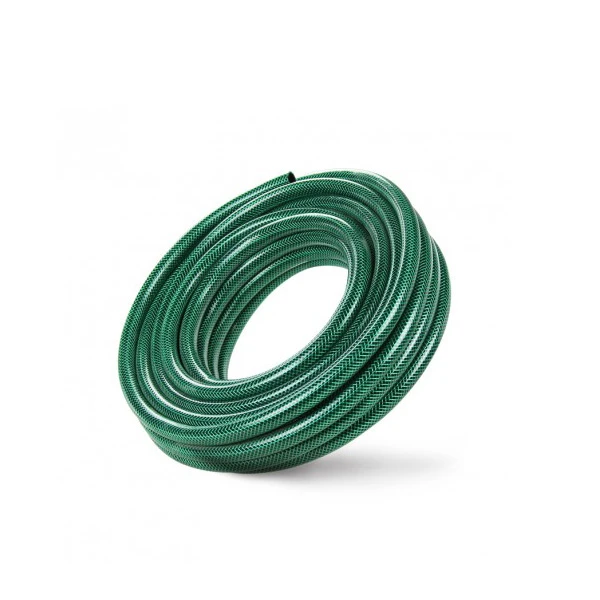
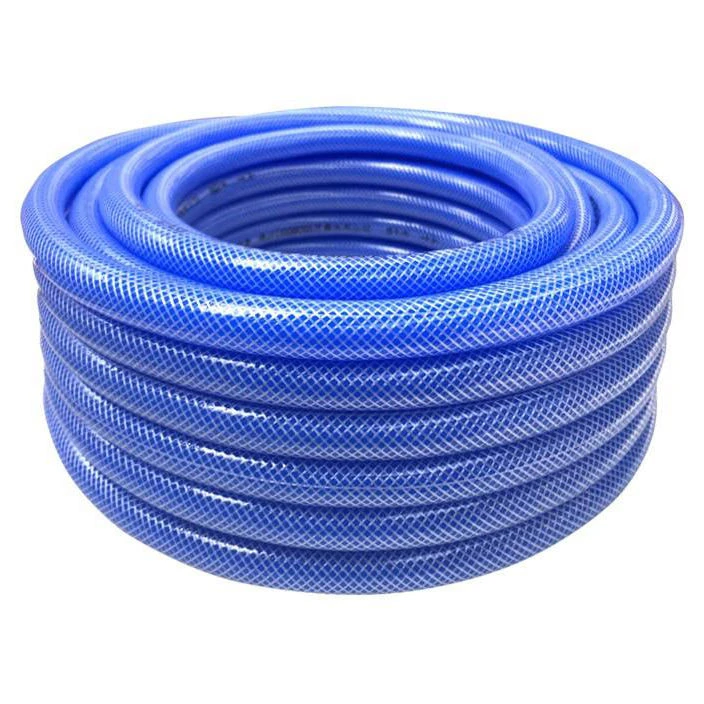
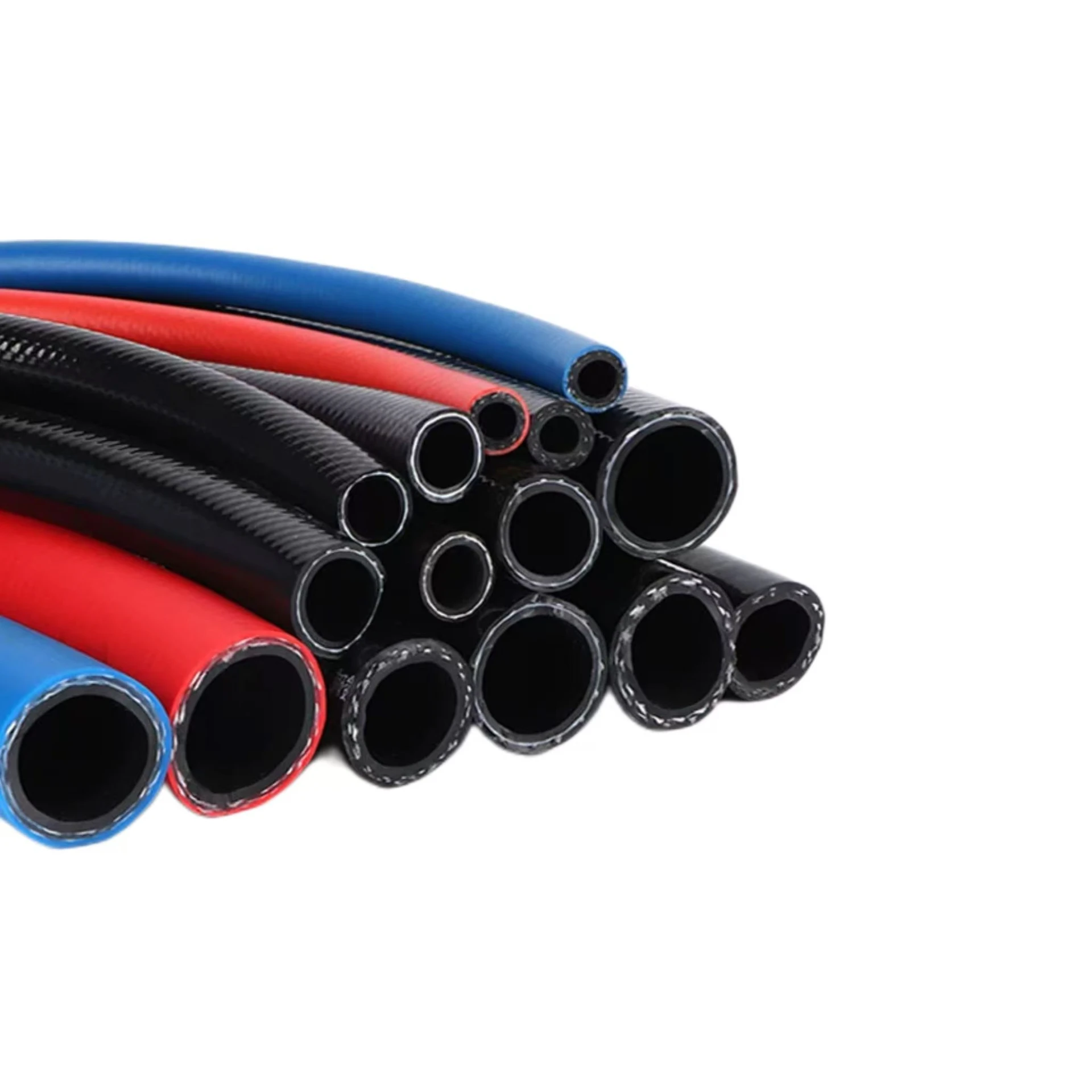
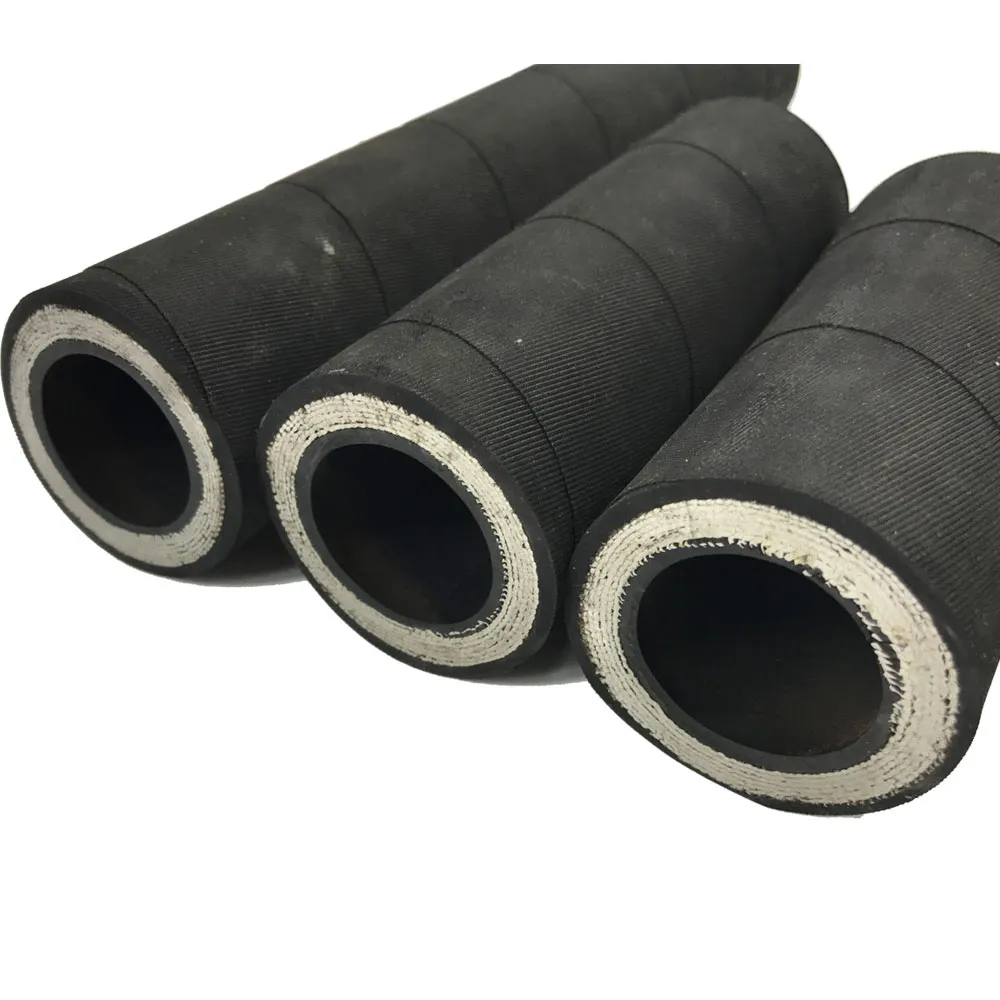
Let me walk you through what makes this hose a staple in many plants. Most industrial-grade rubber hoses with a 7/8 inch internal diameter come with layers of synthetic rubber, reinforced with polyester or sometimes braided textile to withstand pressures and abrasion. You might think, “It’s just rubber! What’s so technical?” But the truth is, the formulation and layer construction often mean the difference between a hose that leaks after a couple of months and one that keeps going for years—even in harsh chemical or oil environments.
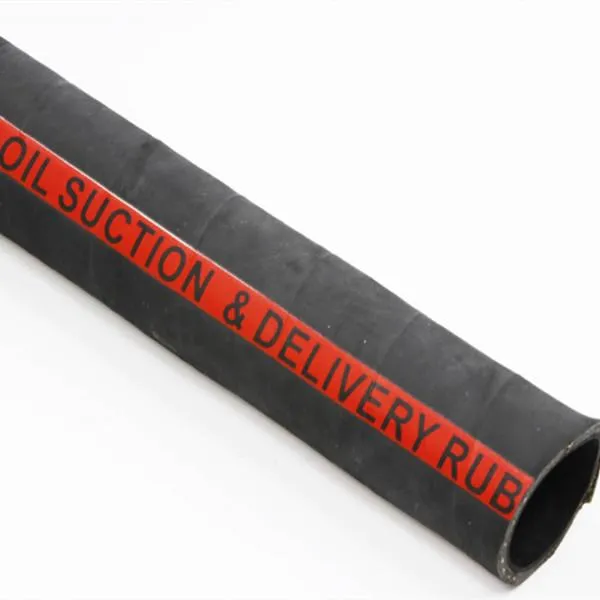
In real terms, these hoses must pass rigorous bend radius testing and pressure endurance. Many engineers I’ve talked to say the ability to flex repeatedly without kinking is what really makes or breaks operational reliability. This is especially true if the hose is used to move petroleum products, hydraulic fluids, or coolants where any failure introduces costly downtime or safety risks.
Here’s a quick rundown of typical specs you’ll see on a quality 7 8 ID rubber hose:
| Specification | Details |
|---|---|
| Internal Diameter | 7/8 inch (22.2 mm) |
| Working Pressure | 250 psi (typical) |
| Temperature Range | -40°F to 212°F (-40°C to 100°C) |
| Material | Synthetic rubber with textile reinforcement |
| Applications | Fuel transfer, water lines, hydraulic fluid, air supply |
Now, where you get the hose from matters just as much as the hose itself. Vendors differ in material quality, customization options, and of course, pricing. Honestly, when I was sourcing these for our hydraulic machines, I found the customer support to be a deciding factor. It’s odd how often companies say “standard product” but then can’t configure a hose with the exact length or fittings you need.
To give you a clearer picture, here’s a quick comparison of three well-known vendors offering 7 8 inch ID rubber hoses:
| Vendor | Max Pressure | Customization | Typical Lead Time | Price Range (per 10 ft) |
|---|---|---|---|---|
| ZSmartFlexHose | 300 psi | Fully Customizable | 5-7 days | $$$ |
| AlphaFlex | 250 psi | Limited Length Options | 7-10 days | $$ |
| FlexPro | 200 psi | Standard Configurations Only | 3-5 days | $ |
One story I remember vividly involves a customer running a fleet of mobile fueling trucks. They switched to a 7 8 ID rubber hose from ZSmartFlexHose because the previous hoses kept cracking at the bends—major headache when you’re on the road. The customized lengths plus reinforced layers meant fewer breakdowns and better safety compliance. It’s small things like this that really make me appreciate how important the “right” hose is. You don’t notice it—until it fails.
To sum up, the 7 8 ID rubber hose device is more than just a flexible tube; it’s a vital component that can quietly help your operations run without a hitch. If you’re after reliability, pressure endurance, and flexibility, getting familiar with the specs and trusted suppliers can save you a world of trouble down the line. Frankly, in the industrial hoses world, this size is such a classic choice for many applications—it feels like a dependable old friend.
And you know, sometimes the best products are the ones you don’t think twice about—until, suddenly, you really miss them.
- Industrial Hose Testing Standards, ASTM F1122-18
- Petroleum Transfer Hose Properties, Journal of Mechanical Engineering, 2020
- ZSmartFlexHose Product Catalog, 2024
In my years, I’ve seen hoses come and go, but the 7 8 ID rubber hose keeps proving it’s here to stay.
Z-Smartflex delivers superior-quality industrial hoses and fittings with global reliability, offering you durable solutions and exceptional service for all your fluid transfer needs.