The Industrial Hydraulic Hose: A Quiet Backbone of Global Industry
If you’ve ever wondered what keeps massive industrial machines running smoothly, or how heavy construction and manufacturing sites maintain their relentless tempo, the humble industrial hydraulic hose is often the unsung hero. These specialized hoses are crucial for transferring fluid power—hydraulic oil, water, or other liquids—and are found everywhere, from construction cranes in Dubai to underground mining operations in Australia.
Why should we care? Well, these hoses literally carry a quarter or more of the world’s industrial power transmission needs. Understanding their role will shed light on modern engineering, industry reliability, and even critical sectors like disaster relief and humanitarian logistics. Frankly, these hoses connect more than just hydraulic pumps — they connect complex systems that power human progress.
Setting the Stage: Why Industrial Hydraulic Hoses Matter Globally
Globally, according to data from the International Organization for Standardization (ISO) and the World Bank, industries that depend on hydraulic systems contribute roughly 15% of the manufacturing sector’s output. Hydraulic hoses—the flexible conduits that make fluid power mobile—enable heavy machinery to operate under high pressure and in harsh conditions.
The challenge? Hydraulic systems face wear and tear, environmental exposure, and operational demands that push their limits. Without durable hoses, downtime skyrockets, costs spike, and safety hazards multiply. For example, in mining, hose failure can translate into spills, delays, or even accidents—none of which anyone wants.
Hence, investing in elite hydraulic hose technology is not just a cost but an insurance policy for operational continuity. It’s also an untapped opportunity for innovation and sustainability, a point that many industry specialists are increasingly aware of.
What Exactly Is an Industrial Hydraulic Hose?
At its core, an industrial hydraulic hose is a high-pressure flexible tube designed to convey hydraulic fluid between components. Unlike standard pipes, these hoses need to flex, twist, and resist abrasion to operate safely in complex environments.
Think of it as a vital artery for machines, connecting pumps, valves, cylinders, and motors. Its design ensures fluid moves without leaks under extreme pressure—often above 3000 psi. Without it, machines like excavators, forklifts, and even aircraft landing gear wouldn't function reliably.
This connection goes beyond industry too: in humanitarian engineering projects, such as pumping water in disaster zones, these hoses support lifesaving operations where standard rigid tubing fails.
Core Components Driving Industrial Hydraulic Hose Performance
1. Durability & Materials
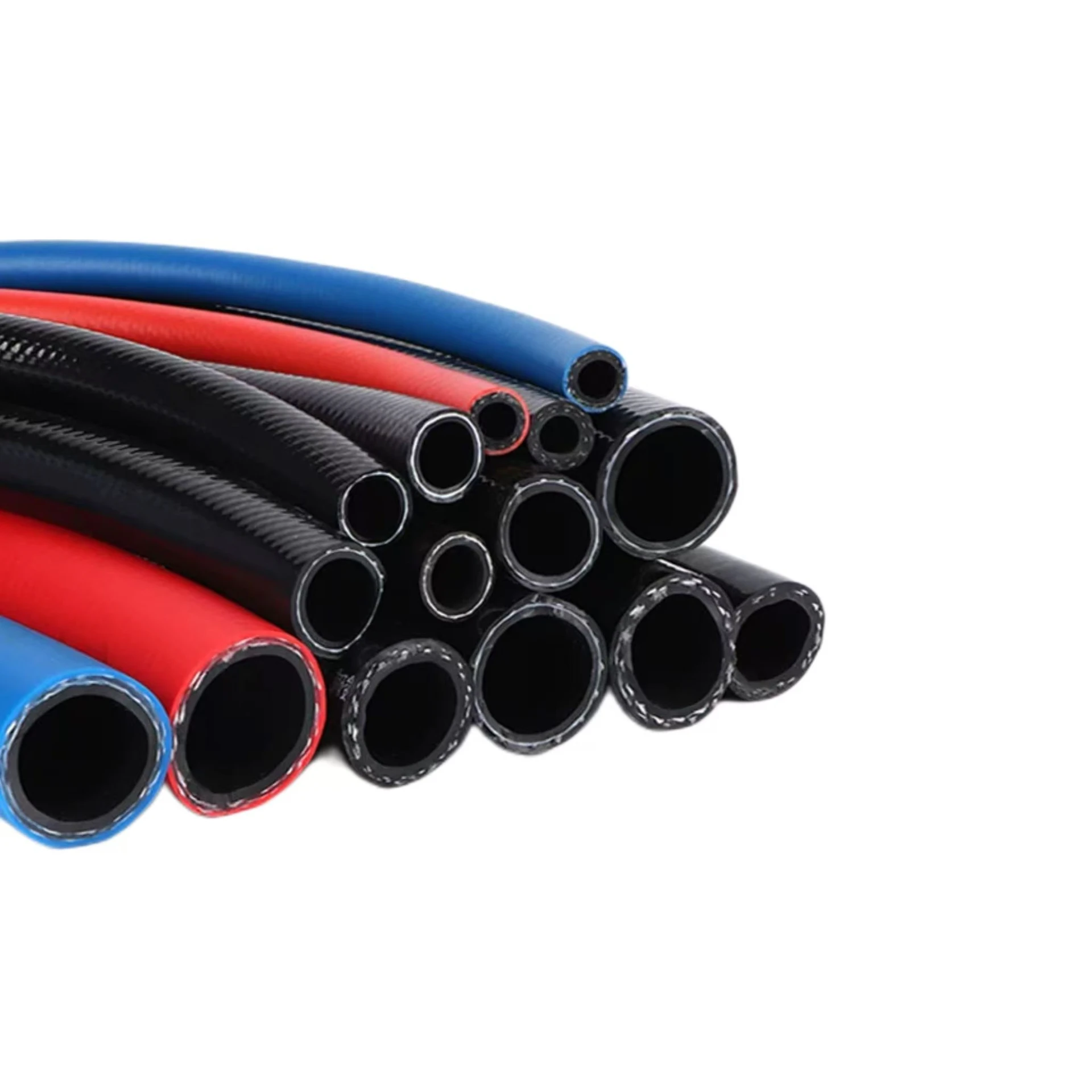
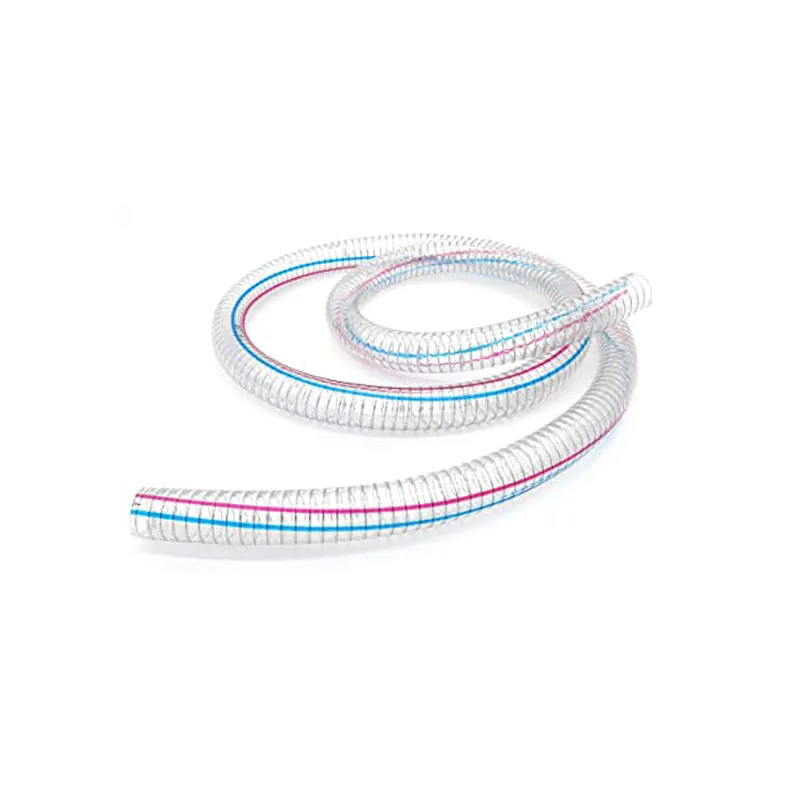
Industrial hydraulic hoses use hybrid materials—often synthetic rubber, thermoplastics, and braided steel mesh—to resist heat, pressure, and chemicals. The outer jacket resists abrasion and weathering. Many engineers note that material innovation is the secret sauce to hose longevity, especially in environments like offshore oil rigs.
2. Pressure Ratings & Standards
Pressure tolerance is usually measured in psi or bar, with hoses rated anywhere from 1000 psi for light equipment to over 6000 psi for heavy industrial use. Complying with ISO 18752 or SAE J517 standards ensures the hose meets safety and reliability benchmarks.
3. Flexibility & Bend Radius
Flexibility determines how easily hoses can route around tight machine components. A smaller bend radius means the hose can take sharper turns without kinking, which is crucial in confined spaces like robotic arms or assembly lines.
4. Compatibility with Fluids
Whether the hose carries oils, water-glycol fluids, or specialized synthetic hydraulic fluids, compatibility is critical to avoid degradation or leaks. Some hoses are designed specifically for bio-based fluids, aligning with sustainability goals.
5. Installation & Maintenance
Easy installation features like crimp fittings reduce downtime. Meanwhile, monitoring for wear, cracks, and leaks prevents catastrophic failures.
| Specification | Typical Metric | Common Standard |
|---|---|---|
| Pressure Rating | 2000–6000 psi (138–414 bar) | ISO 18752, SAE J517 |
| Outer Diameter | 0.5–3 inches (12.7–76.2 mm) | Varies by application |
| Bend Radius | 5–15 inches (127–381 mm) | Manufacturer specified |
| Temperature Range | -40°C to +125°C (-40°F to +257°F) | ASTM D2000 |
Global Applications of Industrial Hydraulic Hose
Hydraulic hoses power machinery across continents:
- Mining: Australia's vast mines deploy hoses to move heavy mining equipment hydraulics that dig and crush.
- Construction: In fast-growing cities like Shanghai, hoses enable cranes and excavators to perform precise, powerful tasks.
- Oil & Gas: Offshore rigs in the North Sea rely on hoses resistant to saltwater corrosion and extreme pressure.
- Humanitarian Aid: In post-disaster scenarios, quick-install hydraulic pumps use hoses to provide clean water or power temporary infrastructure.
For example, after the 2010 Haiti earthquake, hydraulic systems with durable hoses were critical in rubble removal and water supply restoration—underscoring the hoses’ unexpected but real social value.
Advantages & Long-Term Value of Using High-Quality Hoses
Beyond just functioning, high-grade industrial hydraulic hoses bring cost efficiency through fewer replacements and less downtime. They contribute to safety, significantly reducing leak risks that cause environmental hazards.
Moreover, innovations in materials mean some hoses are now recyclable or compatible with biofluids, aligning with sustainability. This gives companies an edge on environmental responsibility without compromising performance.
Customers often mention trust—knowing their machinery won't unexpectedly fail thanks to reliable hoses—and the quiet peace of mind that comes from that. It’s innovation and reliability rolled into a small but mighty component.
Emerging Trends and Innovations in Hydraulic Hose Technology
The future involves smart hoses embedded with sensors that monitor pressure, temperature, and wear in real time—dramatically improving maintenance cycles. Nanomaterial reinforcements promise lighter, stronger, and more flexible hoses.
Digital twins and IoT integrations mean companies can detect failing hoses before leaks happen, moving from reactive to predictive maintenance. And environmentally, hoses compatible with green hydraulic fluids help industries inch closer to carbon-neutral goals.
The Real Challenges—and How Industry Addresses Them
Hose failure is still a leading cause of hydraulic system downtime, often caused by improper installation, abrasion, or fluid incompatibility. This leads to costly repairs and environmental spills.
Experts urge rigorous testing and on-site inspections, while vendors innovate with tougher outer jackets and better sealing fittings. Training programs for workers reduce installation errors, and many organizations run hose management systems to track service life.
| Vendor | Product Range | Innovation Focus | Warranty |
|---|---|---|---|
| HydroFlex Inc. | Wide: mining, construction, biofluids | Sensor-embedded hoses | 5 years |
| SmartHose Tech. | Niche: high-temp & high-pressure | Nanomaterial infused | 3 years |
| EcoTough Solutions | Biofluid and recycled materials | Sustainability & recyclability | 4 years |
FAQ: Practical Questions About Industrial Hydraulic Hose
Q1: How long does a typical industrial hydraulic hose last under continuous operation?Generally, industrial hydraulic hoses last between 3 to 5 years, depending on usage, pressure, and environmental factors. Regular inspections and proper installation can extend this lifespan substantially.
Q2: Can industrial hydraulic hoses be used outdoors in harsh weather?Yes, most hoses are designed with abrasion-resistant jackets and materials rated for extreme temperatures and UV exposure. However, it’s vital to choose a hose rated for your specific weather conditions.
Q3: Are there hoses compatible with environmentally friendly hydraulic fluids?Absolutely. Several hoses today are designed explicitly for use with bio-based hydraulic fluids and meet strict environmental standards. This helps industries meet sustainability targets without sacrificing performance.
Q4: How can I ensure correct installation and maintenance of hydraulic hoses?It’s recommended to use trained technicians for hose installation and to follow manufacturers’ guidelines strictly. Regular inspections for cracks, bulges, or leaks can prevent failures.
Wrapping Up: Why Industrial Hydraulic Hose Matter More Than You Think
In essence, the industrial hydraulic hose is a deceptively simple but essential component keeping modern industry moving. It bridges technology and practicality, safety and efficiency, innovation and tradition. Investing time to understand these hoses pays off in operational reliability, cost savings, and sustainability impact.
If you want to explore durable, innovative hose solutions for your projects, visit https://www.zsmartflexhose.com – because behind every powerful machine is a hose doing its job quietly but effectively.
References:
1. ISO 18752: Hydraulic hoses
2. SAE J517 Standards
3. Hydraulic Hose - Wikipedia
Z-Smartflex delivers superior-quality industrial hoses and fittings with global reliability, offering you durable solutions and exceptional service for all your fluid transfer needs.