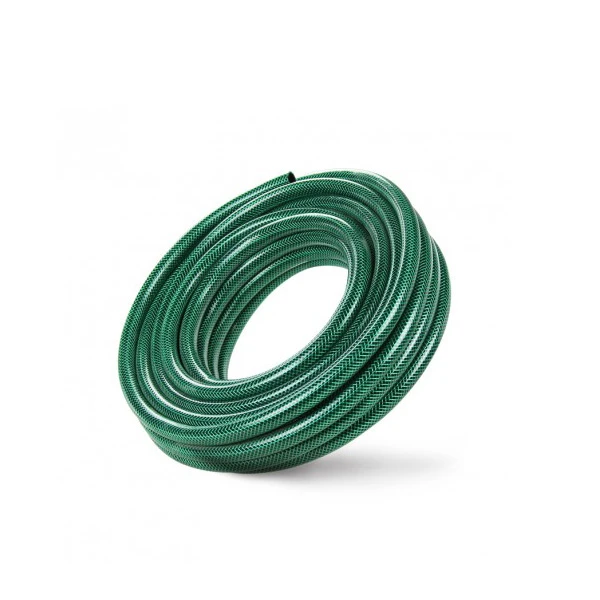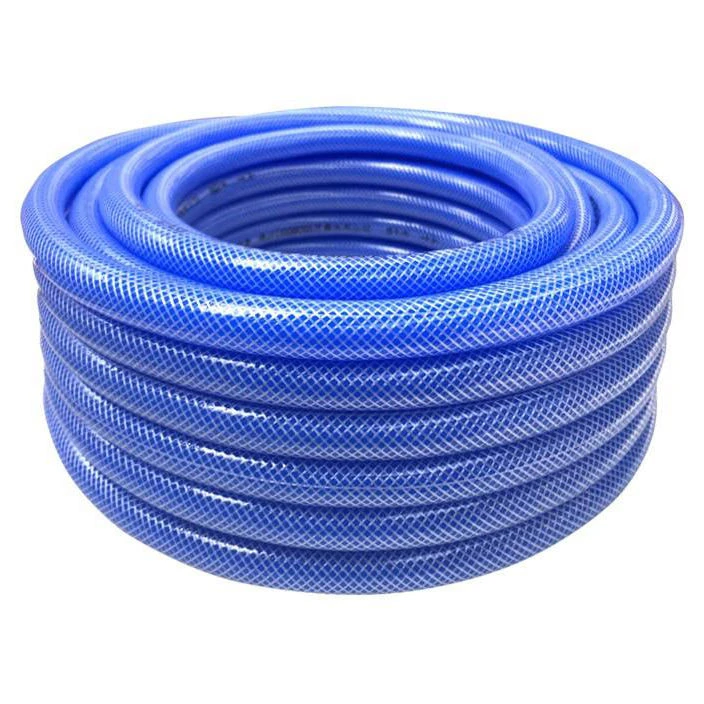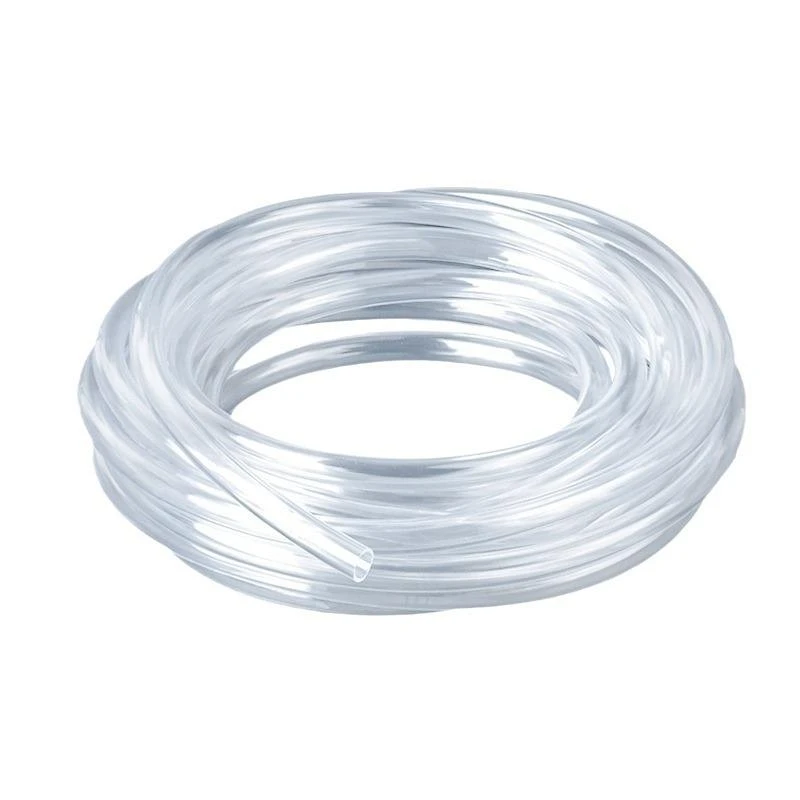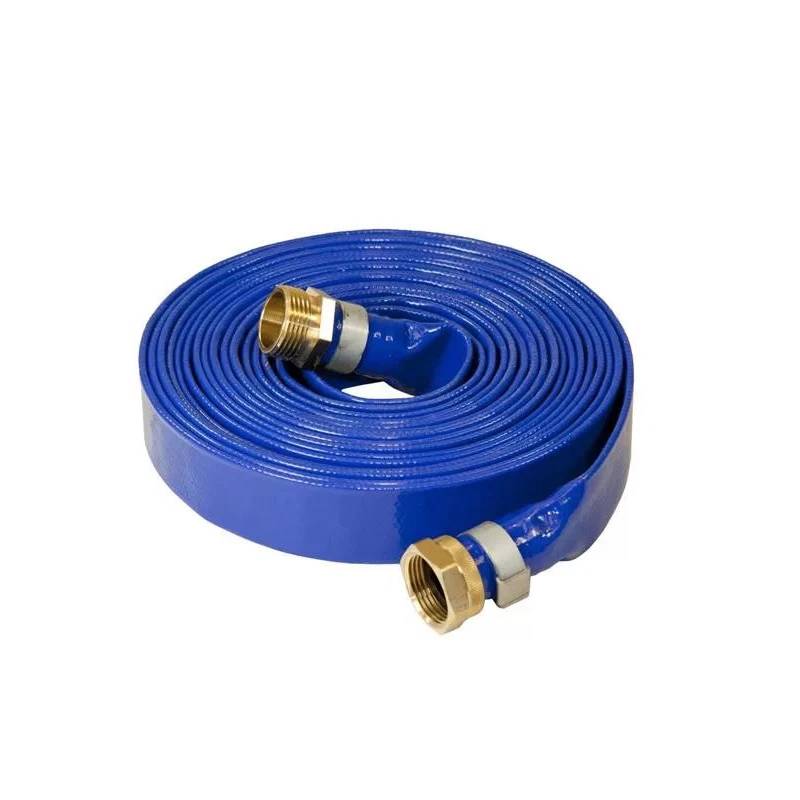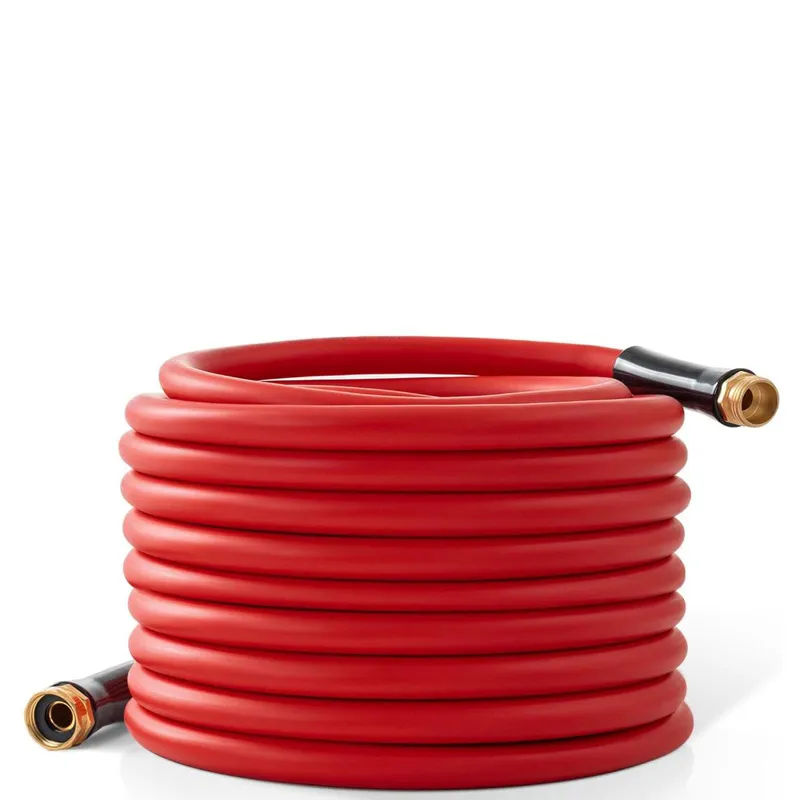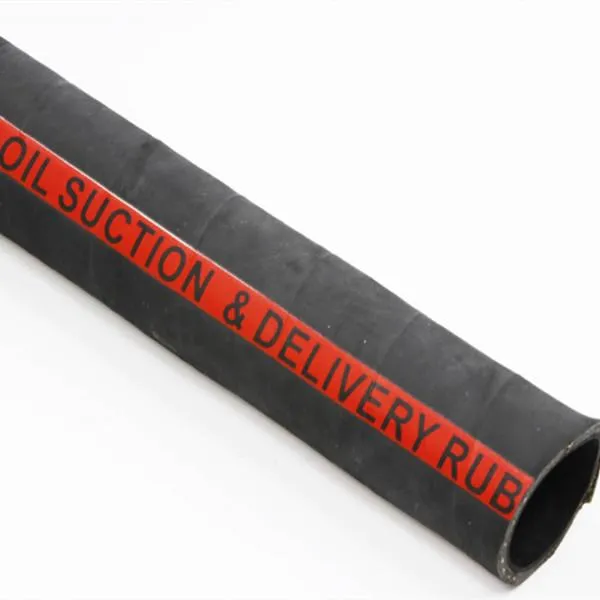
Understanding the 75mm Rubber Hose: A Workhorse in Industrial Applications
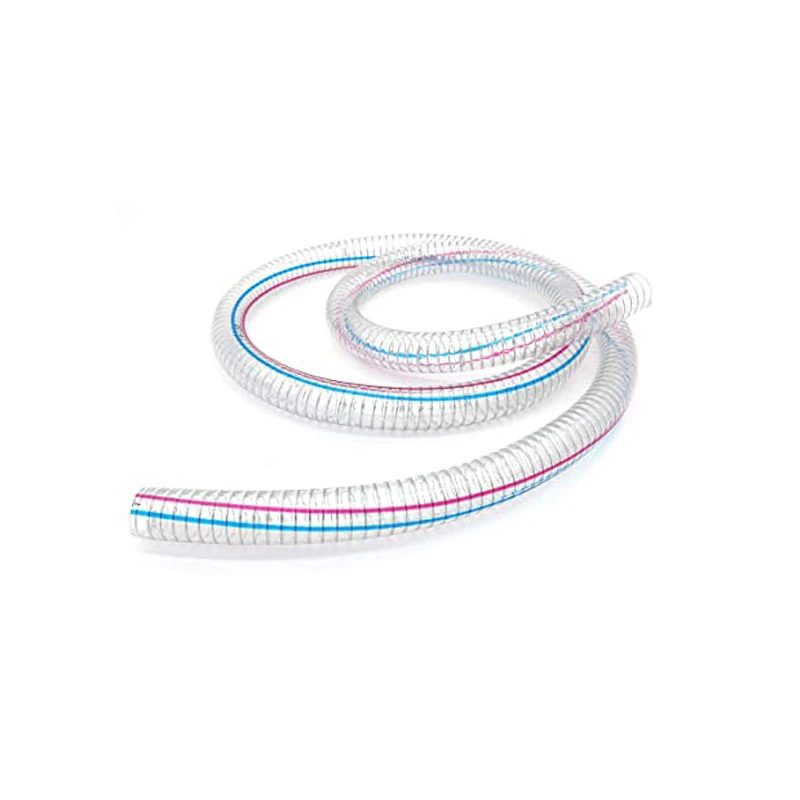
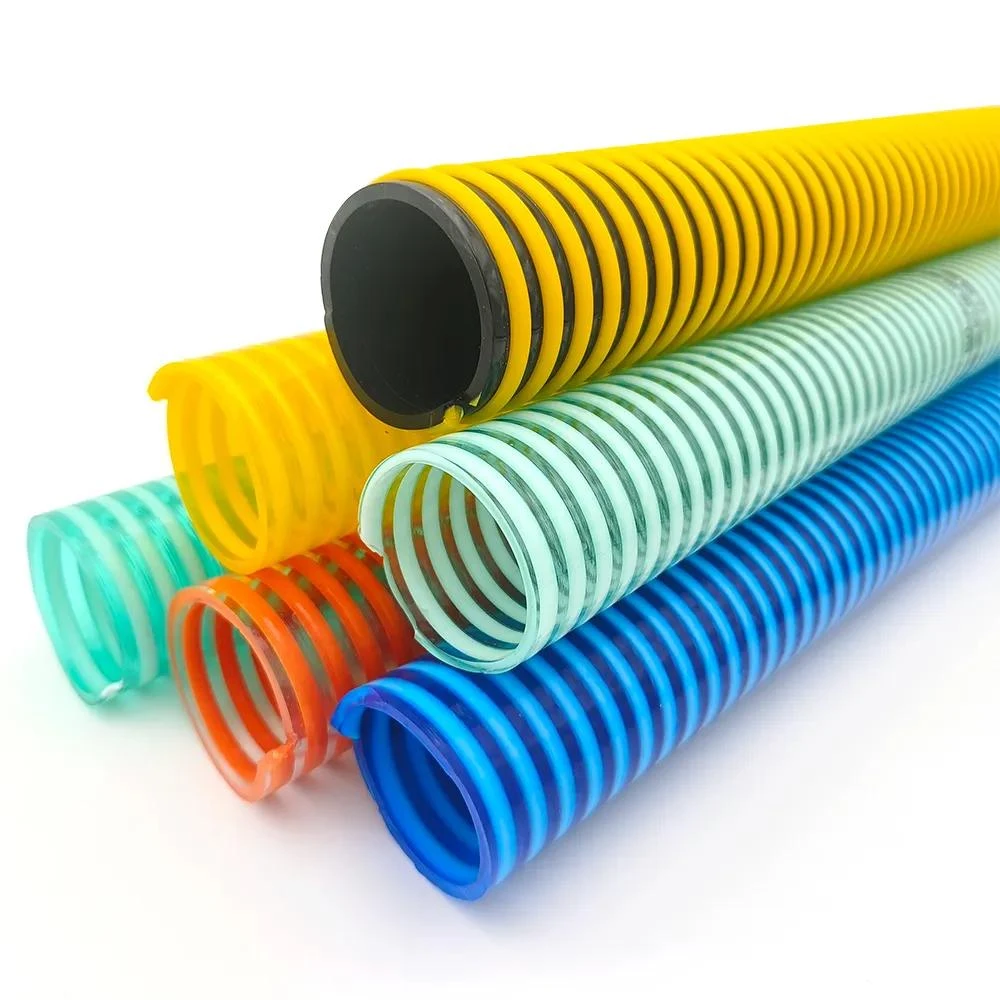
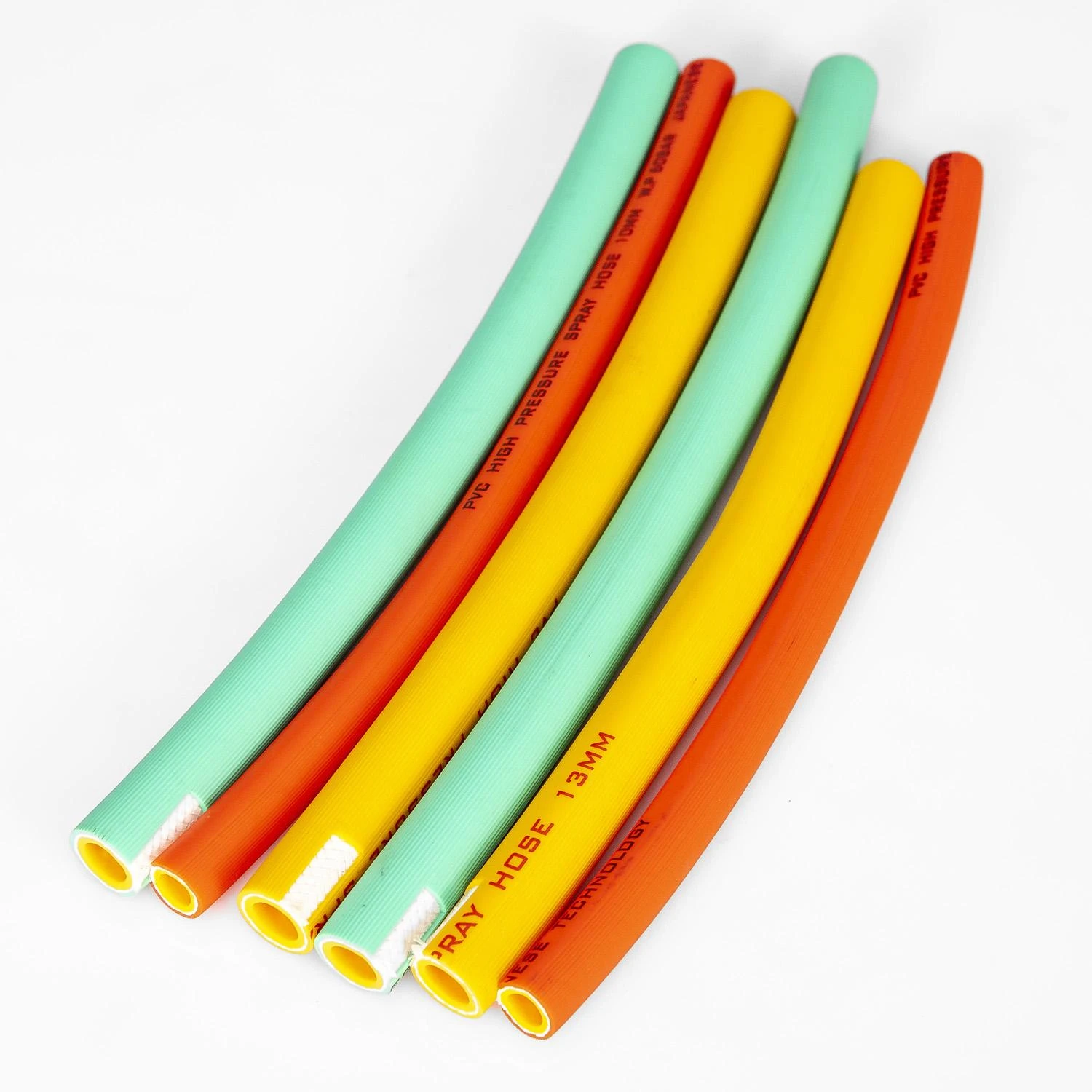
Having been around heavy machinery and factory floors for years, I can say that certain components quietly keep operations running without much fuss. The 75mm rubber hose is undoubtedly one of those unsung heroes in the industrial sector. Yes, hoses might not get the spotlight, but believe me, they’re essential – often handling everything from water and air to chemicals under demanding conditions.
Seriously, when you see a thick rubber hose with a 75mm diameter in your workshop or on a site, you know you’re dealing with something robust enough for many versatile roles. Oddly enough, I’ve come across engineers who swear by these hoses even in environments where metal piping seems more traditional. Why? Flexibility, resistance, and ease of installation, for starters.
What Makes a 75mm Rubber Hose Stand Out?
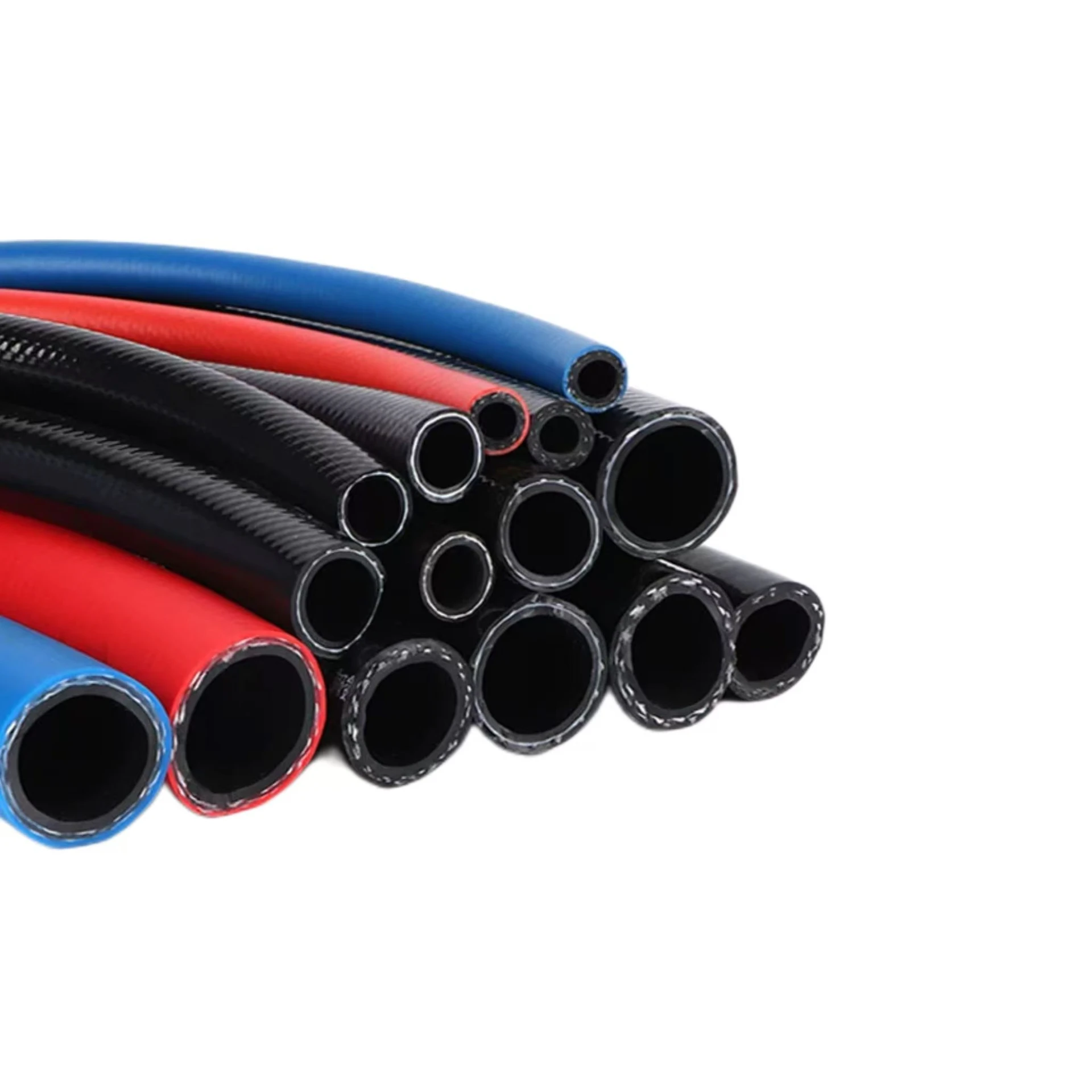
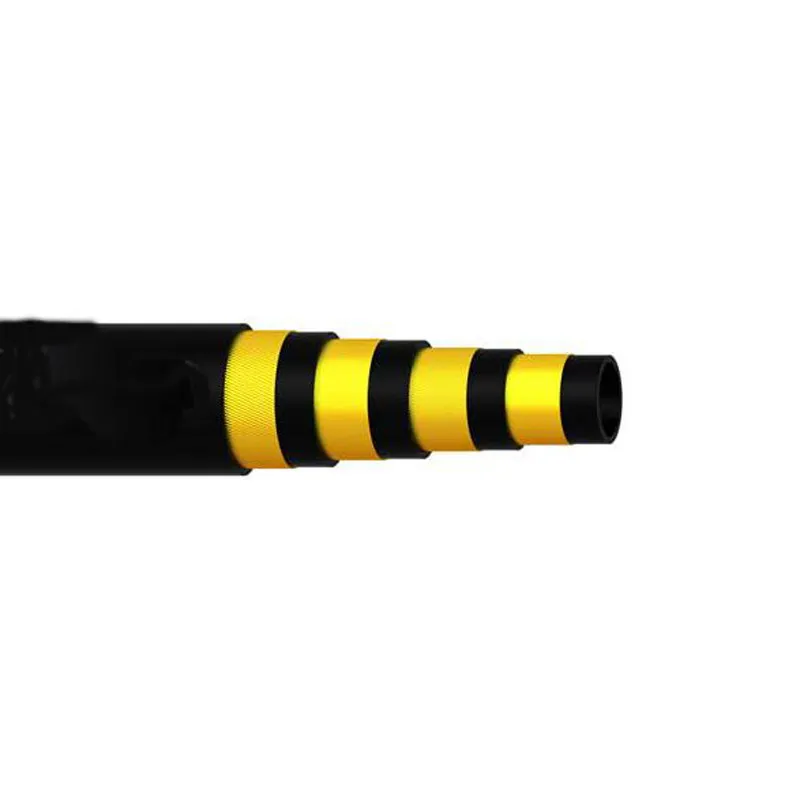
Well, it’s mostly about the build. The typical rubber composition often includes natural and synthetic blends, designed to cope with abrasion and a range of temperatures. The hose’s wall thickness and reinforcement layers (often polyester or nylon braids) make a huge difference when it comes to burst pressure and longevity. It’s fair to say that the quality of materials and manufacturing techniques can vary widely between brands, so knowing what you’re buying matters. From my experience, hoses that undergo stringent testing—like hydrostatic and vacuum tests—save headaches down the road.
| Specification | Details |
|---|---|
| Inner Diameter | 75 mm (approx. 3 inches) |
| Material | Reinforced synthetic rubber blend |
| Operating Temperature | -40°C to +80°C |
| Working Pressure | 10 bar (approx. 145 psi) |
| Common Uses | Air, water, mild chemicals, fuel transfer |
| Length Options | Custom lengths available (typically up to 50m reels) |
Picking the Right Supplier: What I’ve Learned Over Time
In real terms, not all 75mm rubber hoses are created equal. When shopping around, I noticed large differences in pricing, quality, and delivery times. Many engineers I know recommend sticking with reputable vendors who can provide clear specs and certifications — sometimes, that’s worth paying a little extra for. To give you a clearer picture, here’s a quick comparison I gathered while working on a recent plant retrofit:
| Vendor | Price per meter | Material Quality | Standard Certifications | Lead Time |
|---|---|---|---|---|
| ZSmart Flex Hose | $6.50 | High (synthetic reinf.) | ISO 9001, CE | 1–2 weeks |
| Industrial Hoses Co. | $5.80 | Medium (natural rubber) | ISO 9001 | 3–4 weeks |
| Quick Supply Ltd. | $6.00 | Variable | None stated | 1 week |
I recall one project where the plant needed quick hose replacement due to unexpected wear. The supplier we used was ZSmart Flex Hose, and their 75mm rubber hose held up far better than previous alternatives. That durability saved a ton of downtime and frustration for the maintenance team.
Customization is another advantage. A lot of vendors, especially experienced ones, will tailor length, fittings, or external coatings if you need something specific—this isn’t just handy, it sometimes makes the difference between a perfect fit and recurring issues.
Anyway, I suppose the takeaway here is that the 75mm rubber hose definitely has its niche. It feels like the perfect balance of strength, flexibility, and practicality for a wide range of industrial jobs, and choosing a trusted vendor is key to getting the best lifespan out of it. No need to overthink the specs, but knowing the basic details and what to expect can save a lot of hassle.
So next time you’re in the field or reviewing equipment orders, you might give this humble component a bit more respect. After all, it’s those tough little hoses that keep fluids flowing—and sometimes, that’s everything.
References:
- Industry standards on hoses – ISO 9001 and CE certifications.
- Manufacturer literature from ZSmart Flex Hose.
- Maintenance logs from industrial plant retrofits (2018–2023).
Z-Smartflex delivers superior-quality industrial hoses and fittings with global reliability, offering you durable solutions and exceptional service for all your fluid transfer needs.