What Is an Industrial Fire Hose and Why Does It Matter?
When fires break out in industrial settings—from chemical plants to oil refineries—there’s no time for second guesses. That’s why the industrial fire hose becomes a piece of equipment you absolutely want dependable. Beyond the immediate life-saving role, understanding these hoses on a global scale reveals how a simple yet sophisticated tool plays a vital part in safety, disaster response, and environmental protection worldwide.
Industries rely heavily on these hoses not just for putting out flames, but for managing hazardous materials and protecting ecosystems. So getting to know the types, specs, and trends in industrial fire hoses is more than a niche interest: it’s about collective safety and innovation in harsh environments.
Industrial Fire Hose: A Global Safety Backbone
There’s staggering data on industrial fires and chemical accidents—according to the International Labor Organization, fires in industrial settings cause tens of thousands of injuries worldwide every year. Industrial fire hoses are the frontline defense.
And the scale isn’t limited to factories alone. Ports, power plants, construction zones, even remote mining sites—all rely on these hoses. The United Nations Office for Disaster Risk Reduction highlights fire control readiness as a critical component in reducing industrial accidents globally. Yet, challenges remain:
- Harsh working conditions diversify hose requirements
- Corrosion, extreme temperatures, and chemical exposure threaten hose integrity
- Deploying hoses quickly and reliably in emergency conditions is a practical but critical challenge
In real terms, having the right industrial fire hose can mean the difference between a minor blip and a catastrophic loss.
Defining the Industrial Fire Hose
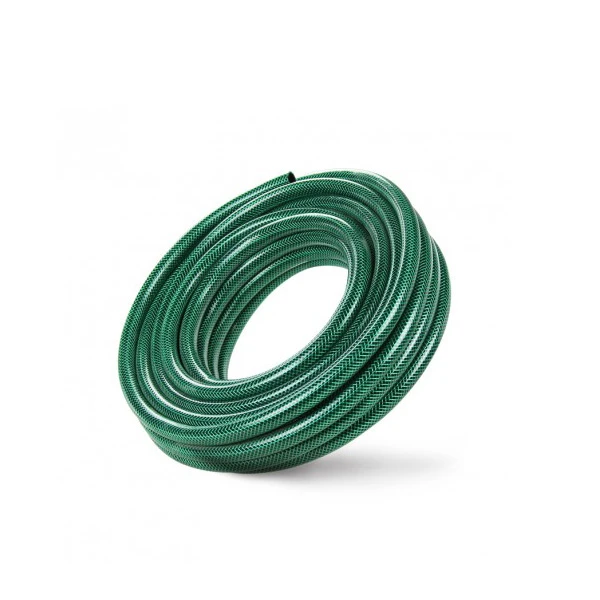
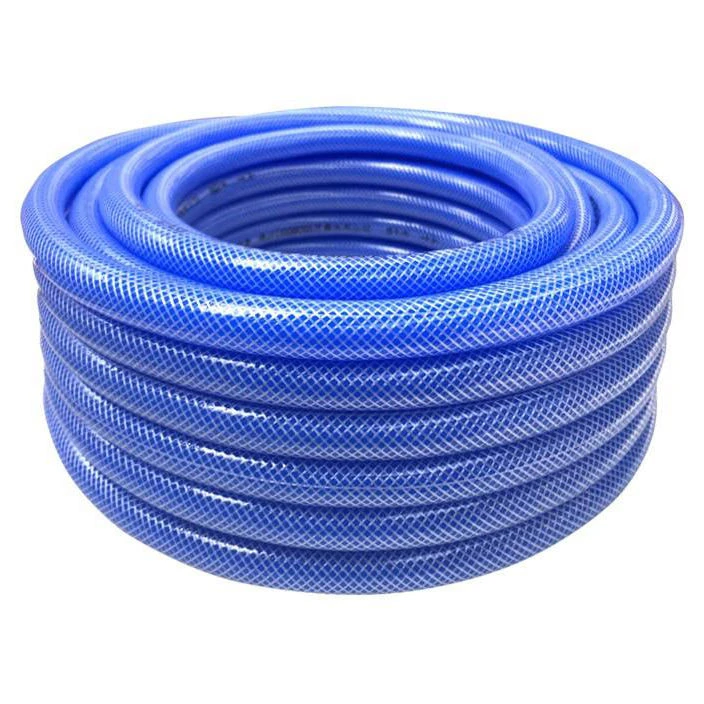
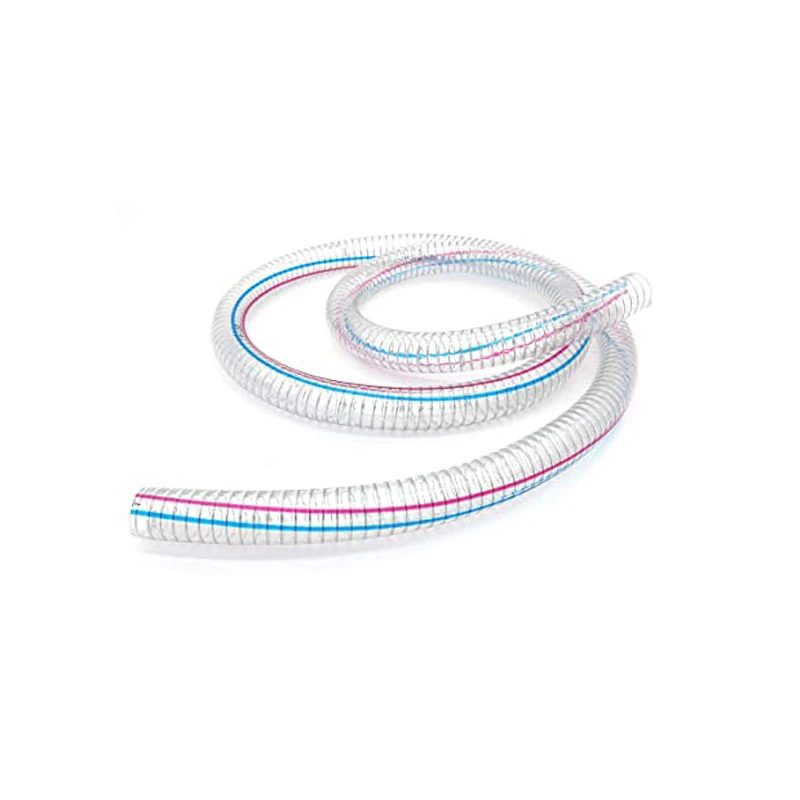
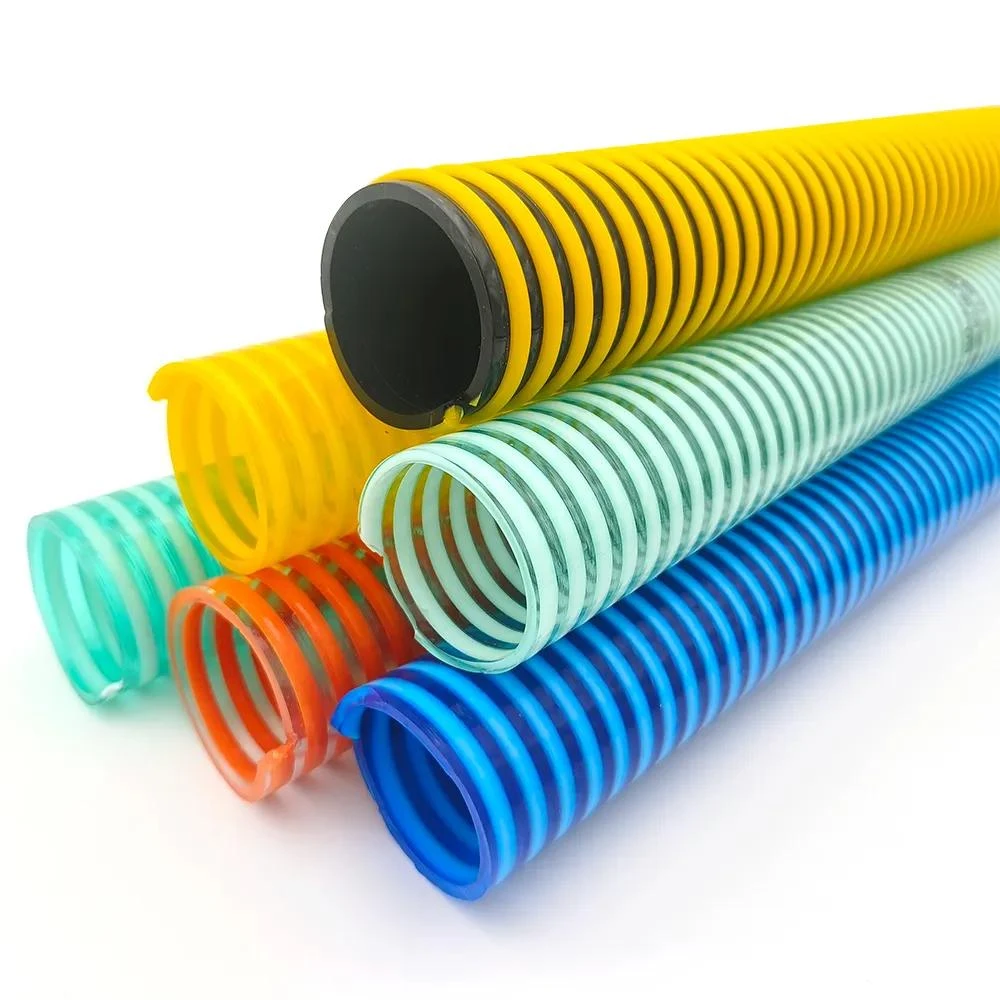
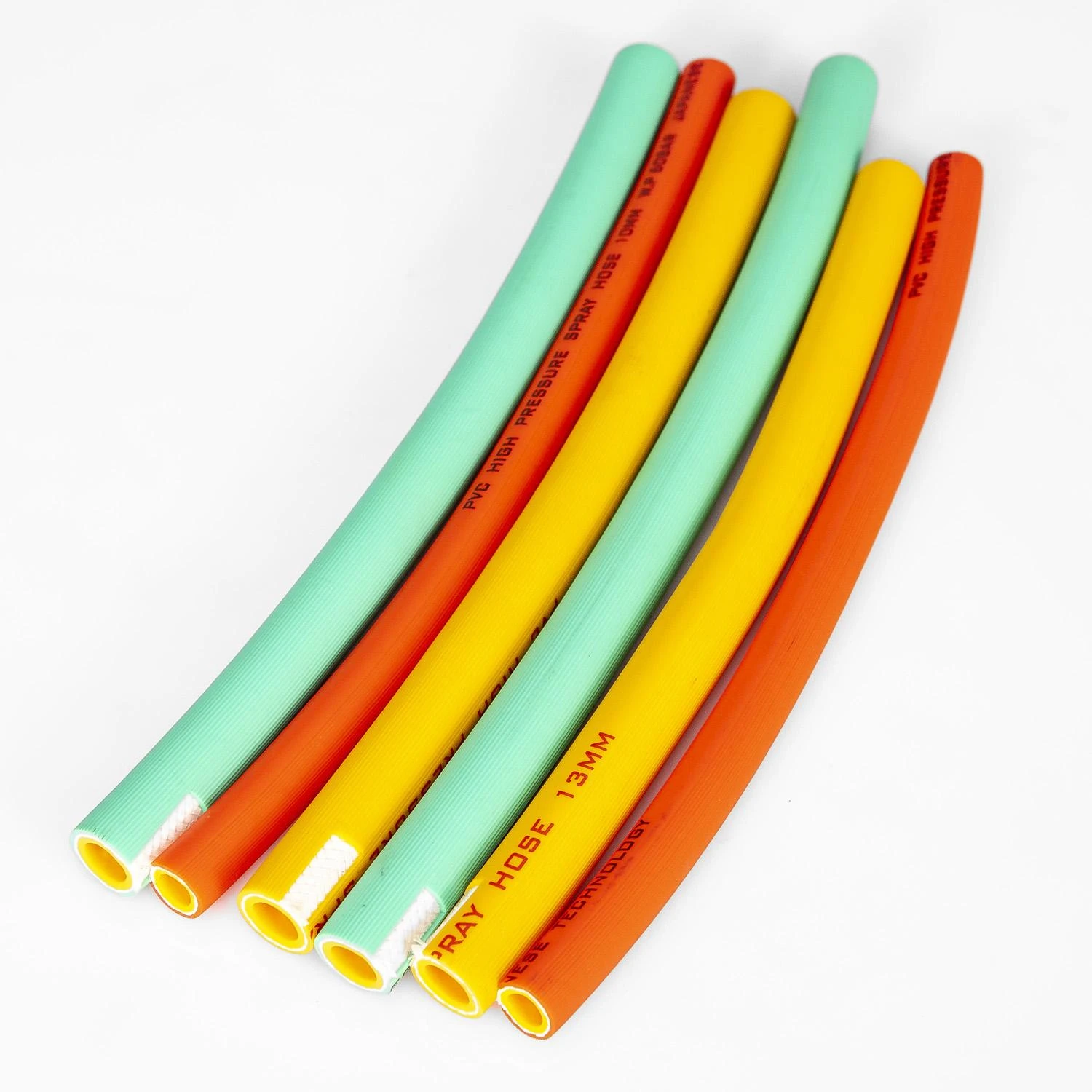
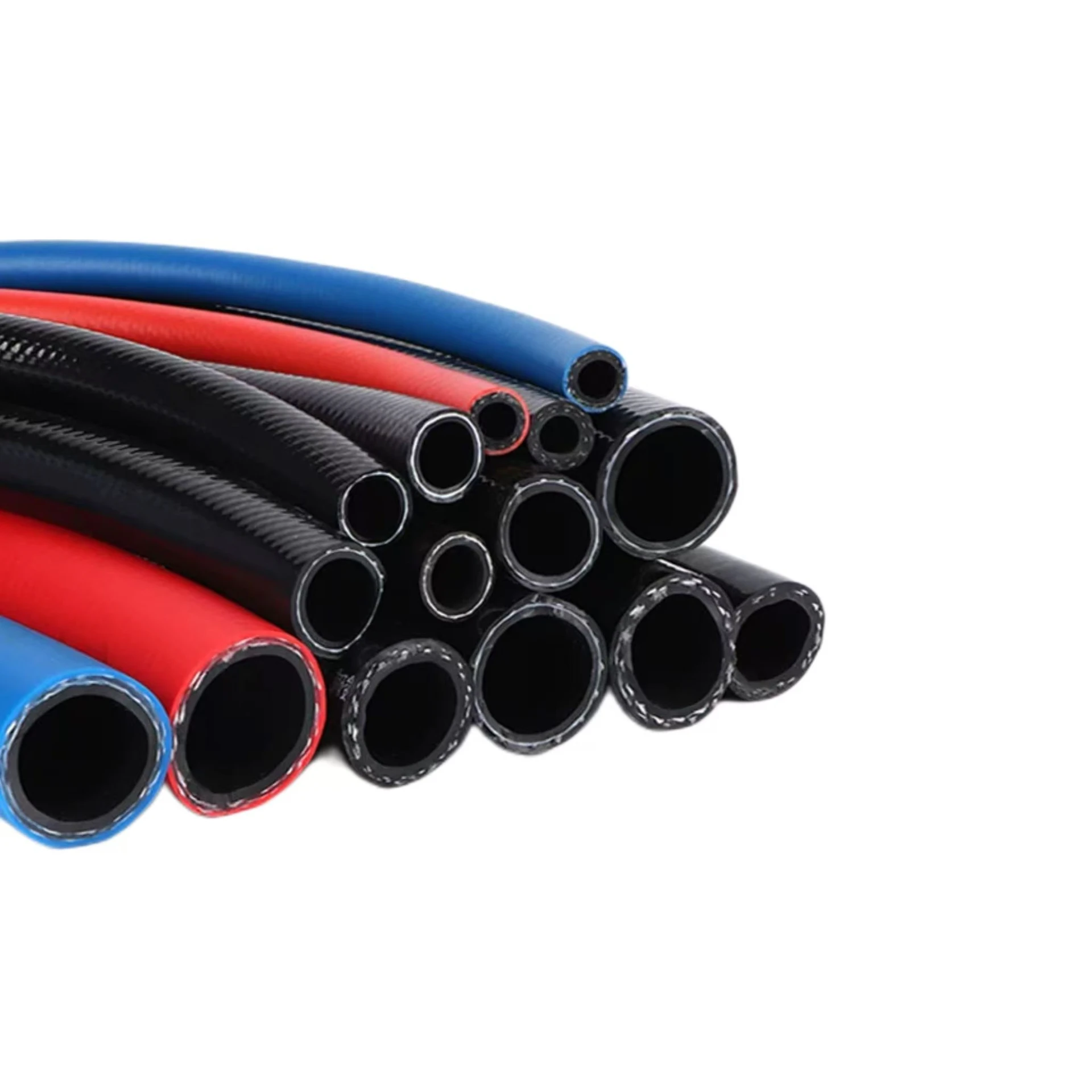
Simply put, an industrial fire hose is a tough, flexible conduit designed to deliver high-pressure water or firefighting foam to suppress large-scale fires. Unlike residential hoses, these are beefed up with durable materials resistant to abrasions, chemicals, and heat.
They often feature woven synthetic fibers (like polyester or nylon) and rubber or PVC lining to ensure durability. What’s interesting is how these hoses often double as critical tools in humanitarian responses, especially in disaster zones where existing infrastructure is compromised.
Mini takeaway:
Think of industrial fire hoses as the rugged lifeblood of emergency fire response in industrial and humanitarian settings.
Core Components and Key Factors
1. Durability
Since these hoses face extreme heat, chemical exposure, and rough handling, durability is paramount. Materials like synthetic fibers combined with reinforced rubber linings help them resist bursting or cracks.
2. Pressure Rating
Industrial scenarios often demand hoses that sustain high water pressures—anywhere from 300 psi to over 600 psi. The pressure rating dictates where and how the hose can be deployed.
3. Length and Diameter
Hoses come in various lengths and diameters depending on flow rate needs. A larger diameter allows more water flow, critical during large fires, while length impacts reach but also handling challenges.
4. Flexibility and Weight
Emergency crews must deploy hoses quickly, sometimes maneuvering in tight, hazardous spaces. Thus, hoses strike a balance between robustness and portability.
5. Chemical Resistance
Specific industries—like refineries—require hoses that resist oil, acids, or other corrosive agents, safeguarding hose lifespan and worker safety.
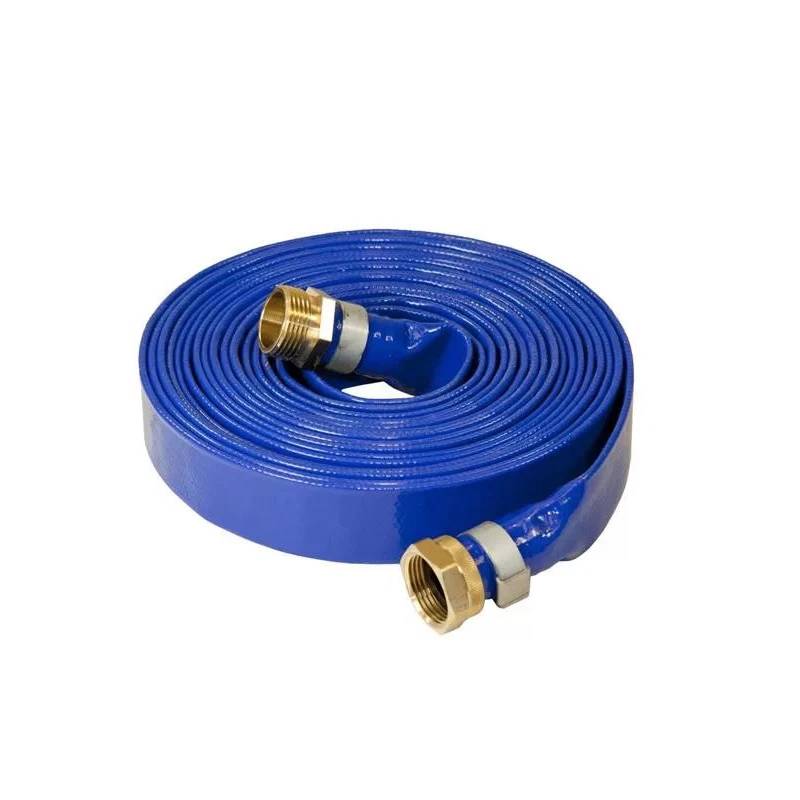
6. Couplings and Connectors
Quick-connect fittings and compatible couplings can mean minutes saved in emergencies. Standardization here is crucial for interoperability.
Mini takeaway:
The ideal industrial fire hose is a blend of toughness, pressure endurance, chemical resilience, and user-friendly design — all tailored to real-world emergency demands.
How Industrial Fire Hoses Protect Industries Worldwide
In Asia's booming manufacturing sectors, industrial fire hoses prevent factory fires from devastating supply chains. In the Middle East, where oil facilities are vulnerable to intense fires, specialized hoses with chemical resistance are vital. Africa’s expanding mining operations increasingly deploy durable hoses to manage fires in remote areas.
Examples include:
- Post-disaster relief in hurricane-hit zones, where hoses help emergency teams fight fires amid damaged infrastructure
- Ports worldwide where flammable cargo is loaded/unloaded—fire hoses help manage accidental outbreaks
- Power plants utilizing hoses capable of handling high heat without degradation
It’s a global toolkit, adaptable to very different environments but with equally high stakes.
Advantages and Long-Term Value of Quality Industrial Fire Hoses
Okay, so what’s the real value beyond firefighting? Several key benefits stand out:
- Cost Efficiency: Durable hoses reduce the need for frequent replacements—saving money and resources.
- Sustainability: Many modern hoses use greener materials or coatings, which reduce environmental footprints.
- Safety & Trust: Proven reliability builds trust among workers — a priceless commodity in risky industries.
- Social Impact: Fires controlled swiftly reduce community harm, protect livelihoods, and enable quicker recovery.
Mini takeaway:
Industrial fire hoses offer more than water delivery—they’re about resilience, protecting lives, industries, and ecosystems over decades.
Future Trends and Innovations in Industrial Fire Hose Technology
Innovation doesn’t stop with just squeezing out more PSI. We’re seeing exciting trends:
- Smart Sensors: Embedded sensors alert crews when hose pressure or integrity dips, helping prevent failures before they happen.
- Lightweight Materials: Nano-fiber composites to reduce weight without losing strength.
- Eco-Friendly Coatings: Using biodegradable or less-toxic materials to reduce pollution during manufacturing and disposal.
- Modular Design: Easier hose repair and replacement on the field.
Industry 4.0 meets firefighting—smart hoses that talk to control rooms might sound sci-fi, but they’re closer than you think.
Common Challenges and Practical Solutions
The main headaches? Hose wear-and-tear, compatibility issues between brands, and difficulty deploying in confined spaces. Some ideas to counter these:
- Standardizing coupling sizes globally to improve interchangeability.
- Regular field testing paired with IoT monitoring to ensure early detection of weaknesses.
- Training first responders with modular, bend-friendly hoses for tough builds.
Product Specification Table
| Specification | Typical Values | Details |
|---|---|---|
| Material | Polyester outer, Nitrile rubber liner | Chemical & abrasion resistance |
| Pressure Rating | 300 - 600 psi | Varies by diameter and type |
| Diameter Options | 1.5", 2.5", 4" | Common industry standards |
| Maximum Length | 60 meters | Modular sections available |
| Weight per meter | 0.75 - 1.25 kg | Depends on size and lining |
Vendor Comparison of Popular Industrial Fire Hose Brands
| Brand | Price per Meter | Durability Rating | Chemical Resistance | Special Features |
|---|---|---|---|---|
| ZSmartFlex | $24 | 8/10 | High | Lightweight, High-pressure tolerance |
| FireFlex Solutions | $22 | 7/10 | Medium | Quick-connect couplings |
| HoseMaster Pro | $26 | 9/10 | High | Smart sensor integration |
Frequently Asked Questions about Industrial Fire Hose
Q1: How do I choose the right industrial fire hose for my facility?
A: Choosing the right hose depends on your industry’s specific hazards, required pressure rating, length needed, and chemical exposures. Consulting safety standards like NFPA can guide selection, but partnering with experienced vendors like industrial fire hose suppliers ensures specifications fit your unique needs.
Q2: What maintenance is required to keep industrial fire hoses reliable?
A: Regular inspections to check for cracks, leaks, and coupling integrity are essential. Cleaning hoses after exposure to chemicals and testing pressure endurance annually can prolong service life significantly.
Q3: Can industrial fire hoses be customized?
A: Absolutely. Many companies offer customization on length, diameter, material composition, and coupling types to perfectly match operational demands.
Q4: Are there eco-friendly industrial fire hoses available?
A: Yes. The industry is advancing towards biodegradable coatings and recyclable materials, reducing environmental impact both in use and disposal.
Q5: How quickly can industrial fire hoses be deployed in emergencies?
A: With proper training and modular designs, deployment can happen within minutes, crucial for limiting fire damage and ensuring safety.
Wrapping It Up: The Unsung Hero of Fire Safety
Oddly enough, the industrial fire hose doesn't get nearly as much spotlight as the firefighters themselves, but anyone who's worked in industries vulnerable to fire knows its true worth. Reliable, adaptable, and increasingly smart, these hoses represent a crucial shield protecting businesses, communities, and environment alike.
Long term, investing in quality hoses isn’t just about compliance; it’s a gesture of responsibility and trust towards workers and neighbors who count on them.
Curious to explore the latest in robust, high-pressure industrial fire hose solutions? Visit our [site](https://www.zsmartflexhose.com) and see how innovation meets safety head-on.
References
Z-Smartflex delivers superior-quality industrial hoses and fittings with global reliability, offering you durable solutions and exceptional service for all your fluid transfer needs.