
3 4 Inch Rubber Hose: Practical Insights from the Field
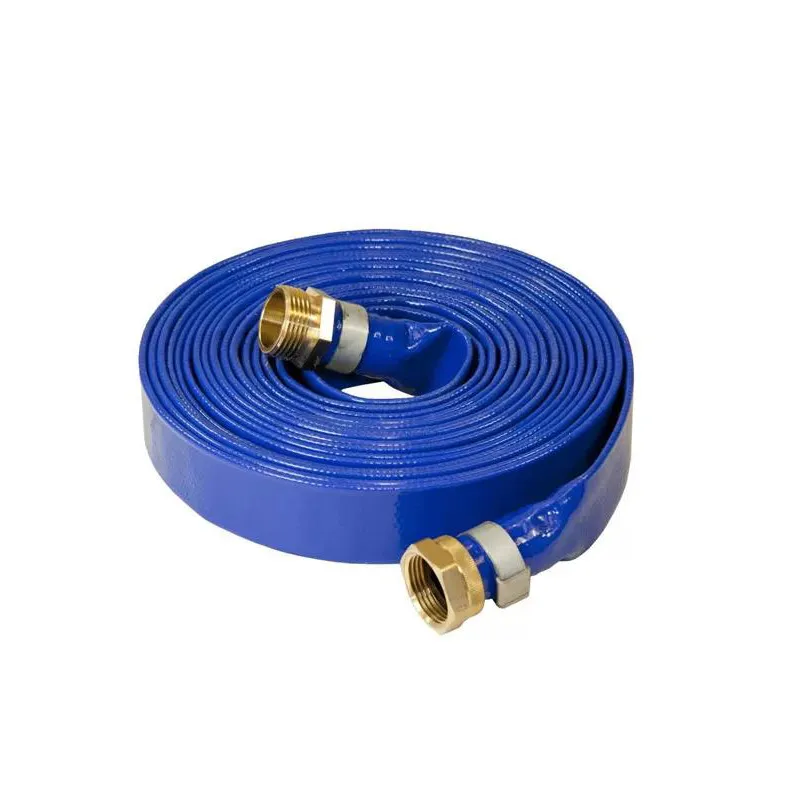
Having spent a good chunk of my career in the industrial equipment sector, I can say the humble 3 4 inch rubber hose holds more importance than one might initially expect. At first glance, it might seem like just a simple conduit for fluids or air, but frankly, the devil’s in the details – materials, flexibility, pressure ratings, and durability all play hugely into whether a hose lasts or fails in tough environments.
Oddly enough, I’ve noticed that many engineers tend to overlook the customization options when specifying hoses. You see, the rubber compounds used can vary widely – nitrile for oil resistance, EPDM for weather-proofing, or sometimes a blend tailored for exotic chemicals. That’s why a 3/4 inch rubber hose isn’t just a universal item; it’s a little engineering puzzle each time.
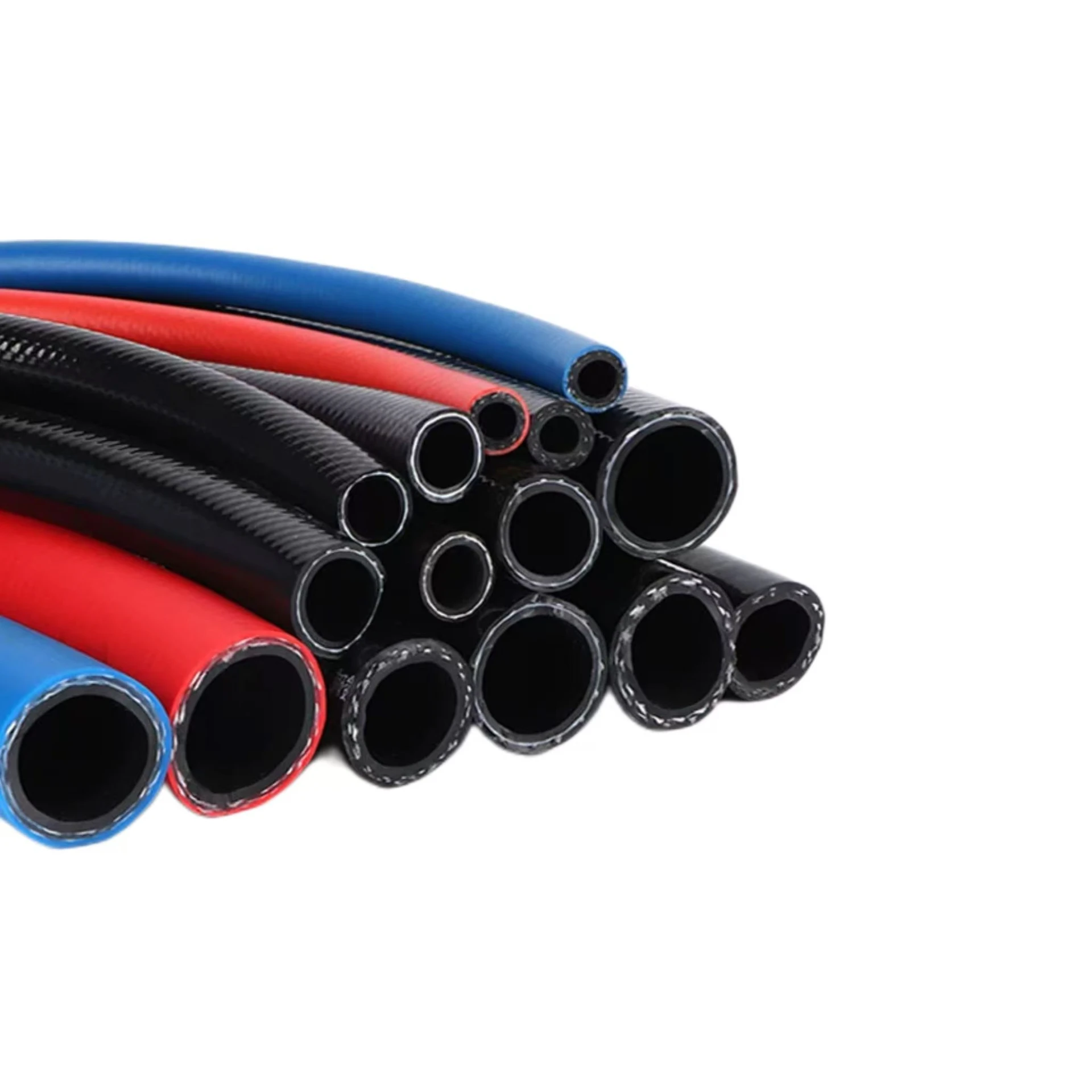
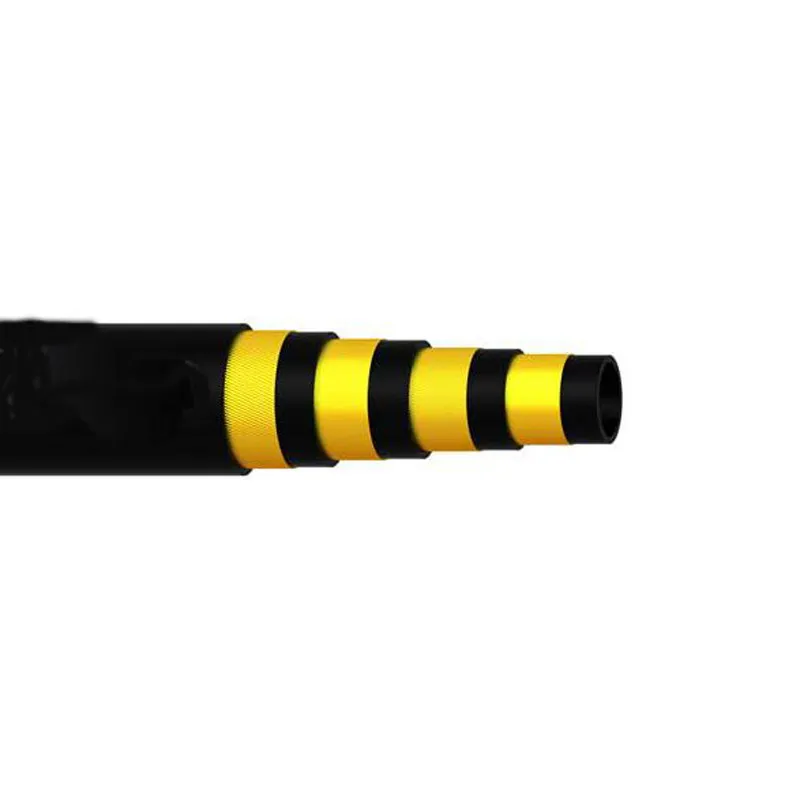
In real terms, a good 3 4 inch rubber hose combines flexibility with toughness. It needs to bend without kinking but still maintain high-pressure ratings — I once saw a setup where a hose failed simply because it wasn’t rated for cyclic bending stresses. The right specs matter. Take a peek at this typical product spec snapshot:
| Specification | Details |
|---|---|
| Inner Diameter | 0.75 inch (19 mm) |
| Material | EPDM Rubber / Nitrile Blend |
| Working Pressure | 150 PSI (Max) |
| Temperature Range | -40°C to +120°C |
| Reinforcement | Synthetic Fiber Braided |
| UV & Ozone Resistance | High |
You know, there’s a subtle art to balancing hose strength and flexibility. Over the years, I’ve talked to plenty of folks across industries — from automotive workshops to chemical plants — and one common thread is the hassle caused by subpar hoses that are either too stiff or deteriorate quickly under sunlight or chemicals. It’s where good design and material science become non-negotiable.
Now, comparing vendors can feel like wading through a swamp, especially when everyone talks pressure ratings and abrasion resistance the same way. Here’s an informal vendor comparison table I pulled together based on specs, delivery, and customization from three popular suppliers I’ve worked with or heard trusted feedback about:
| Vendor | Customization Options | Delivery Lead Time | Price Range | Customer Support |
|---|---|---|---|---|
| ZSmartFlexHose | Wide (materials, lengths, fittings) | 5-7 business days | Mid-range | Responsive, knowledgeable |
| Alpha Hose Co. | Limited to stock items | 3-5 business days | Low to mid | Standard |
| Pro Industrial Supplies | Custom batches on request | 7-10 business days | Higher-end | Good but slower responses |
A quick story — a client of mine once came back frustrated after switching hoses on their hydraulic press. The “universal” hose they bought had the nominal 3/4 inch ID, sure, but the wall thickness and compound weren’t right. Within a month, leaks appeared, leading to downtime that cost far more than the hose price. Lesson reinforced: don't skimp on specs or vendor trust.
To wrap this up, specifying the right 3 4 inch rubber hose isn’t rocket science, but it requires attention to detail often missed by rush orders or cost-cutting. If you understand the operating environment, materials, and vendor reliability, you’ll save headaches — and money — down the road.
At the end of the day, it’s about marrying practical field experience with quality product design — a combo I’ve seen work wonders time and again.
References:
1. Industry standards for hose materials - SAE J188
2. Interviews with industrial engineers, 2022-2023
3. ZSmartFlexHose product manuals and testing data
Z-Smartflex delivers superior-quality industrial hoses and fittings with global reliability, offering you durable solutions and exceptional service for all your fluid transfer needs.