Why High Pressure Rubber Hose Matters in Industrial Settings
After more than a decade working around heavy equipment and industrial installations, I've learned the importance of picking the right high pressure rubber hose. Frankly, it’s one of those components you don’t give much thought to until it fails—or when the project depends on flawless performance under pressure. That heavy vibration, extreme temperatures, and harsh chemicals all conspire to challenge the integrity of hoses.
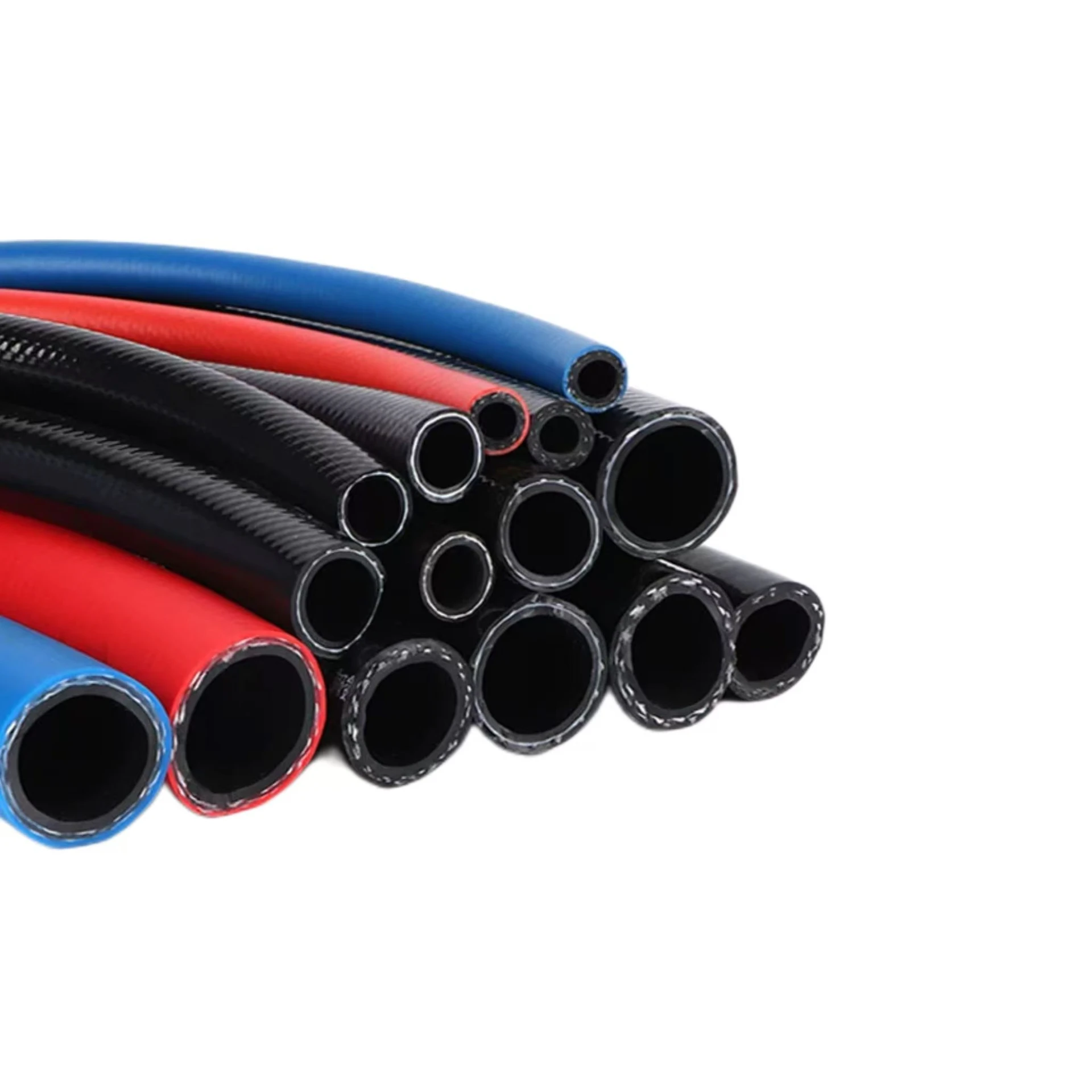
Over the years, I've noticed these hoses have evolved beyond simple rubber tubes wrapped in mesh. Today’s hoses often come with complex layering, improved rubber compounds, and reinforcements that can take hundreds, even thousands of psi without a hint of fatigue. This isn’t just about strength but also flexibility—because your hose often needs to snake through tight spaces or move with the machinery.
Key Product Specifications to Consider
When you look at the specifications for a high pressure rubber hose, certain numbers jump out immediately: burst pressure, working pressure, temperature rating, and bend radius. These figures are not just marketing fluff; they can make or break your whole system. For instance, working pressure should typically be about one-third of burst pressure to add a healthy safety margin.
| Specification | Typical Value | Notes |
|---|---|---|
| Working Pressure | 2750 psi (approx.) | Standard industrial hydraulic use |
| Burst Pressure | 8250 psi | Typically three times working pressure |
| Operating Temp Range | -40°F to +210°F (-40°C to +99°C) | Handles wide temperature swings |
| Inner Tube Material | Nitrile or Neoprene rubber | Resistant to oil and chemicals |
| Reinforcement | High-tensile steel wire braid | Ensures durability under high pressure |
| Outer Cover | Abrasion and weather resistant synthetic rubber | Protects against environment and wear |
Comparing Leading High Pressure Rubber Hose Vendors
I've worked with a range of suppliers through the years—from big-name manufacturers to smaller niche outfits. There's a ton of talk about "best value," but in real terms, you want a vendor who understands your application and isn’t just pushing catalog numbers. Here's a quick snapshot I put together from recent projects.
| Vendor | Price Range | Customization Options | Delivery Time | Product Range |
|---|---|---|---|---|
| SmartFlex Hose | $$ - competitive | High - tailored specs available | 2-3 weeks | Extensive (industrial to hydraulic) |
| Industrial Hose Co. | $$$ - premium | Medium - limited fittings | 3-4 weeks | Good range, less hydraulic focus |
| FlexLine Supplies | $ - budget friendly | Low - standard products only | 1-2 weeks | Basic hose selections |
A Quick Story from the Field
I remember a client in mining operations who insisted on swapping to a cheaper hose for one of their giant hydraulic shovels. Sure, it saved some upfront cash. But after a few weeks, the hose started showing stress cracks around the fittings—probably due to low-grade reinforcement and poor bending radius specs. It cost them more in downtime and emergency replacement than what they saved. Since then, I always advise spending the little extra for trusted quality, especially on high pressure rubber hose solutions.
In real terms, it’s those small investments—proper materials, correct testing, and customization—that make the difference between a hiccup and a smooth operation. You want hoses that won’t let you down, simple as that.
Anyway, that's just my two cents after seeing hoses saved projects... and watching others falter.
Final Thoughts
For anyone involved with hydraulic systems, conveyors, or heavy equipment requiring fluid transfer, understanding how to pick and maintain your rubber hoses is critical. Look beyond price. Consider specifications. Engage vendors who can tailor solutions. And always, always test your hoses under the actual pressures and environmental conditions you’ll face.
Thanks for reading—whether you're new to this or a seasoned equipment pro, the right hose does matter.
References
- Industrial Hose Standards and Specifications, Fluid Transfer Association, 2023.
- Case Studies from ZSmartFlexHose, internal client feedback 2022-2024.
- Technical Discussions on Hydraulic Hose Durability, Engineering Weekly Journal, 2023.
Z-Smartflex delivers superior-quality industrial hoses and fittings with global reliability, offering you durable solutions and exceptional service for all your fluid transfer needs.