Understanding Heavy Equipment Hydraulic Hoses: What They Are and Why They Matter
If you've ever glanced under the hood of a bulldozer, excavator, or any crane in a busy construction yard, you might have noticed a maze of flexible, tough pipes linking cylinders, pumps, and motors. Yep, those are the unsung heroes called heavy equipment hydraulic hoses. Though humble in appearance, they enable the fluid power systems that control heavy machinery worldwide. And in a world leaning ever more on infrastructure development, disaster relief, and industrial modernization — understanding these hoses is pretty crucial.
Why? Well, the efficiency, safety, and longevity of massive equipment depend heavily on the quality and design of these hoses. Faulty hoses can cause delays, accidents, and costly repairs. Beyond engineering, they shape global construction, mining, agriculture, and even humanitarian aid efforts, especially in regions where robust machinery cannot falter.
Mini takeaway: Heavy equipment hydraulic hoses might sound niche, but they’re a backbone to many industries and services vital to today's global economy and welfare.
The Global Impact: How Hydraulic Hose Technology Supports Heavy Machinery Everywhere
Globally, the construction and mining industries alone demand millions of meters of hydraulic hoses annually, according to datasets like those from the International Organization for Standardization (ISO). These hoses need to meet strict standards to handle pressures often above 4000 psi, resist corrosion, and work in harsh climates, from Siberian cold to Equatorial heat.
Moreover, UN and World Bank infrastructure reports highlight that infrastructure investments in emerging markets rely heavily on heavy equipment — which in turn rely on these hoses. A pinch-point in hose quality can ripple through these projects, slowing entire economic initiatives or, worse, creating safety risks.
A common challenge? Hose failure in remote or disaster-prone areas, where supply chains for replacements can be thin or non-existent. This is why understanding and procuring top-notch hydraulic hoses is not purely an operational concern — it’s a strategic imperative.
Summary:
- Heavy equipment hydraulic hoses play a vital role in global infrastructure and development.
- They face demanding standards due to harsh conditions and high pressures.
- Supply and durability challenges often impact major industry projects in vulnerable areas.
What Exactly Are Heavy Equipment Hydraulic Hoses?
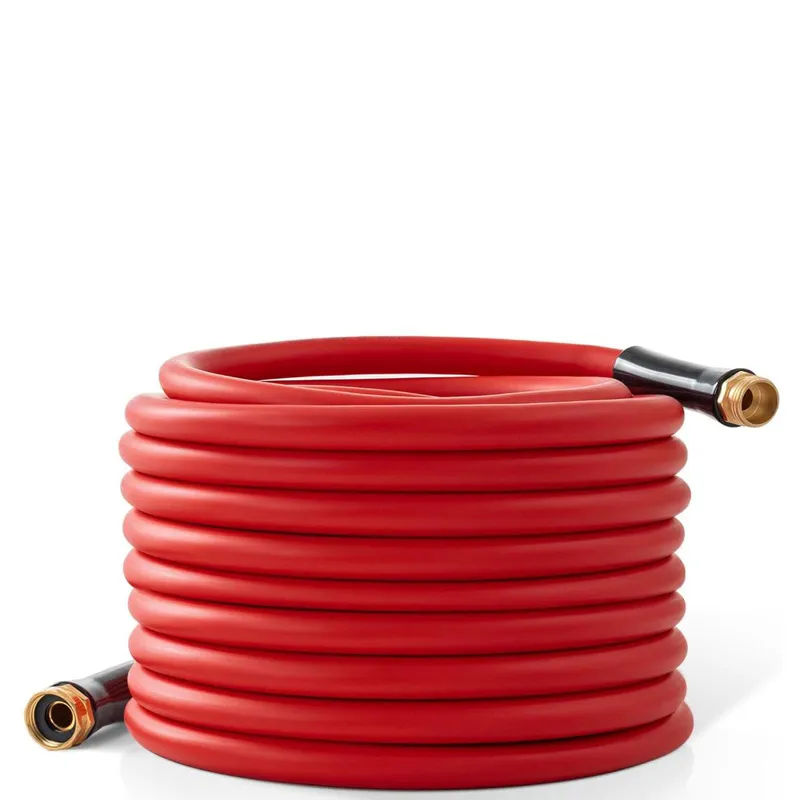
Simply put, these hoses are flexible tubes designed to transfer pressurized hydraulic fluids between components in machinery. Unlike garden hoses or simple pipes, they need to withstand extreme pressures, bending, vibrations, and exposure to oils, chemicals, and weather. The “heavy equipment” tag means they’re specially built to meet the rigorous demands of machines like excavators, loaders, dump trucks, forklifts, and agricultural tractors.
From a humanitarian angle, they’re crucial in equipment used during disaster relief: earth movers clearing rubble, cranes erecting temporary shelters, and pumps delivering clean water. The reliability of these hoses can literally translate into lives saved or lost.
Core Components That Define Heavy Equipment Hydraulic Hoses
1. Durability & Pressure Resistance
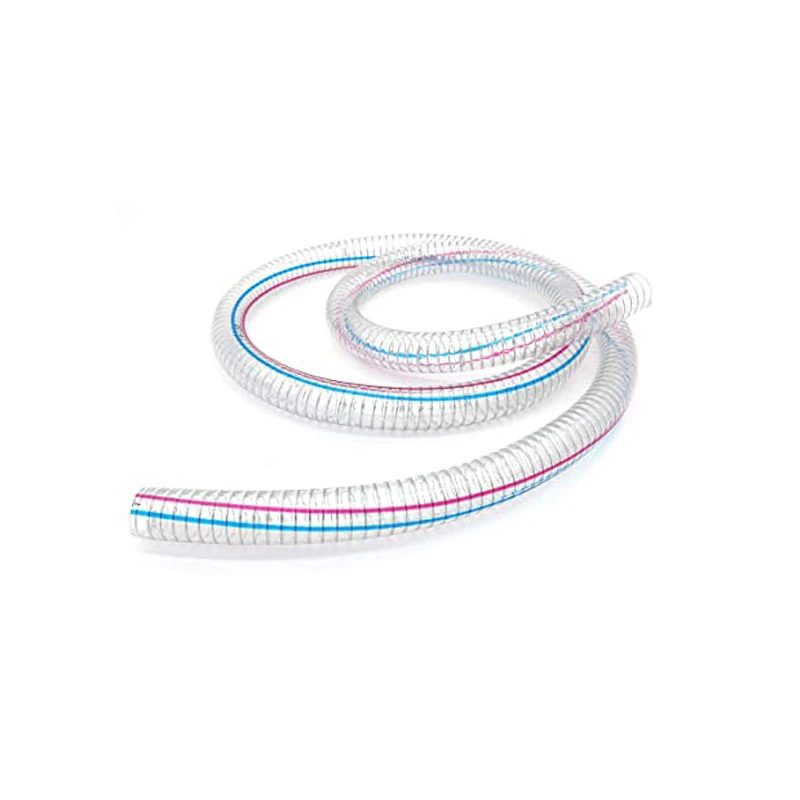
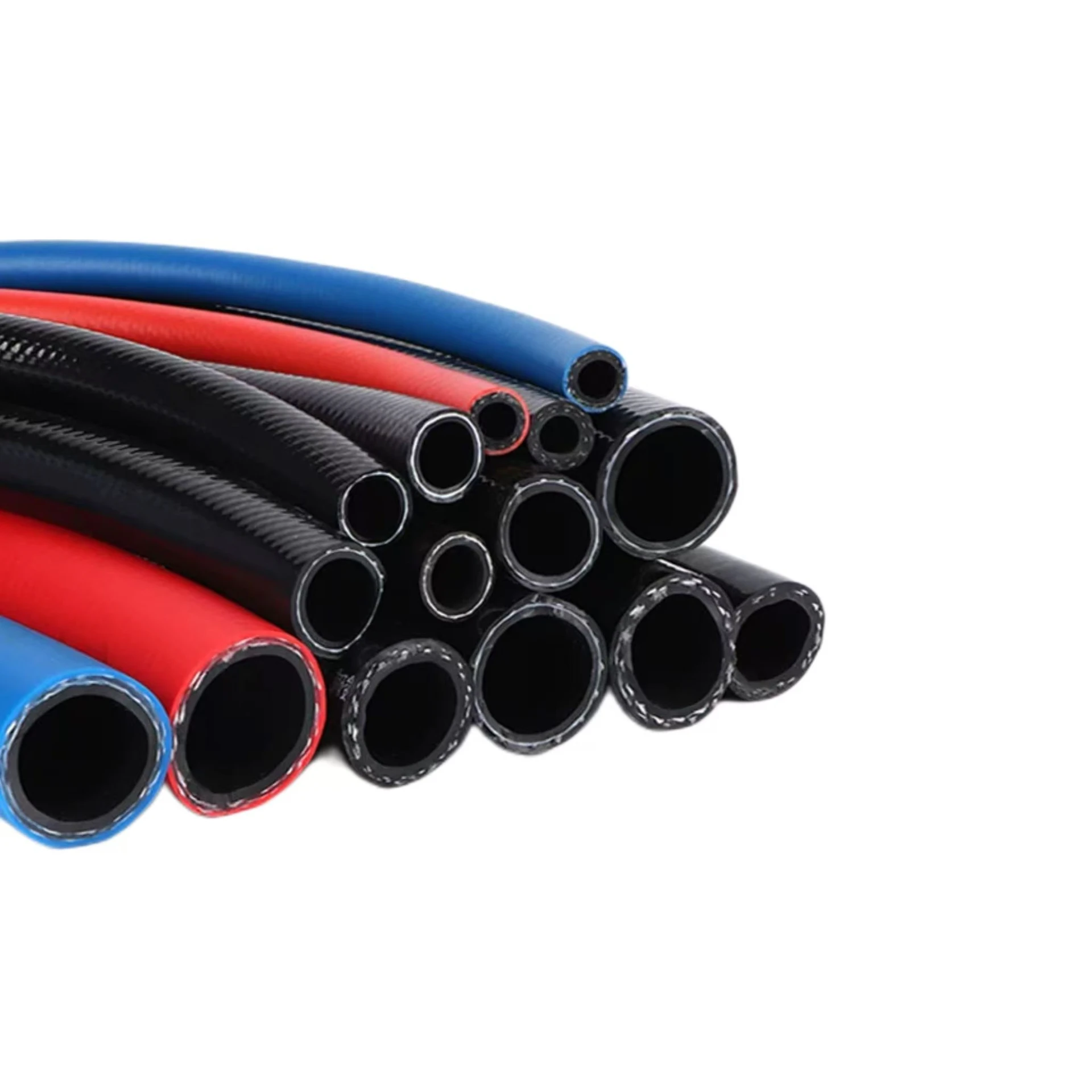
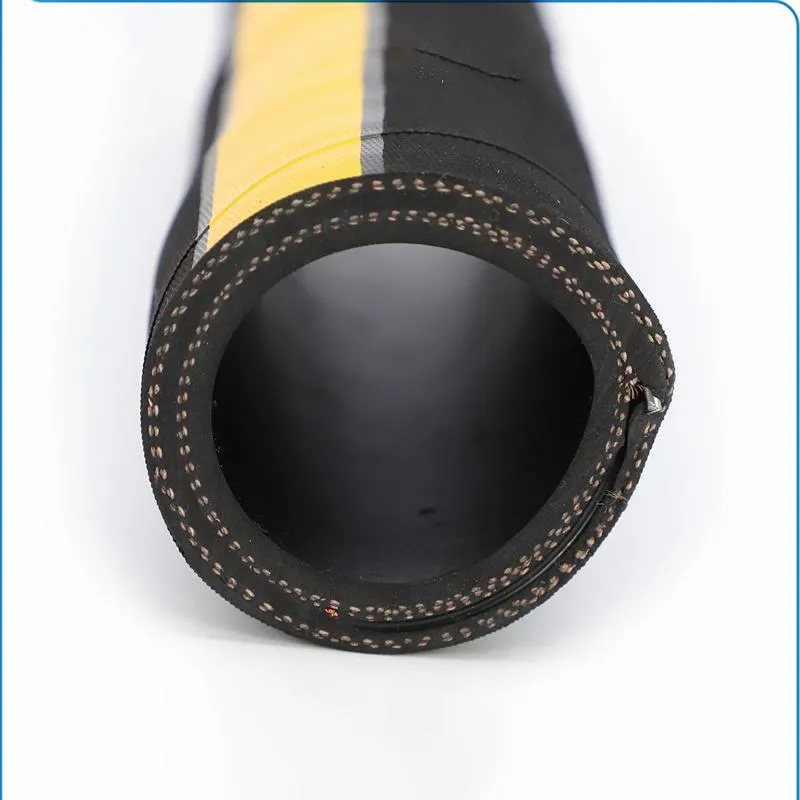
Hydraulic hoses typically consist of a tube (fluid barrier), reinforcement layers (steel braid or spiral), and outer cover for weather resistance. The reinforcement is where the magic happens — it allows hoses to endure pressures often ranging from 1000 to over 6000 psi without expanding or bursting.
2. Flexibility & Bend Radius
These hoses must flex enough for valves and cylinders to move freely but without kinking or impairing flow. The right flexibility ensures smooth operation and reduces wear; too stiff or too flimsy can be costly.
3. Chemical & Temperature Resistance
Hydraulic fluids vary — from petroleum-based oils to synthetic fluids. The hose’s inner tube material must resist breakdown or swelling. Additionally, outer covers protect against UV rays, ozone, abrasion, and extreme temps (sometimes from -40°C to +100°C).
4. Connection & Compatibility
Hoses connect to fittings and components with adapters and couplings. These must ensure leak-proof seals. Compatibility with machinery standards (like SAE or DIN) is essential to avoid accident risks.
Table: A Typical Heavy Equipment Hydraulic Hose Specs
| Specification | Typical Value | Notes |
|---|---|---|
| Pressure Rating | 4000 - 6000 psi | Varies by reinforcement type |
| Temperature Range | -40°C to +100°C | Some materials support wider ranges |
| Inner Tube Material | Nitrile or Synthetic Rubber | Fluid compatibility important |
| Reinforcement | Steel braid or Spiral wire | Affects burst strength & flexibility |
| Outer Cover | Synthetic rubber/Polyester | Abrasion and weather resistant |
Real-World Applications: From Construction Sites to Disaster Relief Zones
Heavy equipment hydraulic hoses are everywhere — often unseen but utterly essential. In Asia and Africa, rapid urbanization means new roads, dams, and buildings rely on excavators and cranes that can only perform smoothly if hose systems are flawless. In mining towns of Australia and Canada, these hoses wrestle with gritty dust, extreme vibrations, and cold temperatures without faltering.
Take, for example, a relief operation after an earthquake in Nepal. Heavy machinery cleared debris and rebuilt water pipelines. The hydraulic hoses in that equipment were literally lifelines, ensuring rapid and safe operation of lifts and diggers in an environment where every hour counts.
And of course, heavy equipment hydraulic hoses suppliers now tailor products to help NGOs and governments meet such complex demands faster — with custom pressure ratings or quick-connect fittings for field repairs.
Use cases like:
- Infrastructure construction in harsh climates
- Mining operations deep underground or in remote sites
- Agricultural equipment operating in diverse soil and weather
- Emergency response and disaster rebuilding efforts
Advantages & Long-Term Value of Investing in Quality Hydraulic Hoses
Why go premium with hydraulic hoses? First, cost savings via reliability: a well-chosen hose resists wear and failure, reducing downtime and maintenance costs. Then, safety: a hose burst can lead to fluid leaks causing fires or machine failure, risking lives.
Sustainability-wise, modern hoses increasingly use environmentally friendlier materials and designs aimed at recycling or longer life spans. And for operators, smooth hydraulic performance equals less strain, better control, and higher productivity — which can be emotionally reassuring when you’re handling tons of earth or steel.
In essence, these hoses are trust machines. You put your faith—and often your team's safety—in their integrity daily.
Emerging Trends: Innovation on the Horizon for Hydraulic Hose Technology
The sector isn’t standing still. Here’s what I’ve noticed in recent years:
- Smart hoses: embedded sensors that monitor pressure, temperature, and wear in real time, preventing failures before they happen.
- Eco-materials: more recyclable polymers and bio-based rubbers aim to reduce environmental impact.
- Higher pressure capabilities: to meet demands of next-gen machinery which are bigger, faster, and more powerful.
- Standardization & rapid connectivity: universal fitting designs for faster field replacements in remote zones.
These advancements align with broader industry moves towards digitalization and sustainability.
Common Challenges and How Experts Are Tackling Them
Despite advances, hydraulic hose failures remain a headache, often due to abrasion, improper installation, or chemical incompatibility. In dusty or rocky environments, outer cover wear is common — but newer abrasion-resistant covers help.
Installation errors plague many sites, so training and tools for technicians are improving. Additionally, supply chain hiccups are tackled by local manufacturing setups and modular hose kits for quick repairs.
Product Specification & Vendor Comparison Tables
| Vendor | Pressure Rating (psi) | Material | Warranty | Customization Available |
|---|---|---|---|---|
| ZSmartFlexHose | Up to 6000 | Synthetic Rubber & Steel Reinforced | 5 Years | Yes |
| Global Hose Co. | Up to 5500 | Nitrile with Textile Reinforcement | 3 Years | Limited |
| HydroFlex Inc. | Up to 7000 | High-tensile Steel & Polymer | 4 Years | Yes |
Frequently Asked Questions About Heavy Equipment Hydraulic Hoses
Q1: How do I know if a hydraulic hose is suitable for my equipment?
A: Check the pressure rating, fluid compatibility, temperature range, and fitting standards required by your machinery's manufacturer. Consulting with suppliers like heavy equipment hydraulic hoses experts can also help tailor the right hose for your application.
Q2: What causes hydraulic hose failure and how can I prevent it?
A: Common causes include abrasion, excess pressure, wrong hose selection, and poor installation. Prevention involves selecting hoses designed for your environment, proper routing, using protective covers, and regular inspections.
Q3: Can hydraulic hoses be repaired, or do they need full replacement when damaged?
A: Minor damage like external cover wear can sometimes be patched, but most pressure-related failures require full hose replacement for safety reasons. Keep spare hoses on hand to minimize downtime.
Q4: Are there eco-friendly options for hydraulic hoses?
A: Yes. Some manufacturers now offer hoses made with recyclable materials and bio-based rubbers. These options reduce environmental impact without sacrificing performance.
Q5: How do I deal with hydraulic hose logistics in remote areas?
A: Partner with suppliers who maintain local stocks or provide modular hose assemblies. Training local maintenance teams for quick replacements also helps minimize disruption.
Wrapping Up: Why Choosing the Right Heavy Equipment Hydraulic Hoses Pays Off
Heavy equipment hydraulic hoses might seem a small piece of the massive machinery puzzle — but they’re key to machine longevity, safety, and efficiency. Investing in quality parts, understanding their specs, and keeping up with innovations can save serious time, money, and headaches.
Looking to learn more or get the right hose for your application? Visit https://www.zsmartflexhose.com — because in the world of hydraulic power, the right hose can make all the difference.
Mini takeaway: As infrastructure keeps evolving globally, so will the demand for smarter, tougher hydraulic solutions. Staying informed is just the first step.
References
Z-Smartflex delivers superior-quality industrial hoses and fittings with global reliability, offering you durable solutions and exceptional service for all your fluid transfer needs.