Understanding High Heat Rubber Hose: Why It Matters Today
When you think about the infrastructure keeping industries running, the humble rubber hose might not immediately come to mind. Yet, the high heat rubber hose plays an often underappreciated role, especially in sectors exposed to extreme temperatures. Worldwide, industries ranging from automotive to chemical manufacturing rely on these resilient hoses to transport hot fluids safely and efficiently. Ignoring how these hoses work, or their importance, can cause downtime, safety hazards, and steep repair bills. So, understanding what high heat rubber hoses do—and why they excel—is more than just technical jargon; it’s essential to industries that power economies and, frankly, keep societies functioning smoothly.
Mini takeaway: High heat rubber hoses are critical components that ensure operational safety and efficiency in high-temperature scenarios globally, saving costs and lives.
Global Context: Facing the Heat with Reliable Solutions
Globally, climate extremes and industrial demands are pushing equipment to its limits. According to the International Organization for Standardization (ISO) and trade reports, industries working with hot liquids or steam face hose failures in 20-30% of incidents related to heat damage. This is a huge challenge, especially for sectors in Asia-Pacific and Europe where industrial output is soaring.
Take chemical plants or power stations—many operate at temperatures above 100°C regularly. Without a proper high heat rubber hose, they risk leaks, fire hazards, or unexpected shutdowns. And in developing regions where infrastructure may be outdated, these hoses are a lifeline for safe, cost-effective operations.
It’s honestly a bit surprising how much this technical little item impacts global industry resilience.
What Exactly Is a High Heat Rubber Hose?
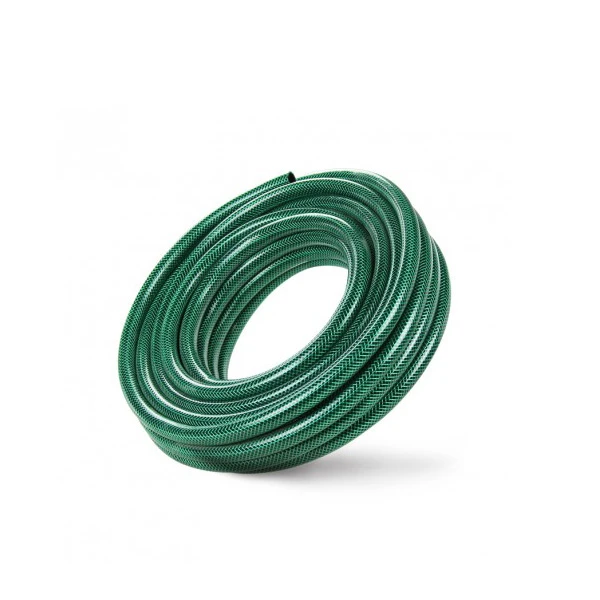
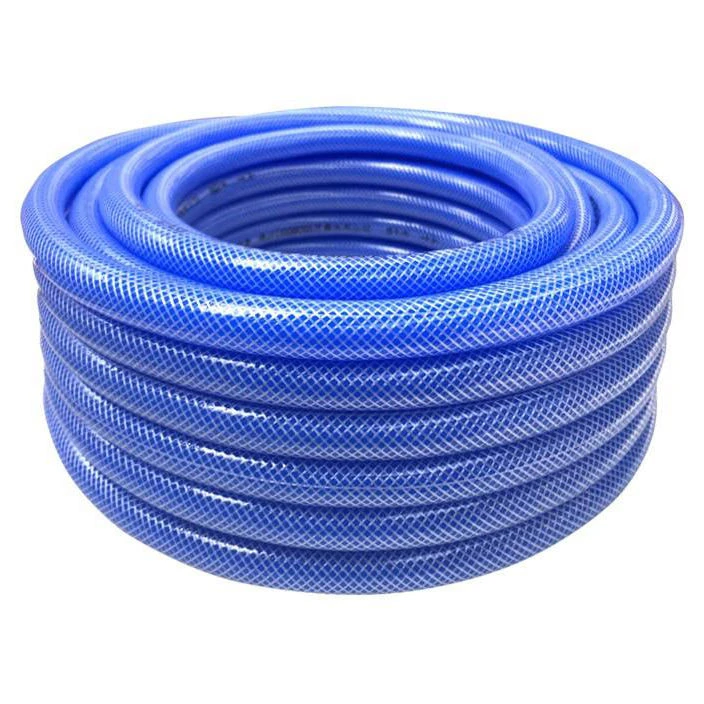
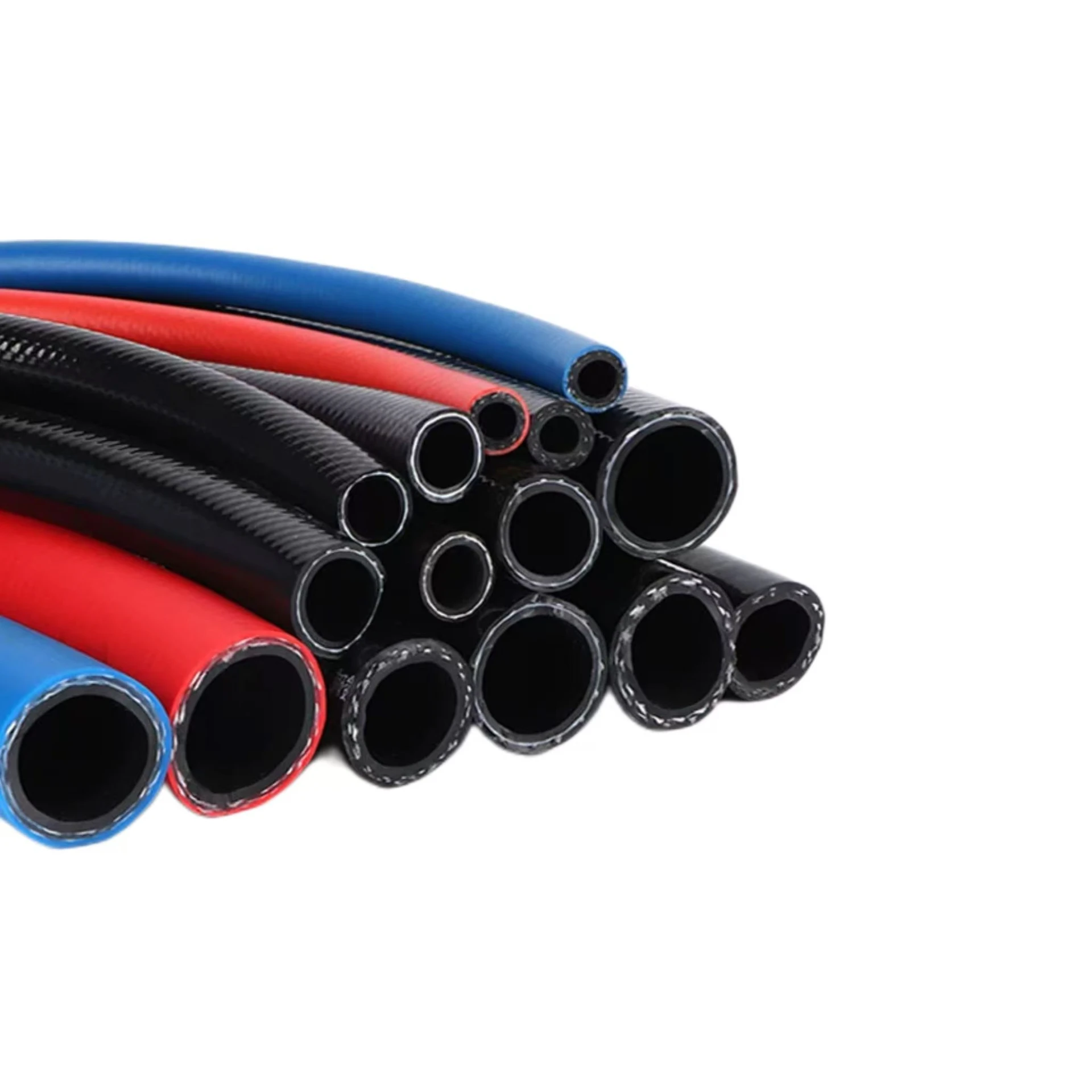
In simple terms, a high heat rubber hose is a flexible conduit designed to transport hot fluids—be it water, steam, oil, or chemicals—without breaking down. Unlike regular hoses, they are engineered with special rubber compounds and reinforcements that withstand elevated temperatures, often beyond 150°C (300°F).
Think of it as a 'hot water slide' in factories where materials move fast and temperatures run high. These hoses help keep things flowing while protecting both the people handling them and the equipment around them. This is especially relevant in areas like disaster relief where temporary setups must still handle heavy industrial fluids safely.
Key Features of High Heat Rubber Hoses
Durability Under Extreme Temperatures
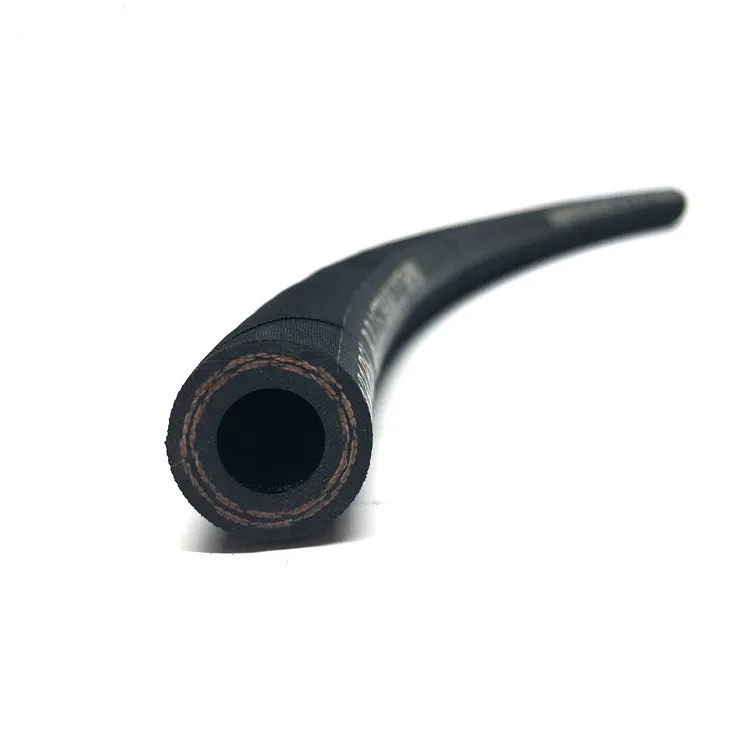
Manufacturers use heat-resistant synthetic rubbers and layered textile reinforcements to ensure these hoses don’t soften, crack, or degrade quickly. This durability is crucial in power plants, refineries, or foundries where hose failure could halt production or risk safety.
Flexibility and Scalability
Despite their strength, these hoses remain flexible. That flexibility means they can be used in complex piping systems that need bending paths or frequent repositioning. Plus, various sizes and lengths are available, suiting everything from handheld tools to large-scale industrial lines.
Chemical and Abrasion Resistance
High heat rubber hoses often handle corrosive fluids or dusty environments. So, resistance against chemicals and abrasion is baked into their design, extending service life and reducing replacement frequency.
Cost Efficiency over Time
Though initial costs may be higher, their longevity and fewer replacements make these hoses cost-effective. Industries using these hoses notice reduced maintenance costs and less downtime—a win for operational budgets.
Safety & Compliance
Many products conform to ISO standards like ISO 3821 for rubber hoses, assuring users they're safe and reliable. Proper certifications also help facility managers meet strict regulations.
| Specification | Typical Value |
|---|---|
| Max Operating Temperature | 150°C (302°F) |
| Inner Tube Material | Synthetic heat-resistant rubber |
| Reinforcement | High tensile textile & steel wire |
| Outer Cover | Heat & abrasion-resistant rubber |
| Standard Lengths | 5m, 10m, custom |
| Pressure Rating | Up to 20 bar (290 psi) |
Mini takeaway: These hoses are engineered for heat endurance, flexibility, and safety, making them preferred choices in demanding environments.
Where Are High Heat Rubber Hoses Making the Biggest Impact?
- Energy Sector: Used extensively in oil refineries, power stations, and renewable energy plants to safely transport hot fluids.
- Manufacturing Plants: Foundries, chemical plants, and food processing lines depend on them for reliability and compliance.
- Emergency and Disaster Relief: Temporary setups for firefighting and hazardous material transport rely on heat-resilient hoses to withstand extreme conditions.
- Transportation and Automotive: Cooling and heating lines in heavy machinery and vehicles often utilize these hoses for durability under motor heat.
For instance, in Southeast Asia’s expanding industrial zones, these hoses are a quiet backbone keeping production lines humming without overheating failures.
Advantages & Long-Term Value of High Heat Rubber Hoses
When you dig into what users say, two things pop up: safety and trust. Knowing your hoses won’t blow out during critical moments brings peace of mind. And from a financial viewpoint, fewer replacements and less maintenance mean budgets go further.
On a sustainability note, longer-lasting hoses cut waste and resource use—subtle perhaps, but important as industries push for greener practices. Plus, employees feel safer handling well-designed equipment, which boosts morale and retention.
Looking Ahead: Innovations in High Heat Rubber Hose Technology
The future’s pretty interesting here. As industries embrace greener processes, hoses that tolerate not just heat but also bio-based chemicals and new coolants are in development. Smart hoses with embedded sensors that monitor temperature and wear in real-time are also edging closer to market readiness. This kind of digital transformation could radically reduce unexpected failures.
Material science breakthroughs — like incorporating graphene-infused rubber — may boost heat resistance even further while reducing weight. I’ve noticed some manufacturers highlight “eco-friendly” and “low carbon footprint” production methods, which feels like a promising trend we’ll see more often.
Challenges and How Experts Are Tackling Them
Still, no hose is perfect. High heat rubber hoses can be pricey upfront, which deters small businesses. Also, proper installation and maintenance are critical — misuse can cause unexpected wear.
Experts recommend better user training, standardized replacement schedules, and using industry-certified hoses to counteract these issues. Some vendors offer modular hose systems, making repairs or upgrades easier and cheaper over time.
| Vendor | Temperature Range | Pressure Rating | Certification | Custom Options |
|---|---|---|---|---|
| HeatSafe Inc. | -40°C to 160°C | Up to 25 bar | ISO 3821, CE | Yes, lengths & materials |
| RubberFlex Solutions | -30°C to 150°C | Up to 20 bar | ISO 9001 | Limited, mostly standard sizes |
| ThermoLine Tech | -50°C to 170°C | Up to 22 bar | ISO 3821, UL Listed | Yes, custom fittings & colors |
FAQ: Answering Your Top Questions on High Heat Rubber Hoses
1. What makes a high heat rubber hose better than a regular rubber hose?
High heat rubber hoses are specifically engineered to withstand elevated temperatures (commonly above 120°C) without losing flexibility or structural integrity. Their specialized materials prevent cracking or melting under heat, which isn’t guaranteed with standard rubber hoses. This protects your operations from failures and safety risks.
2. How do I know what size and length of hose is right for my application?
Sizing depends on fluid type, pressure, and temperature, alongside physical layout. It’s best to consult technical sheets or vendor experts who can recommend hoses that balance flow requirements and heat resistance. Custom lengths are often available to fit exact system needs.
3. Are high heat rubber hoses reusable after exposure to extreme conditions?
Generally, these hoses are made for repeated use but must be inspected for wear, cracks, or deformations after heavy-duty exposure. Periodic maintenance checks ensure safety. Once signs of damage appear, replacement is recommended rather than reuse to avoid failure.
4. Can these hoses handle chemical fluids as well as high temperatures?
Many high heat rubber hoses feature chemical-resistant inner linings tailored for specific fluids. However, it’s critical to match hose materials with chemicals in use to prevent degradation. Check vendor specs carefully.
5. How can I ensure my hoses meet industrial safety standards?
Look for hoses certified by recognized bodies such as ISO 3821 or UL Listing. Documentation for compliance should be provided by reputable manufacturers to ensure your equipment meets regulatory and operational safety requirements.
Wrapping It Up: A Lasting Investment in Safety and Performance
The high heat rubber hose quietly supports countless industries by transporting hot fluids safely, efficiently, and reliably—even in some of the toughest environments around the world. Investing in quality hoses means fewer breakdowns, safer workplaces, and healthier bottom lines. If your operation depends on heat resilience and durability, upgrading or maintaining high heat rubber hoses isn’t just wise—it feels like a must.
Curious to explore more? Visit https://www.zsmartflexhose.com for an extensive range of high heat rubber hoses designed to meet your toughest demands.
References
Z-Smartflex delivers superior-quality industrial hoses and fittings with global reliability, offering you durable solutions and exceptional service for all your fluid transfer needs.