Why a 3 Inch Rubber Hose Is a Go-To in Industrial Equipment
Having spent years in the industrial equipment sector, it’s fascinating how something as simple as a 3 inch rubber hose often ends up being a cornerstone of many operations. Frankly, the versatility and reliability of these hoses frequently surprise newcomers but seasoned engineers nod knowingly—they’re indispensable.
Oddly enough, the 3-inch dimension strikes a sweet spot. It’s big enough to handle respectable volumes of fluids or air, yet still manageable in tight industrial settings. You see them in factories, refineries, even on construction sites—basically wherever you need flexible, durable connections that won’t chafe under pressure or harsh conditions.
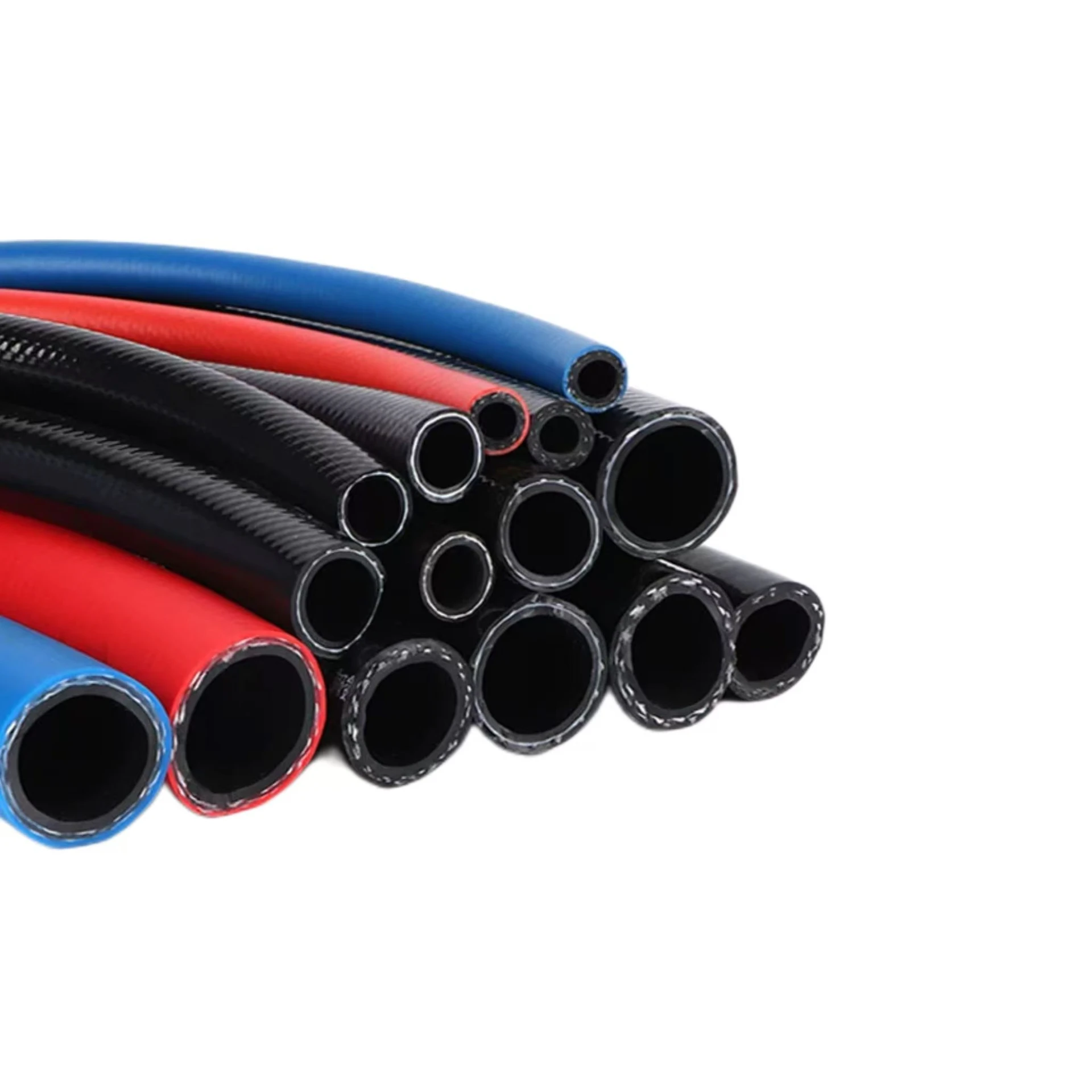
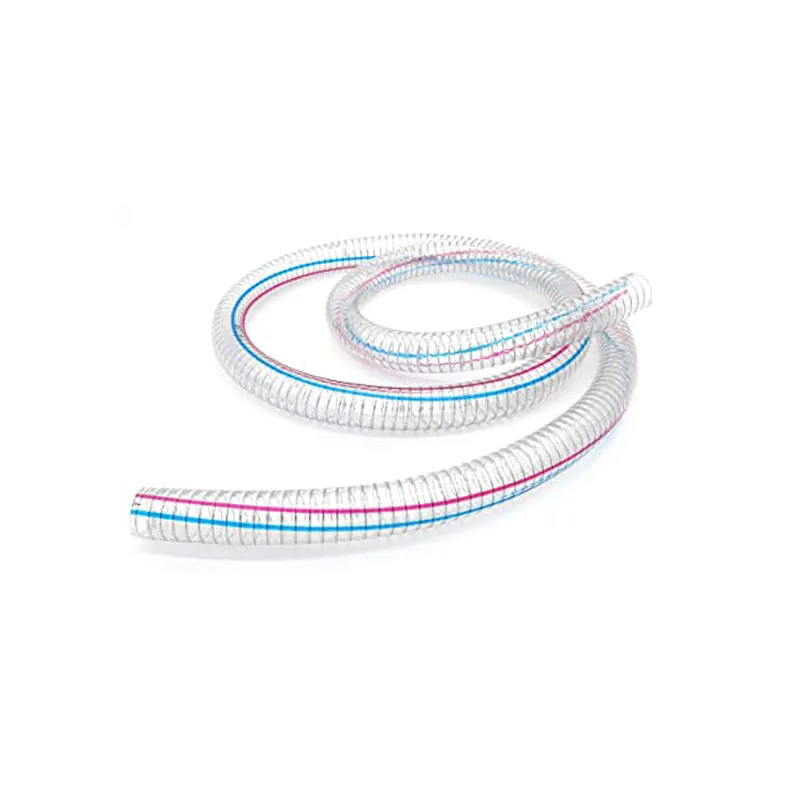
The first thing I tend to notice about a good 3 inch rubber hose is its material makeup. Most quality hoses use a blend of synthetic rubber compounds—usually nitrile or EPDM—for a toughness that holds up against oils, chemicals, and sometimes extreme temperatures. The layering is crucial. Usually, a reinforced braid or spiral of high-tensile textile or steel wire sits underneath the rubber cover, giving the hose its strength and pressure rating.
Testing is something that doesn’t get enough spotlight, I suppose. Good manufacturers will test their hoses according to stringent ISO or SAE standards—pressure endurance, abrasion resistance, and sometimes even ozone or UV resistance if the hose is expected to work outdoors. It’s worth confirming this because the wrong hose in an industrial setting can lead to downtime or worse.
| Specification | Details |
|---|---|
| Inner Diameter | 3 inches (76.2 mm) |
| Material | Nitrile/EPDM rubber with textile reinforcement |
| Operating Pressure | Up to 250 psi (17 bar) |
| Temperature Range | -40°F to 212°F (-40°C to 100°C) |
| Length Options | Typically 10 to 50 feet |
Customization is another biggie. Some customers ask for specific lengths or coupling types tailored to their setups. I recall one site where a client needed hoses that could resist acidic chemicals while lasting for years under solvent exposure—they ended up using a specialized blend that wasn’t exactly off-the-shelf, but worked wonders. You know, it’s tackles like these that make the industrial equipment world quite vibrant.
When we talk vendors, it’s worth comparing what’s out there. I’ve done a bit of side-by-side to see how products differ in specs, pricing, and quality assurance:
| Vendor | Material | Price Range | Max Pressure | Warranty |
|---|---|---|---|---|
| ZSmartFlexHose | EPDM with steel braid | $$$ | 250 psi | 2 years |
| Generic Supplier A | Nitrile textile reinforcement | $ | 200 psi | 1 year |
| Industrial Hose Co. | EPDM with textile weave | $$ | 225 psi | 18 months |
Something I’ve learned is to balance cost and quality carefully. Some cheaper hoses look tempting, but after a few months in harsh environments, they tend to crack or leak. I guess it’s a lesson in “buy right, buy once.” And that’s where brands like ZSmartFlexHose often shine—they back their products with solid warranties and performance records.
One last thing, and maybe this is just my personal bias: handling hoses that are flexible but not floppy makes a big difference on site. It’s easier to maneuver and install, especially in cramped spaces, but still stays put without kinking under pressure. That net effect can really save time and headaches.
So next time you see a 3 inch rubber hose hanging behind a workshop bench or connected to heavy machinery, you might just think twice about how much engineering and testing goes into something that looks so simple.
Takeaway: In real terms, choosing the right 3 inch rubber hose isn’t just about diameter—it’s about materials, testing, and the kind of support you get from the vendor.
References:1. Industrial Hose Standards, ISO 18238
2. SAE J517 Hydraulic Hose Standards
3. ZSmartFlexHose Official Product Literature (2023)
Z-Smartflex delivers superior-quality industrial hoses and fittings with global reliability, offering you durable solutions and exceptional service for all your fluid transfer needs.