Understanding the 25mm Rubber Hose: Versatile Solutions for Global Needs
The 25mm rubber hose might sound like just another industrial component, but it’s actually a quietly vital element across many sectors worldwide. From irrigation in remote farms to plumbing systems in urban infrastructure, the simple dimension “25mm” — indicating the hose’s inner diameter — offers a perfect balance: small enough for agile applications, yet substantial enough to handle significant flow and pressure. Understanding this product, what it does, and why it matters helps us grasp how essential flexible and durable materials are when it comes to building resilient systems, especially in sectors under pressure from sustainability challenges, climate change, and global supply constraints.
Global Relevance of the 25mm Rubber Hose
Globally, water management is at the heart of sustainable development goals (UN, 2023). The need for effective fluid transport systems is growing, especially in agriculture, manufacturing, and even emergency relief efforts. The 25mm rubber hose plays a surprisingly transformative role here. According to data from the World Bank, roughly 70% of global freshwater withdrawals go to irrigation and industry combined — precisely where such hoses come into play. Their flexibility, strength, and ease of deployment solve logistical headaches that rigid piping simply can’t in many contexts.
Yet, a challenge remains in ensuring these hoses meet strict durability and safety standards, especially under varying environmental pressures, including exposure to chemicals, UV light, and temperature fluctuations.
| Specification | Detail |
|---|---|
| Inner Diameter | 25mm (1 inch) |
| Material | Natural/Synthetic Rubber Blend |
| Operating Pressure | Up to 10 bar (145 psi) |
| Temperature Range | -20°C to 80°C (-4°F to 176°F) |
| Length Options | 5m, 10m, 20m, Custom |
What Is a 25mm Rubber Hose Anyway?
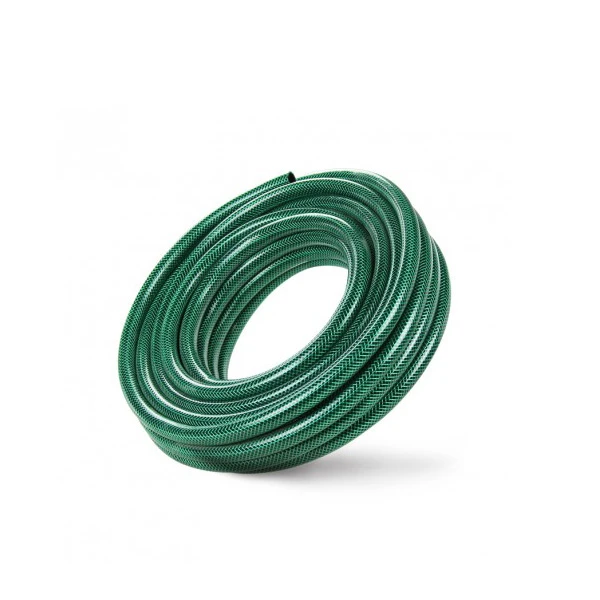
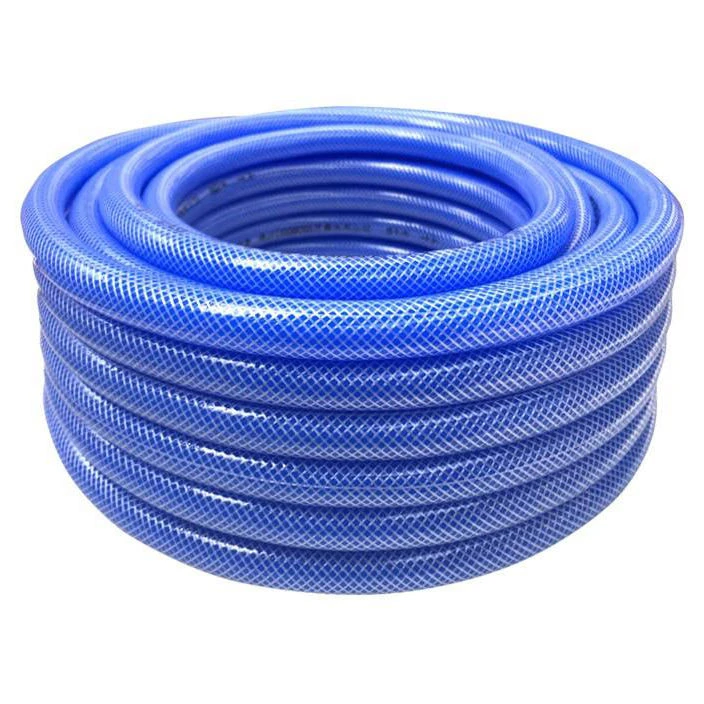
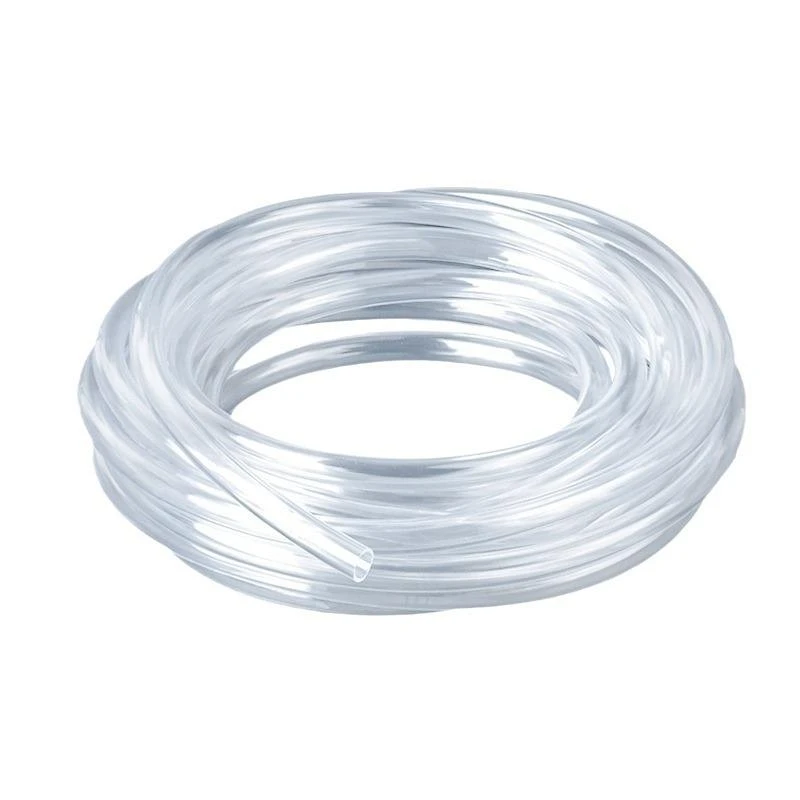
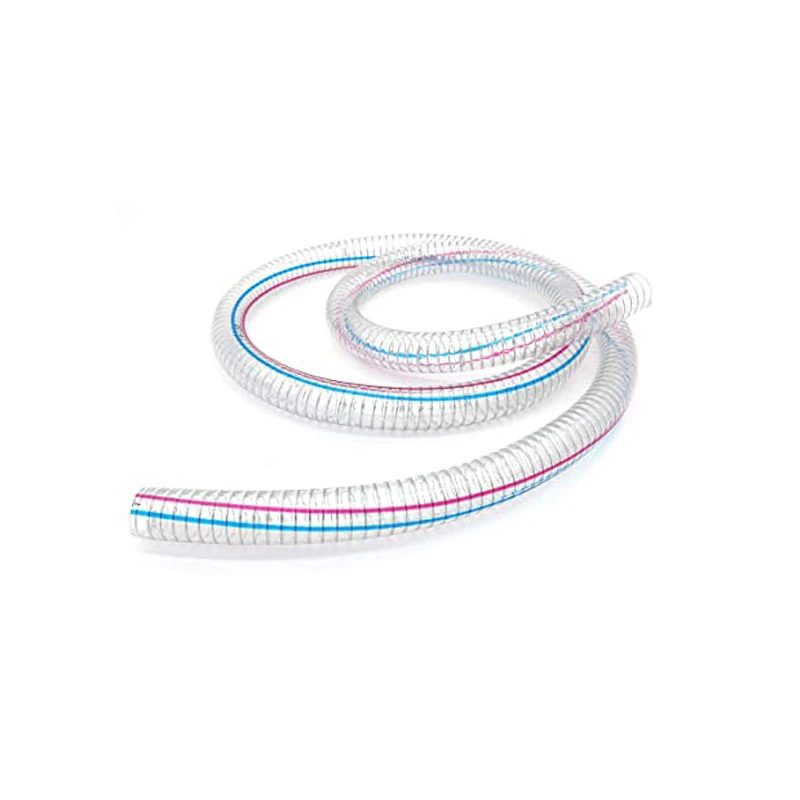
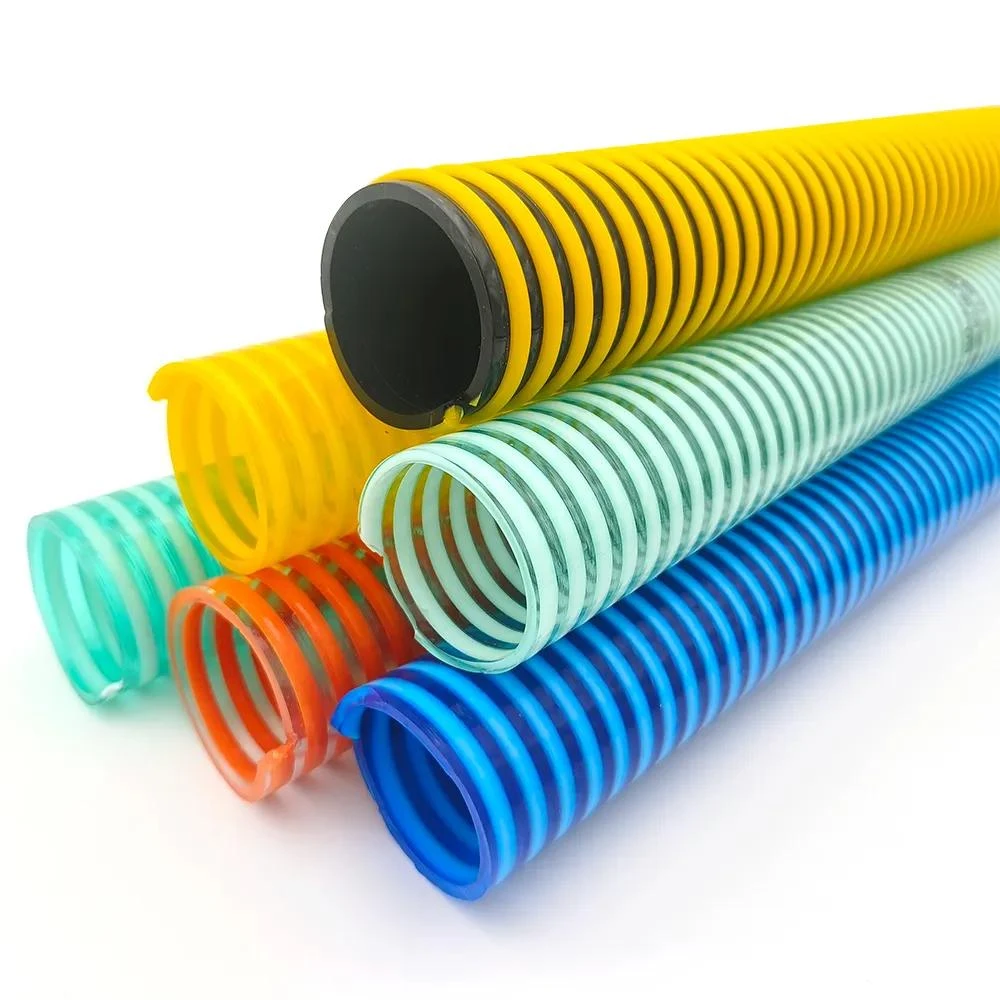
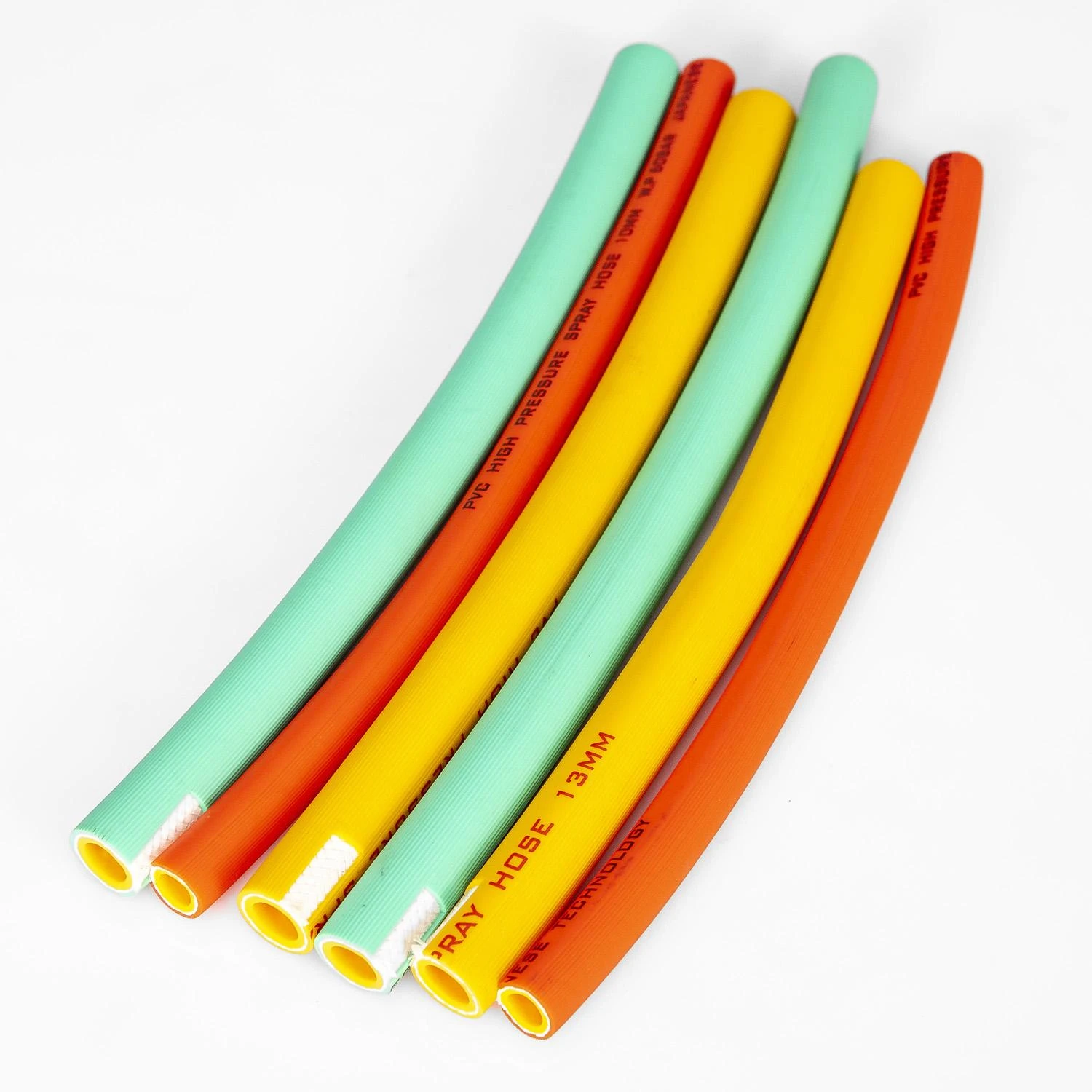
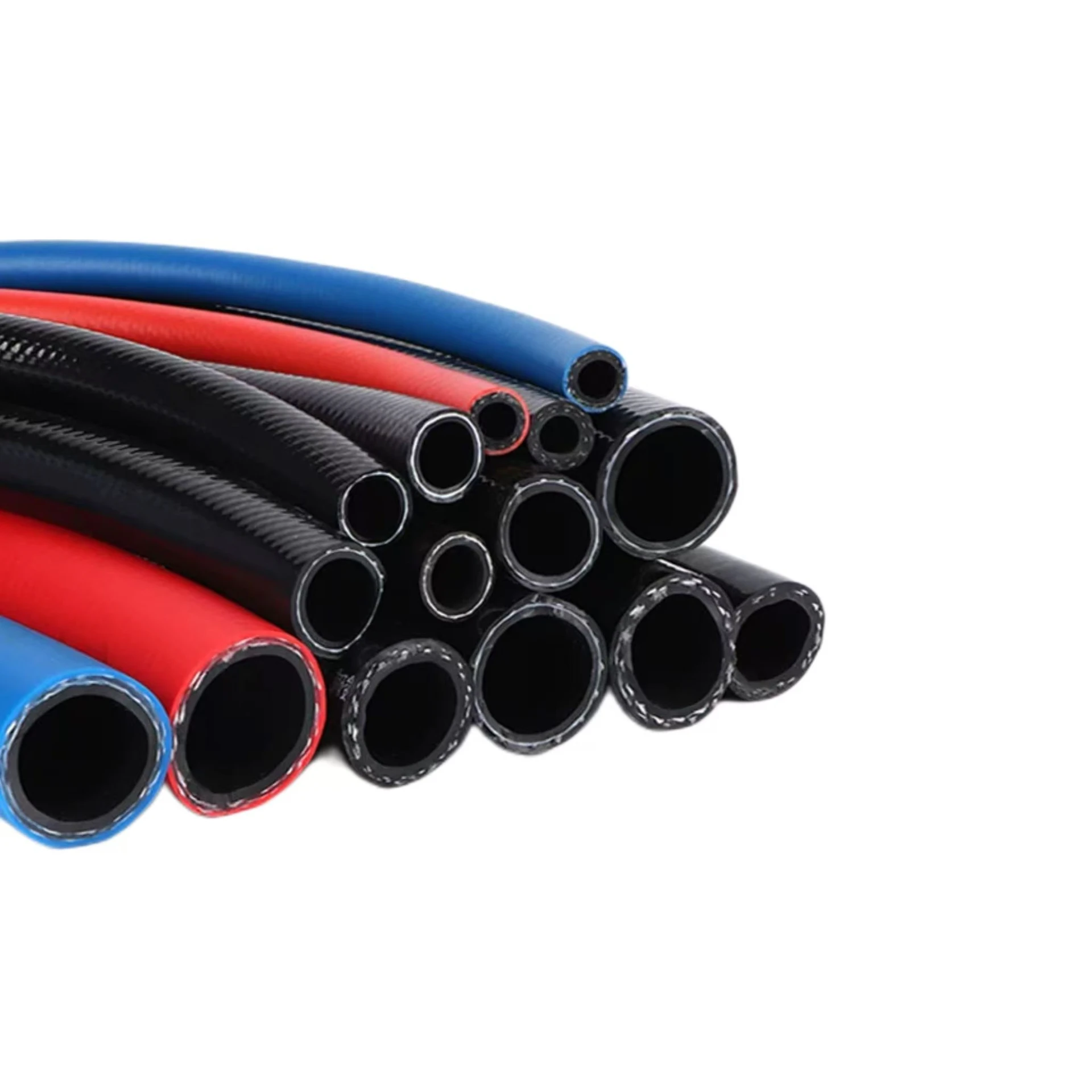
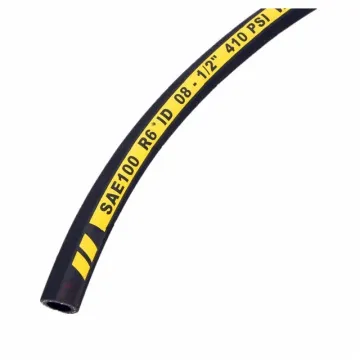
Put simply, a 25mm rubber hose is a flexible tube designed to transport liquids or gases, with an inner diameter of exactly 25 millimeters. Made mostly from natural or synthetic rubber, these hoses combine elasticity with toughness. The choice of 25mm is significant — offering a balance point in the world of hoses where larger diameters bring bulk and weight, and smaller diameters limit flow volume.
Their adaptability means they’re often used to replace rigid piping in systems that require flexibility — think irrigation pumps moving around fields, or fuel transfer systems that need to handle vibration without cracking.
Core Characteristics Behind the 25mm Rubber Hose
Durability
These hoses must withstand physical abrasion, weather elements, and sometimes chemical exposure. The rubber compound typically includes additives improving UV resistance and toughness, making it usable outdoors for prolonged periods. Frankly, durability often makes or breaks the decision to pick a rubber hose versus other materials.
Flexibility
The hose’s ability to bend sharply without kinking allows more efficient setups in cramped or irregular environments. Flexibility helps avoid system failures that rigid lines would inevitably experience.
Cost Efficiency
Compared to metallic or composite pipes, rubber hoses tend to be cheaper, easier to install, and maintain. You’re looking at savings in time and logistics, which adds up if you’re deploying on a large scale — like municipal waterworks or humanitarian kits that NGOs rely on.
Scalability & Customization
These hoses come in various lengths, thicknesses, and hardness grades. Having standard sizes — like the ubiquitous 25mm diameter — makes it simpler to order replacements and compatible fittings worldwide. This modularity is key in remote industrial zones and disaster relief situations, where equipment interchangeability is a life saver.
Real-World Applications & Industries
The breadth of 25mm rubber hose applications might surprise you. Agriculture is a major one: in regions such as Sub-Saharan Africa and South Asia, smallholder farms use these hoses for drip irrigation and water distribution. Industrial sectors — chemical plants, automotive shops, food processing units — rely on them for transferring fluids safely.
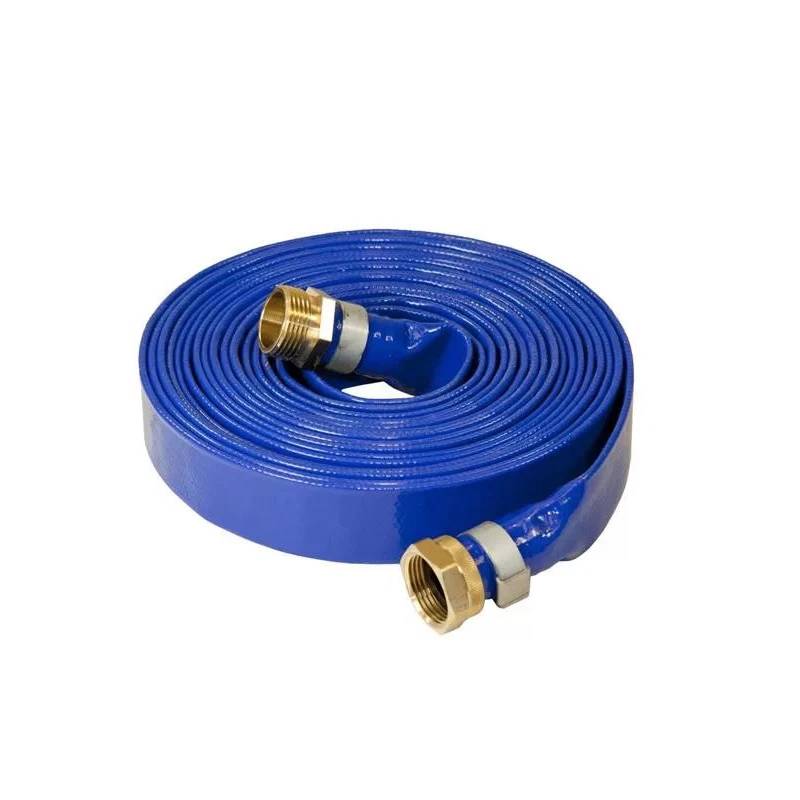
Oddly enough, emergency response teams often stockpile flexible hoses for quick deployment in flood zones, firefighting, and sanitation efforts. For example, relief organizations in post-disaster scenarios use 25mm hoses to set up temporary water supply chains, connecting pumps to filtration units swiftly.
Why Choose 25mm Rubber Hose? The Long-Term Payoff
- Reliability: Proven materials with decades of industry adaptation.
- Cost Savings: Affordable upfront and low maintenance costs.
- Environmental Impact: Many manufacturers now use recycled rubber and eco-conscious production processes.
- Safety & User Dignity: In humanitarian contexts, reliable water delivery enhances community well-being.
- Innovation: Advances in rubber compounding and reinforcement layers continue to improve lifespan and performance.
Innovative Trends and the Future
The rubber hose market isn’t static, as one might guess. Manufacturers are pushing boundaries with materials resistant to oils, fuels, and extreme temperatures, integrating smart sensors to detect leaks or pressure drops in real time. Sustainability is also driving innovations — from biodegradable rubber blends to fully recyclable hoses. This aligns well with global climate targets (ISO 14001 standards) enforcing responsible production.
Challenges and Some Practical Solutions
Despite their upsides, 25mm rubber hoses have weaknesses. Over time, they degrade under UV exposure or can crack with cold weather. They are sometimes less suitable for ultra-high-pressure or highly corrosive substances compared to metal hoses. Then there’s the challenge of counterfeit or substandard products flooding low-cost markets.
Solutions include using reinforced hose designs, applying UV-blocking coatings, or adopting strict quality control measures verified through international standards like ISO 9001. Buyers are also encouraged to source from reputable suppliers with transparent certifications.
| Vendor | Price per Meter | Material Quality | Certification | Lead Time |
|---|---|---|---|---|
| ZSmart FlexHose | $2.50 | Premium natural & synthetic rubber | ISO 9001 / CE Certified | 2 weeks |
| Generic Hose Co. | $1.80 | Standard synthetic rubber | No formal certification | 1 week |
| Global Rubber Supply | $3.10 | Industrial grade synthetic reinforced | ISO 14001 certified | 3-4 weeks |
FAQ: Your Common Questions Answered About 25mm Rubber Hose
- Q: Can the 25mm rubber hose be used for potable water?
A: Yes, provided it is specified as food-grade or potable-water safe according to relevant standards (e.g., NSF/ANSI 61). Always verify supplier certifications for safe drinking water use. - Q: What is the maximum pressure a 25mm rubber hose can handle?
A: Typically, hoses in this size class operate safely up to 10 bar (145 psi), but exact limits depend on material and reinforcement layers. Check product datasheets before critical applications. - Q: How often should these hoses be replaced in industrial environments?
A: Replacement intervals vary but generally range between 1 to 3 years, factoring in usage intensity, exposure conditions, and inspection results. - Q: Are 25mm rubber hoses customizable?
A: Absolutely. Vendors like ZSmart FlexHose offer custom lengths, materials, and fittings to meet specific project needs.
Wrapping Up: Why the 25mm Rubber Hose Still Matters
The humble 25mm rubber hose may not make headlines, but it quietly enables critical functions across agriculture, industry, and humanitarian sectors worldwide. Its blend of durability, flexibility, and affordability means it solves real-world problems in fluid transport, often in challenging conditions. Keeping an eye on innovations and sourcing from reliable vendors ensures users get the best performance and value.
Interested in learning more or sourcing industrial-grade hoses? Visit https://www.zsmartflexhose.com to explore trusted options tailored to your needs.
Mini takeaway: When it comes to reliable, versatile, and cost-effective fluid transport, the 25mm rubber hose remains a cornerstone of modern infrastructure.
References
Z-Smartflex delivers superior-quality industrial hoses and fittings with global reliability, offering you durable solutions and exceptional service for all your fluid transfer needs.