Why Understanding the Hydraulic Rubber Hose Pipe Matters Worldwide
If you’ve ever worked around heavy machinery, agricultural equipment, or industrial manufacturing lines, you’ve likely relied—directly or indirectly—on hydraulic rubber hose pipes. These seemingly humble components are the unsung heroes that keep fluids flowing under pressure, ensuring machines operate smoothly. Globally, their importance can’t be overstated: they connect high-pressure systems for sectors ranging from automotive to construction, even humanitarian aid. Yet, despite their ubiquity, many overlook what makes these hoses vital and the benefits that come with mastering their nuances.
To put it plainly, hydraulic rubber hose pipes are the lifelines transporting power via fluid pressure. Understanding their design and applications isn’t just technical jargon — it reflects on safety, operational efficiency, and cost savings that ripple across industries worldwide.
The Global Role of Hydraulic Rubber Hose Pipes in Industry Today
Across the globe, hydraulic systems enable everything from excavators to aircraft landing gears. According to the International Organization for Standardization (ISO), the hydraulic hose market is expected to grow steadily over the next decade, driven by rapid industrialization in Asia-Pacific and modernization in Europe and North America.1
Challenges exist though. Hydraulic failures, often due to hose damage or improper fittings, contribute to unplanned downtime and costly repairs, impacting everything from oil refineries to humanitarian projects delivering water under pressure to remote areas.
In this sense, the hydraulic rubber hose pipe isn’t just a component; it’s a solution addressing the universal need for reliable, flexible fluid transmission systems that can withstand diverse environments.
What Exactly Is a Hydraulic Rubber Hose Pipe?
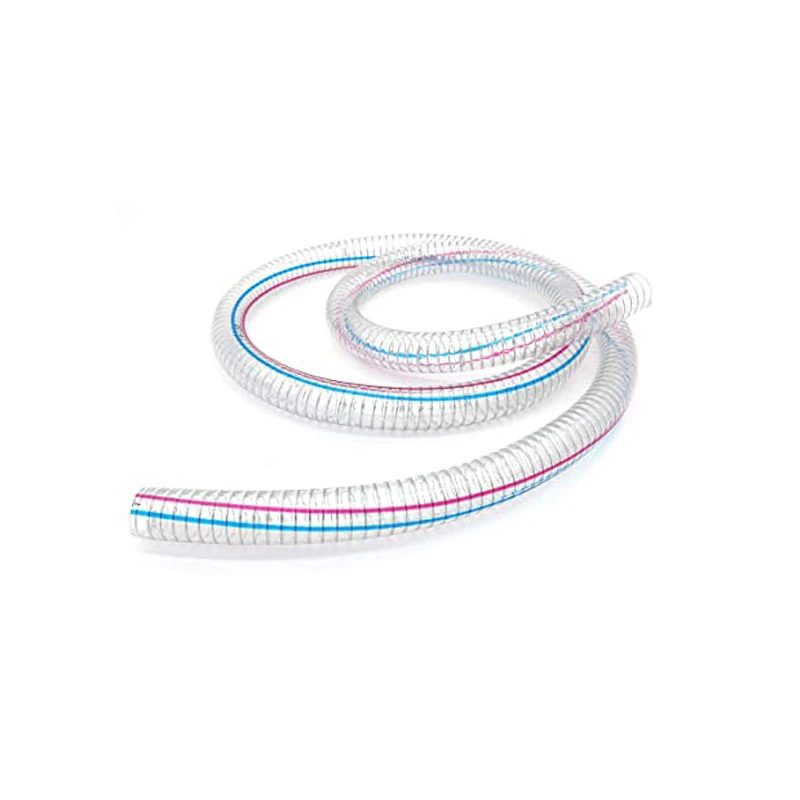
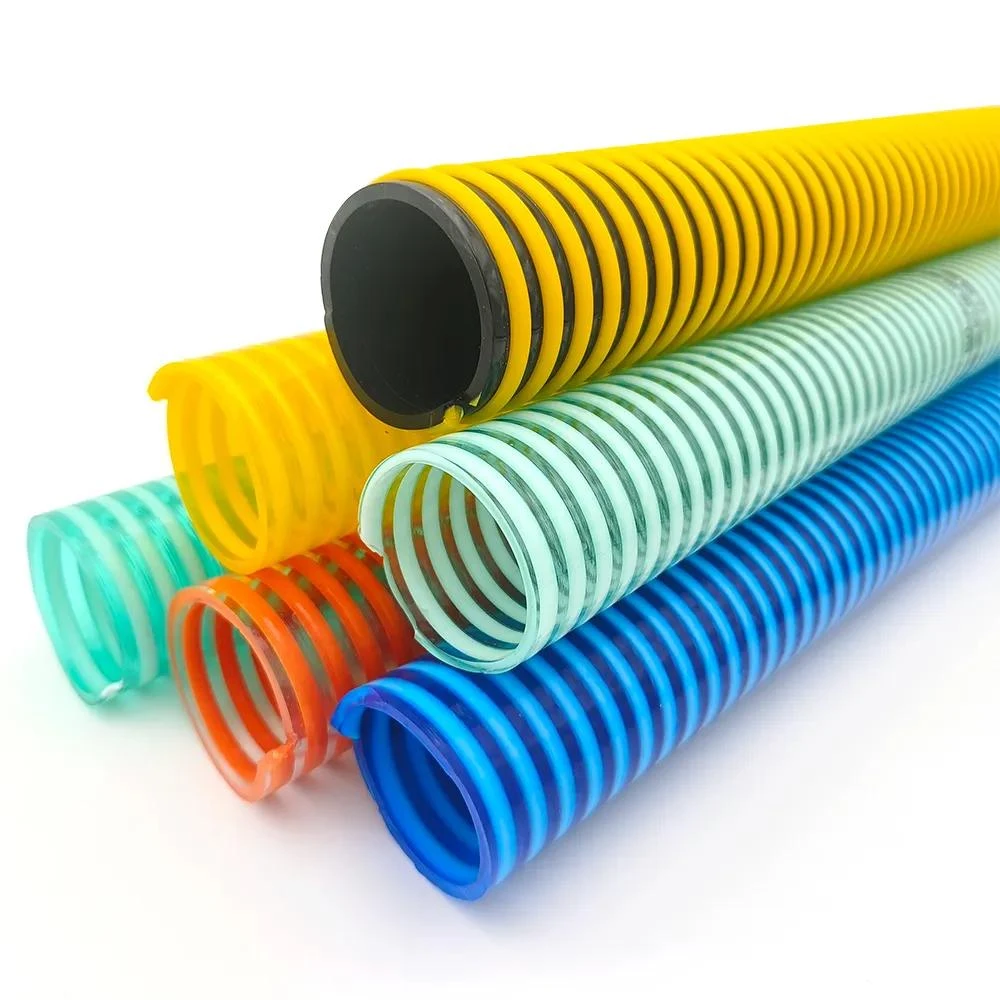
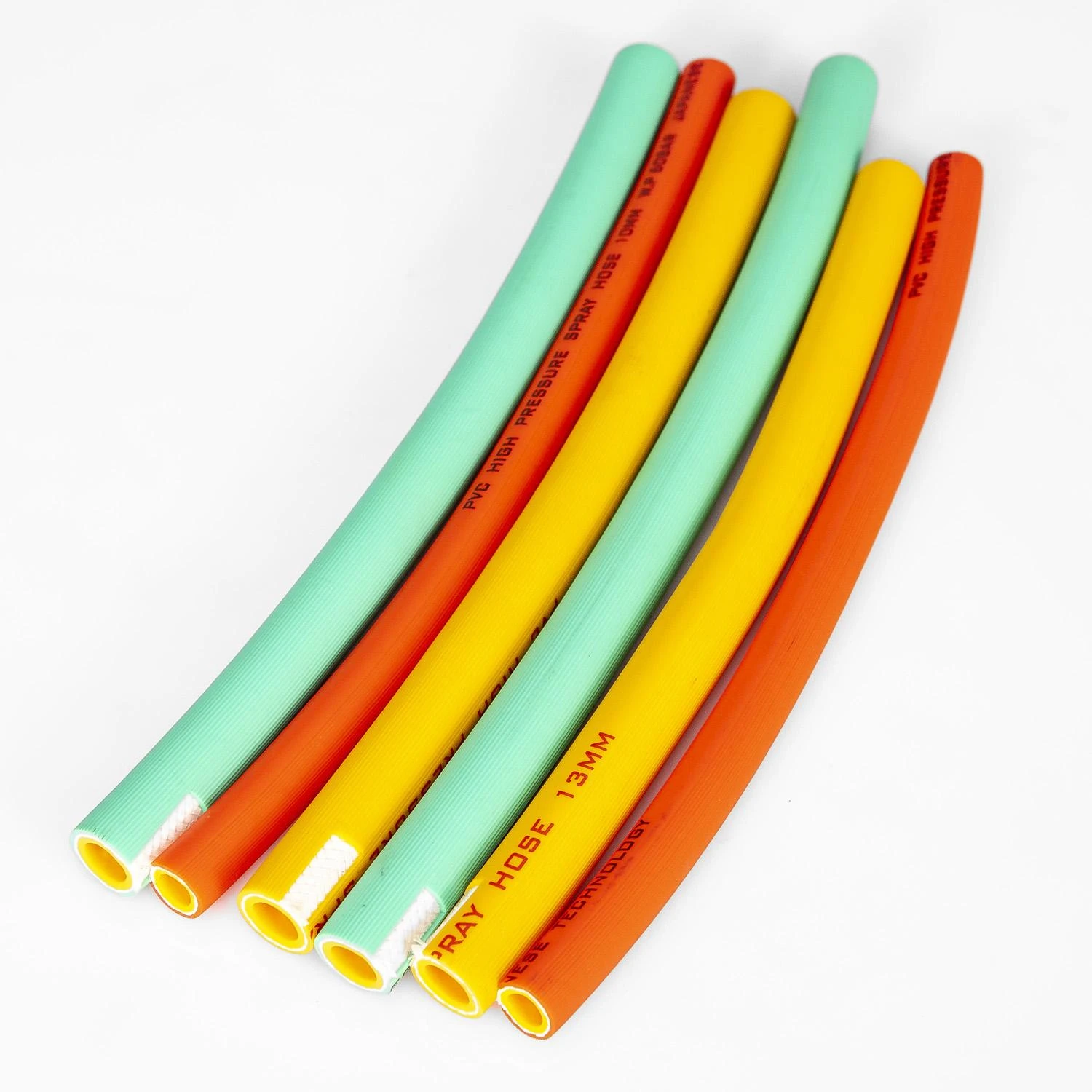
Simply put, a hydraulic rubber hose pipe is a flexible tube designed to carry hydraulic fluid — usually oil — between components that use fluid power in machinery. Unlike rigid lines, these hoses bend, flex, and absorb vibrations, fitting complex machines with confined spaces.
In industries ranging from agriculture to disaster relief operations, these hoses maintain pressure integrity while being lightweight and adaptable. Imagine a rescue team in a flood zone setting up pumps and needing hoses that won’t kink or break — that’s where hydraulic rubber hoses shine.
Mini Takeaway:
- Hydraulic rubber hose pipes transport pressurized fluids flexibly.
- They are crucial for efficient, safe operation of hydraulic systems worldwide.
Core Components and What Makes These Hoses Tick
1. Durability
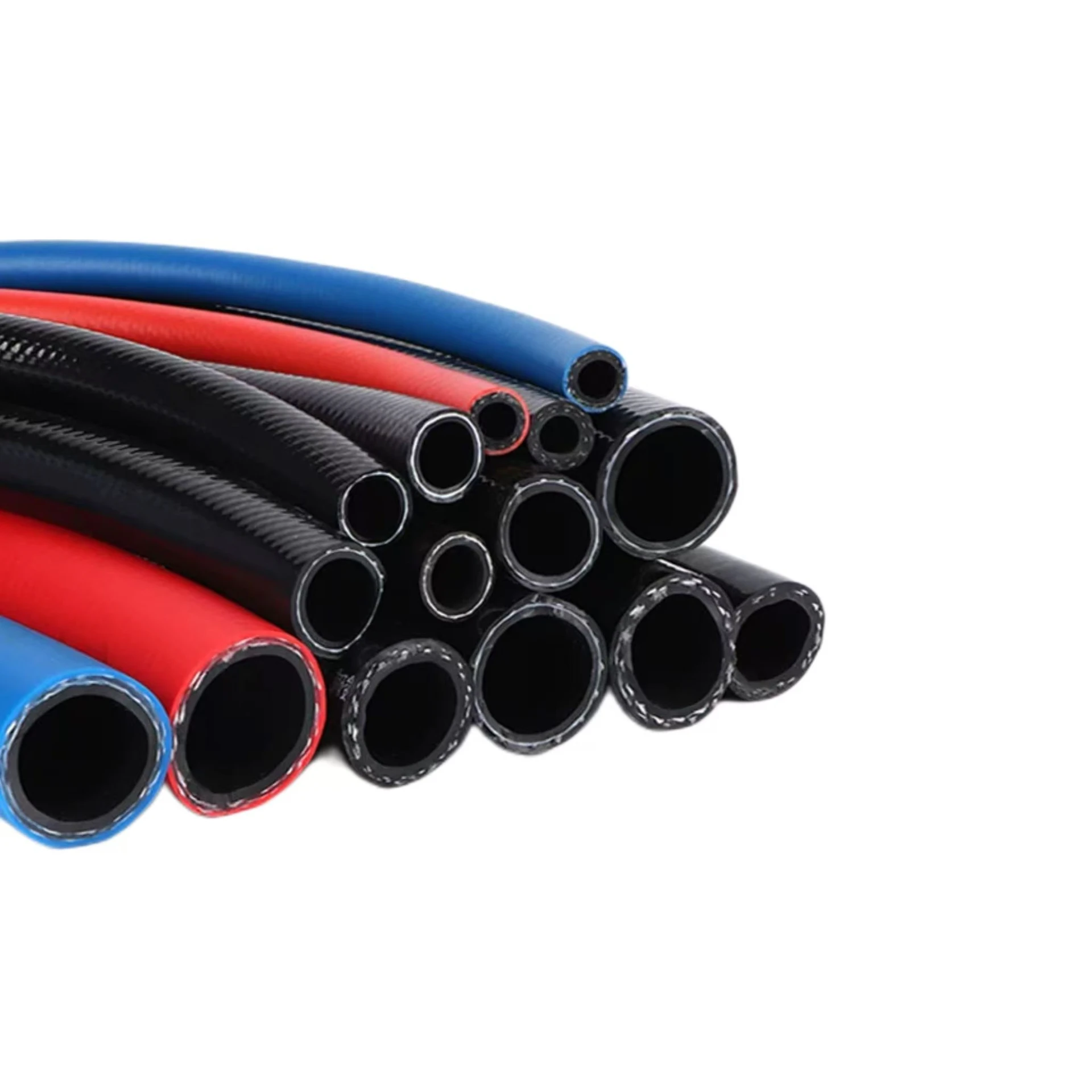
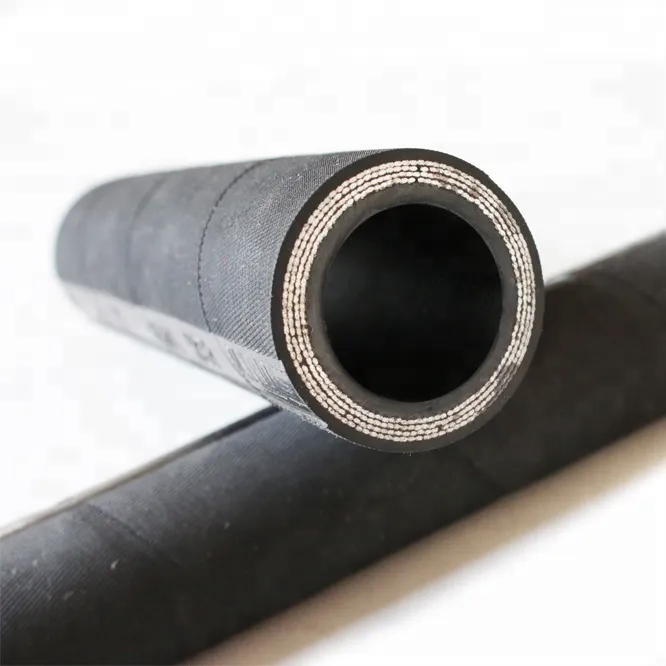
Hydraulic hose pipes are built to last. Their composition usually includes multiple layers of rubber and reinforced textile or steel wire braids, tuned to resist abrasion, chemicals, and temperature extremes. In practical terms, this means they won’t easily degrade on a construction site or inside a manufacturing plant.
2. Pressure Rating
Each hose comes with a maximum working pressure, measured in bar or psi, indicating how much pressure the hose can safely handle. Choosing the right rating ensures no surprise bursts or leaks. For instance, a hose rated at 400 bar won’t be suitable for an application requiring 700 bar — simple but crucial.
3. Flexibility and Bend Radius
Unlike rigid piping, the hydraulic rubber hose pipe can flex and bend without kinking, fitting into machine designs that otherwise wouldn’t accommodate fluid lines. Having a good bend radius means longer service life and easier installation.
4. Compatibility & Chemical Resistance
Different hydraulic fluids and exposure to lubricants or solvents require hoses that won’t break down or swell. The rubber compound selection is critical: nitrile, neoprene, or PVC blends each serve different fluid compatibilities and environmental conditions.
5. Temperature Range
Hoses must operate reliably in extreme cold and heat. Many hydraulic hoses span from -40°C up to 100°C or higher — factoring in this range avoids unexpected failures.
Mini Takeaway:
- Material choices define durability and chemical resistance.
- Pressure rating and flexibility ensure safe, practical application.
Real-World Applications & Who’s Benefiting
Hydraulic rubber hose pipes aren’t niche components; they are everywhere. Construction cranes in Dubai, agricultural sprayers in India, and hydroelectric turbines in Brazil all rely on these hoses to transport hydraulic oil under pressure.
Post-disaster relief teams often deploy pumps linked with flexible hydraulic hoses to drain floodwater swiftly — no rigid pipes that break or are difficult to deploy. In remote mining sites in Western Australia, robust hydraulic hoses handle heavy loads under tough environmental conditions, reducing maintenance downtime.
Regions with booming manufacturing sectors, like Germany and China, drive innovation in hose materials and design to match their strict industrial safety standards. And don’t look past the automotive sector, where precision hydraulic systems rely on high-quality hoses for braking and steering mechanisms.
Mini Takeaway:
- Hydraulic hoses support critical infrastructure and emergency response worldwide.
- Many industries require specific hose qualities tailored to their environment.
Why Investing in Quality Hydraulic Rubber Hose Pipes Pays Off
It isn’t just about dollars, though cost-saving is a big factor. For industrial operations, the difference between a reliable hose and a cheap one can mean days of downtime or safety incidents.
Long-term value comes with peace of mind: hydraulic hoses reduce leaks (which means less environmental impact) and maintain steady pressure, enhancing equipment performance and worker safety. Beyond numbers, safety evokes trust, and trust means smoother projects and operational success.
Environmental considerations are not far behind. Many manufacturers now prioritize sustainable materials or recyclable components, aligning with global efforts to reduce industrial waste.
Hydraulic Rubber Hose Pipe Specifications
| Specification | Typical Values | Notes |
|---|---|---|
| Inner Diameter | 6mm – 50mm | Various sizes for light to heavy duty |
| Operating Pressure | 100 – 700 bar | Depends on hose construction |
| Temperature Range | -40°C to +100°C | Suitable for most environments |
| Reinforcement | Steel wire braid or textile | Provides strength and flexibility |
| Material | Nitrile rubber, Neoprene | Chemical and abrasion resistance |
Comparing Top Hydraulic Hose Vendors
| Vendor | Product Range | Price Range | Special Features | Global Reach |
|---|---|---|---|---|
| HydroFlex | 6mm – 38mm, steel-reinforced | Mid | Eco-friendly rubber compounds | Europe, Asia |
| FlexiFlow | 8mm – 50mm, textile braid | Budget-friendly | Wide temperature range | North America, South America |
| ZSmart Hose Co. | 6mm – 40mm, steel & textile | Premium | Customizable fittings & eco-range | Global, with special focus on emerging markets |
Looking Ahead: Future Innovations in Hydraulic Rubber Hose Pipe
I’ve noticed a clear trend towards more sustainable materials and smart hoses that can self-diagnose wear or leaks — a bit like giving the hose a brain. Digital sensors embedded during manufacturing allow operators to monitor hose health in real-time, preventing failures before they happen.
Furthermore, as green energy projects ramp up, especially in wind and solar hydropower systems, hoses need to meet stricter environmental regulations and chemical compatibility standards without sacrificing performance. Manufacturers are experimenting with bio-based rubbers and novel reinforcement fibers to extend hose life sustainably.
Challenges and Clever Solutions
Hydraulic rubber hose pipe deployment faces some persistent challenges:
- Wear and Tear: Despite their toughness, hoses degrade over time, especially in harsh environments.
- Installation Errors: Poor bending or improper fittings shorten hose life drastically.
- Compatibility Issues: Selecting wrong hose materials for given fluids or temperatures can cause swelling or cracks.
How do experts tackle this? Training for installation best practices is crucial, paired with thorough material testing. Some companies now offer on-site fitment support and customized solutions, which drastically improve reliability and safety.
It’s also why reputable suppliers, like ZSmart Flex Hose, emphasize quality assurance and certification compliance — something to keep in mind when sourcing hoses.
FAQ: Your Practical Questions About Hydraulic Rubber Hose Pipes
Q1: What is the typical lifespan of a hydraulic rubber hose pipe?
A: Depending on usage, pressure, and environment, hydraulic hoses usually last between 3 to 5 years. Regular inspection and proper installation can extend this lifespan significantly.
Q2: Can hydraulic rubber hoses handle extreme temperatures?
A: Most hoses operate reliably between -40°C to +100°C, but specialty hoses exist for hotter or colder conditions. Always check the manufacturer specs before deployment.
Q3: How do I know which hose size to choose?
A: Size depends on the flow rate and pressure needed. It’s best to consult with OEM specifications or hydraulics experts to match hose diameter and pressure rating to your system.
Q4: Are these hoses repairable if damaged?
A: Minor damages like abrasion can sometimes be temporarily patched, but pressure hose repairs carry risks. Usually, replacement is recommended for safety.
Q5: Is there a way to recycle old hydraulic rubber hoses?
A: Recycling options exist but vary by region. Some manufacturers provide take-back programs to ensure environmentally sound disposal.
Wrapping It Up: Why Your Next Hose Matters
In real terms, the hydraulic rubber hose pipe is more than just a flexible tube — it’s a critical partner in keeping machinery running safely and efficiently. Whether you’re retrofitting an industrial line, supporting emergency relief, or driving modern machinery, investing in quality hoses reduces downtime, lowers emissions, and boosts safety. Next time you think about hoses, remember, there’s a lot riding on their rubbery shoulders.
For reliable selection and expert support, check out ZSmart Flex Hose and experience the difference quality makes.
References
Z-Smartflex delivers superior-quality industrial hoses and fittings with global reliability, offering you durable solutions and exceptional service for all your fluid transfer needs.