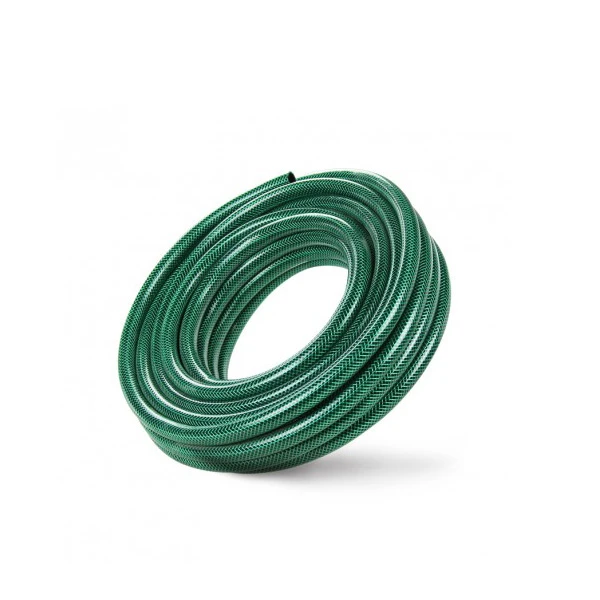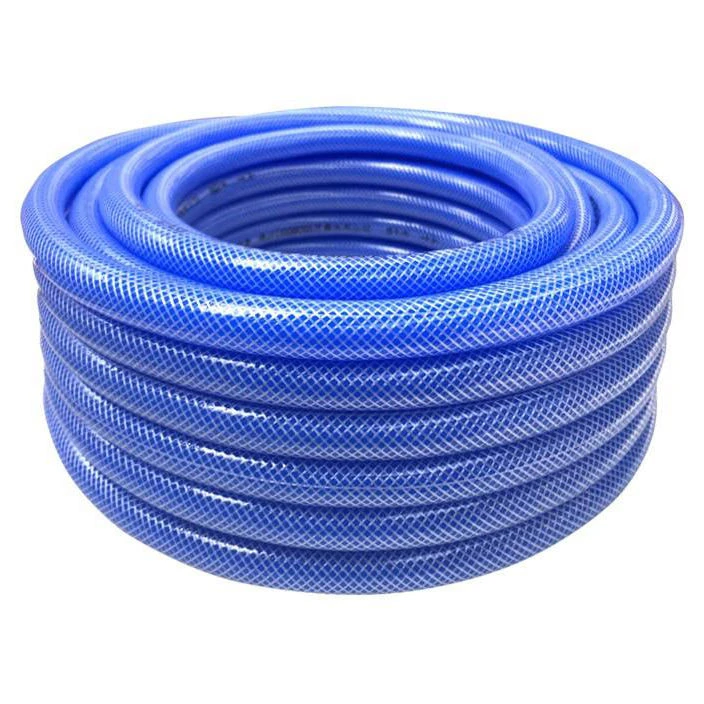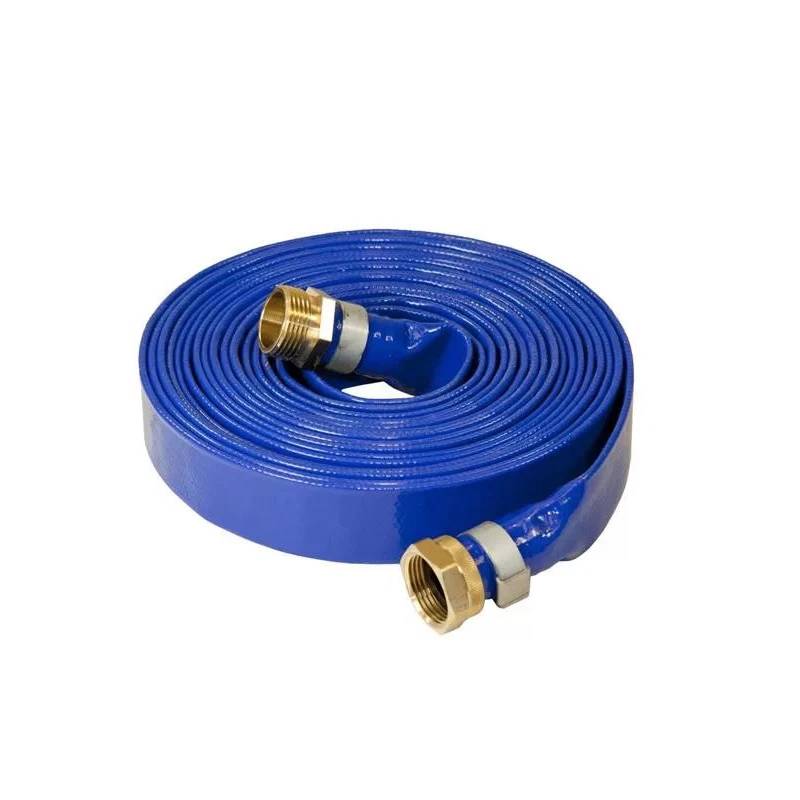
Understanding the 8 Inch Rubber Hose: Durability Meets Flexibility
Having spent over a decade working around industrial equipment, I have a soft spot for the unsung heroes of fluid transport — the rubber hose. Specifically, the 8 inch rubber hose often flies under the radar but plays an essential role in so many heavy-duty environments. It’s the kind of component you hope never fails because, frankly, when it does, it’s costly and messy.
In real terms, these hoses are designed to handle large volumes with resilience and flexibility. I remember working on a site where we replaced 8 inch hoses that had been in service for over five years in harsh conditions. The quality and design of the rubber compound mattered immensely. It wasn’t just about size but also about abrasion resistance, tensile strength, and withstanding temperature extremes.
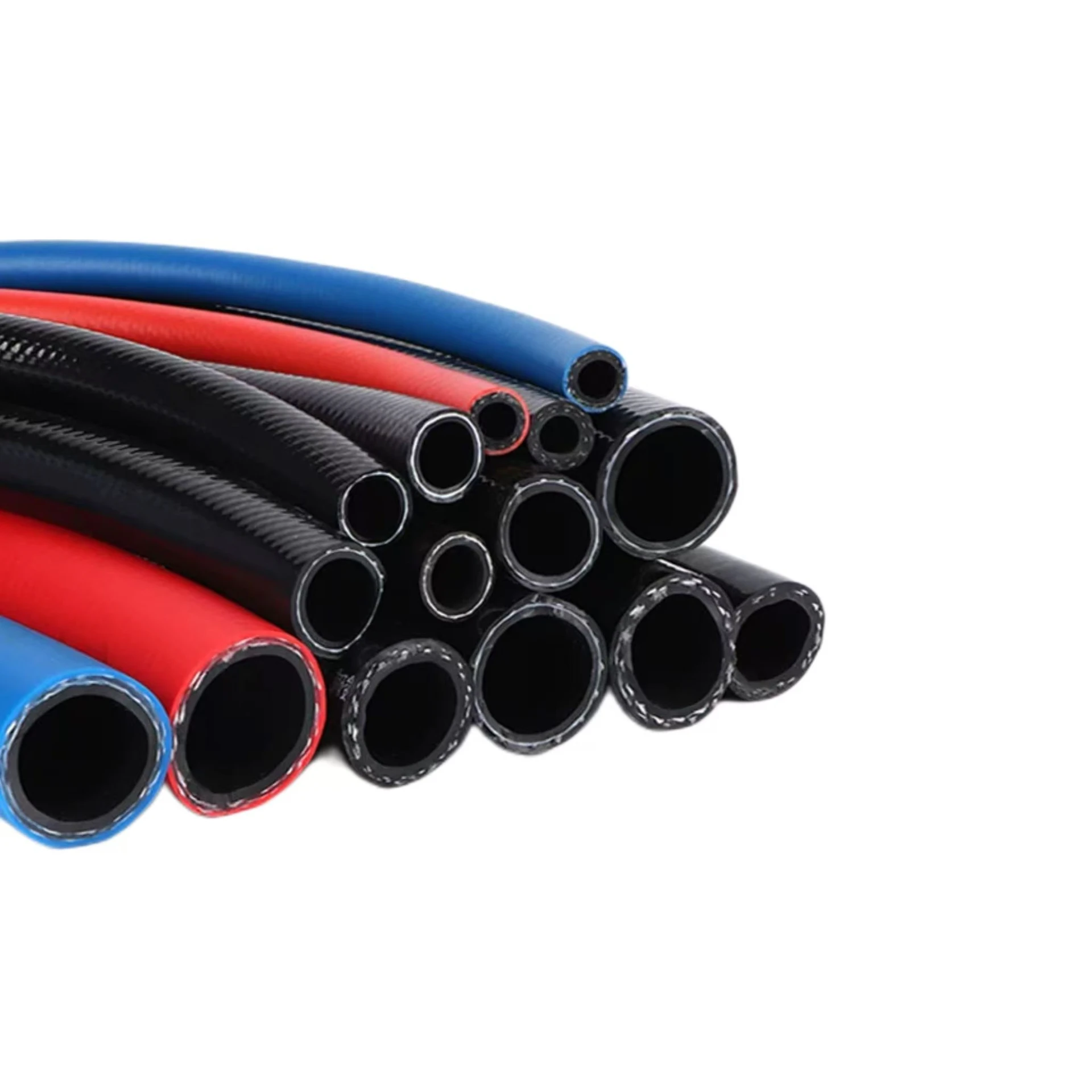
One thing I’ve noticed is that the engineering behind these hoses has evolved significantly. Modern 8 inch rubber hoses combine synthetic rubbers like SBR and NR (styrene-butadiene rubber and natural rubber) with fiber reinforcements to balance flexibility with strength. It’s a fine balancing act — too stiff, and you lose maneuverability; too soft, and it risks premature wear. The hose must also be compatible with whatever fluid it’s conveying, from water to oil to chemicals.
Testing standards have become stricter, too. Pressure testing, burst resistance, and even UV protection tests are common now. There’s a sense of satisfaction knowing that a hose is certified to hold up to a certain PSI, especially when working in industries like mining or agriculture.
Below is a quick glance at typical specs you can expect from a reliable 8 inch rubber hose. These specs can vary by vendor, of course, so it’s worth comparing if you’re buying in bulk.
| Specification | Value |
|---|---|
| Inner Diameter | 8 inches (203 mm) |
| Working Pressure | 150 - 300 PSI (varies by model) |
| Temperature Range | -30°C to +80°C (-22°F to 176°F) |
| Material Composition | NR, SBR, Fiber Reinforced |
| Weight (per meter) | Approx. 5.5 kg |
Now, if you’re sourcing these hoses, you’ll find the market crowded with manufacturers boasting superior specs or price deals. I’ve worked with several top vendors, and oddly enough, the best choices aren’t always the priciest. Sometimes, the balance between service, quality assurance, and delivery speed matters more than just the specs on paper.
| Vendor | Price (per meter) | Lead Time | Warranty | Notes |
|---|---|---|---|---|
| ZSmartFlex Hose | $45 | 2 weeks | 2 years | Excellent durability, tested to harsh environments |
| HoseCo | $42 | 3 weeks | 1 year | Affordable, but warranty is limited |
| FlexPro | $50 | 1 week | 3 years | Premium option, fast delivery |
When I recommended 8 inch rubber hose on a project last year, the client emphasized consistent pressure and abrasion resistance. The ZSmartFlex hose delivered just that, and I think the warranty and lead time made a difference in their decision-making. These practical considerations often tip the scale beyond specs alone.
It’s also worth mentioning customization — some manufacturers offer lining options for chemical resistance or exterior coatings for UV and ozone protection. If you’re in an industry where hose failure isn’t an option, this kind of tailored approach is well worth the cost.
So, does it feel like just a rubber tube? Not at all. In reality, the 8 inch rubber hose is a complex piece of engineered kit that quietly handles a ton of demanding tasks. If you’re on the fence about which hose to choose, my advice is to look beyond price tags — consider durability, testing certifications, and vendor support. It’ll save you headaches down the line.
In short, finding the right 8 inch rubber hose is a bit like choosing a lifelong tool—it’s worth investing time and care upfront because it may well outlast many other pieces of your setup.
References:
- Industrial Hose Manufacturers Association, Hose Testing Guidelines, 2023
- Smith & Sons Equipment Reviews, “Rubber Hose Durability,” 2022
- Field notes from West Coast Mining Project, 2019–2021
Z-Smartflex delivers superior-quality industrial hoses and fittings with global reliability, offering you durable solutions and exceptional service for all your fluid transfer needs.