Pharmaceutical Hoses: Essential Connectors in Modern Medicine
If you've ever wondered how medicines get safely transferred during production, or how sterile liquids flow smoothly in pharma plants, pharmaceutical hoses play an unsung but vital role. Globally, these hoses ensure the critical transportation of drugs, vaccines, and sterile solutions without contamination—keeping millions healthy. Their importance stretches from large-scale industrial environments to emergency humanitarian responses worldwide.
Understanding these specialized hoses gives you key insights into pharmaceutical manufacturing’s rigor, safety standards, and operational efficiency. Plus, it showcases how innovation in such seemingly small components shapes global health.
Introduction: Why Pharmaceutical Hoses Matter Globally
The pharmaceutical sector is booming globally—it’s one of the fastest-growing industries, expected to reach over $1.5 trillion by 2025. This surge in demand propels innovation, but also heightens the need for ultra-safe, contaminant-free processes.
Here’s the challenge: even the tiniest impurity during drug manufacturing can jeopardize product safety, cause costly recalls, or worse, risk patient lives. That’s where pharmaceutical hoses come in. They deliver liquids and gases—ingredients and finished pharmaceuticals—under sterile and hygienic conditions. They meet exacting standards set by authorities like the ISO’s ISO 15378 and the FDA.
Oddly enough, despite their prominence, many overlook these hoses’ complexity and criticality. Yet, anyone serious about pharma manufacturing or supply chains must reckon with their importance.
What Exactly Are Pharmaceutical Hoses?
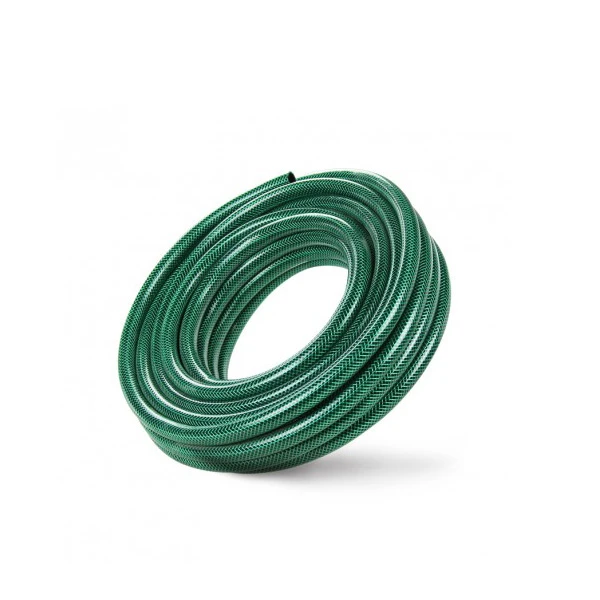
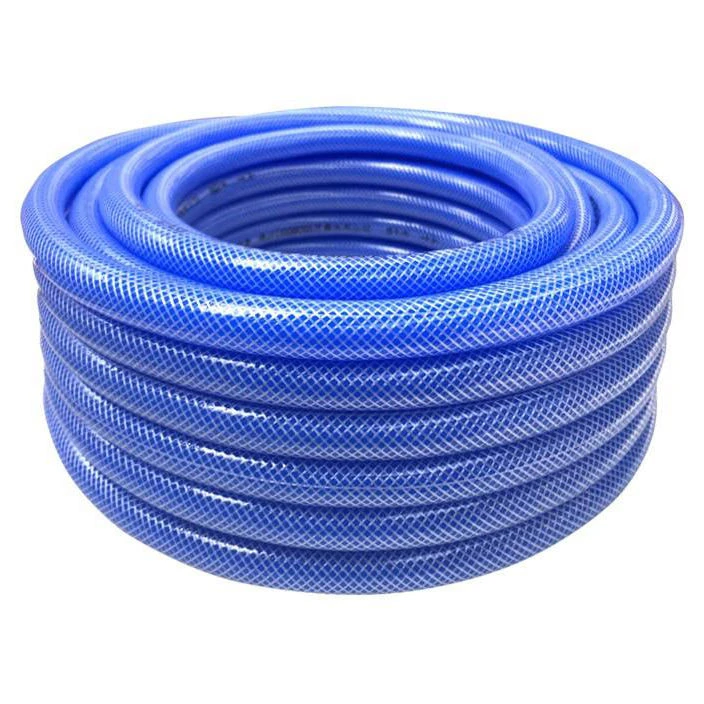
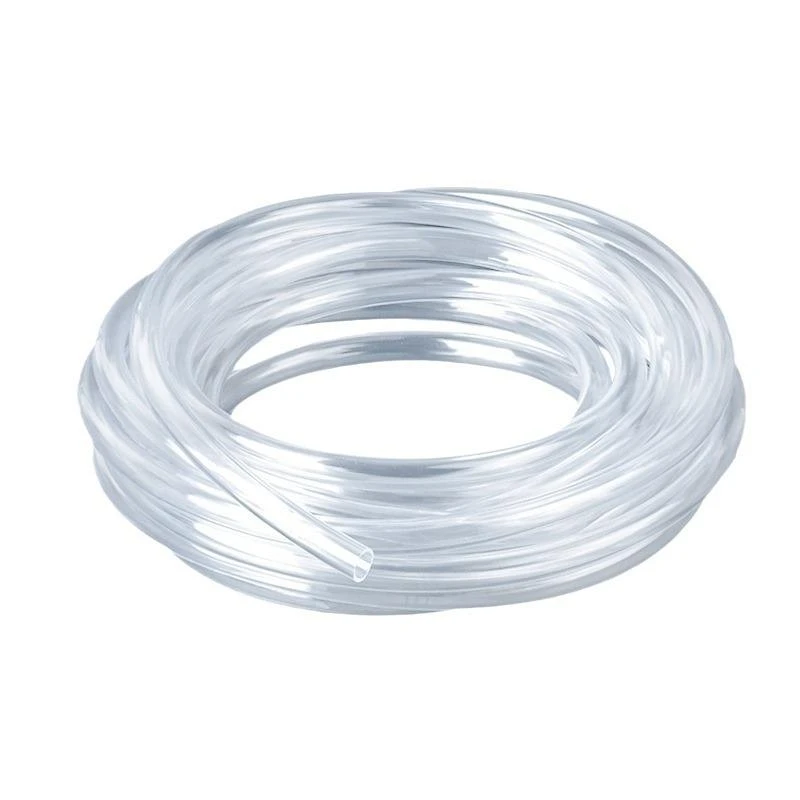
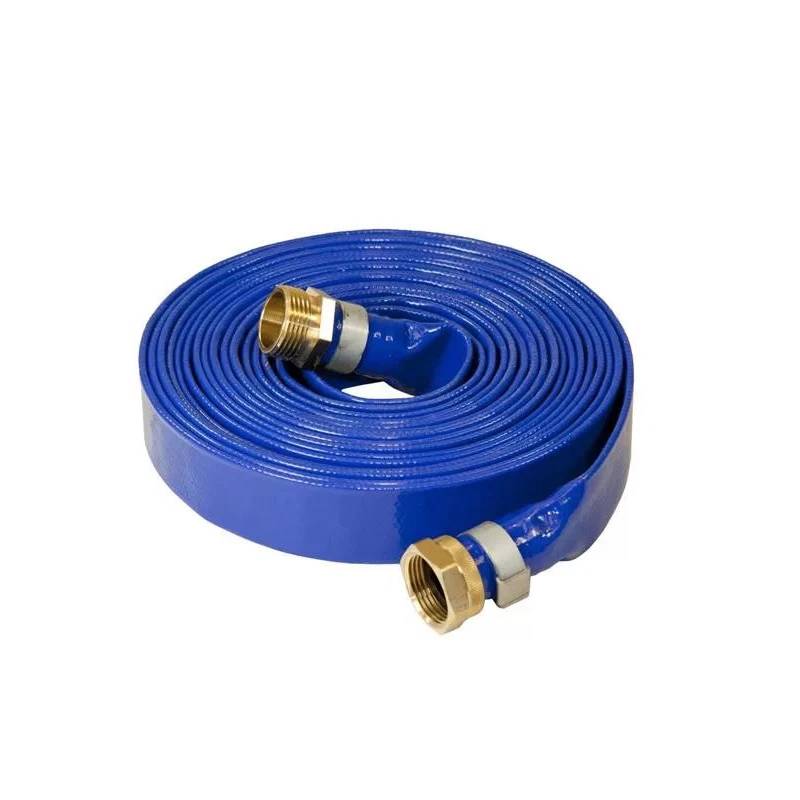
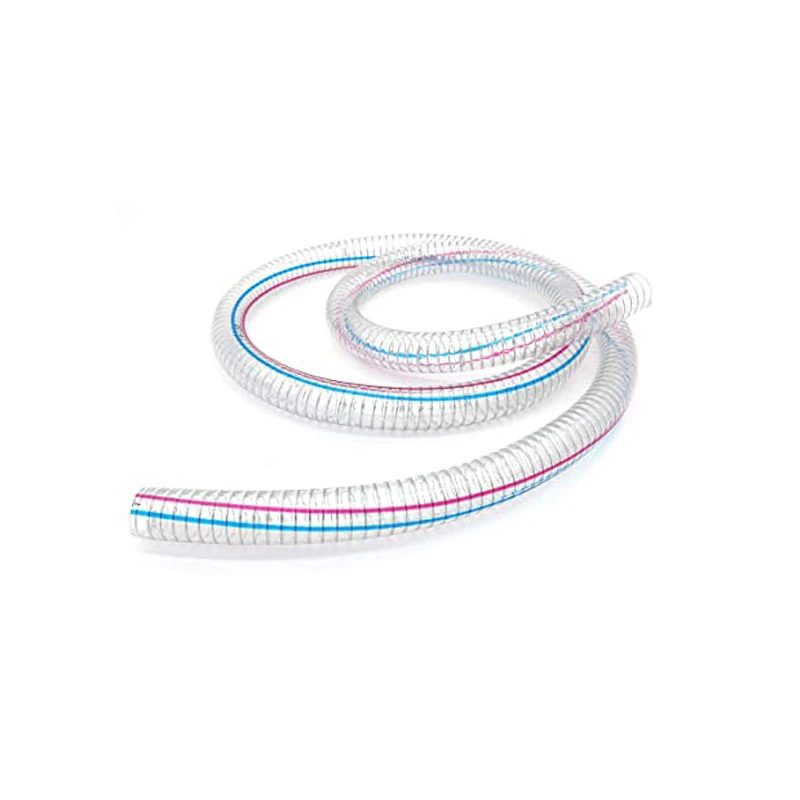
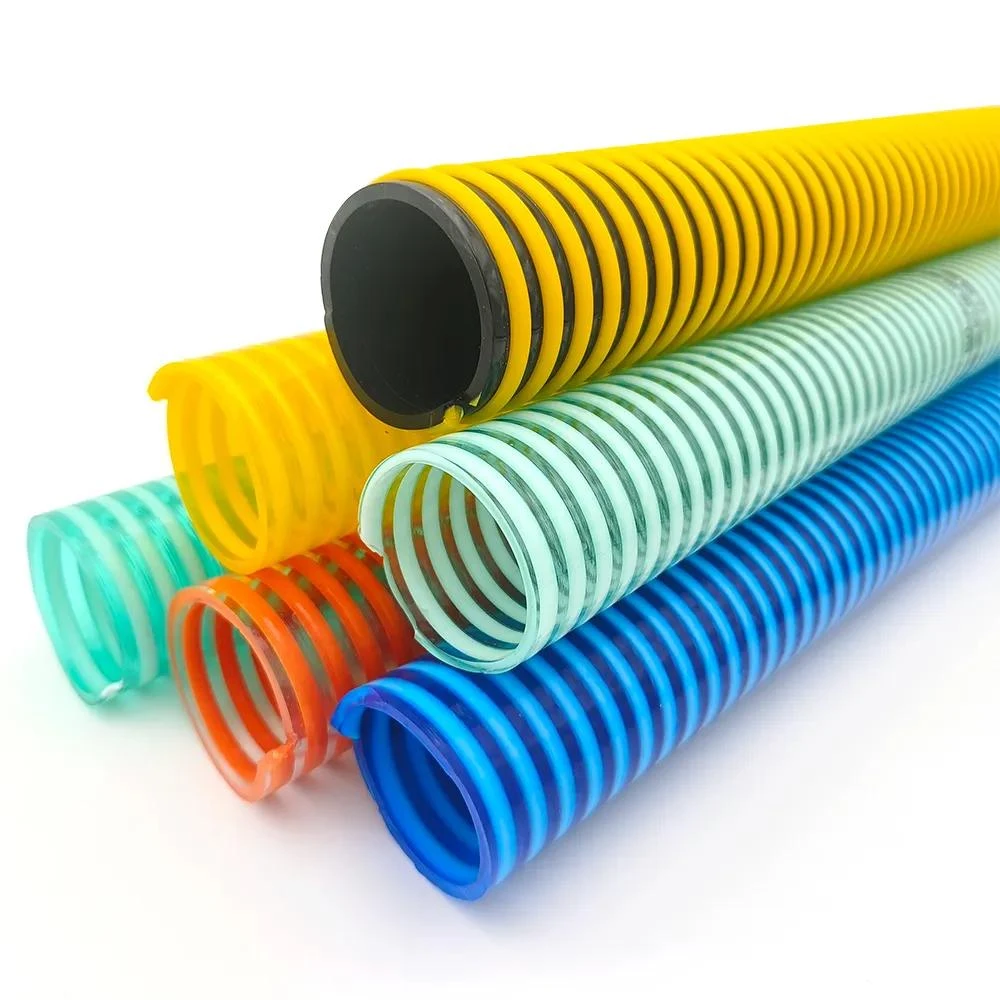
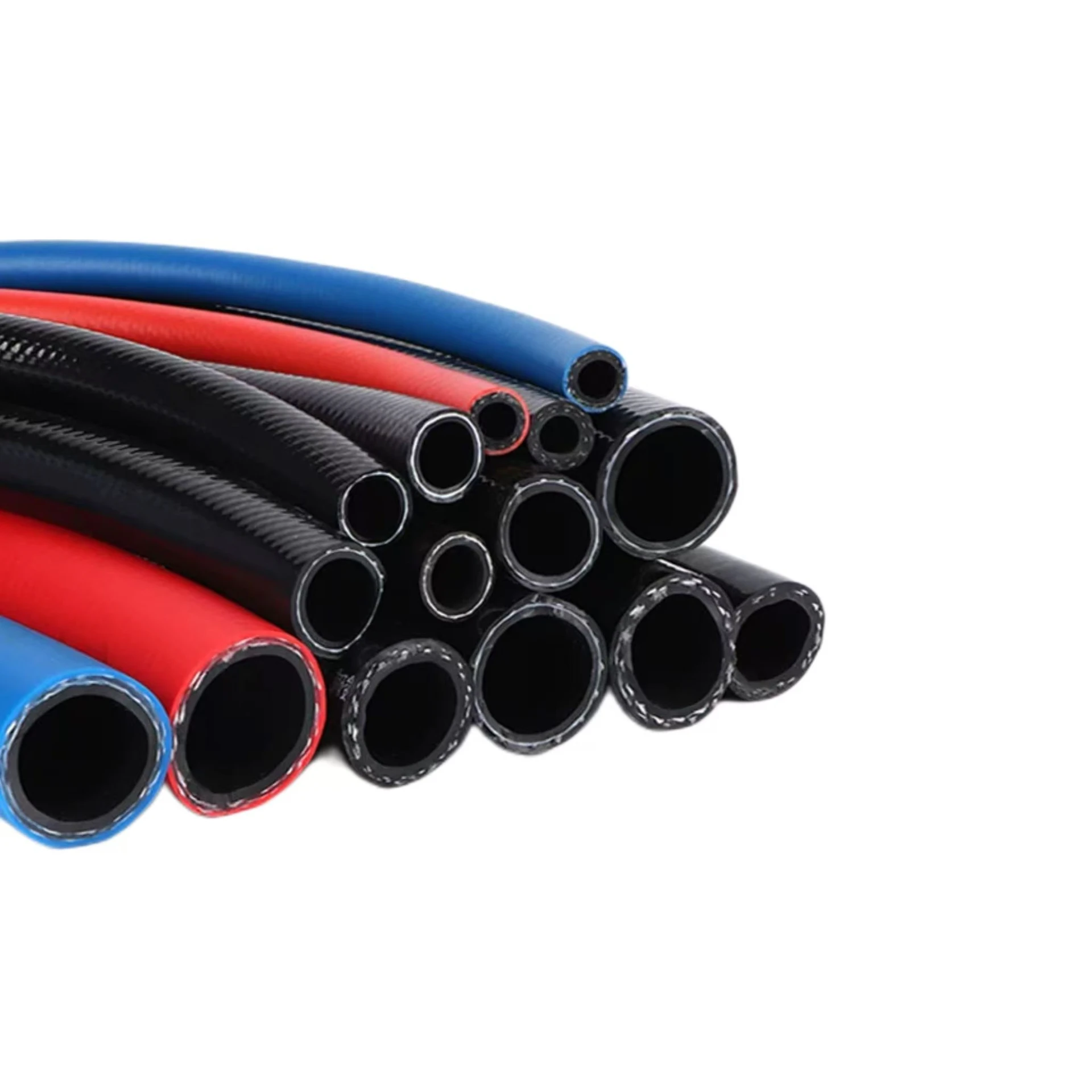
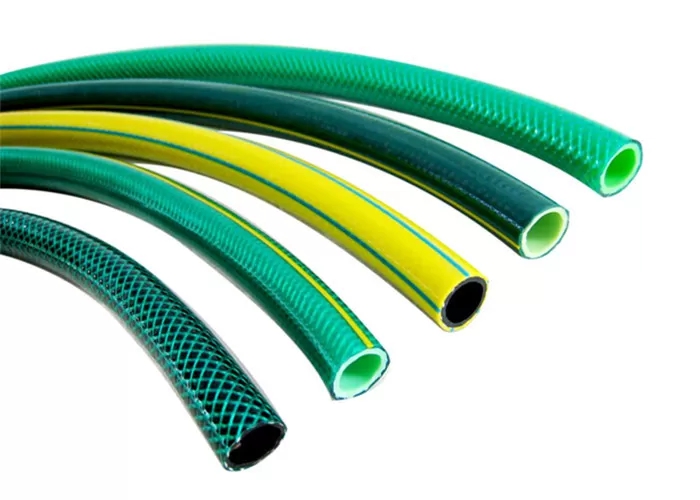
Simply put, pharmaceutical hoses are flexible tubes designed specifically to transfer sterile fluids, powder, or gases in pharmaceutical production. They are made from materials that resist contamination, withstand repeated sterilization (like steam or chemical agents), and prevent chemical reactions with contents.
Think of them as the sterile arteries of the pharmaceutical world—keeping materials moving smoothly, safely, without letting in anything harmful. They’re also linked to humanitarian needs because they enable rapid deployment of sterile liquids and medicines during crises.
Core Components That Define Quality Pharmaceutical Hoses
1. Durability & Chemical Resistance
Pharmaceutical hoses must endure harsh cleaning cycles — steam at 121°C or higher, aggressive sanitizers, acids, or solvents. Those made from materials like silicone, PTFE, and EPDM manage this well, ensuring long service life.
2. Sterility & Cleanability
A hose that can’t maintain sterility is useless in pharma. Smooth inner surfaces limit bacteria build-up, and hygienic designs minimize crevices. They often comply with 3-A or EHEDG hygiene standards.
3. Flexibility & Pressure Tolerance
Flexibility is needed for easy installation and maneuvering inside crowded facilities, but hoses also have to hold up under pressure—often up to 10 bar or more without kinking or bursting.
4. Regulatory Compliance
Compliance with FDA, USP Class VI, and ISO standards assures users that material choices are safe for pharmaceutical contact, avoiding contamination or degradation.
5. Customization Options
Many applications require specific lengths, fittings, or coiled designs. Vendors offer custom solutions to match plant setups precisely.
| Attribute | Typical Value |
|---|---|
| Material | Silicone / PTFE lining |
| Max Temperature | 200°C (steam sterilization) |
| Pressure Rating | Up to 10 bar |
| Inner Surface Finish | Smooth, non-porous |
| Standards | FDA CFR 21, USP Class VI, EHEDG |
Global Applications & Real-World Use Cases
Pharmaceutical hoses are everywhere—from North America’s high-tech vaccine plants to Asia’s rapidly growing pharma hubs and Europe’s GMP-certified factories. In places like India and Brazil, these hoses support local drug manufacturers scaling up production to meet growing regional demand.
In real humanitarian terms, think about how rapid deployment of sterile fluids needs to happen in disaster zones. NGOs rely on pharmaceutical hoses to safely provide IV fluids and antibiotics. Pharmaceutical hoses are literally part of the response toolkit for crises including pandemics and natural disasters.
More industrially, they're used in:
- Transferring active pharmaceutical ingredients (APIs) during production
- Feeding sterile water and solvents in clean rooms
- Packaging lines for injectable drugs
- Biotechnology and vaccine manufacturing
Vendor Comparison: Leading Pharmaceutical Hose Suppliers
| Feature / Vendor | SmartFlexHose | PharmaFlex | CleanFlow Solutions |
|---|---|---|---|
| Material Variety | Silicone, PTFE, EPDM | Predominantly Silicone & Nylon | PTFE & FEP lined |
| Max Pressure (bar) | 10 | 8 | 12 |
| Custom Length & Fittings | Yes | Limited | Yes |
| Certifications | FDA, USP Class VI, EHEDG | ISO & FDA | USP Class VI, 3A |
Advantages & Long-Term Value of Pharmaceutical Hoses
Here’s the thing—pharmaceutical hoses help companies avoid contamination incidents that could cost millions and damage reputations. They guarantee safe, sterile transport of precious medicines and solvents throughout the value chain.
On the emotional side, they uphold patient dignity by safeguarding medicine quality; on a logical front, they reduce downtime, extend equipment life, and comply with stringent regulatory audits. Their sustainability is improving too, with recyclable materials and longer lifespans helping plants reduce waste.
Future Trends & Innovations
Industry insiders are keeping an eye on developments like antimicrobial hose linings, which actively prevent bacterial growth. Digital sensors integrated into hoses are also emerging—allowing real-time monitoring of pressure, temperature, or contamination risk. This bodes well for predictive maintenance and higher safety margins.
Plus, there's a growing push for sustainability—biodegradable hose materials and lower-impact manufacturing processes are in the pipeline, responding to pharma’s wider net-zero carbon goals.
Challenges & Practical Solutions
Despite all advances, challenges persist. Stretching hoses too far, incompatible materials, or improper cleaning can degrade hose performance. Users often struggle balancing flexibility with pressure resistance.
Experts advise strict adherence to manufacturer specs, routine inspections, and investing in training to ensure proper maintenance. Custom-engineered solutions from reputable vendors can also minimize these issues.
FAQ: Common Questions About Pharmaceutical Hoses
- Q: How often should pharmaceutical hoses be replaced in a production line?
- A: Replacement depends on use and sterilization cycles but typically every 1-3 years. Frequent inspections can identify wear or degradation early to avoid contamination risks.
- Q: Are pharmaceutical hoses compatible with all types of drug formulations?
- A: Most hoses are designed for common pharma fluids, but highly reactive chemicals might need specialized linings. Always consult technical datasheets or vendors.
- Q: Can these hoses withstand repeated steam sterilization?
- A: Yes. High-quality pharma hoses are tested to endure multiple cycles of steam sterilization at 121°C or higher without compromising integrity.
- Q: What certifications ensure a hose is safe for pharmaceutical use?
- A: Look for FDA CFR 21 compliance, USP Class VI certification, and adherence to ISO 15378 and EHEDG standards — these validate material safety and hygienic design.
- Q: Is customization readily available?
- A: Absolutely. Many manufacturers provide custom lengths, diameters, and fittings to match specific equipment or process needs.
Conclusion
Pharmaceutical hoses might not be the flashiest components in medical manufacturing, but they represent a backbone of modern health systems worldwide. Their strict standards, durability, and innovations ensure medicines are safely produced and delivered—boosting both operational efficiency and patient trust.
If you’re involved in pharmaceutical production or supply, understanding how to select, maintain, and innovate with pharmaceutical hoses is a wise investment for your operation’s future.
For detailed product options and expert consultation, visit https://www.zsmartflexhose.com—they specialize in high-quality pharmaceutical hoses designed to meet your precise needs.
References
Z-Smartflex delivers superior-quality industrial hoses and fittings with global reliability, offering you durable solutions and exceptional service for all your fluid transfer needs.