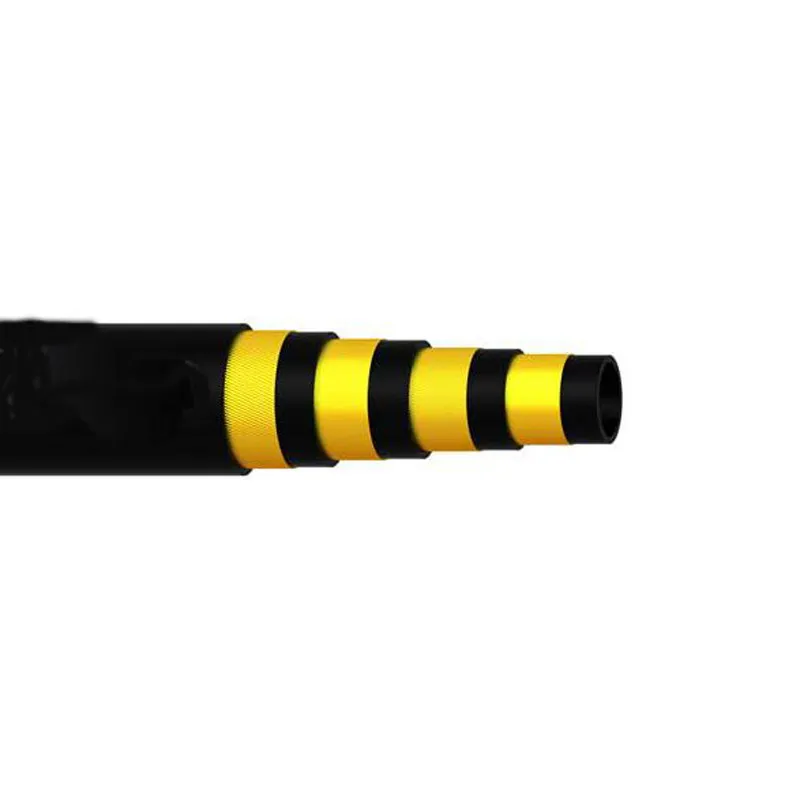

4 Inch Flexible Rubber Hose: What You Really Need to Know
If you’ve spent any time around industrial equipment, you know hoses are often the unsung heroes — quietly handling tough jobs, day after day. Among them, the 4 inch flexible rubber hose stands out as a reliable workhorse for everything from chemical transfer to air and water delivery. Frankly, after years in the field, what I appreciate most about these hoses is their blend of flexibility and toughness — not to mention how crucial the right specifications are when you really get down to it.
Oddly enough, many folks underestimate how much engineering goes into a “simple” hose. A 4 inch diameter might sound straightforward, but the rubber compound, reinforcement layers, and manufacturing process all dramatically affect performance. For instance, synthetic rubbers like EPDM or nitrile improve resistance to heat, oils, or chemicals — something I noticed firsthand when switching brands on a spray application line.
Beyond materials, testing protocols matter a lot. Industry-standard tests for pressure, flexibility, and abrasion resistance ensure that these hoses won’t buckle under strain or degrade prematurely. You want something you can trust, especially in environments where downtime isn’t an option.
Many engineers, myself included, tend to prefer hoses that can be customized to fit specific operational needs — length, fittings, color coding for safety, even reinforcement layers tailored for pressure demands. I once worked on a job where our supplier customized a 4" hose with extra braided steel wire to survive daily pressure cycles without fatigue. It made all the difference.
Typical Specifications of a 4 Inch Flexible Rubber Hose
| Feature | Specification |
|---|---|
| Inner Diameter | 4 in (101.6 mm) |
| Material | Nitrile or EPDM rubber (depending on chemical exposure) |
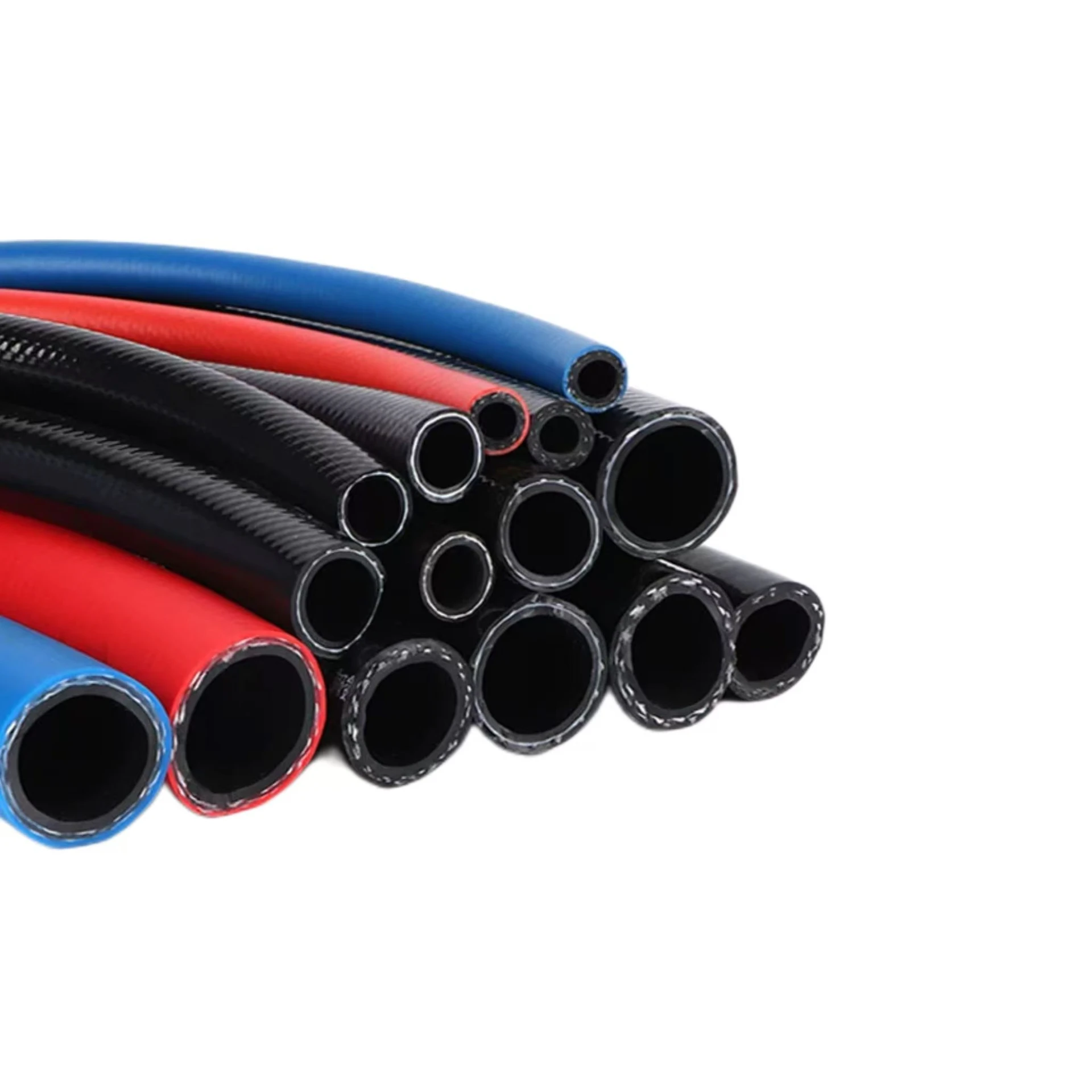
| Reinforcement | Multiple layers of synthetic textile or steel wire braid |
| Working Pressure | 150 - 300 psi (varies by model) |
| Temperature Range | -40°F to 220°F (-40°C to 105°C) |
| Length Options | 10 ft to 100 ft, custom lengths available |
| Color | Usually black, sometimes color-coded for industry use |
Comparing Popular Vendors for 4 Inch Flexible Rubber Hose
| Vendor | Pressure Rating | Material Options | Customization | Lead Time | Price Range |
|---|---|---|---|---|---|
| ZSmartFlexHose | Up to 300 psi | Nitrile, EPDM, Neoprene | Extensive (length, fittings, color) | 2-3 weeks | $$ |
| Flex-Rubber Co. | Up to 250 psi | EPDM only | Limited (standard lengths) | 1-2 weeks | $ |
| Industrial Hose Masters | Up to 350 psi | Nitrile, PVC blends | Custom fittings, color | 3-4 weeks | $$$ |
One little story I often think about happened on a project with a mining company. They needed a tough 4" hose to handle abrasive slurry. The first batch failed after a few weeks, which was frustrating — downtime is expensive. But switching to a hose with enhanced reinforcement and a carefully tested rubber compound from ZSmartFlexHose literally cut our replacement cycle in half. Naturally, everyone was happier.
You see, picking the right hose isn’t just about a price tag or a shiny brochure. It’s about understanding what’s happening inside the hose while it’s in use — pressures, chemicals, temperature swings — and then finding a product built to take that abuse reliably.
So next time you’re eyeballing those hoses, remember the 4 inch flexible rubber hose is a blend of materials science and real-world experience, quietly powering millions of industrial processes worldwide. If you want to dig deeper, check out ZSmartFlexHose — they’ve been in the business long enough to get the details right.
In real terms, it’s the details that count — and knowing your vendor as well as your hose specs can save you headaches and dollars.
References:
1. Manufacturer datasheets of flexible rubber hoses (various vendors)
2. Industry-standard testing methods: ASTM F2782 and ISO 8330
3. Personal field experience in industrial fluid transfer systems (2005–present)
Z-Smartflex delivers superior-quality industrial hoses and fittings with global reliability, offering you durable solutions and exceptional service for all your fluid transfer needs.