Understanding the Non Rubber Hose: Global Insights and Industrial Relevance
When we talk about hoses, especially in industrial, agricultural, or humanitarian contexts, the phrase non rubber hose often gets overlooked but holds significant importance. Why? Simply because these hoses provide critical solutions where traditional rubber hoses might fall short — whether it’s extreme durability, chemical resistance, or environmental sustainability. Globally, industries are shifting toward materials and technologies that offer better longevity, safety, and performance without the pitfalls of rubber degradation (looking at you, UV damage or oil exposure). So getting a handle on what a non rubber hose is, and why it matters, is frankly essential in today’s infrastructure-driven world.
Global Context: Why Non Rubber Hoses Matter More Than Ever
Here’s a little context. According to the International Organization for Standardization (ISO), hoses and flexible tubing are critical components in industries from water supply to chemical transport. The global demand for hoses that resist chemical corrosion, extreme temperatures, and physical abrasions has skyrocketed — UNESCO estimates that over 2 billion people worldwide lack reliable access to clean water, a challenge that flexible, durable hoses help address in distribution networks. Rubber hoses, while flexible, degrade under certain conditions and often do not meet the evolving demands for safety and environmental compliance.
So the question arises: How can we leverage alternatives, like non rubber hoses, to tackle these barriers efficiently?
Defining the Non Rubber Hose
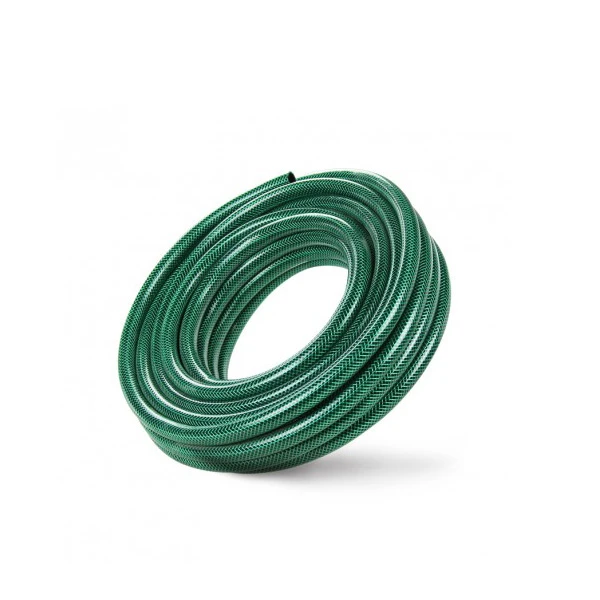
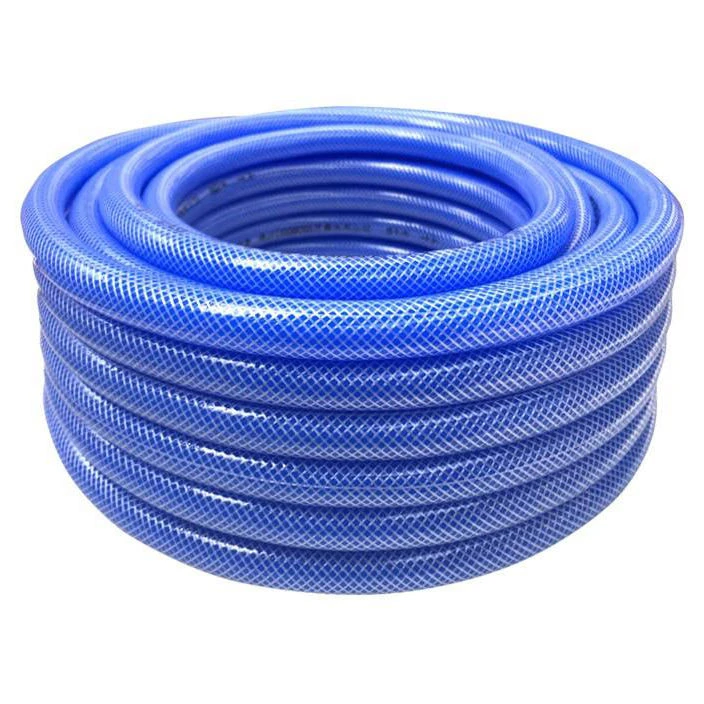
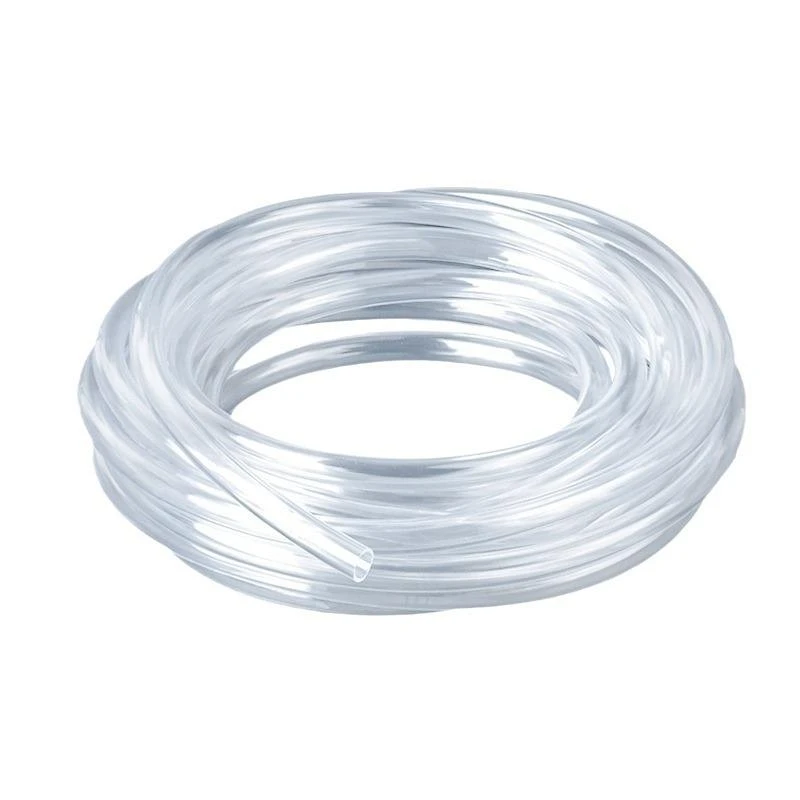
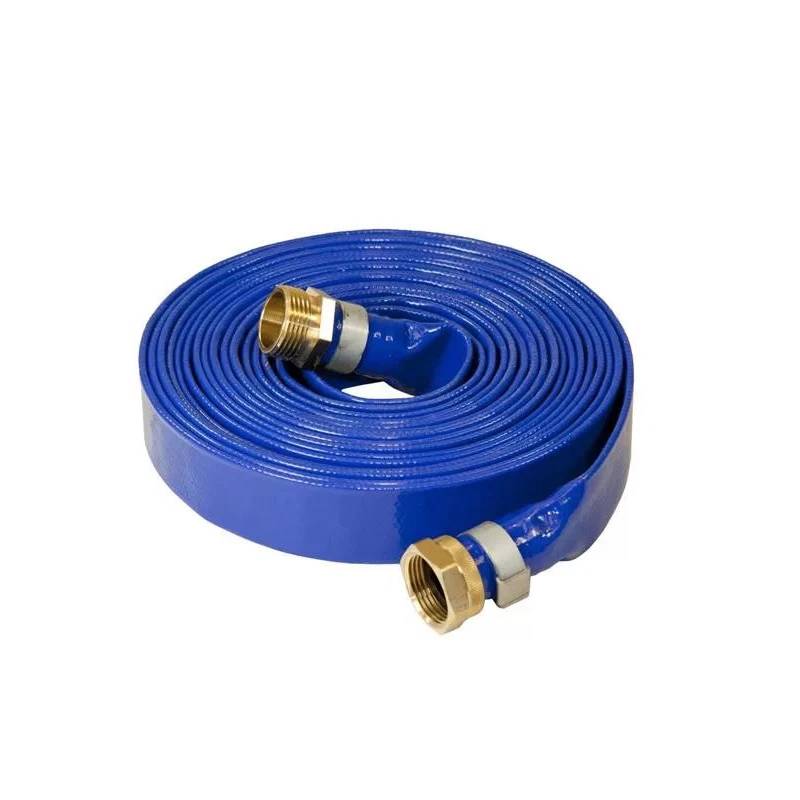
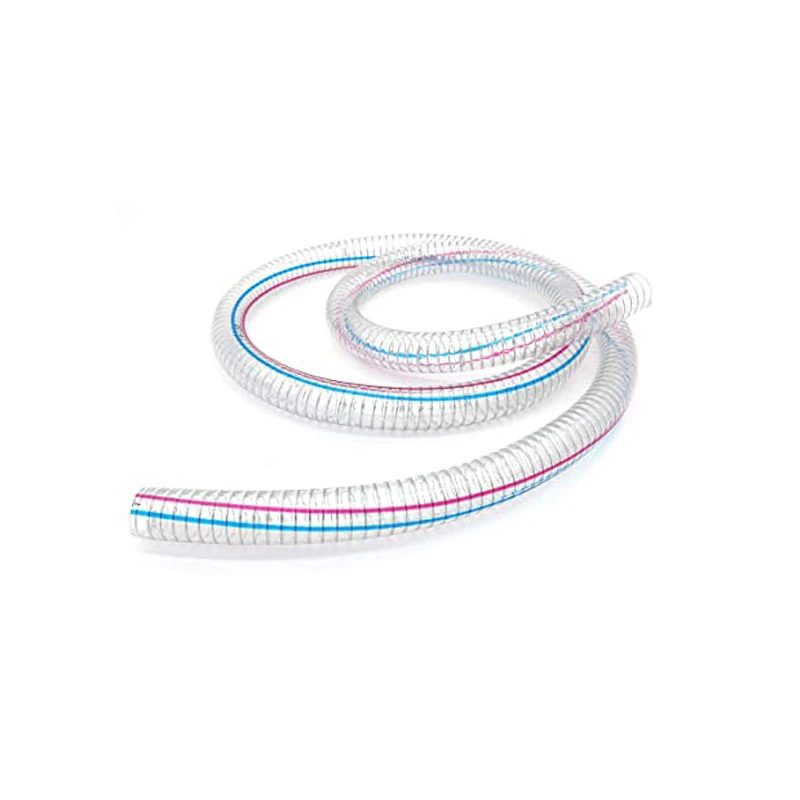
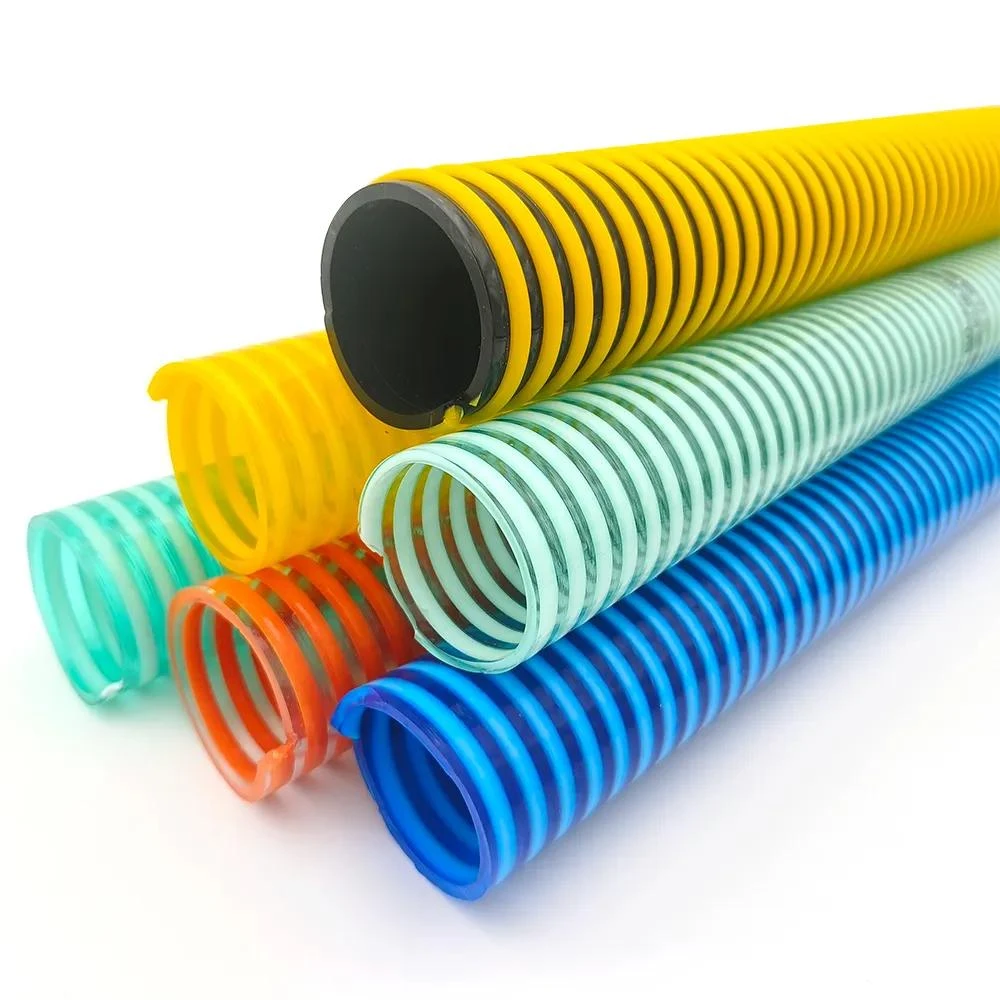
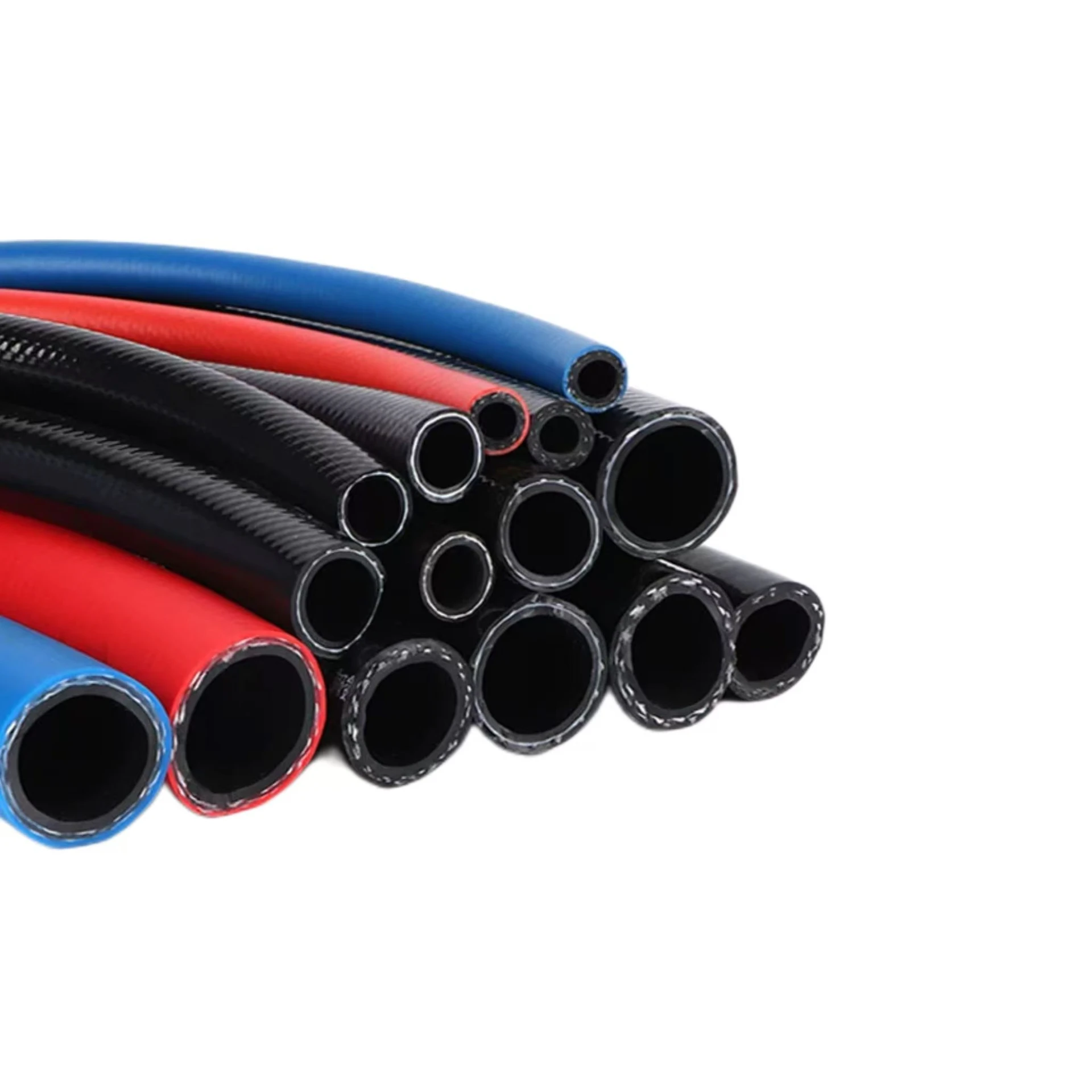
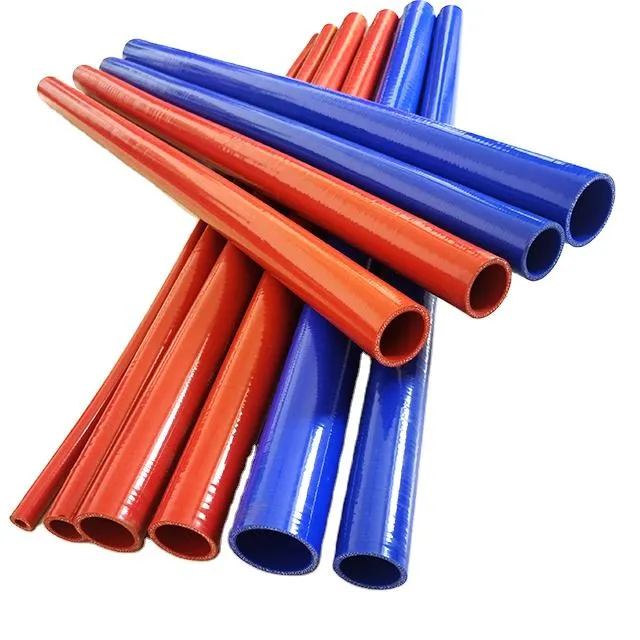
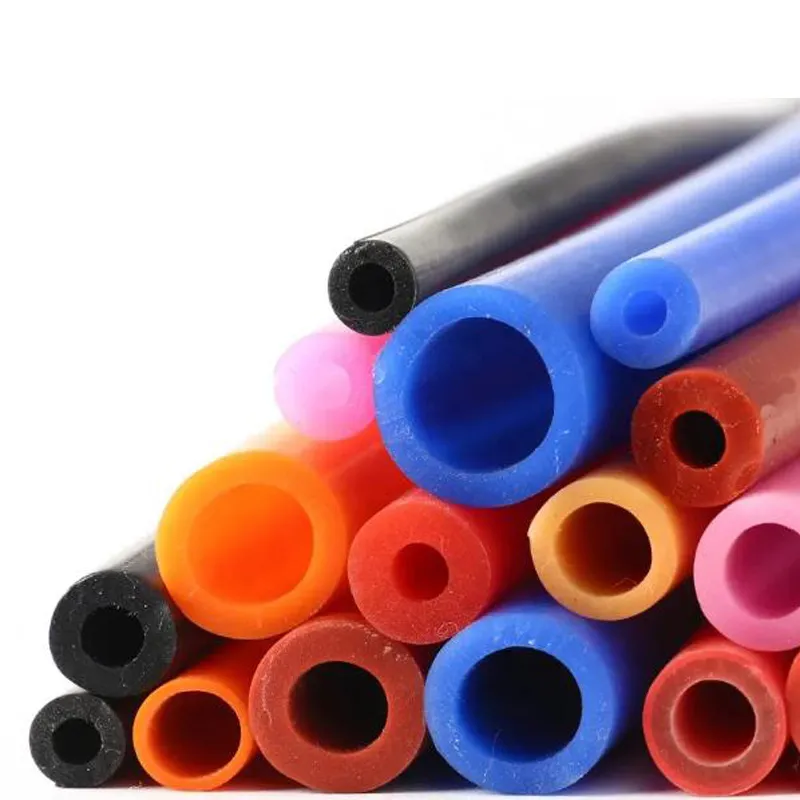
In simple terms, a non rubber hose refers to a hose constructed from materials other than natural or synthetic rubber. These include polymers such as PVC (polyvinyl chloride), polyurethane, thermoplastic elastomers, and composite materials reinforced with metals or fibers. Unlike rubber, these materials offer enhanced resistance to UV rays, chemicals, and temperature extremes. This makes non rubber hoses invaluable in sectors that demand long-lasting and reliable fluid transport solutions.
Think of disaster relief scenarios where precise and rapid water delivery is critical or factory settings handling corrosive solvents where rubber would prematurely fail. The connection between non rubber hoses and modern humanitarian operations or industrial processes isn’t just incidental — it’s foundational.
Core Components and Key Factors of Non Rubber Hoses
1. Durability
One of the standout advantages of non rubber hoses is their impressive durability. Materials like polyurethane can resist abrasions five times better than rubber, which means less frequent replacements. This also translates to reduced downtime in industrial operations and less waste sent to landfills.
2. Chemical Resistance
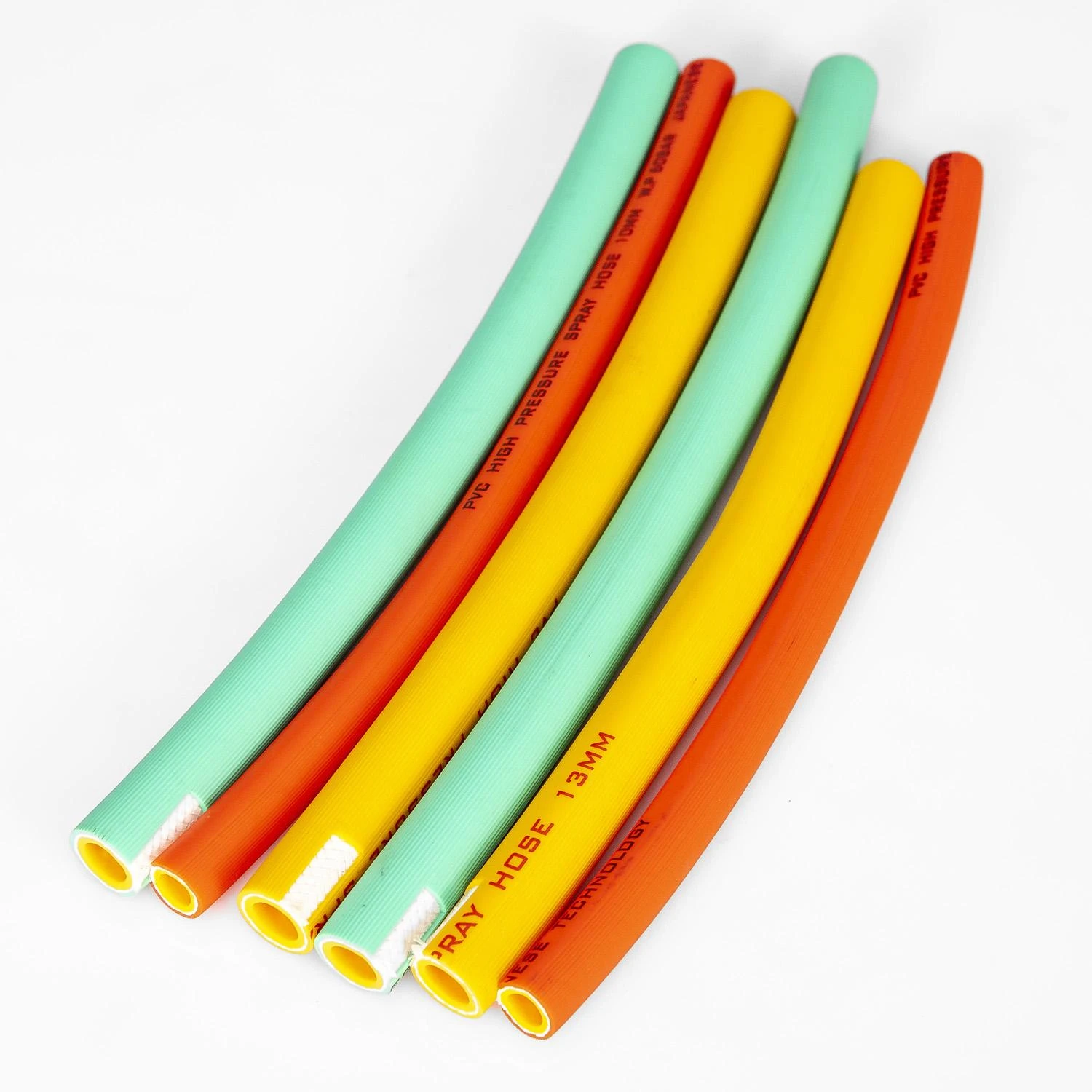
Non rubber hoses typically excel in chemical resilience. PVC-based hoses handle acids, alkalis, and oils far better than natural rubber, making them ideal for applications in chemical plants or agricultural spraying where exposure to harsher substances is common.
3. Temperature Tolerance
While traditional rubber hoses might shrink or crack in extreme heat or cold, thermoplastic hoses maintain flexibility over a wide temperature range (often -40°C to +80°C). This characteristic is crucial for industries operating outdoors or in fluctuating climates.
4. Cost Efficiency
Initially, non rubber hoses can be marginally more expensive, but their lifecycle cost is often lower due to reduced maintenance and replacement needs. Plus, in remote industrial zones or emergency relief efforts, longevity and reliability trump upfront savings.
5. Environmental Impact
Some newer non rubber hoses incorporate recyclable materials and avoid harmful additives that are common in synthetic rubber, supporting evolving sustainability initiatives worldwide.
Mini Takeaway:
- Non rubber hoses bring industry-leading durability, chemical resistance, and temperature range advantages that rubber hoses struggle to match, proving indispensable in critical applications across the globe.
Global Applications and Real-World Use Cases
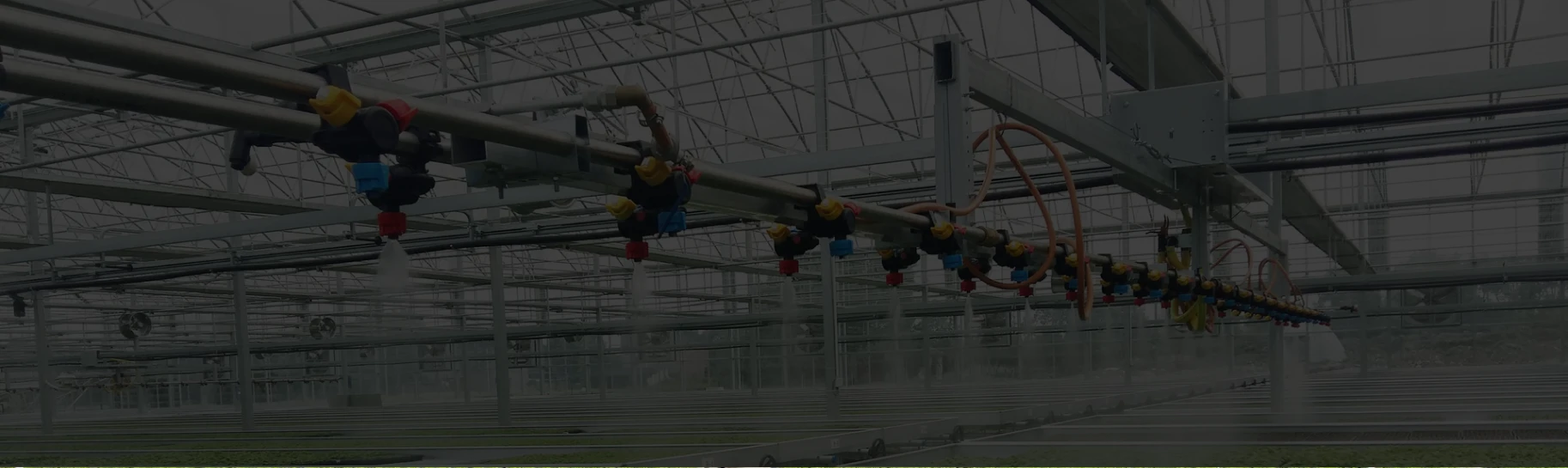
Non rubber hoses have become workhorses in areas ranging from agriculture in Africa using drip irrigation setups, to oil and gas pipelines in the Middle East, and disaster relief efforts in Southeast Asia.
In post-disaster relief operations, for example, rapidly deployable non rubber hose systems ensure safe water supply lines under challenging conditions. Similarly, urban construction projects favor these hoses for concrete conveyance due to their abrasion resistance. And oddly enough, in food processing plants in Europe, non rubber hoses are favored for their chemical inertness, minimizing contamination risks.
Advantages & Long-Term Value of Non Rubber Hoses
- Cost Savings: Reduced replacement rates lower operational expenses.
- Sustainability: Eco-conscious materials align with global green standards.
- Reliability: Robust performance engenders safety and trust on-site.
- Social Impact: Safe clean-water distribution fosters dignity in vulnerable populations.
- Innovation & Trust: Adopting advanced materials signals forward-thinking industry leadership.
There’s something almost satisfying about seeing a hose that just “keeps going,” enduring tough environments without issue. In real terms, this means fewer accidents, less downtime, and an often overlooked peace of mind in operations.
Product Specifications Table
| Specification | Typical Range | Notes |
|---|---|---|
| Material | PVC, Polyurethane, TPE | Varies by chemical/temperature resistance |
| Operating Pressure | 1 MPa to 4 MPa (145-580 psi) | Suitable for industrial fluid transport |
| Temperature Range | -40°C to +80°C | Handles variable climates |
| Abrasion Resistance | 5x rubber hoses | Extends hose life |
| Chemical Resistance | Acids, alkalis, oils | Critical for industrial use |
Vendor Comparison Table
| Vendor | Material Options | Price Range (USD/m) | Lead Time | Certifications |
|---|---|---|---|---|
| ZSmart Flex Hose | PVC, Polyurethane | $4.50 - $8.00 | 2-4 weeks | ISO 9001, REACH |
| Global Hoses Inc. | TPE, PVC blends | $5.00 - $9.50 | 3-5 weeks | ISO 14001 |
| Eco Hose Solutions | Recycled polymers | $4.00 - $7.00 | 4-6 weeks | Cradle to Cradle |
Future Trends and Innovations
Looking ahead, the non rubber hose segment is buzzing with promising innovations. Advanced composite materials combining fiberglass or aramid fibers with thermoplastics offer improved pressure limits and flexibility. Meanwhile, sustainability trends push vendors toward recyclable and bio-based polymers, reducing environmental footprints.
Digitally, smart hoses embedded with sensors to monitor pressure, flow rates, or leaks are no longer sci-fi — they’re beginning to emerge in process industries. Such advancements enhance predictive maintenance and operational safety, which many experts believe will define the next decade in hose technology.
Challenges & Solutions
No product is without its constraints. Despite their benefits, non rubber hoses sometimes face challenges involving initial cost factors, stiffness at very low temperatures, or specialized fitting requirements. Fortunately, ongoing research addresses these via improved plasticizers, hybrid material blends, and universal coupling designs. Still, customer education remains key; handy installation tips and maintenance protocols encourage longer service life.
Frequently Asked Questions About Non Rubber Hose
- Q1: How do non rubber hoses compare in flexibility to traditional rubber ones?
- A: While some non rubber materials like polyurethane are highly flexible, others may be slightly stiffer, especially in very cold environments. However, manufacturers continually improve formulations to balance flexibility and durability, often matching or exceeding rubber hose performance in typical applications.
- Q2: Can non rubber hoses be used for food-grade applications?
- A: Yes, certain non rubber hoses made from FDA-approved polymers or compliant materials are suitable for food and beverage handling, featuring chemical inertness and easy cleaning properties.
- Q3: What maintenance practices extend the life of non rubber hoses?
- A: Routine inspection for abrasions, proper storage away from UV exposure, and flushing after use with corrosive fluids help preserve hose integrity over time.
- Q4: Are these hoses compatible with standard industrial fittings?
- A: Generally, yes. Most non rubber hoses come with standard diameters and fittings compatible with industry norms, yet checking with the vendor for specific coupling types is always advisable.
Conclusion: The Long-Term Value of Embracing Non Rubber Hoses
To sum it up, the non rubber hose represents a critical evolution in fluid transfer technology that addresses many shortcomings of traditional rubber. From durability and chemical resistance to environmental sustainability and future-ready innovations, these hoses stand out as a savvy investment for industrialists, humanitarian organizations, and beyond.
If you want to explore cutting-edge non rubber hoses tailored to your specific needs, why not visit our website today? Their range combines proven quality with practical innovation — and honestly, it feels like the future of hoses is unfolding right there.
Thanks for sticking with me through this exploration of a humble yet high-impact product. For those curious to dive deeper, I highly recommend checking the ISO standards on flexible hoses and the UN Water reports cited below to appreciate their broader significance.
Mini Reflection
Oddly enough, hoses aren’t the flashiest topic, but once you appreciate their complexity and global impact, you start seeing them as the unsung heroes in so many critical operations — kind of cool, right?
Z-Smartflex delivers superior-quality industrial hoses and fittings with global reliability, offering you durable solutions and exceptional service for all your fluid transfer needs.