
The Unsung Hero: What Exactly Is a Marine Potable Water Hose and Why Should You Care?
Water, the essence of life, becomes far trickier to manage when you’re on the sea. That’s where the humble marine potable water hose steps in — delivering safe, clean drinking water to ships, offshore platforms, and even aid vessels across the globe. Why is understanding this niche yet critical piece of equipment vital? Because behind every sip of glass-clear water aboard a vessel lies a technology designed to protect health, ensure compliance, and resist the harshest marine environments.
Globally, with over 90% of trade by volume moved by sea and millions depending on ships for fresh water, marine potable water hoses are quietly solving huge challenges both industrial and humanitarian. As seaborne fleets grow and environmental regulations tighten, choosing and deploying the right potable water hose is a game changer worth knowing about.
Why the Marine Potable Water Hose Matters on a Global Scale
According to UN reports, maritime transport carries about 80% of global merchandise trade by volume, making it a backbone of international economies. Yet, ensuring safe drinking water onboard is not just a comfort — it’s a serious health issue. Contaminated water systems can lead to outbreaks of diseases, jeopardize entire crews, or complicate humanitarian missions.
Marine potable water hoses address these risks by maintaining water purity during transfer from shore tanks to ships, tankers, and offshore rigs. The ISO 1825 standard, which guides manufacturing and testing of these hoses, reflects the importance of strict quality control. Sadly, breaches in hose integrity are often the silent culprits behind many onboard water quality issues documented by the WHO.
And here’s the interesting bit — the challenge intensifies in disaster zones or remote offshore sites where dependable water supply lines must be portable, durable, and swiftly deployable. So, marine potable water hoses aren’t just dockside equipment: they’re life-saving connectors between shore infrastructures and floating communities.
Mini takeaway:
Understanding marine potable water hoses is key to grasping how maritime and offshore operations maintain health and efficiency on the world's waters — a small gear with a massive impact.
What Is a Marine Potable Water Hose?
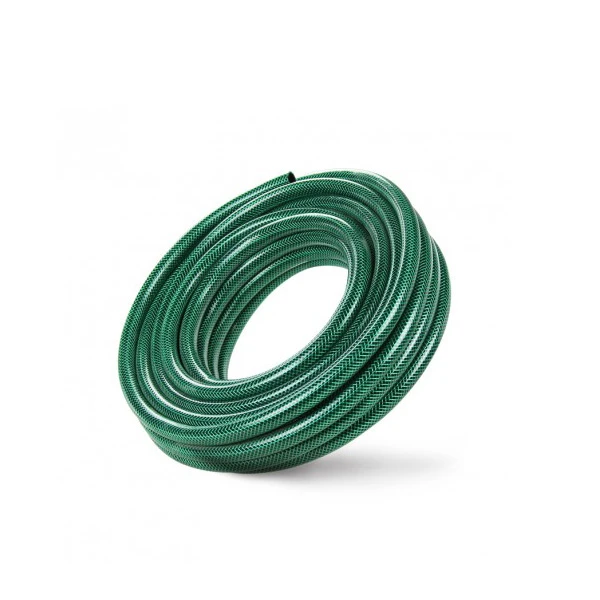
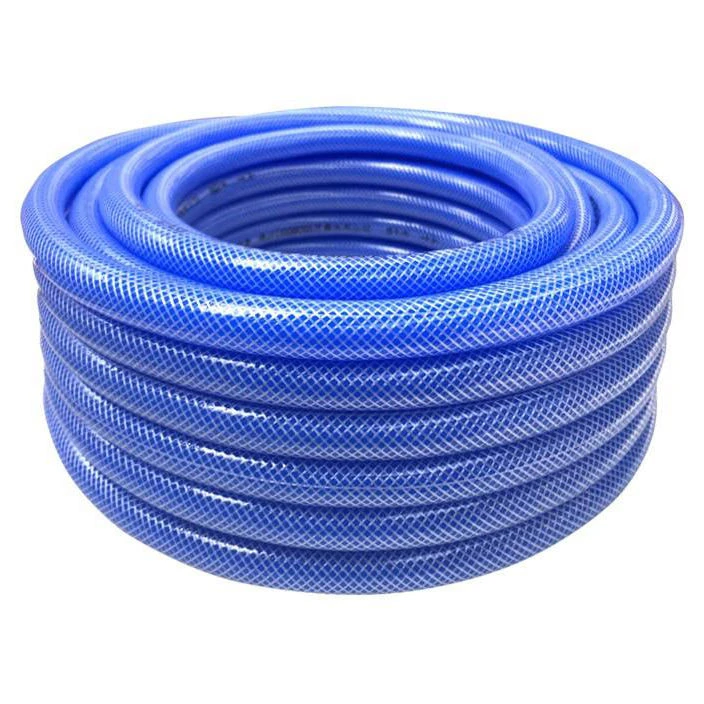
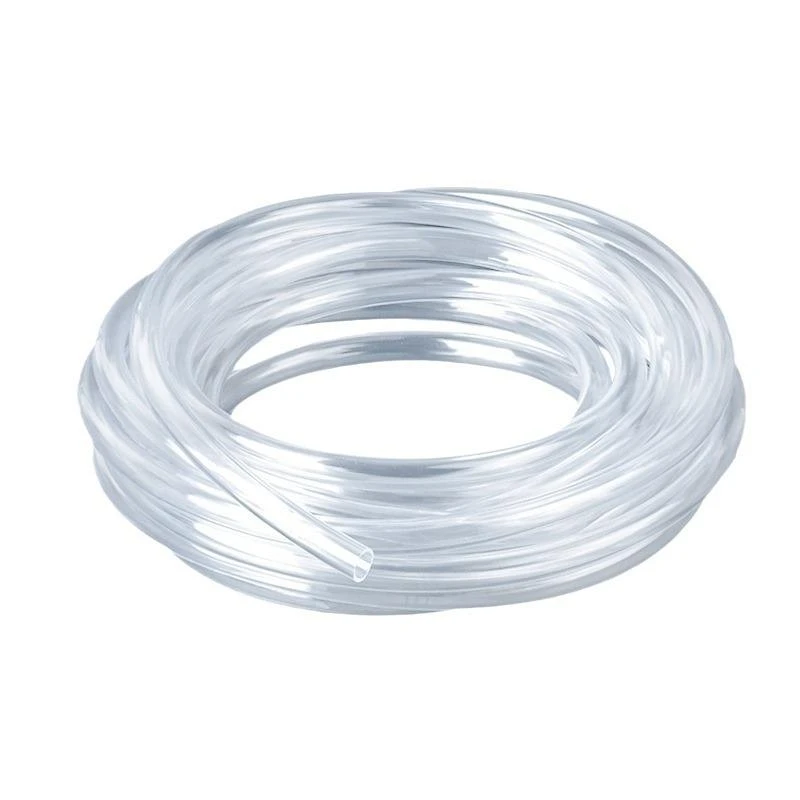
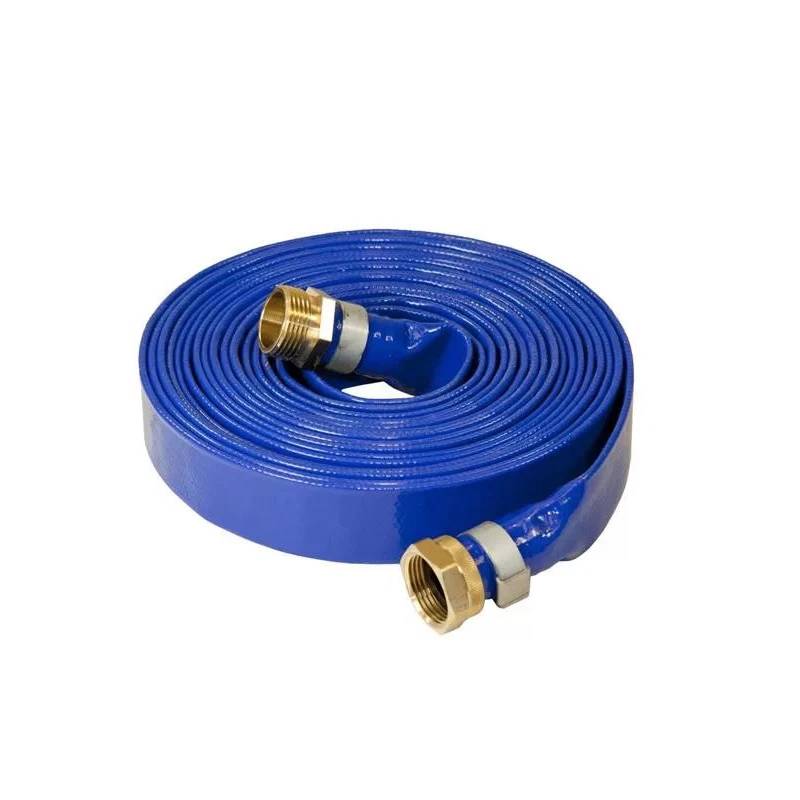
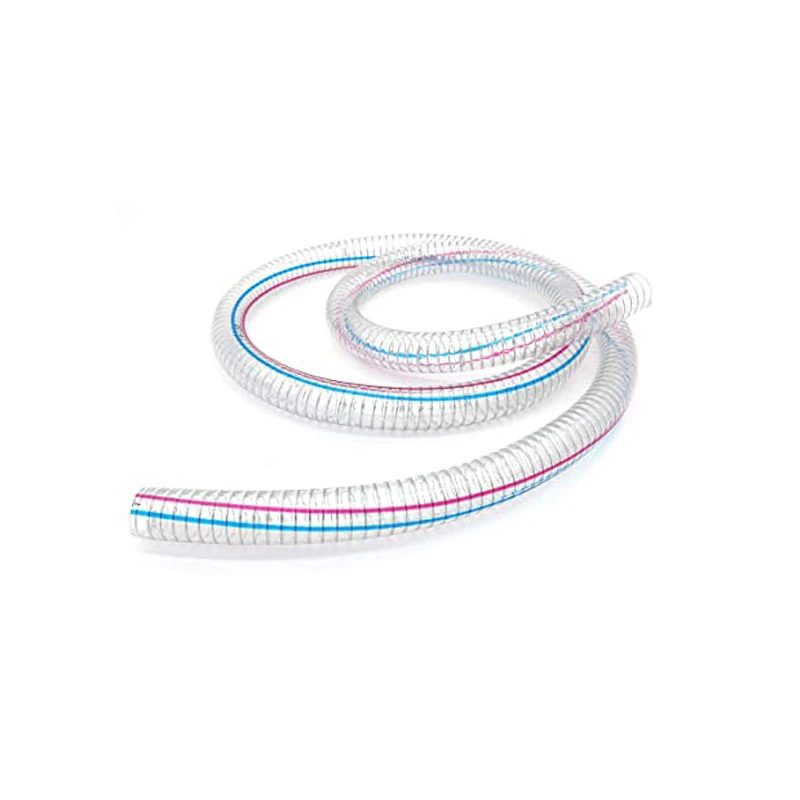
Put simply, a marine potable water hose is a flexible pipe designed specifically for transferring drinkable water in maritime environments. Unlike industrial hoses that tolerate chemical or fuel transfers, these hoses prioritize hygiene, preventing contamination during critical water transfer tasks onboard ships and offshore installations.
Imagine a hose built from materials resistant to microbial growth, chemical leaching, and able to endure UV exposure or saltwater spray. It keeps water taste-and-safety intact, irrespective of harsh external conditions.
For humanitarian organizations, marine potable water hoses facilitate clean water distribution in disaster relief missions — offering portable, reliable connections to supply lifesaving water where plumbing isn’t an option.
Mini takeaway:
Marine potable water hoses are specialized solutions shaped by science and regulation to protect water quality at sea and beyond.
Key Features That Define Quality Marine Potable Water Hoses
1. Hygiene & Safety
The hose material must comply with NSF/ANSI 61 or equivalent standards for drinking water safety, ensuring no chemical contaminants or off-tastes migrate into the water.
2. Chemical Resistance
Exposure to cleaning agents, sanitation chemicals, or incidental fuel proximity means the hoses must resist degradation without compromising water purity.
3. Durability & Flexibility
Marine environments are tough — salt, sun, abrasion. The hose jacket is often reinforced with polyester or steel wire braid to balance flexibility with strength.
4. Temperature Range
A good marine potable water hose manages extremes, usually from -10°C to +70°C, matching both arctic supply conditions and hot climates.
5. Size & Length Options
Depending on ship size and dock layout, hoses range typically from 19 mm to 152 mm inner diameter, with custom lengths to improve handling and storage.
6. Certification & Compliance
Standards like ISO 1825 or BS EN 12115 provide assurance. Compliance means safer deployments and easier inspections.
| Specification | Typical Range |
|---|---|
| Inner Diameter | 19 mm – 152 mm |
| Working Pressure | 6 – 16 bar |
| Temperature Range | -10°C to +70°C |
| Standard Compliance | ISO 1825, NSF/ANSI 61 |
| Material | EPDM/NR Rubber, Synthetic reinforcement |
Mini takeaway:
Quality marine potable water hoses combine safety, resilience, and compliance — a triad crucial to dependable water supply at sea.
Where and How Are Marine Potable Water Hoses Used?
It might seem niche, but in reality their applications are impressively broad:
- Commercial Shipping: Ships use them to load potable water from dock tanks, ensuring crew hydration and operational sanitation.
- Offshore Platforms: Oil rigs far from ports depend on these hoses for safe water delivery, often transported by helicopter or supply boat.
- Navies and Coastal Defense: Military vessels must meet stringent water quality standards; these hoses help avoid contamination risks during bunkering.
- Disaster Relief: NGOs and UN agencies use marine potable water hoses to rapidly establish safe water points in flood or storm-affected coastal communities.
- Remote Industrial Sites: Mines or renewable energy platforms near coasts rely on marine water delivery solutions for on-site crews.
Oddly enough, by choosing the right material and fittings, some hoses double as transfer lines for other liquids in emergencies, though not for drinking water — showing how versatile these components can be.
Mini takeaway:
From luxury yachts to urgent humanitarian aid, marine potable water hoses keep life flowing where it matters most — and often out of sight.
Advantages and Lasting Impact of Investing in Superior Marine Potable Water Hoses
- Health Assurance: Prevents waterborne illnesses by maintaining purity during transfer.
- Cost Savings: Robust hoses reduce downtime and replacement frequency.
- Sustainability: Reusable, long-lasting hoses mean less waste and environmental harm.
- Operational Reliability: Ships and rigs trust consistent water supply that meets regulations, avoiding costly penalties.
- Safety and Wellbeing: Onboard morale improves knowing drinking water is secure—it’s the little comforts, honestly.
Mini takeaway:
Good marine potable water hoses translate to economic, social, and environmental wins — a practical investment with meaningful ripple effects on lives at sea.
Looking Ahead: Innovation and Trends in Marine Potable Water Hoses
The marine hose industry is quietly innovating: new materials like bio-based elastomers aim to reduce environmental footprints; quick-connect fittings paired with digital sensors monitor water flow and detect leaks.
Automation is another frontier — remote-controlled water transfer improving safety for port workers. And stricter IMO guidelines on shipboard water quality keep pushing hose development to meet higher hygiene benchmarks.
Of course, the shift towards green shipping means these hoses will need to integrate easily with cleaner energy systems and closed-loop water treatment onboard vessels.
Mini takeaway:
Stay tuned for smarter, greener, and safer marine potable water hoses that reflect tomorrow’s maritime challenges and ambitions.
Common Challenges and How Experts Tackle Them
Hoses inevitably face wear and tear, microbial biofilm build-up, and fitting failures. Some common issues include:
- Material Fatigue: Addressed by enhanced rubber compounds and multi-layer reinforcement.
- Contamination Risk: Managed through regular flushing protocols and antimicrobial inner liners.
- Storage & Handling: Specialized reels and covers prevent damage when not in use.
- Compliance Gaps: Vendors assist with certifications and testing to align with ISO or NSF specs.
Many engineers stress that selecting a supplier who offers custom-fit solutions and after-sale support is often more critical than choosing the cheapest hose upfront.
Mini takeaway:
Challenges persist but industry know-how combined with smart procurement ensures dependable performance over time.
Frequently Asked Questions About Marine Potable Water Hose
- Q1: How do I know if a potable water hose is truly safe for drinking water?
- A1: Look for hoses certified to NSF/ANSI 61 or international equivalents like ISO 1825. This ensures materials won’t leach harmful chemicals or affect taste. Always verify vendor certifications and request testing reports before purchase.
- Q2: Can marine potable water hoses handle saltwater or only fresh water?
- A2: These hoses are designed specifically for potable fresh water transfer. While their exteriors resist saltwater corrosion, using them for saltwater transfer risks contamination and material degradation.
- Q3: What is the typical lifespan of a marine potable water hose?
- A3: With proper care, storage, and maintenance, these hoses typically last between 3 to 5 years, sometimes longer depending on usage intensity and environmental exposure.
- Q4: Are custom lengths and fittings available?
- A4: Yes, many manufacturers offer customization of length, diameter, and coupling types to match specific ship or dock configurations for ease of deployment and storage.
- Q5: How quickly can marine potable water hoses be deployed in emergency situations?
- A5: Portable marine potable water hoses are designed for fast connect and high flexibility, allowing deployment within minutes — crucial for disaster relief or rapid ship turnaround.
Wrapping Up: The Long-Term Value of Marine Potable Water Hoses
It’s easy to overlook a component as simple as a hose, but in maritime water supply, the right marine potable water hose is a cornerstone of safety, health, and efficiency. Investing time to understand its features, applications, and innovation pathways pays off in smoother operations and peace of mind.
If you want to explore high-quality options tailored for your vessel or operation, visit our website and discover how reliable water transfer can be seamless and safe.
| Vendor | Compliance | Material Quality | Customization | Support & Warranty |
|---|---|---|---|---|
| ZSmart FlexHose | ISO 1825, NSF Certified | EPDM/NR Hybrid | Tailored Lengths & Couplings | 24-month warranty, 24/7 tech support |
| MarineHose Pros | ISO 1825 Compliant | Standard EPDM | Standard Sizes only | 12-month warranty |
| AquaMarine Supplies | NSF Certified | Natural Rubber | Limited customization | Customer support weekdays only |
References:
1. ISO 1825 - Rubber hoses and hose assemblies for liquid food applications
2. World Health Organization - Guidelines for drinking-water quality, 4th edition
3. UNCTAD Review of Maritime Transport 2022
Z-Smartflex delivers superior-quality industrial hoses and fittings with global reliability, offering you durable solutions and exceptional service for all your fluid transfer needs.